If you want your woodworking projects to look sharp and professional, keeping your chisels in top shape is a must. Imagine trying to carve fine details with a dull chisel—it’s frustrating and can ruin your work.
But with the right care, your chisels will stay precise, making every cut smooth and effortless. You’ll discover simple yet powerful tips to maintain your chisels, so you can work faster, safer, and with better results. Ready to unlock the full potential of your tools?
Let’s dive in.

Credit: woodworkersinstitute.com
Choosing Quality Chisels
Choosing the right chisels is key for precise woodworking. Good chisels make cutting smoother and safer.
Focus on the type and build of the chisel to get the best results in your projects.
Types Of Woodworking Chisels
Woodworking chisels come in different types. Each type serves a unique purpose in wood shaping and carving.
- Bevel Edge Chisels: Good for general use and tight corners.
- Mortise Chisels: Thick and strong for cutting deep joints.
- Paring Chisels: Thin blades for fine, precise cuts.
- Skew Chisels: Angled edges for detailed trimming.
- Corner Chisels: Square edges for clean right-angle cuts.
Materials And Construction
Chisels must be made from strong materials to stay sharp and last long. The handle and blade quality matter.
| Part | Material | Purpose |
| Blade | High-carbon steel | Holds sharp edge well |
| Handle | Wood or plastic | Comfort and grip |
| Ferrule | Metal ring | Prevents handle splitting |
| Blade Finish | Polished or coated | Resists rust and wear |

Credit: daitool.com
Proper Storage Techniques
Keeping chisels stored properly helps keep them sharp and safe. Good storage stops damage and rust.
Organized chisels save time and keep your workspace neat. Proper care starts with how you store tools.
Protecting The Blade
The blade is the most important part of a chisel. Protecting it keeps the edge sharp and safe from harm.
Use blade guards or covers to stop nicks and scratches. Clean and dry the blade before storing to avoid rust.
- Wipe blades clean after use
- Apply a thin oil layer to prevent rust
- Use plastic or leather blade guards
- Store chisels with blades facing up or in sheathes
Organizing For Easy Access
Organizing chisels makes it quick to find the right one. This keeps your work smooth and efficient.
Use racks, magnetic strips, or tool rolls to keep chisels sorted by size and type. Label spaces if possible.
- Store chisels by blade width or purpose
- Keep frequently used chisels within reach
- Use tool rolls for portability and protection
- Magnetic strips save space and show blades clearly
Sharpening Methods
Keeping chisels sharp is important for precise woodworking. Sharp chisels cut cleaner and require less force. Using the right sharpening methods helps maintain the tool’s edge.
Sharpening involves grinding, honing, and polishing the chisel blade. Each step improves the edge for better performance and longer use.
Using Sharpening Stones
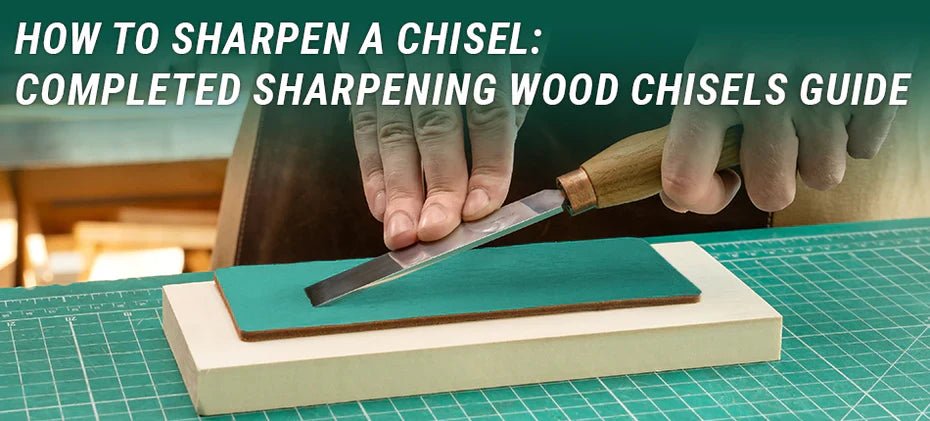
Sharpening stones are the main tool for grinding chisel edges. They come in different grits from coarse to fine. Start with a coarse stone to shape the edge.
Use water or oil on the stone to reduce friction. Move the chisel blade in a smooth, circular motion. Keep the blade flat against the stone for even sharpening.
- Use coarse stones to fix chips and reshape the edge
- Switch to medium stones for refining the edge
- Finish with fine stones for a smooth surface
Maintaining The Bevel Angle
The bevel angle is the sloped edge of the chisel. Keeping this angle steady is key for sharpness. Most chisels have a bevel angle between 25 and 30 degrees.
Hold the chisel at the same angle against the sharpening stone. Use an angle guide if needed. Changing the angle can weaken the edge or cause uneven wear.
- Check the bevel angle before sharpening
- Use a consistent angle every time
- Adjust only if the blade needs reshaping
Honing For A Fine Edge
Honing smooths the chisel edge after sharpening. It removes tiny burrs and polishes the blade. A leather strop or fine honing stone works well for this step.
Pull the chisel blade backward along the strop. Use light pressure and keep the bevel angle steady. Honing makes the edge sharper and longer lasting.
- Use a clean leather strop with polishing compound
- Pull the blade away from the edge to avoid cuts
- Hone regularly between sharpening sessions
Cleaning And Rust Prevention
Keeping chisels clean and free from rust is key to woodworking accuracy. Proper care extends tool life and keeps edges sharp.
Regular cleaning removes build-up that can harm the metal. Rust prevention protects chisels from damage and maintains performance.
Removing Resin And Dirt
Resin and dirt can stick to chisel blades after use. Cleaning them off helps keep the blade sharp and precise.
- Wipe the blade with a dry cloth after each use
- Use a soft brush to remove stuck dirt or sawdust
- Apply a small amount of mineral spirits on a cloth to dissolve resin
- Gently scrub resin spots with fine steel wool if needed
- Dry the blade completely to avoid moisture build-up
Applying Protective Coatings
Protective coatings stop rust from forming on chisel blades. Regular application keeps the metal smooth and safe.
| Type of Coating | Use | Application Tips |
| Light Oil (e.g., camellia or mineral oil) | Daily protection | Apply thin layer with cloth after cleaning |
| Wax (paste or liquid) | Long-term storage | Buff wax lightly for shine and protection |
| Rust Preventative Spray | Heavy-duty protection | Spray evenly and wipe excess off |
Handling And Usage Tips
Maintaining chisels starts with using them properly. Careful handling helps keep them sharp and precise.
Good habits during use reduce wear and prevent damage. This saves time and money on repairs.
Correct Grip And Control
Hold the chisel firmly but not too tight. This gives better control and reduces hand fatigue.
Use your dominant hand on the handle and guide the blade with your other hand. This helps make smooth cuts.
- Keep your hands behind the cutting edge
- Use steady pressure, not force
- Move the chisel slowly and steadily
- Keep your wrists straight to avoid strain
Avoiding Damage During Use
Do not use chisels on materials harder than wood. This can dull or chip the blade.
Never strike the chisel with a metal hammer. Use a wooden or rubber mallet to protect the handle and blade.
- Keep the blade away from nails and screws
- Do not twist the chisel while cutting
- Store chisels in a dry place to avoid rust
- Sharpen the blade regularly to maintain cutting quality
Credit: www.anneofalltrades.com
Regular Inspection And Maintenance
Keeping chisels in good shape helps you work with accuracy. Regular checks and care extend their life.
This guide shows how to inspect chisels and know when to sharpen or replace them.
Checking For Damage
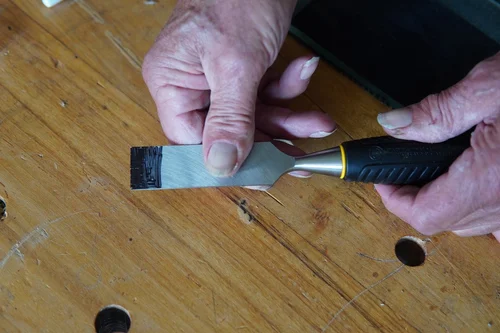
Look for chips, cracks, or rust on the blade. Check the handle for splits or looseness. A damaged chisel can be unsafe and cause poor cuts.
- Examine the cutting edge for nicks or dents.
- Feel the blade for rough or uneven spots.
- Inspect the handle for cracks or loose fit.
- Check for rust patches and clean them promptly.
When To Resharpen Or Replace
Dull chisels reduce control and make work harder. Know when to sharpen or get a new tool to keep precision.
| Condition | Action |
| Blade dull or rough | Resharpen carefully with proper tools |
| Small chips or nicks | Sharpen and smooth edges |
| Deep cracks or broken blade | Replace the chisel |
| Handle loose or cracked | Repair or replace handle |
| Heavy rust damage | Consider replacement |
Frequently Asked Questions
How Often Should I Sharpen My Chisels?
Sharpen your chisels every few hours of use to maintain precision. Regular sharpening ensures clean cuts and prolongs the tool’s life. Use a sharpening stone or honing guide for best results. Frequent sharpening keeps the edge sharp and ready for precise woodworking tasks.
What Is The Best Way To Clean Chisels?
Clean chisels with a dry cloth after each use to remove debris. For stubborn residue, use a mild solvent. Avoid water to prevent rust. Regular cleaning maintains the chisel’s performance and extends its lifespan.
How Do I Prevent Chisel Rust?
Prevent rust by storing chisels in a dry, cool place. Apply a light coat of oil after cleaning. Use rust inhibitors or silica gel packs in storage areas. Regular maintenance keeps chisels rust-free and ready for use.
What Angle Should I Sharpen Chisels At?
Sharpen chisels at a 25 to 30-degree angle for optimal performance. This angle provides a balance between sharpness and durability. Adjust the angle based on specific woodworking needs. Consistent sharpening at the correct angle ensures precision and efficiency.
Conclusion
Maintaining chisels keeps your woodworking sharp and precise. Clean blades after each use to avoid rust. Sharpen edges regularly for better cuts and control. Store chisels safely to protect their tips. Small efforts bring big results in your projects. Enjoy smoother work and longer tool life.
Keep your chisels ready for every job. Quality tools make woodworking easier and more fun. Stay consistent with care to see clear improvements. Simple steps lead to great craftsmanship every time.