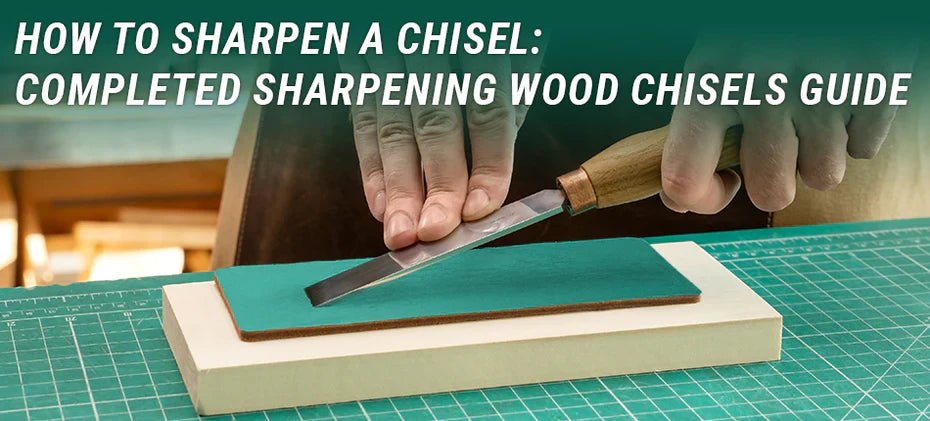
If you love woodworking, you know how important sharp, reliable chisels are for your projects. But even the best chisels lose their edge over time, making your work harder and less precise.
How can you keep your chisels in top shape so every cut feels smooth and effortless? You’ll discover simple, effective ways to maintain your chisels—saving you time, money, and frustration. Whether you’re a beginner or a seasoned woodworker, these tips will help you get the most out of your tools every time you pick them up.
Keep reading to unlock the secrets of chisel care that pros don’t want you to miss!

Credit: daitool.com
Choosing The Right Chisel
Choosing the right chisel is important for woodworking projects. The right chisel helps you work cleanly and safely.
Different chisels suit different tasks. Picking the right one makes your work easier and better.
Types Of Woodworking Chisels
Woodworking chisels come in many types. Each type has a special shape and use.
- Bench Chisels: Good for general carving and paring.
- Mortise Chisels: Strong and thick for cutting deep holes.
- Firmer Chisels: Sturdy for heavy chopping and shaping.
- Paring Chisels: Thin blades for delicate trimming.
- Skew Chisels: Angled blades for fine detail and trimming.
Materials And Build Quality
Chisels are made from different metals and handle materials. Good materials last longer and cut better.
Look for high-carbon steel or chrome-vanadium steel blades. These keep edges sharp and resist rust.
- Steel Blade: Strong and holds sharp edge well.
- Plastic Handles: Lightweight but less durable.
- Wood Handles: Comfortable and traditional grip.
- Rubber Handles: Provide good grip and shock absorption.
Selecting Based On Project Needs
Choose chisels based on the wood type and task. Soft wood needs different chisels than hard wood.
Small projects need fine, sharp chisels. Large projects may require strong, heavy chisels for rough work.
- Fine Detail Work: Use paring or skew chisels.
- Heavy Cutting: Use mortise or firmer chisels.
- General Use: Bench chisels work well for many tasks.
Credit: www.anneofalltrades.com
Sharpening Techniques
Keeping chisels sharp is important for good woodworking. Sharp chisels cut cleanly and safely.
Sharpening needs the right tools and steps. This helps keep the chisel edge strong and sharp.
Tools For Sharpening Chisels
You need some basic tools to sharpen chisels well. These tools help shape and polish the blade.
- Sharpening stones: water stones or oil stones
- Honing guide: keeps the angle steady
- Leather strop: polishes the edge
- Lubricant: water or oil for stones
- Cloth: cleans the chisel and stones
Step-by-step Sharpening Process
Sharpening chisels is simple if you follow these clear steps. Take your time for the best edge.
- Clean the chisel before sharpening.
- Fix the chisel in the honing guide.
- Wet the sharpening stone with water or oil.
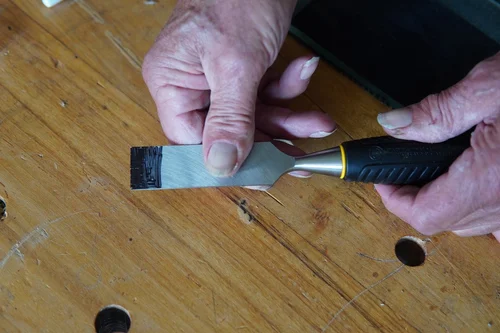
- Push the chisel along the stone, keeping steady pressure.
- Start with coarse grit, then use finer grits.
- Check the edge for a smooth, even finish.
- Use a leather strop to polish the edge last.
Maintaining The Bevel Angle
Keeping the bevel angle steady is key to sharp chisels. The angle affects how the chisel cuts wood.
Use a honing guide to hold the angle. Check the angle before each sharpening to keep it consistent.
- Most chisels use a 25 to 30 degree bevel angle.
- Keep the angle the same for each sharpening session.
- Use a protractor or angle guide to measure if needed.
- Consistent angle keeps the blade sharp longer.
Cleaning And Rust Prevention
Keeping chisels clean and free from rust helps them last longer. Proper care also keeps them sharp and safe to use. This guide covers easy ways to clean and protect your woodworking chisels.
Regular maintenance prevents damage and keeps your tools ready for any project. Focus on removing dirt, applying rust protection, and storing chisels correctly.
Removing Dirt And Debris
After each use, clean your chisels to remove wood chips, dust, and oils. This stops buildup that can damage the metal and handle.
- Wipe the blade with a dry cloth to remove loose dirt.
- Use a soft brush to clean hard-to-reach areas.
- If needed, apply a small amount of mineral spirits on a cloth to remove sticky residue.
- Dry the chisel completely before storing it.
Applying Rust Inhibitors
Rust can ruin your chisels if left unchecked. Use rust inhibitors to form a protective layer on the metal surface.
| Rust Inhibitor Type | How to Apply | Frequency |
| Light Oil (e.g., WD-40) | Spray lightly and wipe off excess | After every use |
| Paste Wax | Rub a thin coat with a soft cloth | Monthly or before long storage |
| Rust Preventive Spray | Spray evenly on blade and handle | After cleaning and drying |
Proper Storage To Avoid Rust
Store chisels in a dry place to reduce moisture exposure. Moisture causes rust and damages wooden handles.
- Keep chisels in a toolbox with a moisture absorber.
- Use blade guards or covers to protect edges.
- Hang chisels on a pegboard or use a rack to keep them off damp surfaces.
- Check stored chisels regularly and reapply rust inhibitors if needed.
Handle Care And Maintenance
Chisel handles need regular care to stay strong and safe. Taking care of the handle helps you work better and avoid accidents.
Wooden handles can last a long time if you check and maintain them often. This guide covers how to inspect, repair, and oil your chisel handles.
Inspecting Handles For Damage
Look at the handle closely before each use. Check for cracks, splits, or loose parts. These signs show the handle might break soon.
Also, check the connection between the handle and the metal blade. A loose fit can be dangerous during work.
- Check for cracks or splits in the wood
- Feel for any loose parts or wobbling
- Look where the handle meets the blade
- Make sure the handle is smooth and not rough
Repairing Wooden Handles
Small cracks can be fixed with wood glue. Apply glue into the crack and clamp it until dry. For bigger damage, sanding or replacing the handle may be needed.
If the handle is loose, try tightening it with a wooden wedge or replace the handle. Never use a chisel with a damaged handle.
- Use wood glue for small cracks
- Clamp the handle until glue dries
- Sand rough or splintered areas
- Replace handle if damage is severe
- Secure loose handles with wooden wedges
Oiling And Conditioning Handles
Oiling wooden handles protects them from drying out and cracking. Use natural oils like linseed or tung oil for best results.
Apply oil with a clean cloth and let it soak in. Wipe off extra oil and repeat every few months or after heavy use.
- Choose natural oils like linseed or tung oil
- Use a clean cloth to apply oil evenly
- Let oil soak into the wood for several minutes
- Wipe off any extra oil
- Oil handles regularly to keep wood healthy
Safe Storage Solutions
Keeping chisels safe is important for woodworking projects. Proper storage protects the tools and keeps your workspace neat.
Good storage stops chisels from getting dull, rusty, or damaged. It also helps you find them quickly when needed.
Protective Cases And Holders
Use cases or holders made for chisels. These protect sharp edges and keep the tools from touching each other.
Wooden or plastic holders are good choices. Some come with slots for each chisel size to stay organized.
- Protects sharp edges from damage
- Keeps tools separated to avoid scratches
- Makes it easy to carry chisels safely
Organizing Your Tool Space
Arrange chisels in a dedicated spot in your workshop. Keep them within reach but out of the way.
Label shelves, drawers, or racks to quickly identify each chisel. This saves time and reduces clutter.
- Use drawer inserts or magnetic strips
- Group chisels by size or type
- Keep the area clean and free of dust
Avoiding Damage During Storage
Store chisels away from moisture to prevent rust. Use silica gel packs or dehumidifiers if needed.
Never store chisels loose in a box. They can chip, dull, or cause injury.
- Keep blades covered with blade guards
- Store handles facing out to avoid damage
- Check tools regularly for signs of wear
Regular Maintenance Schedule
Keeping your chisels sharp and clean helps your woodworking. A good maintenance schedule saves time and effort later.
Follow simple routines daily and deeper care weekly or monthly. Track your work to avoid damage and loss.
Daily Care Tips
Daily care stops rust and keeps chisels ready. Wipe off dust and moisture after each use. Store chisels in a dry place.
- Clean blade with a soft cloth
- Check for chips or dents
- Apply light oil to metal parts
- Keep handles dry and smooth
- Store in a tool rack or box
Periodic Deep Maintenance
Deep cleaning and sharpening keep chisels sharp and safe. Do this every few weeks or after heavy use.
| Task | Frequency | Notes |
| Sharpen blade | Every 2-4 weeks | Use whetstone or sharpening system |
| Remove rust | Monthly | Use fine steel wool or rust remover |
| Check handle tightness | Monthly | Tighten or replace if loose |
| Oil metal parts | Every 2 weeks | Use machine oil or mineral oil |
Tracking Maintenance Activities
Tracking helps you keep chisels in top shape. Use a notebook or app to log care dates and tasks done.
- Date:2024-05-10 – Sharpened blade, oiled metal
- Date:2024-05-17 – Cleaned rust, checked handle
- Date:2024-05-24 – Sharpened blade, wiped clean

Credit: daitool.com
Frequently Asked Questions
How Often Should Chisels Be Sharpened?
Chisels should be sharpened every few woodworking sessions to ensure optimal performance. Regular sharpening maintains a sharp edge, which is essential for clean cuts. The frequency depends on usage and type of wood being worked on. Always check the edge before starting a new project.
What Is The Best Way To Store Chisels?
Store chisels in a protective case or wall-mounted rack to prevent damage. Ensure they are dry and clean before storing to avoid rust. Keep them away from other tools to protect their edges. Proper storage extends their lifespan and maintains their sharpness.
How Do You Remove Rust From Chisels?
To remove rust, use fine-grit sandpaper or a rust eraser. Gently rub the affected area until the rust is gone. Afterward, apply a thin layer of oil to prevent future rusting. Regular maintenance prevents rust buildup and keeps your chisels in top condition.
What Oil Should Be Used On Chisels?
Use a light machine oil or mineral oil for chisels. Apply a thin coat after cleaning or sharpening. This helps prevent rust and keeps the metal in good condition. Regular oiling is essential for maintaining the longevity and performance of your chisels.
Conclusion
Maintaining chisels keeps them sharp and safe to use. Clean blades after each project to stop rust. Sharpen often to ensure smooth cuts every time. Store chisels in a dry place, away from moisture. Regular care saves money and improves your woodworking work.
Small habits make a big difference over time. Keep your chisels ready, and enjoy better results. Simple steps lead to lasting tool performance.