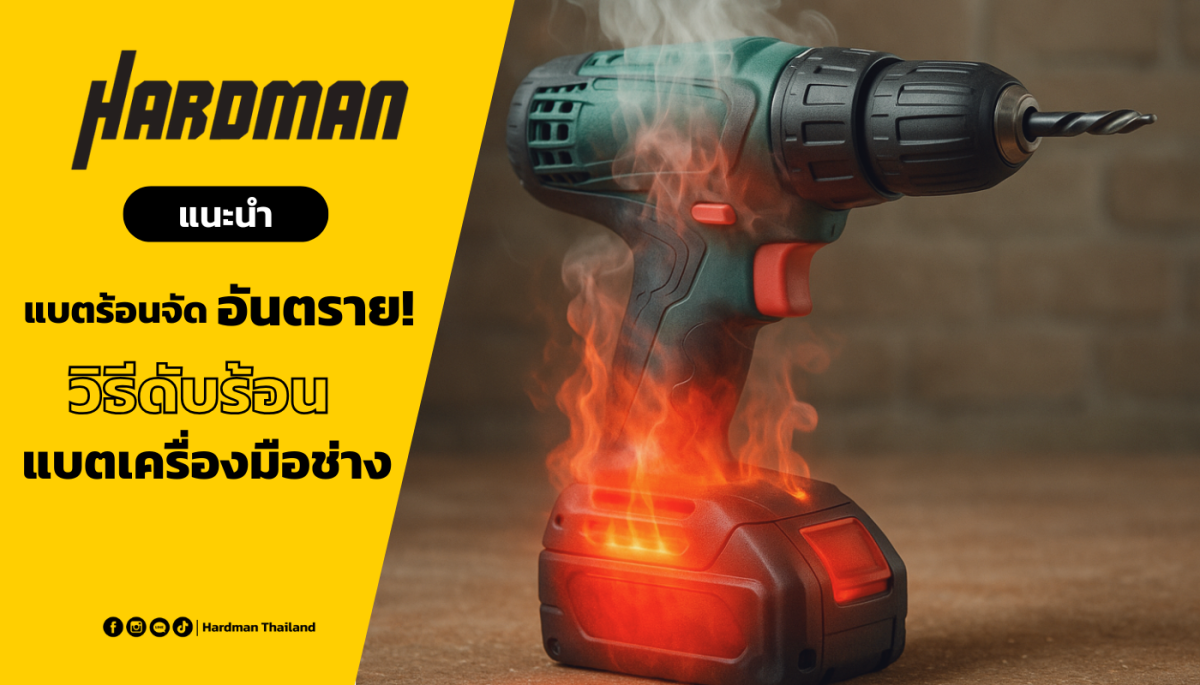
Are you tired of your cordless drill dying in the middle of a project? Imagine reaching for your drill, ready to tackle your next big DIY or home improvement task, only to find the battery is dead or not holding a charge.
Frustrating, right? Proper maintenance of your cordless drill batteries can save you from this hassle, ensuring they last longer and perform at their best. By following a few simple steps, you can boost your battery’s lifespan and reliability. In this guide, we’ll show you how to keep your drill batteries in top shape, so you can focus on what really matters—getting the job done.
Ready to power up your projects without interruptions? Let’s dive in!

Credit: www.youtube.com
Battery Types For Cordless Drills
Cordless drills use different battery types. Each type has its own features and care needs.
Knowing the battery type helps you maintain it properly and extend its life.
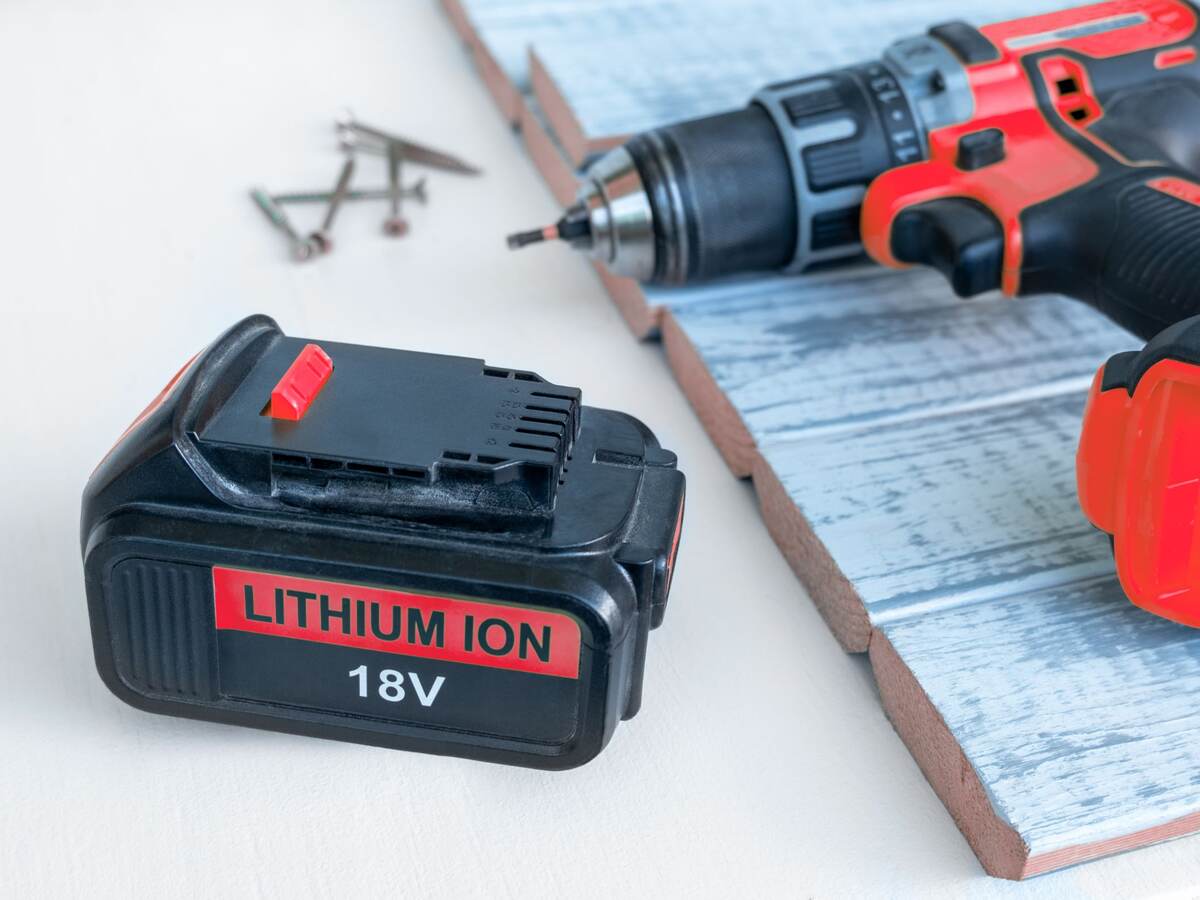
Lithium-ion Batteries
Lithium-ion batteries are common in modern cordless drills. They are light and hold charge well.
These batteries last longer and charge faster than older types. They also have no memory effect.
- Lightweight and compact
- Fast charging
- Longer run time
- No memory effect
Nickel-cadmium Batteries
Nickel-cadmium batteries were popular before lithium-ion. They are tough but heavier.
These batteries can suffer from memory effect. This means they lose capacity if not fully discharged.
- Heavier than lithium-ion
- Durable and strong
- Memory effect can reduce life
- Needs full discharge sometimes
Nickel-metal Hydride Batteries
Nickel-metal hydride batteries are lighter than nickel-cadmium. They hold more charge too.
These batteries have less memory effect than nickel-cadmium. They still need some care to last well.
- Lighter than nickel-cadmium
- Better capacity
- Less memory effect
- Needs occasional full discharge
Credit: www.ul.com
Proper Charging Techniques
Taking care of cordless drill batteries starts with correct charging. Using the right methods helps the battery last longer. It also keeps your drill ready to use when needed.
Understanding how often to charge, avoiding damage, and picking the right charger are key parts. Follow these simple tips to keep your battery healthy.
Charging Frequency
Charge the battery only when needed. Avoid charging the battery too often or letting it run completely empty. This practice helps keep the battery cells healthy.
- Charge after use if battery is low
- Do not leave battery unused for months without charging
- Recharge before the battery is fully drained
- Store battery at half charge if not using for a long time
Avoiding Overcharging
Overcharging can damage the battery and reduce its lifespan. Most modern chargers stop charging when full, but you should still be careful.
| Risk | Effect |
| Overcharging | Battery heats up and weakens |
| Continuous charging | Shorter battery life |
| Leaving battery on charger | Possible damage to battery cells |
Using The Right Charger
Always use the charger made for your drill’s battery. Wrong chargers can cause slow charging or battery harm.
Tips for choosing the right charger:
- Check the charger model matches the battery type
- Use chargers from the drill’s brand if possible
- Avoid cheap, unapproved chargers
- Inspect charger for damage before use
Storage Best Practices
Proper storage keeps your cordless drill batteries healthy. It extends their life and ensures good performance.
Learn how to store batteries safely. Follow these simple tips for the best results.
Ideal Temperature Conditions
Store batteries in places with stable, moderate temperatures. Avoid extreme heat or cold.
| Temperature Range | Effect on Battery |
| Below 32°F (0°C) | Slows performance, risks freezing damage |
| 32°F – 77°F (0°C – 25°C) | Optimal for storage and battery health |
| Above 77°F (25°C) | Speeds up battery aging and capacity loss |
Long-term Storage Tips
For long storage, prepare batteries carefully. Charge them partly before storing.
- Charge batteries to about 40%–60% capacity.
- Remove batteries from the drill.
- Store batteries in a cool, dry place.
- Check and recharge batteries every 3 to 6 months.
Avoiding Moisture Damage
Moisture harms battery cells and causes rust. Keep batteries dry and clean.
Store batteries in sealed containers or plastic bags with silica gel packs. Avoid damp areas like basements or garages.
Regular Maintenance Steps
Keeping your cordless drill batteries in good shape helps them last longer. Regular care ensures they perform well every time you use them.
Follow simple maintenance steps to protect your batteries from damage. These steps include cleaning, inspecting, and balancing the cells.
Cleaning Battery Contacts
Dirty contacts can stop the battery from charging properly. Clean the contacts to keep a strong connection between the battery and drill.
- Turn off and remove the battery from the drill.
- Use a dry cloth or a soft brush to remove dust and dirt.
- If needed, gently rub the contacts with a pencil eraser to remove corrosion.
- Wipe the contacts with a clean, dry cloth before reattaching the battery.
Inspecting For Damage
Check the battery for cracks, leaks, or swelling. Damaged batteries can be unsafe and may not work well.
| Damage Type | Signs to Look For | Action Needed |
|---|---|---|
| Cracks | Visible breaks on battery case | Stop use and replace battery |
| Leaks | Sticky or wet spots on battery | Handle carefully and dispose safely |
| Swelling | Battery looks bloated or misshaped | Do not use; replace immediately |
Balancing Battery Cells
Battery cells can become unbalanced over time. Balancing helps each cell charge evenly and keeps the battery healthy.
- Use a charger with a balancing function if available.
- Charge the battery fully, then discharge it completely.
- Repeat the charge and discharge cycle once or twice.
- Store batteries in a cool, dry place between uses.
Signs Of Battery Wear
Cordless drill batteries wear out over time. Knowing the signs helps you keep them in good shape.
Spotting battery problems early can save you money and keep your tools working well.
Reduced Runtime
A worn battery runs out of power faster. Your drill may stop working sooner than usual.
This means you need to recharge the battery more often than before. It shows the battery is losing capacity.
Overheating Issues
If your battery gets very hot during use or charging, it may be wearing out. Overheating can damage the battery.
High heat can shorten battery life and reduce its performance. Watch for warmth that feels stronger than normal.
- Battery feels hot to touch
- Drill stops working suddenly
- Charger turns off during charging
Physical Swelling
Swelling or bulging of the battery case is a clear sign of damage. It shows the battery cells are failing.
Swollen batteries are unsafe and should not be used. Replace them immediately to avoid hazards.
- Battery shape looks distorted
- Case feels soft or raised
- Battery does not fit properly in the drill
Extending Battery Lifespan
Taking care of cordless drill batteries helps them last longer. Proper use and storage keep batteries healthy.
Following simple steps can protect your batteries from damage and improve their performance over time.
Partial Discharges Vs Full Discharges
Partial discharges mean using some battery power before charging again. Full discharges use all power before recharging.
Partial discharges are better for battery health. Avoid fully draining the battery often to prevent damage.
- Charge the battery when it is around 20-30% full.
- Do not wait until the battery is completely empty.
- Partial charging keeps the battery cells balanced.
Avoiding Extreme Temperatures
High heat or cold can harm battery life. Keep batteries in a cool, dry place for best results.
Do not leave batteries in direct sunlight or freezing temperatures. Both can reduce battery capacity.
- Store batteries indoors at room temperature.
- Avoid charging batteries in very hot or cold areas.
- Let batteries warm up before use if they are cold.
Rotating Multiple Batteries
Using several batteries in rotation spreads out wear and tear. It keeps each battery healthier for longer.
Always fully charge batteries before storing them. Rotate their use to avoid overworking one battery.
- Label batteries to track their use.
- Charge all batteries regularly, even when not in use.
- Use older batteries first to keep them active.
Disposal And Recycling
Cordless drill batteries need careful disposal. They contain chemicals that can harm the environment.
Recycling helps save resources and reduces waste. It is important to follow safe steps for battery disposal.
Safe Disposal Methods
Do not throw batteries in the trash. They can leak harmful chemicals and cause fires.
Take old batteries to designated collection points. Use containers that prevent short circuits.
- Keep batteries dry and cool before disposal
- Cover battery terminals with tape
- Use local hazardous waste drop-off centers
- Never burn or crush batteries
Recycling Programs
Many stores offer battery recycling programs. They collect old batteries for safe processing.
Recycling breaks down batteries to reuse metals and chemicals. This lowers the need for new mining.
- Check with hardware stores or electronics retailers
- Use community recycling events
- Find battery recycling centers online
- Follow program instructions carefully
Environmental Impact
Improper disposal causes soil and water pollution. Toxic metals like lead and cadmium harm wildlife.
Recycling reduces waste in landfills. It helps protect nature and human health.
- Prevents dangerous chemicals from leaking
- Saves energy used in mining new materials
- Supports cleaner air and water
- Reduces greenhouse gas emissions

Credit: www.popularmechanics.com
Frequently Asked Questions
How Often Should I Charge Cordless Drill Batteries?
Charge your cordless drill batteries after every use. Avoid letting them fully discharge. Regular charging extends battery life and maintains performance.
What Is The Best Storage Method For Drill Batteries?
Store batteries in a cool, dry place away from direct sunlight. Keep them partially charged, ideally around 40-60%, to prevent capacity loss.
Can I Use Any Charger For My Cordless Drill Batteries?
Use only the charger designed for your battery type. Using incompatible chargers can damage batteries and reduce their lifespan.
How Do I Clean Cordless Drill Batteries Safely?
Remove the battery from the drill before cleaning. Use a dry cloth to wipe terminals and casing gently. Avoid water or harsh chemicals.
Conclusion
Maintaining cordless drill batteries helps your tools last longer. Store batteries in a cool, dry place to avoid damage. Charge them regularly but avoid overcharging to keep power strong. Clean battery contacts to ensure good connection every time. Use the drill often to keep the battery active and healthy.
Simple habits make a big difference in battery life. Keep these tips in mind for better performance and fewer replacements. Caring for batteries saves money and keeps your work smooth. A little effort leads to lasting power and reliable tools.