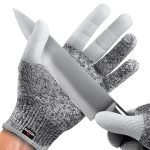
When it comes to safety at work or in the kitchen, your hands are your most valuable tools. That’s why you rely on cut-resistant gloves to protect them from potential hazards.
But here’s the catch: to keep your gloves in top condition, you need to know how to maintain them properly. Imagine this: you’re in the middle of a crucial task, and suddenly, your gloves fail to provide the protection you need.
Sounds risky, right? By understanding the simple steps to maintain your cut-resistant gloves, you can avoid this scenario. You’ll ensure they last longer, save money, and most importantly, keep your hands safe. Dive into this article, and discover the secrets to extending the lifespan of your gloves while enhancing your safety.
Choosing The Right Gloves
Cut-resistant gloves protect your hands from sharp objects. Picking the right gloves helps keep you safe and comfortable.
Different gloves suit different jobs. Look at material, fit, and how you will use them before buying.
Material Types
Gloves come in many materials. Each type offers different levels of cut protection and comfort.
- Kevlar: Strong and heat-resistant, good for sharp tools
- Dyneema: Lightweight and very cut-resistant
- Steel Mesh: Heavy but offers high protection
- HPPE (High-Performance Polyethylene): Flexible and affordable
Proper Fit
Gloves must fit well to protect effectively. Too loose or tight gloves reduce safety and comfort.
Measure your hand size before buying. Check the length and width to find the right size.
- Snug fit allows good hand movement
- Loose gloves can catch on tools
- Tight gloves may cause hand fatigue
Usage Considerations
Think about how you will use the gloves. Some gloves work better for wet or oily conditions.
Replace gloves if they are worn or damaged. Old gloves lose their cut resistance.
- Check gloves for holes or tears before use
- Use gloves with grip if handling slippery items
- Consider breathability for long wear

Credit: www.esafetysupplies.com
Cleaning Techniques
Cut-resistant gloves need proper cleaning to stay effective. Dirt and sweat can reduce their lifespan.
Use gentle methods to clean gloves without harming the protective fibers. This guide covers washing tips and how to avoid damage.
Hand Washing Tips
Hand washing is the safest way to clean cut-resistant gloves. Use mild soap and lukewarm water to protect the material.
- Fill a basin with lukewarm water and add mild soap.
- Gently rub gloves to remove dirt and stains.
- Rinse thoroughly with clean water.
- Squeeze out excess water without twisting.
- Air dry gloves flat away from direct sunlight.
Machine Washing Guidelines
You can machine wash some cut-resistant gloves if the label allows. Use a gentle cycle and avoid harsh detergents.
| Washing Setting | Recommended Action |
|---|---|
| Temperature | Cold or lukewarm water only |
| Cycle | Delicate or gentle |
| Detergent | Use mild, non-bleach detergent |
| Drying | Air dry, no tumble dry |
Avoiding Damage
Taking care to avoid damage will keep gloves strong and reliable. Avoid chemicals and rough handling.
- Do not use bleach or fabric softeners.
- Keep gloves away from sharp edges when wet.
- Never iron or dry clean cut-resistant gloves.
- Store gloves in a cool, dry place.
- Check gloves regularly for tears or wear.
Drying Methods
Proper drying is key to keeping cut-resistant gloves in good shape. The right method stops damage and keeps gloves strong.
This guide covers the best ways to dry your gloves safely and effectively.
Air Drying Benefits
Air drying your cut-resistant gloves is the safest way to keep their quality. This method avoids shrinking and material breakdown.
- Preserves glove shape and fit
- Extends the glove’s lifespan
- Prevents loss of cut resistance
- Reduces risk of fabric damage
- Uses no extra energy or heat
Avoiding Heat Damage
Heat can weaken the fibers in cut-resistant gloves. Avoid dryers or direct sunlight to keep gloves safe.
| Heat Source | Effect on Gloves |
| Clothes Dryer | May shrink or melt fibers |
| Direct Sunlight | Causes color fading and weakens material |
| Heaters or Radiators | Can dry out and crack fabric |
| Air Drying (Shade) | Keeps gloves intact and strong |

Credit: www.smigroupuk.com
Storage Solutions
Proper storage helps cut-resistant gloves last longer. It keeps them clean and safe from damage.
Storing gloves correctly also keeps them ready for use when needed. Avoid places that can harm the gloves.
Ideal Storage Conditions
Store gloves in a cool, dry place away from sunlight. Avoid extreme temperatures that can weaken the material.
- Keep gloves away from direct heat sources
- Use sealed containers to prevent dust and moisture
- Store gloves flat or hung to keep their shape
- Do not fold or crush gloves during storage
Preventing Wear And Tear
Check gloves regularly for signs of damage. Clean gloves gently after use to remove dirt and sweat.
| Action | Reason |
|---|---|
| Inspect gloves for cuts or holes | Ensures safety and protection |
| Wash gloves with mild soap and water | Removes contaminants without damage |
| Air dry gloves fully before storage | Prevents mold and material breakdown |
| Replace gloves if worn or damaged | Maintains proper cut resistance |
Regular Inspection
Regular inspection of cut-resistant gloves is essential for safety. Checking gloves helps find damage early.
Inspect gloves before and after use. This prevents accidents caused by worn-out gloves.
Signs Of Wear
Look for visible damage on your gloves. Any cut, tear, or hole reduces protection.
- Frayed or loose fibers
- Thin or worn spots
- Discoloration or stains
- Hard or stiff areas
- Broken seams
When To Replace Gloves
Replace gloves if you notice any signs of wear. Damaged gloves cannot protect your hands well.
| Condition | Action |
| Small cuts or tears | Replace gloves immediately |
| Worn or thin areas | Stop using and replace |
| Stiff or hard gloves | Replace to maintain flexibility |
| Broken seams | Do not use, replace |
Extending Glove Lifespan
Cut-resistant gloves protect your hands from sharp objects. Keeping them in good shape saves money and ensures safety.
Proper care helps gloves last longer and work better. Learn simple ways to maintain your gloves every day.
Proper Usage Habits
Use gloves only for the tasks they are designed for. Avoid over stretching or tearing them by handling carefully.
- Put gloves on clean, dry hands to reduce wear.
- Remove gloves gently without pulling hard on fingers.
- Store gloves in a cool, dry place away from sunlight.
- Inspect gloves regularly for holes or damage.
- Replace gloves immediately if they show signs of wear.
Avoiding Contaminants
Keep gloves free from chemicals, oils, and dirt that can weaken fibers. Clean gloves after use to remove harmful substances.
| Contaminant | Effect on Gloves | Cleaning Method |
| Oil and grease | Softens fibers | Wash with mild detergent |
| Harsh chemicals | Breaks down material | Rinse thoroughly with water |
| Dirt and dust | Causes abrasion | Brush off or rinse |

Credit: www.amazon.com
Frequently Asked Questions
How Often Should I Clean Cut-resistant Gloves?
Clean your cut-resistant gloves after every use to remove dirt and contaminants. Follow manufacturer guidelines for washing. Proper cleaning maintains glove integrity and extends lifespan.
Can I Machine Wash Cut-resistant Gloves?
Some cut-resistant gloves are machine washable, but check the label first. Use gentle cycles and mild detergent. Avoid bleach or fabric softeners to prevent damage.
How Do I Store Cut-resistant Gloves Properly?
Store gloves in a cool, dry place away from direct sunlight. Avoid folding or compressing them to maintain shape and effectiveness. Proper storage prevents premature wear.
When Should I Replace Cut-resistant Gloves?
Replace gloves if you notice cuts, tears, or thinning material. Damaged gloves lose protective properties and increase injury risk. Regularly inspect gloves before each use.
Conclusion
Maintaining cut-resistant gloves keeps them safe and strong. Clean gloves gently and dry them fully. Store gloves in a cool, dry place away from sunlight. Check gloves often for holes or wear. Replace gloves if they lose protection or get damaged.
Proper care helps gloves last longer and protects your hands better. Simple steps make a big difference in safety. Stay safe by giving your gloves the care they need.