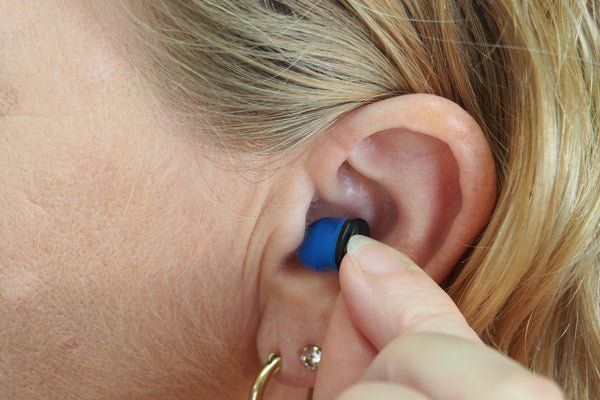
Are you using ear plugs regularly? If yes, you might not realize how important it is to take good care of them.
Proper maintenance can keep your ear plugs clean, comfortable, and effective for a long time. Imagine slipping in dirty or worn-out ear plugs—uncomfortable, right? You’ll discover simple and practical steps to maintain your ear plugs. By the end, you’ll know exactly how to protect your ears and get the best performance from your ear plugs every time you use them.
Keep reading to find out how easy it is to keep your ear plugs in top shape!
Choosing The Right Ear Plugs
Choosing the right ear plugs helps protect your ears from loud sounds and noise. It also makes sure you stay comfortable while wearing them.
There are different types, materials, and sizes to consider. This guide will help you pick ear plugs that fit well and work best for you.
Types Of Ear Plugs
Ear plugs come in several types, each made for different uses. Some block sound completely, while others reduce noise a bit.
- Foam ear plugs: Soft and disposable, good for sleeping or loud environments.
- Silicone ear plugs: Moldable and reusable, fit well for swimming or noise reduction.
- Wax ear plugs: Shape to your ear, great for sleeping and noise blocking.
- Custom ear plugs: Made to fit your ears exactly, often used by musicians or workers.
Material Considerations
The material of ear plugs affects comfort and protection. Some materials block sound better, while others feel softer in your ears.
| Material | Comfort | Noise Reduction | Use |
| Foam | High | High | Single use, noisy places |
| Silicone | Medium | Medium | Reusable, swimming, noise |
| Wax | High | Medium | Sleeping, noise blocking |
| Custom Molded | Very High | High | Long term, specific needs |
Finding The Perfect Fit
Good fit is key to keeping ear plugs in place and working well. Try different sizes and shapes to find your best match.
- Measure your ear canal size or try various sizes if available.
- Look for plugs that feel snug but not painful.
- Make sure the plugs stay in place during activities.
- Replace plugs if they get worn or lose shape.

Credit: www.earpeace.com
Daily Cleaning Techniques
Keeping ear plugs clean helps keep your ears healthy. Dirt and bacteria can cause infections. Daily cleaning removes buildup and germs.
Use gentle methods to clean your ear plugs. This keeps them working well and lasting longer.
Safe Cleaning Methods
Use mild soap and warm water to clean your ear plugs. Avoid harsh chemicals that can damage the material. Soft cloths or your fingers work best to clean them gently.
- Rinse ear plugs under warm water
- Use mild soap to remove dirt
- Gently rub with fingers or a soft cloth
- Rinse off soap completely
- Dry with a clean towel or air dry
Cleaning Frequency
Clean ear plugs daily if you use them every day. This stops wax and dirt from building up. If you use them less often, clean them after each use.
| Usage | Cleaning Frequency |
| Daily use | Clean every day |
| Occasional use | Clean after each use |
| Reusable foam plugs | Clean weekly or as needed |
| Silicone or plastic plugs | Clean after each use |
Avoiding Damage During Cleaning
Be gentle when cleaning ear plugs. Rough scrubbing can cause tears or cracks. Avoid boiling or using strong chemicals. Keep plugs away from sharp objects.
- Do not scrub hard or use abrasive tools
- Never boil ear plugs unless manufacturer allows it
- Do not use bleach or alcohol-based cleaners
- Store plugs in a clean, dry case after drying
Proper Storage Practices
Storing ear plugs correctly helps keep them clean and safe. Proper storage also extends their life and keeps your ears healthy.
Bad storage can cause dirt buildup and damage the ear plugs. Follow simple steps to store ear plugs the right way.
Using Protective Cases
Always store ear plugs in a protective case when not in use. The case stops dust, dirt, and other particles from reaching them.
Use a clean, hard case designed for ear plugs. Soft bags or pockets can let germs and dirt inside.
- Choose cases with ventilation holes to avoid moisture buildup
- Keep the case clean by wiping it regularly
- Do not share cases with others to avoid germs
Keeping Ear Plugs Dry
Moisture damages ear plugs and encourages bacteria growth. Keep them dry before storing.
If ear plugs get wet, dry them with a clean cloth or air dry completely. Do not store damp ear plugs in the case.
- Dry ear plugs after swimming or sweating
- Store only dry ear plugs in their case
- Replace ear plugs if they stay damp for long
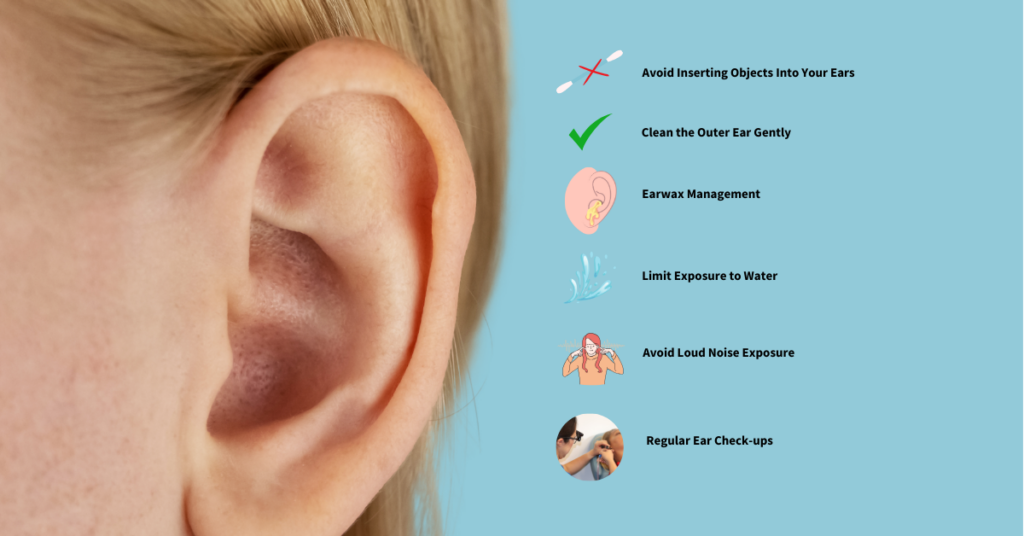
Preventing Contamination
Keep ear plugs free from germs by handling them with clean hands. Avoid touching the part that goes in the ear.
Clean ear plugs regularly with mild soap and water. Let them dry fully before storing to stop bacteria growth.
- Wash hands before touching ear plugs
- Use clean water and mild soap to clean ear plugs
- Do not share ear plugs with others
Credit: crystalclearclinic.com.au
When To Replace Ear Plugs
Ear plugs help protect your ears from loud sounds and water. They need care and proper maintenance to work well.
Knowing when to replace ear plugs keeps them safe and effective. This guide covers signs, hygiene, and timing for replacement.
Signs Of Wear And Tear
Ear plugs can get damaged from frequent use. Watch for cracks, hardening, or loss of shape. These signs mean they no longer fit well.
- Cracks or tears in the material
- Loss of softness or flexibility
- Deformed shape that no longer fits snugly
- Sticky or sticky feeling on the surface
Hygiene Concerns
Using dirty ear plugs can cause ear infections. Ear wax and dirt build up over time. Clean them regularly, but replace if cleaning is not enough.
| Hygiene Issue | Why Replace |
| Build-up of ear wax | Can block ear plugs and cause infections |
| Foul odor | Shows bacteria growth |
| Sticky or slimy texture | Hard to clean and unsafe to reuse |
Replacement Frequency
Replace ear plugs regularly even if they look fine. The lifespan depends on the type and use. Some need more frequent replacement than others.
- Foam ear plugs: replace after 1 to 3 uses
- Silicone ear plugs: replace every 1 to 2 months
- Wax ear plugs: replace after each use
- Custom molded ear plugs: replace yearly or as advised
Tips For Enhancing Comfort
Wearing ear plugs can protect your ears from loud sounds and water. Comfort is important to make sure you keep them on for a long time. This guide shares tips to help you feel better when using ear plugs.
Small changes in how you use ear plugs can make a big difference. These tips cover fitting, using sprays or lubricants, and caring for your ear health.
Adjusting Fit For Comfort
Proper fit is key to comfort and protection. Ear plugs that are too tight or loose can cause pain or fall out. Try these steps to find the best fit.
- Roll foam ear plugs into a small, tight cylinder before inserting.
- Hold the ear plug gently and insert it slowly into your ear canal.
- Use your finger to press the ear plug in place until it expands.
- Try different sizes or types if the plug feels uncomfortable.
- Do not push the plug too deep to avoid ear damage.
Using Lubricants Or Sprays
Lubricants or sprays can help make ear plugs easier to insert and remove. They also reduce skin irritation. Use only products made for ears.
| Type | Use | Benefit |
| Water-based sprays | Spray inside ear plug or ear canal | Moisturizes skin and eases insertion |
| Silicone lubricants | Apply a small amount on ear plug surface | Reduces friction and prevents irritation |
| Mineral oil | Use sparingly on ear plug edges | Keeps skin soft and prevents dryness |
Managing Ear Health
Good ear health helps keep comfort high and prevents infections. Clean your ears and ear plugs regularly to stay safe.
- Wash ear plugs with warm water and mild soap after each use.
- Dry ear plugs completely before storing them.
- Do not share ear plugs to avoid germs.
- Keep your ears dry and clean.
- See a doctor if you feel pain or itchiness in your ears.

Credit: www.amazon.com
Frequently Asked Questions
How Often Should I Clean My Ear Plugs?
You should clean your ear plugs after every use. This prevents dirt and bacteria buildup. Regular cleaning extends their lifespan and maintains hygiene, ensuring safe and effective ear protection.
What’s The Best Way To Store Ear Plugs?
Store ear plugs in a clean, dry case when not in use. Avoid exposure to moisture, dust, and direct sunlight. Proper storage keeps them hygienic and prevents damage or deformation.
Can I Use Soap To Clean Ear Plugs?
Yes, mild soap and warm water effectively clean most ear plugs. Avoid harsh chemicals as they can damage the material. Rinse thoroughly and dry completely before reuse to maintain safety and comfort.
When Should I Replace My Ear Plugs?
Replace ear plugs if they show wear, tear, or loss of shape. Also, replace if cleaning doesn’t remove dirt or odor. Regular replacement ensures optimal protection and hygiene.
Conclusion
Caring for ear plugs keeps them effective and comfortable. Clean them regularly with mild soap and water. Dry thoroughly before use. Store them in a clean, dry case. Replace them when they show wear or lose shape. Proper maintenance extends their life.
It ensures your ears stay protected. Small efforts can make a big difference. Consistency is key in maintaining ear plug hygiene. Keep these tips in mind, and your ear plugs will serve you well. Protect your hearing, and enjoy a quieter world.