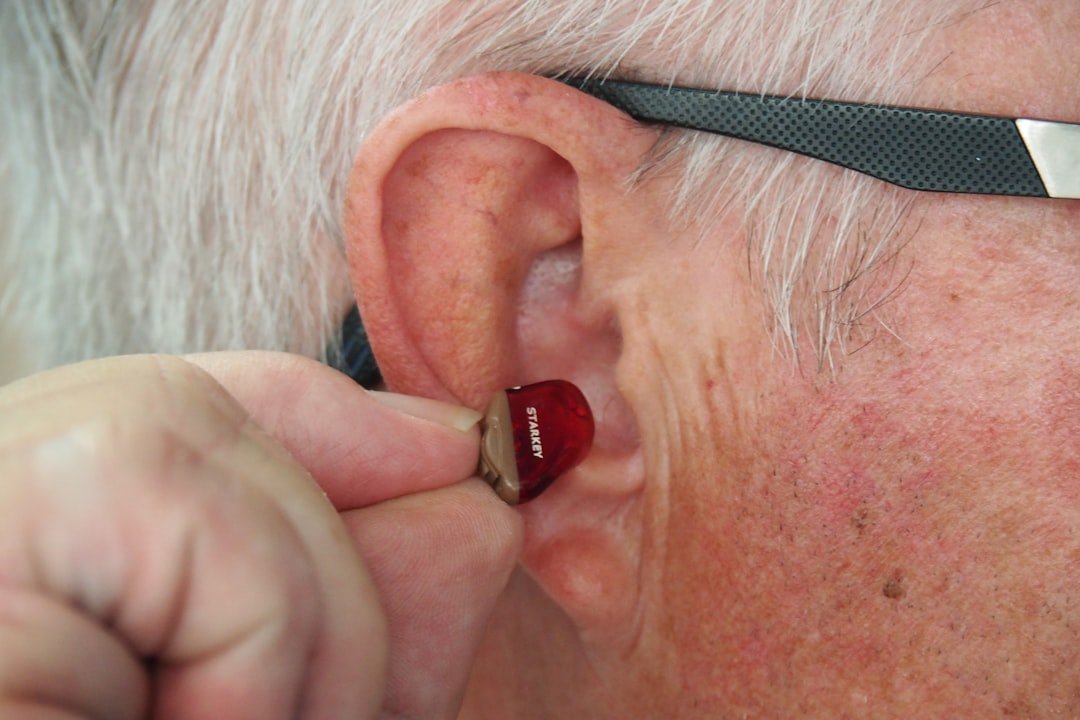
Imagine this: You’re settling in for a peaceful night’s sleep or getting ready for a long day at work, and your trusty ear plugs are your go-to for blocking out unwanted noise. But just like any other tool you rely on, ear plugs need a little TLC to stay in top condition.
If you’ve ever wondered why your ear plugs aren’t as effective as they once were, or you’re tired of constantly replacing them, you’re in the right place. Taking just a few simple steps can make a world of difference in extending the life of your ear plugs.
By maintaining them properly, you not only save money but also ensure that you’re getting the best possible protection and comfort every time you use them. In this guide, we’ll explore the secrets to keeping your ear plugs in prime condition for the long haul. Stick around, and discover how to make your ear plugs last longer, while maximizing their effectiveness and comfort.

Credit: www.amazon.ca
Choosing Durable Ear Plugs
Picking ear plugs that last a long time helps protect your ears better. Durable ear plugs save money and keep you safe.
Good ear plugs are comfortable and strong. This guide shows how to find the best ones.
Materials That Last
Ear plugs come in different materials. Some materials stay strong and clean longer than others.
Silicone and hard foam are popular for lasting use. They resist wear and keep their shape well.
- Silicone:Soft, flexible, and easy to clean.
- Hard Foam:Durable and molds to your ear shape.
- Wax:Less durable but good for one-time use.
Selecting The Right Fit
Ear plugs must fit well to protect your ears. A wrong fit lets noise in and feels uncomfortable.
Look for ear plugs in different sizes. Choose the size that seals your ear canal without pain.
- Test multiple sizes to find your best fit.
- Soft materials adjust better to ear shape.
- Replace plugs that become loose or damaged.
Daily Cleaning Techniques
Cleaning ear plugs every day helps keep them safe to use. Dirt and bacteria can build up fast. Proper cleaning stops infections and keeps plugs working well.
Using the right methods and materials is key. Avoid harsh chemicals that can damage the ear plugs or irritate your ears.
Safe Cleaning Solutions
Use gentle solutions to clean ear plugs. Soap and water work best for most types. Avoid alcohol or bleach as they can harm the material.
- Mix warm water with mild liquid soap.
- Soak ear plugs for a few minutes.
- Gently rub to remove dirt and wax.
- Rinse with clean water to remove soap.
- Do not use strong chemicals or solvents.
Proper Drying Methods
Drying ear plugs properly stops mold and bacteria growth. Use soft towels or air dry them in a clean place.
| Drying Method | Instructions |
| Soft Cloth | Pat dry gently with a clean towel. |
| Air Dry | Place on a clean surface in a dry area. |
| Avoid Heat | Do not use hairdryers or direct sunlight. |
Storage Best Practices
Proper storage helps keep ear plugs clean and safe. Good storage can extend their life.
Storing ear plugs correctly stops damage and contamination. It makes them ready for use anytime.
Ideal Storage Containers
Use containers that protect ear plugs from dirt and dust. Choose small cases that close tightly.
Containers should be easy to clean and dry quickly. Avoid soft bags that let dust inside.
- Hard plastic cases work well for protection
- Cases with ventilation holes help air dry ear plugs
- Keep containers away from moisture and heat
- Label containers to avoid mix-ups
Avoiding Contaminants
Keep ear plugs away from dirt, oils, and chemicals. Contaminants can cause ear infections.
Wash your hands before handling ear plugs. Store them in clean places to avoid germs.
- Do not store ear plugs in pockets or loose bags
- Clean ear plugs before storing to remove earwax
- Avoid storing near food or chemicals
- Replace ear plugs if they become sticky or misshapen
Credit: harleysthearing.co.uk
Inspecting For Wear And Tear
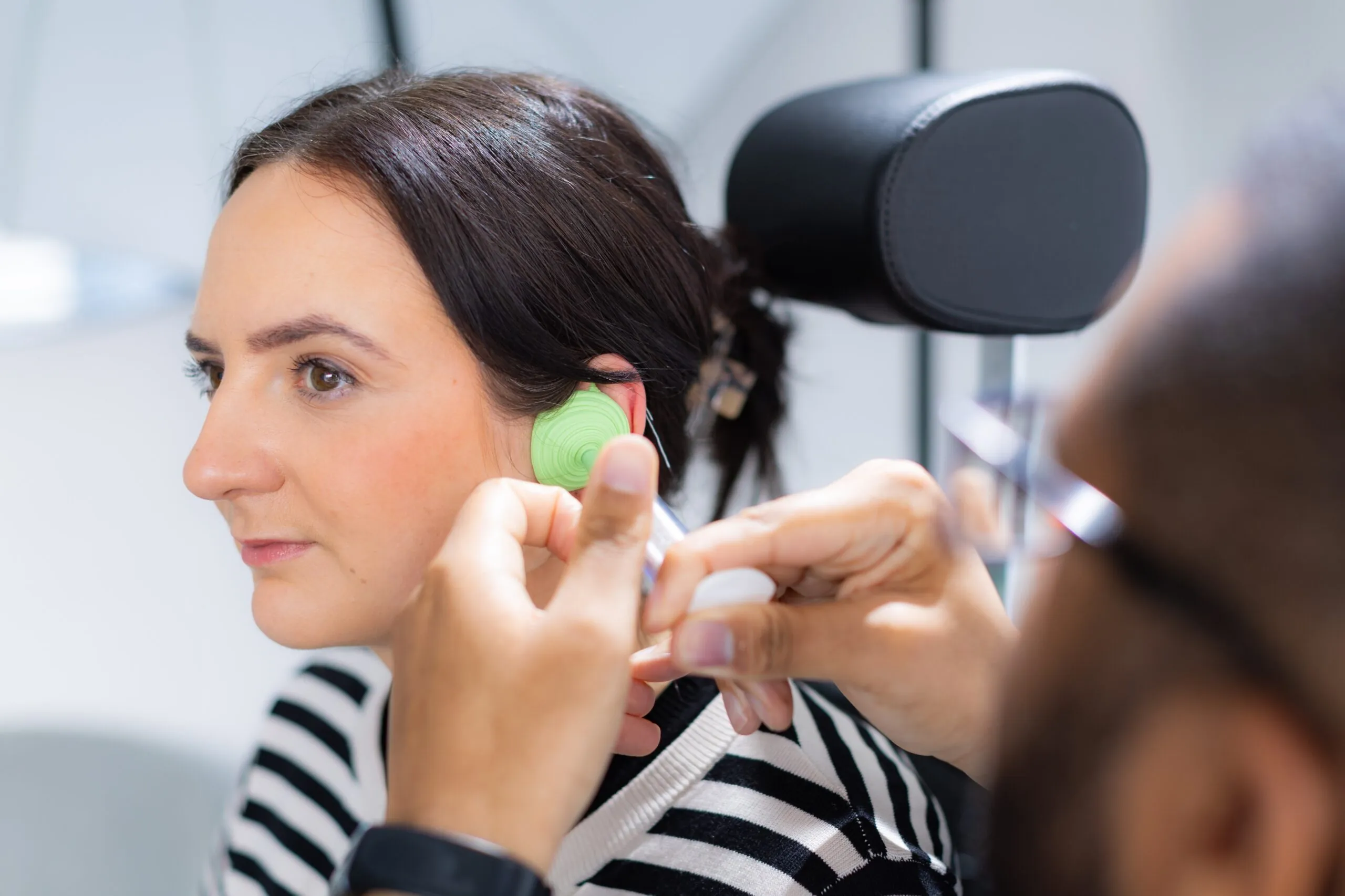
Regular inspection helps keep ear plugs safe and effective. Checking for damage protects your ears and ensures good noise blocking.
Look closely at your ear plugs before and after each use. Small tears or dirt can reduce their lifespan and performance.
Signs Of Damage
Damage can make ear plugs uncomfortable or less protective. Watch for cracks, tears, or hardening of the material. Discoloration or dirt buildup also signals trouble.
- Cracks or splits in the ear plug surface
- Sticky or hardened texture instead of soft and flexible
- Discoloration or stains that don’t wash off
- Dirt or wax buildup inside or outside
- Loss of shape or size changes
When To Replace Ear Plugs
Replace ear plugs if you notice any damage or if they lose comfort. Using damaged plugs can lead to ear pain or poor noise protection.
| Condition | Action |
| Small tears or cracks | Replace immediately |
| Sticky or hard texture | Replace soon |
| Clean but worn out | Replace regularly |
| Visible dirt or wax buildup | Clean or replace |
| Loss of shape | Replace immediately |
Handling Tips To Extend Life
Ear plugs need careful handling to last a long time. Proper use and care keep them clean and effective.
Small habits can prevent damage. Follow these tips to protect your ear plugs every day.
Avoiding Excessive Stretching
Stretching ear plugs too much can cause them to lose shape or tear. Be gentle when inserting or removing them.
- Hold the ear plug firmly but softly before use.
- Do not pull or twist excessively.
- Use clean hands to avoid slipping and stretching.
- Store ear plugs in a small container to keep their form.
Minimizing Exposure To Heat And Chemicals
Heat and chemicals can break down ear plug materials quickly. Keep them away from such damage sources.
| Risk Factor | Effect on Ear Plugs | How to Avoid |
| High Heat | Softens and deforms material | Store in cool, dry places |
| Chemical Cleaners | Breaks down surface and causes brittleness | Use mild soap and water only |
| Sunlight | Causes discoloration and weakens material | Keep away from direct sunlight |
Maintaining Hygiene For Ear Health
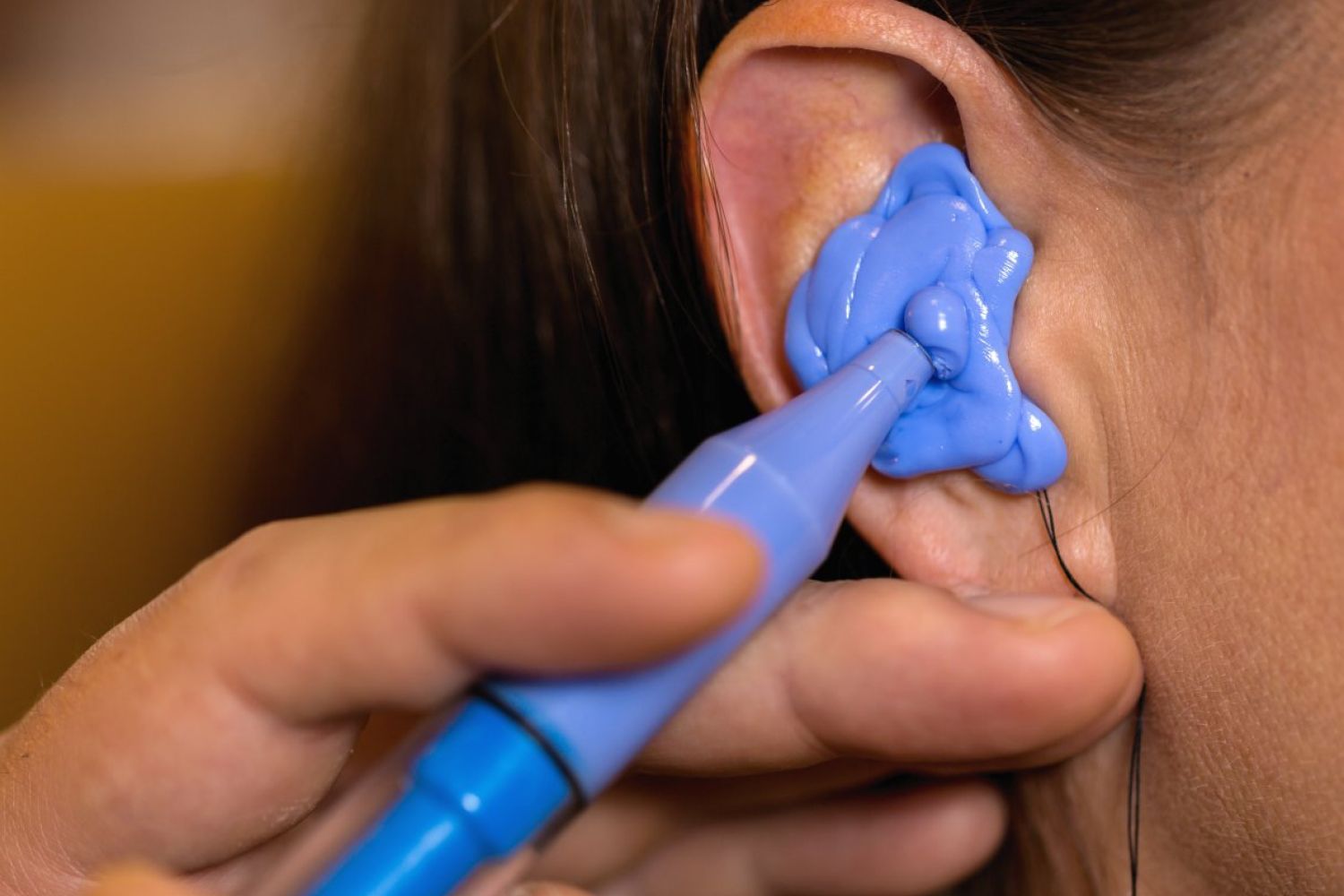
Using ear plugs regularly needs good care. Clean ear plugs protect your ears well.
Keeping ear plugs clean stops germs from growing. This helps avoid ear problems.
Preventing Ear Infections
Dirty ear plugs can cause infections. Clean them after each use to stay safe.
- Wash ear plugs with mild soap and warm water.
- Rinse well to remove all soap.
- Dry completely before storing to stop bacteria.
- Do not share ear plugs with others.
- Replace ear plugs if they get damaged or worn out.
Regular Ear Care Routine
Clean your ears gently. Avoid using sharp objects inside the ear canal.
| Task | How to Do It |
| Cleaning Ear Plugs | Use soap and warm water, then dry well |
| Storing Ear Plugs | Keep in a clean, dry case after drying |
| Inspecting Ear Plugs | Check for cracks or dirt before each use |
| Ear Hygiene | Wipe outer ear with a clean cloth regularly |
Credit: tohs.co.nz
Frequently Asked Questions
How Often Should I Clean My Ear Plugs?
Clean ear plugs after each use to prevent bacteria buildup. Use warm water and mild soap, then air dry thoroughly.
Can I Reuse Foam Ear Plugs Safely?
Foam ear plugs can be reused a few times if cleaned properly. Replace them when they lose shape or become dirty.
What Is The Best Way To Store Ear Plugs?
Store ear plugs in a clean, dry case to avoid dirt and damage. Keep them away from extreme heat or moisture.
How Do I Know When To Replace Ear Plugs?
Replace ear plugs if they show signs of wear, dirt, or reduced effectiveness. Regular replacement ensures optimal hearing protection.
Conclusion
Proper care helps your ear plugs last much longer. Clean them regularly with mild soap and water. Store them in a dry, safe place after use. Avoid sharing to keep them hygienic. Check for damage before each use to ensure safety.
Small steps keep your ear plugs effective and comfortable. Taking care today saves money and protects your ears tomorrow. Simple habits make a big difference in long-term use. Keep these tips in mind for lasting ear plug performance.