
Your garden shears are one of your most valuable tools for keeping plants healthy and your garden looking neat. But if you don’t take care of them, they can quickly become dull, rusty, or even break.
Imagine struggling with blunt blades or stuck joints just when you need to trim that overgrown bush. Wouldn’t it be great to keep your shears sharp and smooth all season long? You’ll discover simple, practical tips to maintain your garden shears so they work like new every time you pick them up.
Keep reading and learn how a little care can save you time, money, and frustration.

Credit: trendtales.site
Choosing The Right Garden Shears
Garden shears help keep plants neat and healthy. Picking the right shears makes gardening easier and safer.
Think about what plants you will cut and how often you will use the shears. This helps you find the best tool for your garden.
Types Of Garden Shears
There are several types of garden shears. Each type fits different cutting needs in the garden.
- Bypass Shears:Have two blades that pass each other like scissors. Good for live plants.
- Anvil Shears:Have one sharp blade that cuts against a flat surface. Best for dry or dead wood.
- Hedge Shears:Large, with long blades for trimming hedges and bushes.
- Pruning Shears:Small and easy to use for detailed trimming and shaping.
Materials And Build Quality
Good materials and strong build make shears last longer and work better. Look for sharp blades and solid handles.
| Material | Benefits | Drawbacks |
| Stainless Steel | Rust-resistant, stays sharp | Can be more expensive |
| Carbon Steel | Very sharp, durable | May rust if not cared for |
| Aluminum Handles | Lightweight, easy to use | Less durable than steel |
| Fiberglass Handles | Strong and shock absorbent | Can be heavier |
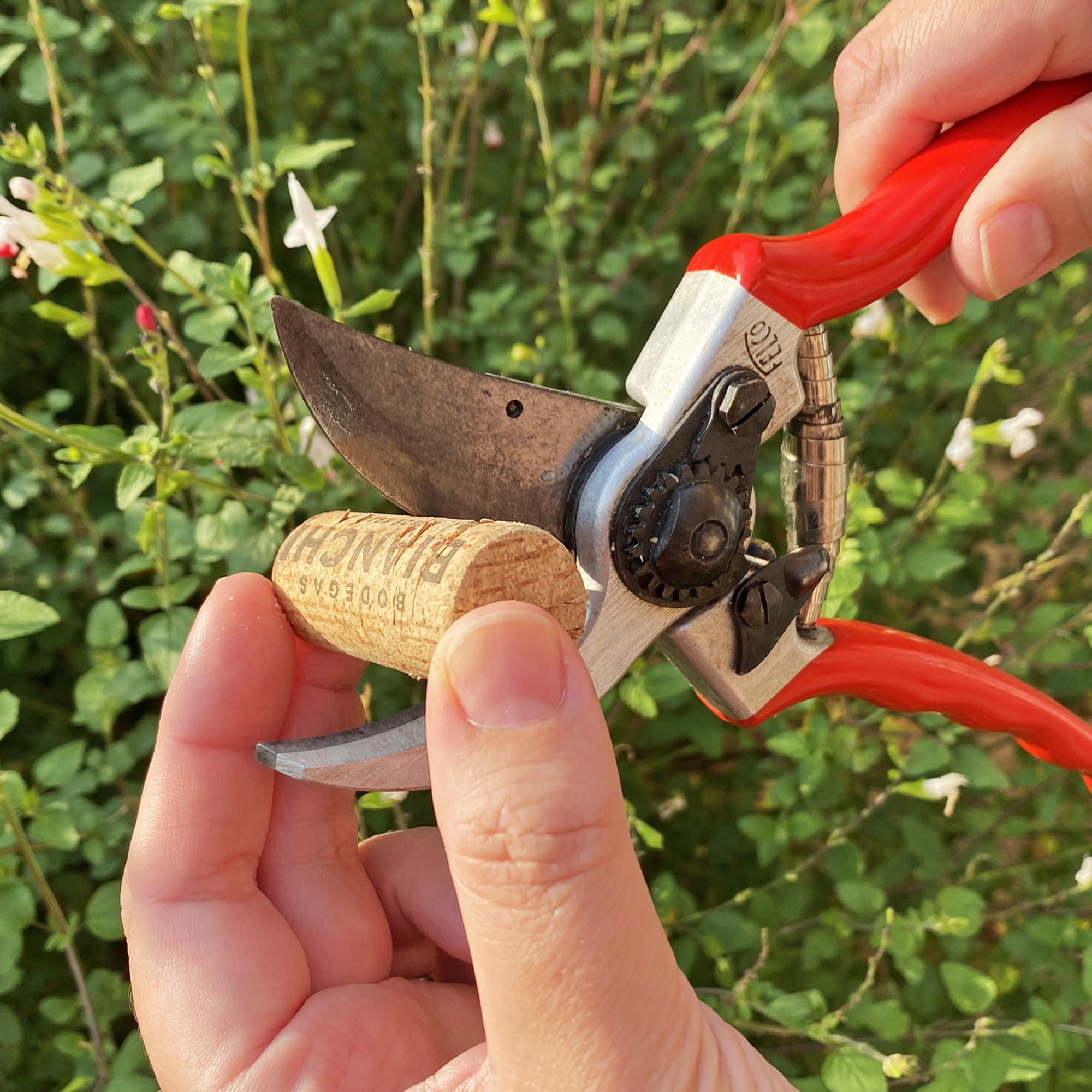
Credit: www.gardeningknowhow.com
Cleaning After Use
Cleaning garden shears after every use keeps them sharp and rust-free. Dirt and sap can build up on the blades. This can make cutting harder and damage the tool over time.
Proper cleaning helps your shears last longer and work better. Use simple methods to remove dirt and sticky sap from the blades.
Removing Sap And Dirt
Remove sap and dirt quickly before they dry on the blades. Use a cloth or brush to wipe off loose dirt. For sticky sap, use a gentle cleaning method.
- Wipe blades with a cloth soaked in warm, soapy water.
- Use a soft brush to scrub dirt from hard-to-reach spots.
- Apply rubbing alcohol or vinegar on a cloth to dissolve sap.
- Rinse blades with clean water to remove any residue.
- Dry blades completely with a soft towel to prevent rust.
Best Cleaning Tools And Solutions
Choosing the right tools and cleaning solutions makes the job easier and safer for your shears. Avoid harsh chemicals that can damage the metal.
| Tool or Solution | Purpose | Notes |
|---|---|---|
| Soft cloth | Wiping blades clean | Use lint-free for best results |
| Soft-bristle brush | Removing stuck dirt | Use an old toothbrush or paintbrush |
| Warm soapy water | General cleaning | Mild dish soap works well |
| Rubbing alcohol | Removing sap and disinfecting | Apply with a cloth or cotton ball |
| White vinegar | Dissolving sap | Use diluted to avoid blade damage |
| Dry towel | Drying blades | Prevents rust and corrosion |
Sharpening Techniques
Keeping garden shears sharp helps you cut plants cleanly and easily. Dull blades can damage plants and make your work harder.
This guide covers when to sharpen your shears, tools you need, and a simple sharpening process.
When To Sharpen
Check your garden shears often for signs of dullness. Sharpen the blades if you notice these problems:
- Blades do not cut cleanly and tear plants
- Extra force is needed to cut branches
- Blades look rough or have nicks
- Rust or sticky residue builds up on blades
Tools For Sharpening
You need a few tools to sharpen your garden shears safely and well. Here are common tools and their uses:
| Tool | Purpose |
| Sharpening stone | Smooths and sharpens blade edges |
| Flat file | Removes dull metal quickly |
| Lubricant oil | Keeps blades moving smoothly |
| Cleaning cloth | Wipes dirt and oil off blades |
| Protective gloves | Protects hands during sharpening |
Step-by-step Sharpening Guide
Follow these steps to sharpen your garden shears safely and effectively.
- Wear protective gloves before you start.
- Clean the blades with a cloth to remove dirt and sap.
- Use a flat file to remove any big nicks or rust spots.
- Hold the sharpening stone at a 20-degree angle to the blade edge.
- Move the stone along the blade in one direction, away from your body.
- Repeat the motion about 10 times for each blade.
- Wipe the blades clean and apply lubricant oil to prevent rust.
- Test the sharpness by cutting a small branch.
Lubrication And Rust Prevention
Garden shears need care to work well and last long. Lubrication and rust prevention are key parts.
Keeping your shears clean and oily stops rust and keeps the blades sharp and smooth.
Choosing Lubricants
Use light oils made for tools to keep shears moving well. Avoid thick or sticky oils.
Common choices include machine oil, WD-40, or special garden tool oils. These stop rust and help blades glide.
- Machine oil works well for metal parts
- WD-40 cleans and protects from rust
- Garden tool oils are made for outdoor tools
Applying Oil Correctly
Clean your shears before oiling. Wipe dirt and old oil off the blades and joints.
Apply a few drops of oil to the pivot point and blade edges. Open and close shears to spread oil evenly.
- Use a cloth to wipe off extra oil
- Oil after every use or at least once a month
- Check for rust spots and oil those areas well
Storage Tips To Avoid Rust
Store shears in a dry place to stop rust. Moisture causes metal to corrode quickly.
Keep shears in a tool box or hang them on a wall. Avoid leaving them outside or on wet surfaces.
- Wipe shears dry before storing
- Use silica gel packs to absorb moisture
- Apply oil before long storage periods
- Check shears regularly for rust signs
Regular Inspection And Repairs
Garden shears need regular care to work well. Checking them often helps keep them sharp and safe to use.
Fixing small problems early stops bigger damage. This saves money and time in the long run.
Checking For Damage
Look at the blades for chips or cracks. Sharp blades cut better and hurt less.
Check the handles for cracks or loose parts. Broken handles can cause accidents.
- Inspect blades for rust or dullness
- Look for loose screws or bolts
- Check handles for cracks or splits
- Test the spring for proper tension
Tightening And Replacing Parts
Use a screwdriver or wrench to tighten loose screws and bolts. Tight parts keep the shears working well.
Replace parts that are broken or too worn. New springs and screws help the shears last longer.
- Tighten pivot bolt to keep blades aligned
- Replace damaged springs for good tension
- Change worn or broken handles
- Use matching parts for safety and fit

Credit: trendtales.site
Safe Handling And Storage
Garden shears need proper care to stay sharp and safe. Handling and storing them carefully helps prevent accidents and damage.
This guide explains how to carry and store your garden shears safely to keep them in good condition.
Proper Carrying Techniques
Carrying garden shears correctly protects you and others from injury. Always hold the shears by the handle with blades closed.
- Keep blades pointed down and away from your body.
- Use a sheath or blade cover if available.
- Carry shears with the sharp edge facing backward.
- Do not run or walk fast while holding shears.
- Avoid carrying shears in pockets or bags without protection.
Storing Shears Safely
Storing garden shears properly prevents rust and keeps blades sharp. Store them in a dry place away from children’s reach.
| Storage Method | Benefits |
| Hanging on a pegboard | Keeps blades dry and visible |
| In a locked toolbox | Prevents children’s access and damage |
| Using blade covers | Protects blades and prevents injury |
| Dry storage area | Prevents rust and corrosion |
Frequently Asked Questions
How Do You Clean Garden Shears Properly?
To clean garden shears, first remove any plant residue using a stiff brush. Then, wash the blades with warm soapy water. Rinse them well and dry with a soft cloth. Finally, apply a few drops of oil to prevent rusting and ensure smooth operation.
How Often Should Garden Shears Be Sharpened?
Sharpen garden shears every few months or whenever they become dull. Regular sharpening ensures clean cuts and reduces plant damage. Use a sharpening stone or file, following the blade’s angle. Keeping blades sharp prolongs their life and enhances your gardening experience.
What Oil Is Best For Garden Shears?
Use mineral oil or a specialized tool oil for garden shears. These oils prevent rust and ensure smooth operation. Avoid vegetable oils, as they can become sticky. Apply oil after cleaning and drying the shears for the best results, maintaining their longevity and performance.
Can Garden Shears Be Repaired If Damaged?
Yes, garden shears can be repaired if damaged. Replace worn-out parts like springs or blades. For minor damage, use a sharpening stone to restore edges. For major issues, consult a professional or consider replacement. Regular maintenance reduces the likelihood of severe damage.
Conclusion
Maintaining garden shears keeps them sharp and ready to use. Clean blades prevent rust and help cuts stay smooth. Regular oiling stops parts from sticking or breaking. Tighten screws to keep the shears steady and safe. Store shears in a dry place to avoid damage.
Simple care saves money and makes gardening easier. Take small steps often for the best results. Your garden tools will last longer and work better. Care today means healthy plants tomorrow. Easy habits make a big difference.
