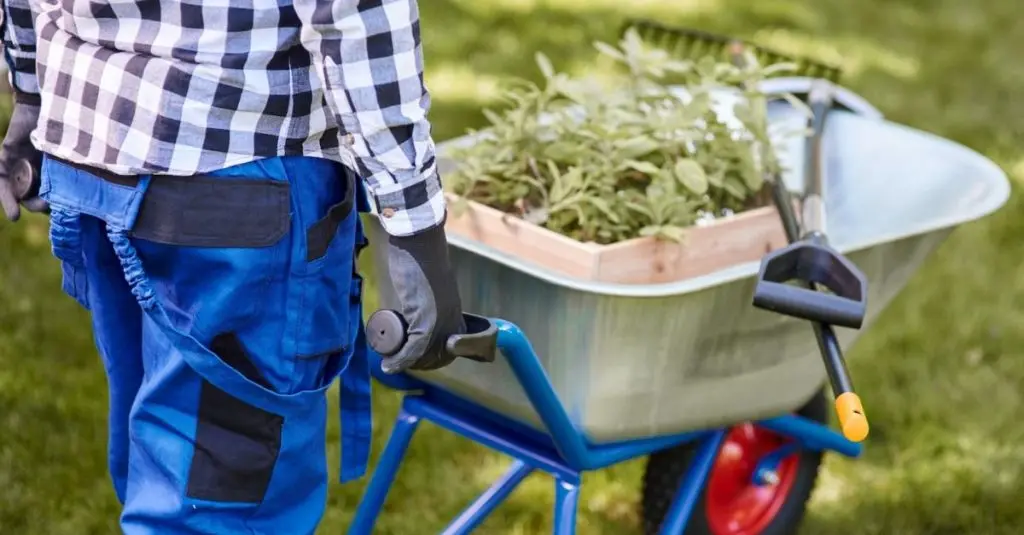
Are you tired of your garden wheelbarrow giving up on you just when you need it the most? A well-maintained wheelbarrow can be your best ally in the garden, making chores easier and more efficient.
But neglecting it can lead to frustration and unexpected expenses. Imagine saving time, energy, and money by simply giving your wheelbarrow the care it deserves. In this guide, you’ll discover simple yet effective strategies to extend the life of your garden wheelbarrow.
Whether you’re a seasoned gardener or just starting out, these tips will help you keep your trusty tool in top shape, ensuring that it serves you faithfully season after season. Stay with us and transform your gardening experience with a wheelbarrow that works as hard as you do.
Credit: www.theempowerededucatoronline.com
Choosing The Right Wheelbarrow
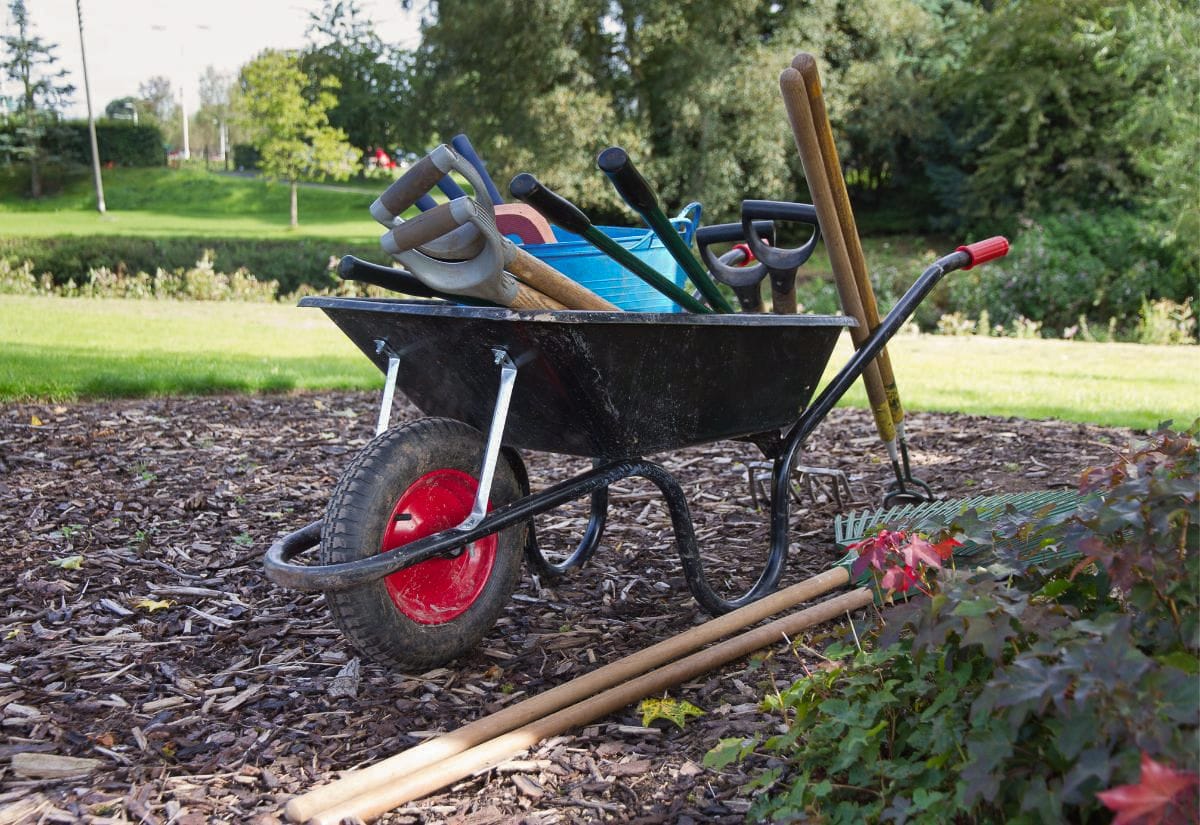
Picking the right wheelbarrow helps you work better in your garden. It can last longer if you choose it well. This guide covers what to look for in materials, wheels, and size.
Knowing the parts of a wheelbarrow makes it easier to pick one that fits your needs. Let’s start with the materials it is made from.
Materials And Durability
Wheelbarrows are usually made of wood, steel, or plastic. Steel is very strong but can rust if left outside. Plastic is light and does not rust, but it can crack under heavy loads. Wood looks good but can rot if wet for a long time.
- Steel:Strong and durable, but needs care to avoid rust.
- Plastic:Lightweight and rust-proof, good for light work.
- Wood:Good for light loads, can rot if not stored well.
Wheel Types And Benefits
Wheelbarrows come with different wheel types. Each has its own benefits. Pneumatic wheels have air inside and are good on rough ground. Solid wheels do not go flat and need less care. Some wheelbarrows have two wheels for better balance.
| Wheel Type | Benefits |
| Pneumatic (Air-filled) | Good shock absorption, smooth on rough terrain |
| Solid (Rubber or Plastic) | Flat-proof, low maintenance |
| Two Wheels | Better balance, easier to push |
Size And Load Capacity
Wheelbarrows come in different sizes and can carry various loads. A bigger tub holds more but can be harder to push. A smaller one is lighter and easier to handle. Choose one that fits the weight and size of your usual garden tasks.
- Small size: Easy to handle, good for light loads.
- Medium size: Best for most garden jobs.
- Large size: Holds heavy loads but needs more effort to push.
Credit: 104homestead.com
Regular Cleaning Practices
Keeping your garden wheelbarrow clean helps it last longer. Dirt and rust can damage it over time.
Regular cleaning stops buildup and keeps the wheelbarrow working well.
Removing Dirt And Debris
Start by removing loose dirt and debris. Use a brush or broom to clear the wheelbarrow.
Rinse the wheelbarrow with water to wash off stubborn mud and grime.
- Brush off dry soil and leaves
- Use a hose or bucket of water
- Scrub stuck dirt with a stiff brush
Cleaning Tools And Supplies
Use simple tools for cleaning your wheelbarrow. A brush, hose, and mild soap work well.
Avoid harsh chemicals that can harm the metal or paint of the wheelbarrow.
- Stiff bristle brush for scrubbing
- Garden hose or water bucket
- Mild dish soap or biodegradable cleaner
- Rags or sponges for wiping
Drying And Storage Tips
After cleaning, dry the wheelbarrow well to stop rust. Use a cloth or air dry in the sun.
Store the wheelbarrow in a dry place. Keep it off wet ground to avoid moisture damage.
- Wipe down with a dry cloth
- Let it air dry completely
- Store indoors or under cover
- Place on wood or bricks, not dirt
Preventing Rust And Corrosion
Garden wheelbarrows face rust and corrosion from wet and dirty conditions. Protecting them helps keep them useful for years.
Simple care steps reduce rust risks and keep your wheelbarrow in good shape.
Protective Coatings
Apply protective coatings to metal parts to block moisture and air. This stops rust from starting.
- Use rust-resistant paint on metal surfaces
- Apply a thin layer of oil or grease to moving parts
- Consider spray-on sealants for added protection
- Check coatings regularly and reapply as needed
Rust Removal Techniques
Remove rust quickly to stop it from spreading. Use safe tools and cleaners to protect the metal.
| Method | How to Use | Tools Needed |
| Wire Brush | Scrub rust off the surface | Wire brush, gloves |
| Sandpaper | Sand rust spots smooth | Sandpaper, dust mask |
| Vinegar Soak | Soak small parts in vinegar overnight | Container, white vinegar |
| Rust Remover | Apply chemical remover as directed | Rust remover, gloves |
Storage In Dry Places
Keep your wheelbarrow in a dry place to avoid rust from moisture. Indoors or covered storage works best.
- Store under a roof or tarp to keep off rain
- Keep wheelbarrow off wet ground using bricks or wood
- Ensure good air flow to dry any moisture quickly
- Empty dirt and debris after each use to prevent moisture buildup
Lubricating Moving Parts
Keeping your garden wheelbarrow in good shape needs regular care. Lubricating moving parts helps it work smoothly.
This stops rust and wear. It also makes pushing and steering easier.
Wheel Bearings Maintenance
Wheel bearings allow the wheel to spin freely. Dirt and rust can stop them from turning well.
Clean the bearings with a dry cloth before adding lubricant. This keeps the wheel rolling smoothly.
- Remove dirt and dust from the bearings
- Apply lubricant to the bearing surface
- Check for wear and replace if needed
Handle And Axle Care
The handle and axle move when you use the wheelbarrow. They need lubrication to avoid stiffness and rust.
Wipe them clean and apply grease or oil. This helps the parts turn easily and last longer.
- Clean handles and axle from dirt
- Lubricate joints and moving areas
- Check tightness of bolts and nuts
Recommended Lubricants
Choose the right lubricant for your wheelbarrow parts. Use oil or grease made for metal tools.
Dry lubricants work well in dusty places. Wet lubricants protect better from water and rust.
- Light machine oil for wheel bearings
- Grease for handle joints and axle
- Dry spray lubricant for dusty conditions
- Water-resistant grease for wet environments
Inspecting For Damage
Regular inspection keeps your garden wheelbarrow strong and safe. Check it carefully for any damage or wear.
Spotting problems early helps you fix them before they get worse. Focus on the frame, tires, handles, and fasteners.
Checking Frame Integrity
Look over the wheelbarrow’s frame for cracks, rust, or bends. These issues weaken the structure and can cause accidents.
Use a bright light to see small cracks. Tap the frame lightly with a tool to find weak spots. Clean off dirt to see damage clearly.
Spotting Tire Wear
Check the tire for bald spots, cracks, or flat areas. Proper tire care helps your wheelbarrow roll smoothly.
- Look for uneven wear on the tire surface
- Press the tire to check if it holds air well
- Remove stones or debris stuck in the tread
- Replace the tire if it shows deep cracks or holes
Handle And Fastener Checks
| Part | What to Check | Action if Damaged |
|---|---|---|
| Handles | Cracks, splinters, looseness | Smooth rough spots, tighten or replace |
| Bolts and Screws | Rust, looseness, missing parts | Tighten, clean rust, replace missing |
| Fasteners | Wear or bending | Replace with new fasteners |
Repairing Common Issues
Garden wheelbarrows often face wear from heavy use. Fixing small problems early keeps them working longer. This guide covers common repairs you can do at home.
Regular checks and simple fixes prevent bigger damage. Learn how to repair punctured tires, tighten loose bolts, and replace worn parts with easy steps.
Fixing Punctured Tires
Punctured tires slow down your work and can cause accidents. To fix a puncture, remove the wheel from the frame and take off the tire. Check the inner tube for holes by inflating it and listening for air leaks.
- Find the puncture by submerging the tube in water and looking for bubbles.
- Dry the tube completely before patching.
- Use a tire patch kit to cover the hole, following the kit’s instructions.
- Reinstall the tube and tire on the wheel.
- Inflate the tire to the recommended pressure.
Tightening Loose Bolts
Loose bolts make the wheelbarrow unstable and unsafe. Check bolts on handles, legs, and the wheel axle regularly. Use a wrench to tighten any that feel loose. Avoid overtightening, which can strip the threads or break bolts.
| Common Bolt Location | Tool Needed | Tip |
| Handle joints | Adjustable wrench | Hold the handle steady while tightening |
| Wheel axle | Socket wrench | Check both sides of the axle |
| Leg braces | Spanner | Make sure legs are aligned before tightening |
Replacing Worn Parts
Parts like wheel bearings, handles, and tire tubes wear out over time. Replace these parts to keep the wheelbarrow working well. Use parts that fit your model for best results.
Here are signs that parts need replacement:
- Cracked or splintered handles
- Worn or flat tires that cannot hold air
- Loose or noisy wheel bearings
- Rusted or bent frame parts
Replacing parts early saves money and avoids bigger repairs later.
Seasonal Maintenance Tips
Garden wheelbarrows need care to last many years. Seasonal maintenance helps keep them in good shape.
Each season brings tasks to protect your wheelbarrow. Follow these tips to avoid damage and wear.
Preparing For Winter Storage
Before winter, clean your wheelbarrow well. Remove dirt and debris to prevent rust and damage.
Store your wheelbarrow in a dry, sheltered place. Keep it off the ground to avoid moisture buildup.
- Wash off mud and plant material
- Dry completely before storing
- Check tires for air pressure
- Apply a light coat of oil on metal parts
- Cover with a waterproof tarp if outside
Spring Readiness Checks
In spring, inspect your wheelbarrow for winter wear. Look for rust, loose parts, and flat tires.
Fix small problems before heavy use starts. Tighten bolts and pump air into tires.
- Check handles for cracks or splinters
- Lubricate wheel bearings
- Remove rust with a wire brush
- Replace damaged or worn parts
- Test wheel for smooth rolling
Adjusting For Heavy Use Periods
During busy gardening times, watch your wheelbarrow closely. Heavy loads can cause extra wear.
Take breaks and check the wheelbarrow often. Clean mud and debris to avoid damage.
- Do not overload beyond weight limits
- Keep wheel properly inflated
- Clean after each use to prevent rust
- Store in shade to protect from sun damage
- Inspect handles and frame weekly

Credit: www.navyprofessional.com
Frequently Asked Questions
How Often Should I Clean My Garden Wheelbarrow?
Clean your wheelbarrow after every use to remove dirt and debris. This prevents rust and prolongs its life. Use water and mild soap, then dry thoroughly to avoid moisture damage.
What Is The Best Way To Store A Wheelbarrow?
Store your wheelbarrow in a dry, sheltered place. Keep it off the ground to avoid moisture. Cover it with a tarp if storing outdoors to protect from rain and sun.
How Do I Prevent Rust On A Wheelbarrow?
Apply a rust-resistant paint or coating regularly. Clean and dry your wheelbarrow after use. Inspect for scratches and touch up paint to prevent rust formation.
When Should I Lubricate Wheelbarrow Parts?
Lubricate the wheel and axle monthly or after exposure to water. Use light machine oil to ensure smooth movement and reduce wear. Regular lubrication extends the wheelbarrow’s lifespan.
Conclusion
Taking care of your garden wheelbarrow saves you money and time. Clean it after each use to stop rust and dirt build-up. Tighten bolts and check tires often for smooth work. Store it in a dry place to avoid damage from rain.
Small steps protect your wheelbarrow and keep it working well. A well-maintained wheelbarrow makes gardening easier and more fun. Keep these simple habits, and your tool will last for many seasons. Ready for your next garden task? Your wheelbarrow will be too.