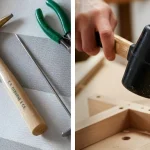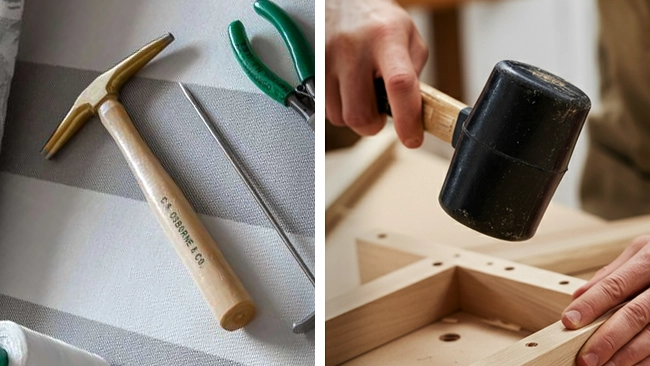
You rely on your hammers and mallets every day to get the job done right. But have you ever stopped to think about how you’re taking care of these essential tools?
Proper maintenance can save you time, money, and frustration by keeping your tools sharp, safe, and ready for action. You’ll discover simple, effective ways to maintain your hammers and mallets so they last longer and work better. Keep reading, and you’ll learn the secrets to making your tools feel like new every time you pick them up.

Credit: pavetool.com
Choosing Quality Tools
Choosing the right hammer or mallet helps you work better. Quality tools last longer and feel comfortable.
Look for tools made with strong materials and good design. This guide shows what to check before buying.
Materials That Last
Good materials keep hammers and mallets strong and safe. Steel heads resist dents and cracks. Wooden handles absorb shock well.
- Steel heads offer durability and strength.
- Fiberglass handles resist weather and wear.
- Hickory wood handles balance weight and shock absorption.
- Rubber or plastic mallet heads prevent damage to surfaces.
Ergonomic Designs
Ergonomic hammers and mallets reduce hand strain and improve control. Look for comfortable grips and balanced weight.
| Design Feature | Benefit |
| Soft rubber grip | Reduces slipping and improves comfort |
| Curved handle | Fits hand shape for better control |
| Balanced head and handle | Less fatigue during use |
| Shock absorber | Protects hand from impact |
Cleaning After Use
Keeping your hammers and mallets clean after each use helps them last longer. Dirt and debris can damage their surfaces if left on too long.
Proper cleaning also ensures safe handling and better performance in your next project.
Removing Dirt And Debris
Start by removing loose dirt and debris from the tool. This prevents buildup that can cause wear or rust.
- Use a dry brush or cloth to wipe off dirt
- Tap the hammer or mallet gently to dislodge stuck particles
- Check the handle and head for any hidden debris
- For wooden handles, avoid soaking to prevent swelling
Safe Cleaning Methods
After removing dirt, clean the tool using safe methods to protect its materials and finish.
| Material | Recommended Cleaning Method |
| Steel or Metal Head | Wipe with a damp cloth and dry immediately |
| Wooden Handle | Use a slightly damp cloth; avoid soaking |
| Rubber or Plastic Grip | Clean with mild soap and water, then dry |
| Leather Mallet Head | Brush off dirt; avoid water to prevent damage |
Proper Storage Solutions
Keeping hammers and mallets in good shape needs the right storage. Proper storage stops damage and keeps tools ready to use.
Learn simple ways to store your tools safely. This helps them last longer and work better.
Avoiding Moisture Damage
Moisture can cause rust and weaken your hammers and mallets. Store them in dry places away from water and damp air.
- Use a toolbox with a tight lid to keep moisture out
- Place silica gel packs inside storage areas to absorb humidity
- Keep tools off the ground to avoid contact with spills or wet floors
- Wipe tools dry before storing after use
Organizing Your Workspace
A tidy workspace helps you find hammers and mallets fast. It also prevents damage from clutter or dropping tools.
| Storage Option | Benefits |
| Wall-mounted racks | Saves space and keeps tools visible |
| Tool drawers with dividers | Organizes tools by size and type |
| Magnetic strips | Easy access and prevents rolling |
| Toolboxes with compartments | Protects tools during transport |

Credit: rockandtools.com
Regular Inspection
Regular inspection is important to keep hammers and mallets safe and effective. Checking them often helps find problems early.
Look closely at your tools before and after use. This helps you spot any damage or wear that may cause accidents.
Checking For Cracks And Wear
Cracks or wear can weaken the head of your hammer or mallet. Check the metal or wooden head carefully for any signs of damage.
Also look for dents or chips that could affect how the tool works. Do not use tools with big cracks or deep damage.
- Look for small cracks or splits on the head
- Check for dents or chips on striking surfaces
- Feel for loose parts or unusual movement
- Replace the head if damage is severe
Identifying Handle Issues
Handles can break or loosen over time. Check the handle for cracks, splinters, or signs of wear.
Make sure the handle fits tightly to the head. A loose handle can cause accidents and reduce control.
- Look for cracks or splinters on the handle
- Check the handle for swelling or shrinking
- Test if the head feels loose or wobbly
- Replace or repair the handle if needed
Repairing Damages
Hammers and mallets can get damaged from regular use. Fixing these damages helps keep them safe and useful.
Two common issues are loose handles and worn heads. Fixing these problems extends the tool’s life.
Fixing Loose Handles
Loose handles make hammers and mallets unsafe to use. You can fix this by tightening or replacing the handle.
- Check if the handle moves inside the head.
- Remove the head carefully from the handle.
- Sand the handle to fit tightly into the head.
- Use wood glue or wedges to secure the handle.
- Let the glue dry before using the tool again.
Replacing Worn Heads
Worn heads reduce the tool’s effectiveness. Replacing them restores strength and safety.
| Tool Type | Head Material | Replacement Tips |
|---|---|---|
| Claw Hammer | Steel | Match weight and size of old head |
| Wooden Mallet | Hardwood | Choose similar wood for balance |
| Rubber Mallet | Rubber | Pick same hardness level |
Lubrication And Protection
Keeping hammers and mallets in good shape helps them last longer. Lubrication and protection stop damage from daily use.
Simple care steps keep wooden handles strong and metal parts rust-free. This makes your tools safer and easier to use.
Oiling Wooden Handles
Wooden handles can dry out and crack over time. Oiling keeps the wood smooth and strong.
Use linseed oil or mineral oil for best results. Apply a small amount with a cloth and let it soak in.
- Clean the handle before oiling
- Apply oil evenly along the wood
- Wipe off any extra oil
- Repeat every few months for good care
Preventing Rust On Metal Parts
Metal parts can rust if left wet or dirty. Rust weakens the tool and makes it unsafe to use.
Keep metal clean and dry. Use light oil like machine oil to protect the surface.
- Wipe metal after use to remove moisture
- Apply a thin layer of oil to metal parts
- Store tools in a dry place
- Check for rust and clean it off quickly
Safe Usage Practices
Using hammers and mallets safely helps prevent injuries and tool damage. Proper care keeps them working well for a long time.
Follow simple rules to avoid accidents and extend the life of your tools. Safety should always come first.
Avoiding Misuse
Misusing hammers or mallets can cause harm or break the tool. Always use them only for their intended tasks.
- Do not strike hardened surfaces with wooden mallets.
- Avoid using a hammer as a pry bar or wrench.
- Never use a hammer with a loose or cracked handle.
- Do not hit metal with a rubber mallet.
- Wear safety goggles to protect your eyes from flying debris.
Using The Right Tool For The Job
Select the correct hammer or mallet type based on the material and task. This reduces damage and improves work quality.
| Tool Type | Best Use | Material |
| Claw Hammer | Driving and removing nails | Steel head, wooden or fiberglass handle |
| Ball Peen Hammer | Metal shaping and riveting | Hardened steel head |
| Rubber Mallet | Gentle tapping without surface damage | Rubber head |
| Wooden Mallet | Carving and woodworking joints | Hardwood head and handle |

Credit: hardwoodfloorsmag.com
Frequently Asked Questions
How Often Should I Clean My Hammer And Mallet?
Clean your hammer and mallet after every use to remove dirt and debris. Regular cleaning prevents rust and maintains tool efficiency. Use a dry cloth or mild soap and water for cleaning. Ensure tools are completely dry before storage.
What Is The Best Way To Store Hammers And Mallets?
Store hammers and mallets in a dry, cool place to avoid rust and damage. Use tool racks or pegboards to keep them organized. Avoid leaving tools on the ground or exposed to moisture.
How Can I Prevent Rust On Hammers And Mallets?
Prevent rust by keeping tools dry and applying a light coat of oil. Regularly inspect metal parts for any signs of corrosion. Store tools in a moisture-free environment and clean them after use.
When Should I Replace A Hammer Or Mallet Handle?
Replace the handle if it shows cracks, splinters, or looseness. A damaged handle compromises safety and tool performance. Choose a handle made from durable materials like hickory or fiberglass for longevity.
Conclusion
Proper care of hammers and mallets extends their life. Clean them regularly to prevent rust. Check handles for cracks or wear. Replace damaged parts promptly for safety. Store in a dry place to avoid moisture damage. Use the right tool for each job to reduce wear.
Regular maintenance saves money and ensures efficiency. With simple steps, your tools stay reliable and effective. Keep them in good shape, and they’ll serve you well.