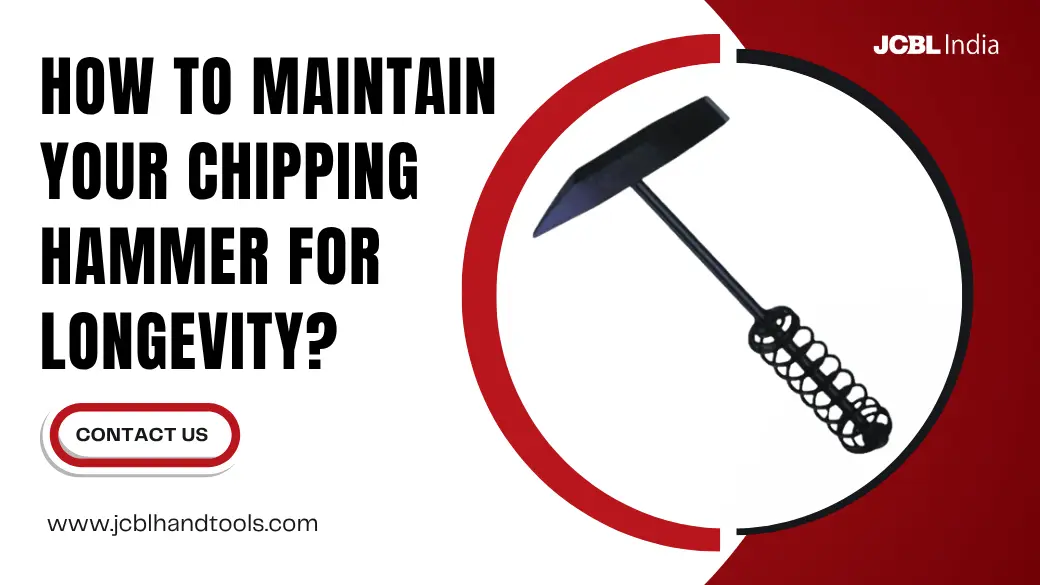
Your hammer is more than just a tool—it’s an investment that can last for years if you take care of it properly. Imagine reaching for your hammer and finding it rusty, worn out, or even unsafe to use.
That frustration can be avoided with simple habits that keep your hammer in top shape. You’ll discover easy, practical tips to maintain your hammer for longevity. By following these steps, you’ll save money, work more efficiently, and enjoy the satisfaction of a tool that’s always ready when you need it.
Keep reading to learn how to protect your hammer and make it last a lifetime.
Choosing The Right Hammer
Picking the right hammer is key to making your work easier. The right hammer lasts longer and fits the job well.
Knowing the types and materials helps you choose a hammer that stays strong and works better.
Types Of Hammers
There are many hammer types for different jobs. Choosing the right type helps protect the tool and your work.
- Claw hammers are good for nails and pulling them out.
- Ball-peen hammers work well for metal shaping.
- Framing hammers are heavy and used in construction.
- Sledgehammers are for breaking hard materials.
- Tack hammers are small and used for light tasks.
Materials And Build Quality
Hammer strength depends on the materials used. Good build quality means the hammer lasts longer and feels safe.
Steel heads are strong and resist wear. Handles can be wood, fiberglass, or steel. Each has pros and cons.
- Wood handles absorb shock but may break over time.
- Fiberglass handles are durable and reduce vibration.
- Steel handles are very strong but can transfer shock.
- Check for a secure head-to-handle connection.
- Look for smooth finishes to prevent splinters or blisters.
Credit: fluidtechhydraulics.com
Regular Cleaning Techniques
Keeping your hammer clean helps it last longer. Dirt and rust can damage the tool over time. Regular cleaning keeps the hammer in good shape.
Use simple methods to remove dirt and rust. This guide shows easy ways to care for your hammer.
Removing Dirt And Debris
After using a hammer, dirt and debris can stick to it. Clean the head and handle to avoid damage. A clean hammer works better and lasts longer.
- Wipe the hammer with a dry cloth to remove loose dirt.
- Use a stiff brush to clean stuck debris.
- Apply mild soap with water for tough grime.
- Dry the hammer fully to prevent rust.
- Check the handle for cracks or splinters and sand if needed.
Cleaning Rust And Corrosion
Rust weakens the hammer’s metal. Remove rust quickly to keep the tool strong. Use simple tools and cleaners to handle corrosion.
| Rust Cleaning Method | How to Use | Notes |
|---|---|---|
| Steel Wool or Wire Brush | Rub the rusted area gently until clean | Good for light rust |
| White Vinegar Soak | Soak hammer head for 1-2 hours, then scrub | Effective for moderate rust |
| Baking Soda Paste | Mix with water, apply to rust, scrub after 30 minutes | Safe and easy |
| Rust Remover Products | Follow product instructions carefully | Use gloves and work in ventilated area |
Proper Storage Practices
Keeping your hammers in the right place protects them from damage. Good storage helps hammers last longer and stay safe to use.
Storing hammers properly stops rust and keeps the handle strong. It also makes it easy to find your tools when you need them.
Ideal Storage Environment
Choose a dry and cool place to store your hammers. Avoid places with high humidity or direct sunlight. These conditions can damage the hammer’s metal and handle.
- Keep tools in a well-ventilated area
- Store away from moisture to prevent rust
- Use a toolbox or a pegboard for organization
- Avoid extreme temperatures that can weaken handles
Using Protective Covers
Protective covers shield the hammer’s head and handle from dirt and damage. They help keep the hammer clean and safe during storage and transport.
| Cover Type | Material | Benefits |
| Leather Sleeve | Leather | Durable and protects from scratches |
| Plastic Cap | Hard Plastic | Prevents moisture and dirt |
| Rubber Grip Cover | Rubber | Keeps handle clean and dry |
Routine Inspection
Regular checks help keep your hammer safe and working well. Inspect it often to spot any problems early.
Routine inspection protects you and extends the tool’s life. Focus on key parts like the head and handle.
Checking For Damage
Look closely at the hammer’s head for cracks, chips, or rust. Damage can cause the hammer to break during use.
- Check the striking face for dents or wear
- Look for loose or bent claws on claw hammers
- Inspect the area where the head meets the handle
- Remove rust with a wire brush to prevent further damage
Assessing Handle Integrity
Check the handle for cracks, splits, or signs of weakness. A damaged handle can break and cause injury.
| Handle Type | Signs of Damage | Action Needed |
| Wood | Cracks, splinters, looseness | Sand rough spots, tighten or replace |
| Fiberglass | Cracks, discoloration | Replace if cracks appear |
| Steel | Dents, bends, rust | Check straightness, remove rust |
Handle Maintenance
Maintaining hammer handles helps extend their life and keeps you safe. Regular care prevents damage and makes your tool last longer.
Different handle materials need different care methods. Follow proper steps for wooden, fiberglass, and steel handles.
Wooden Handle Care
Wood handles need cleaning and protection to avoid cracks and splinters. Keep them dry and smooth for better grip and safety.
- Wipe the handle with a dry cloth after use to remove dirt and moisture.
- Sand rough spots gently with fine sandpaper to prevent splinters.
- Apply boiled linseed oil or wood conditioner once a season to keep the wood from drying out.
- Store hammers in a dry place away from direct sunlight to avoid warping.
- Check for cracks regularly and replace the handle if damage is found.
Fiberglass And Steel Handle Tips
Fiberglass and steel handles are low maintenance but need proper handling to avoid damage or injury.
| Handle Type | Care Tip | Reason |
|---|---|---|
| Fiberglass | Clean with mild soap and water | Removes dirt without damaging the surface |
| Fiberglass | Inspect for cracks or chips | Prevents sudden handle failure |
| Steel | Wipe dry after use | Prevents rust and corrosion |
| Steel | Check for dents or bends | Ensures proper hammer balance and safety |
Head Maintenance
Keeping your hammer head in good shape helps the tool last longer. Regular care prevents damage and improves safety.
Focus on sharpening, reshaping, and securing the hammer head for the best results.
Sharpening And Reshaping
Over time, the hammer face can wear down or become uneven. Sharpening and reshaping restore its surface and shape.
Use a file or grinder to smooth out dents and rough spots. Keep the face flat and round the edges slightly to avoid chipping.
- Secure the hammer in a vise before working on it
- Use a coarse file to remove major dents
- Finish with a fine file for smoothness
- Check the shape often during the process
- Wear safety glasses and gloves
Securing Loose Heads
A loose hammer head is dangerous and less effective. Fix it quickly to keep using the hammer safely.
Tap the hammer head down firmly on a hard surface. If it stays loose, add a wooden wedge or metal shim inside the handle eye.
- Remove the head if possible
- Soak the wooden handle in water to swell the wood
- Drive a wooden wedge into the handle’s top
- Use a metal wedge for extra security
- Reattach the head and check for tightness
Lubrication And Protection
Keeping your hammer in good shape helps it last longer. Lubrication and protection stop rust and wear.
Simple care steps can keep your hammer working well for years. Focus on oiling and using coatings.
Applying Oil To Prevent Rust
Oiling your hammer stops moisture from causing rust. Use light machine oil or mineral oil for best results.
- Clean the hammer head and handle before oiling.
- Apply a thin layer of oil using a cloth.
- Wipe off any extra oil to avoid sticky residue.
- Repeat oiling every few months or after heavy use.
Using Protective Coatings
Protective coatings add a strong barrier against rust and damage. Paint and wax are common options.
| Coating Type | Use | Benefits |
| Rust-resistant paint | Hammer head | Blocks moisture and rust |
| Paste wax | Handle and metal parts | Prevents wear and keeps grip |
| Clear sealant | Wood handles | Protects from water and cracks |
.png)
Credit: www.misterworker.com
Safe Usage Practices
Using a hammer safely helps prevent damage and injury. Good habits extend the tool’s life.
Follow these simple practices to keep your hammer in good shape and work safely.
Avoiding Excessive Force
Do not hit objects harder than needed. Excessive force can break the hammer handle or head.
- Hold the hammer firmly but do not squeeze too tight.
- Use controlled swings instead of wild, heavy hits.
- Stop if the hammer bounces or slips off the target.
- Check for cracks or loose parts before use.
Using The Hammer For Intended Tasks
Use the hammer only for tasks it was made for. This keeps it safe and lasting longer.
| Task | Hammer Type | Why |
| Driving nails | Claw hammer | Designed to hit nails and remove them safely |
| Breaking objects | Sledgehammer | Heavy and strong for breaking concrete or stones |
| Metal shaping | Ball-peen hammer | Rounded head shapes metal without damage |
| Woodworking | Wooden mallet | Soft head prevents dents on wood |

Credit: fluidtechhydraulics.com
Frequently Asked Questions
How Often Should I Clean My Hammer?
Clean your hammer after each use to prevent dirt buildup. Use a dry cloth to wipe the head and handle. Regular cleaning keeps it rust-free and extends its lifespan.
What Is The Best Way To Store Hammers?
Store hammers in a dry, organized space like a toolbox or pegboard. Avoid damp areas to prevent rust. Proper storage protects the hammer and maintains its condition.
How Can I Prevent Rust On My Hammer?
Apply a light coat of oil to the hammer’s metal parts after cleaning. Keep it dry and store it away from moisture. This prevents rust and ensures long-lasting durability.
When Should I Replace My Hammer Handle?
Replace the handle if it’s cracked, splintered, or loose. A damaged handle can cause accidents and reduce hammer efficiency. Regularly inspect the handle for safety.
Conclusion
Keeping your hammer in top shape extends its lifespan. Regular cleaning removes dirt and rust. Check the handle for cracks or wear. Tighten loose parts to ensure safe use. Store your hammer in a dry, cool place. Avoid moisture to prevent rusting.
Use the right hammer for each task. This reduces unnecessary wear and tear. Remember, a well-maintained hammer is safer and more effective. Consistent care saves money on replacements. So, take a few minutes to maintain your tools. Your future self will thank you.
Happy hammering!