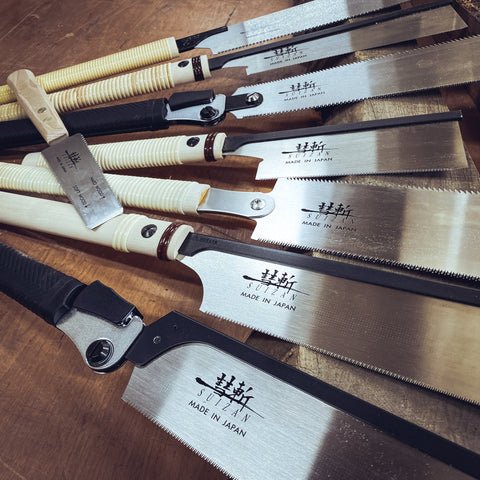
Maintaining your hand saws is crucial to ensuring they last long and work efficiently. You might think that a simple tool like a hand saw doesn’t require much attention, but neglecting its upkeep can lead to poor performance and even safety hazards.
Imagine trying to cut through wood with a dull blade; it’s not only frustrating but also time-consuming. By giving your hand saws a little love and care, you can save yourself effort, enhance your woodworking projects, and keep your tools in top shape.
Are you ready to discover simple yet effective ways to keep your hand saws sharp and reliable? Keep reading, and you’ll find out how easy it is to maintain your tools and make your woodworking tasks smoother and more enjoyable. Don’t let a neglected saw slow you down – learn the secrets to keeping your hand saws in perfect working order!

Credit: www.youtube.com
Choosing The Right Hand Saw
Choosing the right hand saw makes cutting easier and safer. The right saw depends on your project and materials.
Understanding different saw types, materials, and handle designs helps you pick the best tool for your needs.
Types Of Hand Saws
There are many hand saws for different tasks. Each saw has a unique blade and tooth design.
- Crosscut saws cut across the wood grain
- Rip saws cut along the wood grain
- Back saws have a stiffened back for precise cuts
- Keyhole saws cut small curves and holes
- Bow saws are used for rough cutting of branches
Selecting Based On Material
Different materials need different saw blades. Choose blades made for wood, metal, or plastic.
| Material | Blade Type | Tooth Design |
| Softwood | Rip saw | Large, spaced teeth |
| Hardwood | Crosscut saw | Small, sharp teeth |
| Metal | Hacksaw | Fine, hard teeth |
| Plastic | Fine-toothed saw | Small teeth to prevent cracking |
Ergonomic Handles
Comfortable handles reduce hand fatigue. Look for handles with good grip and shape.
- Wood handles feel traditional and firm
- Plastic handles often have rubber grips
- Curved handles fit the hand better
- Non-slip surfaces increase safety
Credit: www.familyhandyman.com
Cleaning After Use
Cleaning your hand saw after use keeps it in good shape. It removes dirt that can cause damage.
Regular cleaning helps your saw last longer and work better every time.
Removing Sawdust And Debris
Sawdust and debris build up on the saw blade after cutting wood. This buildup can reduce cutting power.
Use a brush or cloth to clear the sawdust from the teeth and blade surface.
- Brush the blade gently with a stiff brush
- Wipe the saw teeth with a dry cloth
- Tap the saw lightly to dislodge stuck dust
Using Appropriate Cleaning Tools
Choose cleaning tools that protect your saw blade. Avoid hard tools that can scratch or damage it.
Soft brushes, cloths, and mild cleaners work best to keep the saw clean and safe.
- Use a soft-bristle brush for dust removal
- Apply a cloth dampened with mild soap if needed
- Dry the blade completely after cleaning
Preventing Rust Formation
Rust can damage your saw blade and stop it from cutting well. Keep the blade dry and clean.
Store your saw in a dry place and use oil to protect the metal.
- Wipe the blade with a light coat of machine oil
- Store saws in a dry, cool environment
- Check the blade regularly for signs of rust
Sharpening Techniques
Keeping your hand saw sharp makes cutting easier and safer. Dull teeth slow your work and wear out the tool. Sharpening your saw regularly helps maintain its performance.
This guide covers how to spot dull teeth, filing tips and tools, and how to keep the right tooth angles.
Identifying Dull Teeth
Dull saw teeth look worn or rounded instead of sharp points. You may see metal chips or rust on the edges. The saw will cut slowly and need more force.
- The saw blade feels rough when running your finger lightly over the teeth.
- Cutting produces more sawdust than wood chips.
- The saw drags or binds in the wood during use.
- Teeth edges appear shiny or flat instead of sharp and pointed.
Filing Tips And Tools
Use the right tools to sharpen your saw. A proper file and filing guide help keep teeth even. Keep your strokes smooth and steady.
| Tool | Purpose | Tip |
|---|---|---|
| Triangular file | Filing individual teeth | Match file size to tooth size |
| Saw set tool | Bending teeth slightly outward | Use gently to avoid breaking teeth |
| Filing guide | Keeping file angle steady | Hold firmly for even teeth |
File each tooth with steady strokes, keeping pressure even. Check teeth often to keep them uniform.
Maintaining Tooth Angles
Proper tooth angles make your saw cut cleanly and smoothly. You must keep the original angle while filing. Changing angles can damage the saw’s cutting ability.
- Hold the file at the same angle as the original tooth angle.
- Use a filing guide to keep angles consistent.
- Check angles often during sharpening.
- Do not file too deep or change the shape of the teeth.
Proper Storage Methods
Storing hand saws properly keeps them sharp and safe. Good storage helps stop damage and rust.
Use the right storage methods to protect your saws for a long time. This guide shows simple ways to store hand saws well.
Avoiding Moisture Exposure
Moisture causes rust and dulls saw blades. Keep saws dry to keep them working well.
Store saws in a dry place away from water or damp air. Check the storage area for leaks or humidity.
Using Protective Covers
Protective covers stop saw blades from getting damaged or dirty. They also keep you safe when handling saws.
Use plastic sheaths, blade guards, or cloth wraps to cover saw blades. Make sure covers fit well and stay secure.
- Blade guards prevent cuts and scratches
- Plastic sheaths protect against moisture
- Cloth wraps keep dust off blades
Organizing For Easy Access
Keep hand saws organized to find them quickly. Proper organization also stops saws from bumping into each other.
Use racks, hooks, or wall mounts to store saws. Label spots to know where each saw belongs.
- Hang saws on wall hooks by the handle
- Use racks to separate different types of saws
- Store saws with teeth facing down or covered
Regular Inspection And Maintenance
Hand saws need care to work well and last longer. Regular checks help find problems early.
Simple maintenance keeps your saw sharp and safe to use. It also saves money on repairs.
Checking For Damage
Look closely at the saw blade for cracks or rust. Bent blades can make cutting hard and unsafe.
Check the handle for splits or loose screws. A damaged handle can cause accidents.
- Inspect blade edges for chips or dullness
- Look for rust spots and clean them
- Check handle for cracks or breaks
- Make sure teeth are not bent or missing
Tightening Loose Parts
Loose parts affect saw performance and safety. Tighten screws and bolts regularly to keep parts secure.
Use the right tools to avoid stripping screws or damaging the saw. Check all areas carefully.
- Check handle screws and nuts
- Tighten blade clamps if needed
- Use a screwdriver or wrench that fits well
- Test for any movement after tightening
Scheduling Routine Care
Set a regular time for saw maintenance. Weekly or monthly checks prevent big problems later.
Keep a maintenance log to track inspections and repairs. This helps you remember what to do next.
- Choose a fixed day for inspection
- Record what you checked and fixed
- Replace parts if they show wear
- Sharpen the blade as needed
Safety Precautions During Maintenance
Maintaining hand saws is important for their performance and safety. Taking precautions helps prevent injuries and damage.
This guide covers key safety steps while maintaining your hand saws. Follow these tips to stay safe.
Using Protective Gear
Always wear protective gear to avoid cuts and eye injuries. Gloves protect your hands from sharp edges and splinters.
- Wear cut-resistant gloves
- Use safety goggles to protect your eyes
- Wear a dust mask if sharpening creates dust
- Use ear protection if working with noisy tools nearby
Handling Tools Carefully
Handle all tools with care to avoid accidents. Keep your workspace clean and organized to prevent slips and falls.
| Tool | Handling Tip |
| Hand saw | Hold firmly by the handle |
| File or sharpening stone | Use steady, controlled strokes |
| Workbench | Secure saw before working on it |
Safe Sharpening Practices
Sharpen your saw carefully to keep the blade effective and avoid injury. Always follow safe methods during sharpening.
- Secure the saw in a clamp or vise
- Wear gloves and goggles
- Use the correct file for the saw teeth
- File away from your body
- Check the blade often for sharpness
Credit: www.toolstop.co.uk
Frequently Asked Questions
How Often Should I Sharpen My Hand Saw?
You should sharpen your hand saw when it starts cutting slowly. Regular use may require sharpening every few months. Proper sharpening keeps the blade efficient and extends its lifespan. Use a file or take it to a professional for best results.
What Is The Best Way To Clean A Hand Saw?
Clean your hand saw after each use with a dry cloth to remove sawdust. For sticky resin, use mineral spirits or a light solvent. Keeping the blade clean prevents rust and ensures smooth cutting performance.
How Do I Prevent Rust On My Hand Saw?
To prevent rust, store your hand saw in a dry place. Wipe the blade with an oily cloth after use. Applying a thin layer of machine oil protects the metal from moisture and corrosion.
Can I Use Any File To Sharpen Hand Saw Teeth?
No, use a triangular saw file designed for hand saw teeth. The correct file size ensures even sharpening and maintains tooth shape. Using the wrong file can damage the teeth and reduce cutting efficiency.
Conclusion
Keeping your hand saws clean and sharp helps them work well. Regular oiling stops rust and keeps the blade smooth. Store saws in a dry place to protect them from damage. Check the teeth often and fix any bends or chips.
Small efforts make your tools last longer and cut better. Taking care of your saws saves money and time. Use these simple steps to keep your hand saws ready for any job.