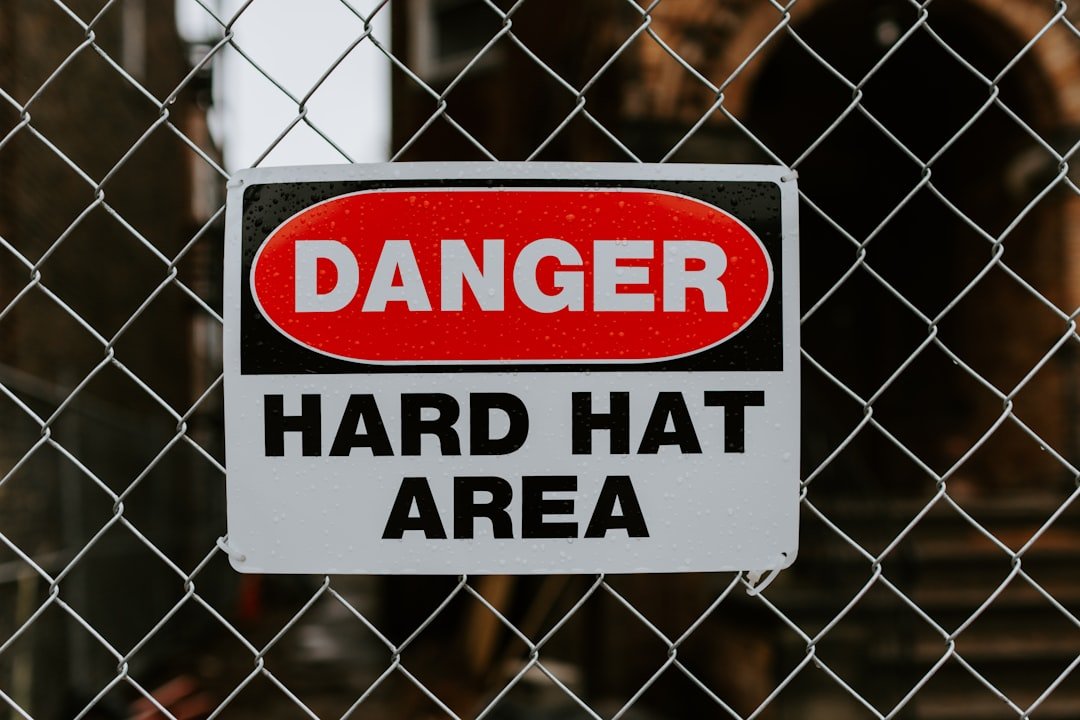
Your hard hat is more than just a piece of gear—it’s your first line of defense on any construction site. But do you know how to keep it in the best shape to protect you every day?
A damaged or poorly maintained hard hat could fail when you need it most. You’ll learn simple and effective ways to maintain your hard hat. By following these tips, you ensure your safety stays strong, no matter the job. Keep reading to discover how easy it is to protect yourself better with proper hard hat care.
Choosing The Right Hard Hat
Choosing the right hard hat is important for safety on construction sites. A hard hat protects your head from falling objects and bumps.
Different jobs and environments need different types of hard hats. Picking the right one helps keep you safe and comfortable.
Materials And Types
Hard hats come in different materials and styles. The most common materials are plastic and fiberglass.
- High-Density Polyethylene (HDPE):Lightweight and durable, good for most jobs.
- Fiberglass:Strong and heat-resistant, used in hot environments.
- Polycarbonate:Offers high impact resistance and good visibility.
- Aluminum:Less common, not allowed in electric hazard zones.
There are three main types based on protection level:
| Type | Description | Use Case |
| Type I | Protects from top impacts | General construction |
| Type II | Protects from top and side impacts | Heavy machinery areas |
| Class E | Electrical protection up to 20,000 volts | Electrical work |
Proper Fit And Comfort
A hard hat must fit well to protect you properly. It should sit level on your head and not move around.
- Adjust the suspension system for a snug fit.
- Check that the hat does not tilt forward or backward.
- Wear a sweatband to reduce slipping and increase comfort.
- Replace the suspension if it is worn or broken.
Comfort matters because you will wear the hat all day. Choose lightweight materials and proper ventilation to stay cool.
Regular Inspection Procedures
Hard hats protect workers on construction sites. Regular inspection keeps them safe to use.
Check hard hats often. Look closely for any signs of damage or wear.
Checking For Cracks And Damage
Look over the shell of the hard hat. Cracks or dents reduce its strength.
Check for discoloration or soft spots. These signs mean the hat may be weak.
- Examine the outer shell for cracks or dents
- Feel for soft or thin areas
- Look for discoloration or fading
- Check the brim for any breaks
Inspecting Suspension System
The suspension system holds the hat on your head. It absorbs shock during impact.
Check all straps and clips. Replace any parts that are broken or worn out.
- Look for torn or stretched straps
- Check plastic clips for cracks
- Ensure adjustment mechanisms work well
- Make sure the suspension fits snugly
Cleaning And Sanitizing
Keeping hard hats clean helps protect workers from injury. Dirt, sweat, and germs can build up on the surface. Regular cleaning and sanitizing extend the life of the hard hat.
Using the right cleaning methods prevents damage. Avoid harsh chemicals that can weaken the shell or straps. Follow safe steps to keep your hard hat in good shape.
Safe Cleaning Methods
Clean your hard hat often with mild soap and warm water. Use a soft cloth or sponge to avoid scratches. Rinse thoroughly and let it air dry away from sunlight.
- Fill a bucket with warm water and mild soap
- Dip a soft cloth or sponge into the soapy water
- Gently wipe the hard hat’s surface and suspension system
- Rinse with clean water to remove soap residue
- Allow the hard hat to dry naturally in shade
Avoiding Harmful Chemicals
Harsh chemicals can harm hard hats. Solvents, bleach, and strong detergents weaken plastic and straps. Avoid these to keep the hat strong and safe.
| Chemical | Effect on Hard Hat |
| Bleach | Causes cracking and discoloration |
| Acetone | Softens plastic shell |
| Strong detergents | Damages suspension straps |
| Solvents | Weakens material and safety features |
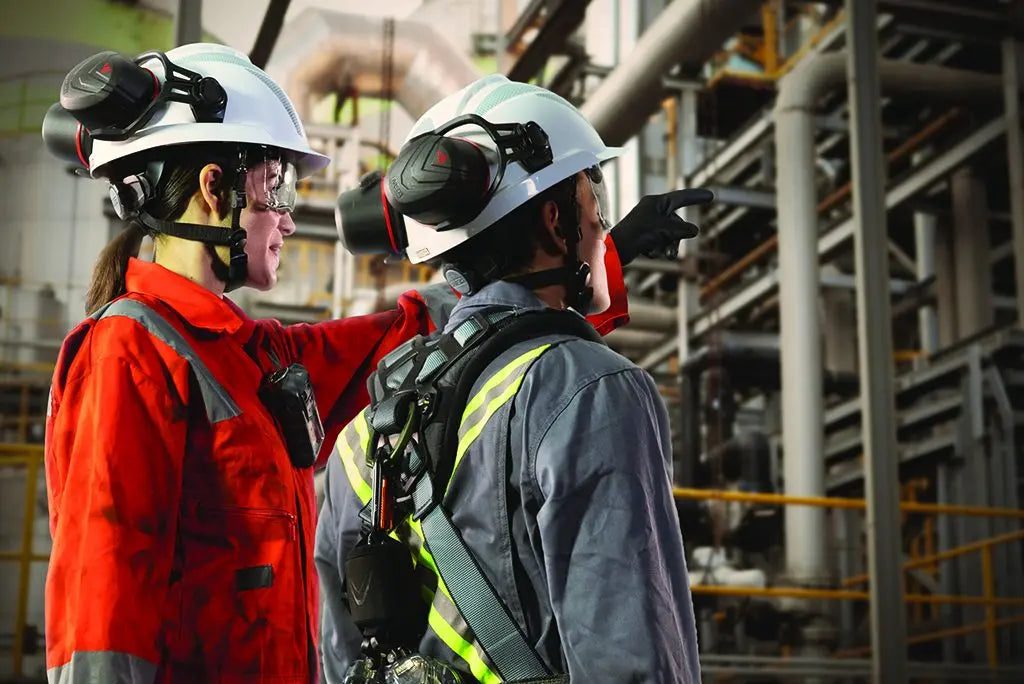
Credit: www.envirosafetyproducts.com
Storage Best Practices
Proper storage helps keep hard hats safe and effective. Good storage stops damage and extends helmet life.
Follow simple rules to protect your hard hats during storage. This keeps them ready for use on site.
Protecting From Sunlight And Heat
Keep hard hats out of direct sunlight. Heat and UV rays can weaken the plastic and cause cracks.
- Store helmets in shaded areas or indoors.
- Avoid leaving hard hats in cars on hot days.
- Use storage racks or shelves to keep hats off hot surfaces.
- Do not place heavy objects on top of hard hats.
Keeping Away From Contaminants
Contaminants like chemicals, oils, and dirt can damage hard hats. Store helmets in clean, dry places.
| Contaminant | Effect on Hard Hat | Storage Tip |
| Solvents | Cause cracking and softening | Away from chemical storage |
| Oils and Grease | Weaken plastic and straps | Use sealed containers or bags |
| Dirt and Dust | Clog vents and reduce comfort | Keep hats covered or in boxes |
| Paints and Adhesives | Stick to surface and damage material | Separate storage area |
Replacement Guidelines
Hard hats protect workers from head injuries on construction sites. It is important to replace them at the right time. Using a damaged or old hard hat can be dangerous.
This guide explains when to replace your hard hat. Follow these rules to stay safe and compliant.
Signs It’s Time To Replace
Check your hard hat often for damage. Cracks, dents, or deep scratches weaken the shell. These signs mean you should replace the hard hat.
Also replace the hard hat if it has been hit hard, even if no damage shows. The internal suspension system can be damaged after impact.
- Cracks or dents on the shell
- Faded or brittle plastic
- Loose or broken suspension parts
- Hard hat exposed to chemicals or extreme heat
- After any strong impact
Manufacturer’s Lifespan Recommendations
Manufacturers set a lifespan for hard hats. This is usually 3 to 5 years. The lifespan depends on use and care.
Always check the label or manual. Follow the manufacturer’s advice to know when to replace the hard hat.
- Replace hard hats every 3 to 5 years
- Replace suspension systems every 12 months
- Store hard hats in cool, dry places
- Do not paint or apply stickers unless allowed

Credit: www.safetyandhealthmagazine.com
Training Workers On Hard Hat Care
Hard hats protect workers from head injuries on construction sites. Training workers on proper care helps keep them safe.
Good care extends the life of hard hats and ensures they work well in accidents.
Promoting Routine Checks
Workers should check their hard hats every day before use. Look for cracks, dents, or damage on the shell.
Inspect the suspension system inside the hat. Replace any worn or broken parts immediately.
- Check the shell for cracks or dents
- Inspect suspension straps for wear
- Make sure the hard hat fits securely
- Replace damaged or old hard hats
Encouraging Proper Usage
Teach workers to wear hard hats correctly at all times on site. The hat should sit level on the head.
Workers should avoid decorating or altering hard hats. This can weaken the material and lower protection.
- Wear the hard hat with the brim facing forward
- Do not remove the suspension system
- Keep the hard hat clean from dirt and chemicals
- Never paint or stick objects on the hard hat

Credit: aboveallstorefronts.com
Frequently Asked Questions
How Often Should I Inspect My Hard Hat?
Inspect your hard hat daily for cracks, dents, or any signs of damage. Regular inspections ensure safety and longevity. Replace any hard hats showing wear or damage immediately. This practice helps maintain safety standards on construction sites. Proper maintenance and frequent checks prevent potential hazards and ensure optimal protection.
Can Hard Hats Be Cleaned?
Yes, clean hard hats regularly using mild soap and water. Avoid harsh chemicals that might degrade the material. Rinse thoroughly and allow it to air dry. Proper cleaning extends the life of your hard hat. Clean equipment ensures safety and hygiene on construction sites.
When Should I Replace My Hard Hat?
Replace hard hats immediately if they show any signs of damage. Generally, replace them every five years for optimal safety. Regular replacement ensures the hard hat provides maximum protection. Safety standards recommend adhering to manufacturer guidelines for replacement. Timely replacement is crucial for maintaining workplace safety.
What Causes Hard Hat Damage?
Exposure to extreme temperatures, chemicals, or sunlight can damage hard hats. Regular impacts or dropping also compromise their integrity. Always store hard hats properly when not in use. Avoid placing them in direct sunlight or high-heat areas. Regular inspections help identify and prevent potential damage.
Conclusion
Maintaining hard hats keeps workers safe on construction sites. Regular checks stop cracks and damage from causing harm. Clean hats help find problems early and last longer. Replace any hard hat that shows signs of wear. Store them in cool, dry places away from sunlight.
A well-kept hard hat protects you every day. Safety starts with simple care and attention. Keep your hard hat ready. Stay safe and work smart.