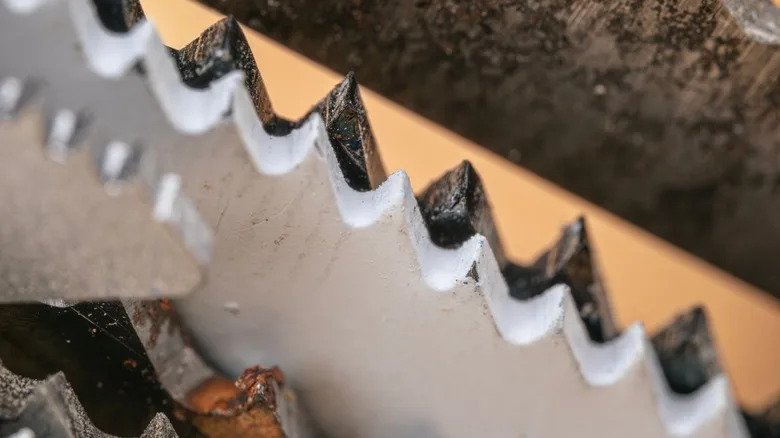
If you want your jigsaw blades to cut smoothly and last longer, knowing how to maintain them is key. Dull or damaged blades can ruin your project and waste your time.
But with a few simple steps, you can keep your blades sharp and ready for any job. This guide will show you easy ways to care for your jigsaw blades, so you get the best results every time you use them.
Keep reading, and discover how a little maintenance can save you money and frustration on your next project.
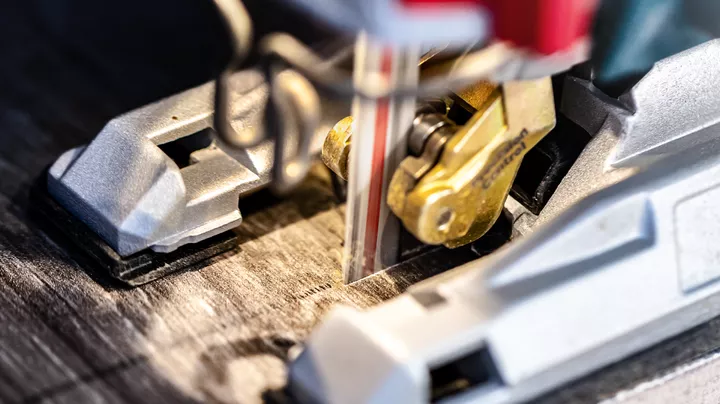
Credit: www.bosch-pt.com.au
Choosing The Right Blade
Selecting the right jigsaw blade is important for clean cuts and blade life. Different blades fit different tasks and materials.
Knowing the blade types, materials, and matching them to your project helps you work faster and safer.
Types Of Jigsaw Blades
Jigsaw blades come in many shapes and sizes. The tooth design affects the cut style and speed.
- Clean Cut Blades: Fine teeth for smooth edges on wood and plastic.
- Fast Cut Blades: Large teeth for quick cuts but rougher edges.
- Metal Cutting Blades: Designed with smaller, stronger teeth to cut metal.
- Specialty Blades: Used for curves, laminate, or other materials.
Blade Material Options
Blade materials affect durability and cutting ability. Choose based on the material you will cut.
| Material | Use For | Durability |
| High Carbon Steel (HCS) | Soft wood, plastic | Good for light tasks |
| High Speed Steel (HSS) | Metal, hard wood | Better for harder materials |
| Bimetal | Metal and wood | Long-lasting, flexible |
| Tungsten Carbide | Tile, hard materials | Very durable, expensive |
Matching Blades To Materials
Use the right blade for each material to avoid damage and get clean cuts.
- Wood: Use HCS blades with medium to fine teeth.
- Metal: Choose HSS or bimetal blades with small, sharp teeth.
- Plastic: Use blades with fine teeth to prevent cracking.
- Tile or Hard Materials: Use tungsten carbide blades for strength.
Credit: www.bosch-professional.com
Cleaning Your Blades
Keeping your jigsaw blades clean helps them cut better and last longer. Dirt and resin can build up on the blade during use. Regular cleaning prevents damage and keeps the blade sharp.
In this guide, we cover how to remove resin and debris, the best tools for cleaning, and how often you should clean your blades.
Removing Resin And Debris
Resin and wood dust stick to the blade after cutting. These can slow down the blade and cause overheating. Use a soft brush or cloth to remove loose dust. For sticky resin, soak the blade briefly in a cleaning solution.
- Use warm soapy water or a mild solvent for resin
- Gently scrub the blade teeth with a toothbrush
- Wipe the blade dry with a clean cloth
- Avoid harsh chemicals that may weaken the blade
Best Cleaning Tools
Choosing the right tools makes cleaning easier and safer for the blade. A few simple items work well for blade maintenance.
| Tool | Purpose |
| Soft toothbrush | Scrub away resin and debris |
| Cloth or rag | Wipe and dry blades |
| Warm soapy water | Remove sticky residues |
| Small container | Soak blades in cleaning solution |
Frequency Of Cleaning
Cleaning often keeps blades in good shape. The frequency depends on how much you use the jigsaw and the material you cut.
- Clean blades after every few hours of heavy cutting
- Inspect and clean after cutting resin-rich wood
- Always clean before storing blades long-term
Proper Storage Techniques
Storing jigsaw blades correctly helps them stay sharp and last longer. Proper storage stops damage and keeps blades ready to use.
Good storage protects blades from bending, rust, and dullness. It also makes it easy to find the right blade when needed.
Protecting Blade Edges
Blade edges are delicate and can dull or chip if not handled carefully. Keep blades in a way that stops them from touching hard surfaces.
Use blade covers or cases to protect the edges. Avoid stacking blades on top of each other without protection.
- Store blades in plastic or cardboard sleeves
- Use blade holders with individual slots
- Keep blades separated to avoid edge contact
Organizing Blades Safely
Organizing blades helps you find the right type quickly. It also prevents damage from loose blades moving around.
Sort blades by size and tooth type. Label storage containers clearly for easy access and safety.
- Use small boxes or cases with compartments
- Label each section with blade type and size
- Keep blades upright to avoid bending
Avoiding Moisture Damage
Moisture causes rust and weakens blade metal. Keep blades dry to maintain strength and sharpness.
Store blades in a dry place. Use moisture absorbers or oil coatings to protect against rust.
- Keep blades in sealed containers or bags
- Use silica gel packs to absorb moisture
- Lightly oil blades if storing for a long time
Sharpening Tips
Keeping your jigsaw blades sharp helps you cut clean and fast. Dull blades can damage wood and slow down your work.
Sharpening blades is simple if you know when and how to do it. This guide will help you keep your blades in good shape.
When To Sharpen Blades
Check your blades often for signs of dullness. A blade needs sharpening if it cuts slowly or leaves rough edges.
If the blade bends or breaks easily, sharpening might help, but replacing is sometimes better. Also sharpen after cutting hard materials many times.
Sharpening Methods
There are several ways to sharpen jigsaw blades. You can use a file, a sharpening stone, or a rotary tool.
Use slow, steady strokes and follow the angle of the blade teeth. Avoid removing too much metal to keep the blade strong.
- File: Use a small flat or triangular file for hand sharpening.
- Sharpening stone: Gently rub the blade edges on a fine stone.
- Rotary tool: Use a small grinding bit carefully for faster sharpening.
Tools For Sharpening
Choose the right tools to sharpen your jigsaw blades safely and well. Good tools save time and effort.
Basic tools include hand files, sharpening stones, and rotary tools with grinding bits. Always wear safety glasses when sharpening.
- Flat or triangular hand files for manual sharpening
- Fine-grit sharpening stones for smooth edges
- Rotary tools with small grinding attachments for quick work
- Clamp or vice to hold blades steady
- Safety glasses to protect your eyes
Using Blades Correctly
Using jigsaw blades correctly helps you get clean cuts and long blade life. It also keeps your work safe and smooth.
Follow simple rules to use the blades in the best way. This guide covers key points about speed, heat, and pressure.
Optimal Cutting Speed
Cutting at the right speed improves blade performance. Too fast or too slow can cause rough cuts or blade damage.
- Use slower speeds for hard materials like metal or thick wood.
- Use faster speeds for soft materials like plywood or plastic.
- Adjust speed based on blade type and material thickness.
Avoiding Overheating
Overheating blades lose sharpness and break faster. You can avoid this by cutting carefully and keeping the blade cool.
| Cause | Effect |
| Cutting too fast | Blade gets hot and dulls quickly |
| Pressing hard on blade | Friction increases heat and blade damage |
| Using a dull blade | More heat and poor cuts |
Applying Proper Pressure
Use steady and moderate pressure while cutting. Pressing too hard can bend or break the blade.
- Let the blade do the cutting work.
- Hold the jigsaw firmly but do not force it.
- Guide the tool smoothly along the cut line.
- Stop and check the blade if it feels stuck or bent.
Inspecting Blades Regularly
Regular inspection of jigsaw blades helps keep your tool working well. It prevents damage to both the blade and the workpiece.
Checking blades often can save time and money by avoiding poor cuts and tool problems.
Signs Of Wear And Damage
Look for dull edges, missing teeth, or bent blades. These signs show the blade is worn out or damaged.
Using damaged blades can cause rough cuts and may break the blade during use.
- Dull or rounded teeth
- Missing or broken teeth
- Bent or twisted blade
- Rust or corrosion
Replacing Blades On Time
Change your jigsaw blade as soon as you see wear or damage. A sharp blade cuts better and is safer to use.
Do not wait until the blade breaks. Regular replacement keeps your work smooth and accurate.
- Replace dull blades quickly
- Use the right blade for the material
- Keep spare blades ready
Safety Checks Before Use
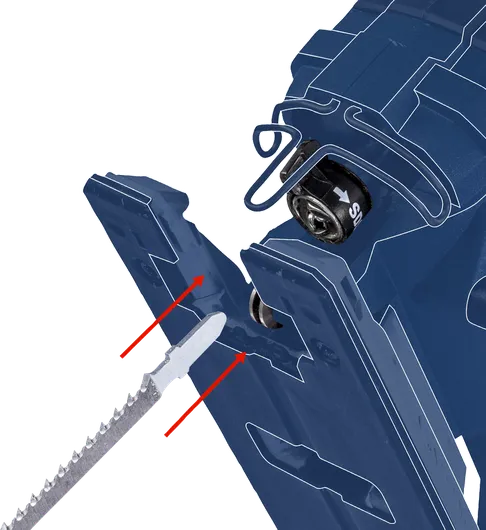
Before using the jigsaw, check the blade is properly fixed and not loose. A loose blade can cause accidents.
Also, inspect the blade guard and make sure safety features work well.
- Tighten blade securely
- Check blade guard position
- Wear safety goggles and gloves
- Test the tool at low speed first
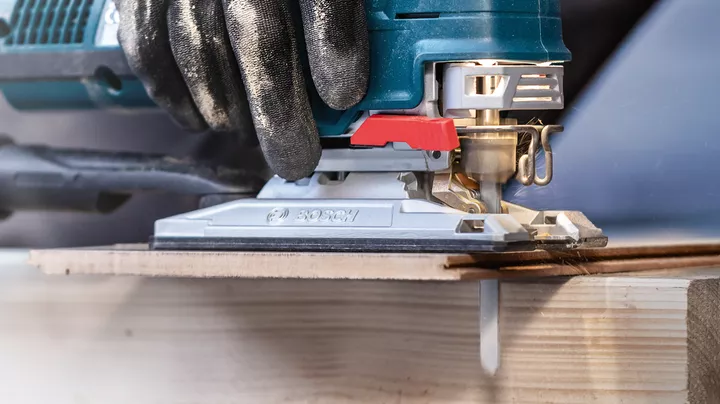
Credit: www.bosch-professional.com
Frequently Asked Questions
How Often Should I Replace Jigsaw Blades?
Replace jigsaw blades when they become dull or damaged. Frequent cutting on hard materials requires more frequent replacement. Using a sharp blade ensures clean cuts and protects your jigsaw from strain.
What Is The Best Way To Clean Jigsaw Blades?
Clean jigsaw blades by wiping them with a cloth after use. Remove any resin or debris with a mild solvent. Proper cleaning prevents buildup and prolongs blade life.
How Can I Sharpen Jigsaw Blades Safely?
Sharpen jigsaw blades using a fine file or sharpening stone. Work slowly and follow the blade’s original angle. Always wear safety gloves to protect your hands during sharpening.
Why Should I Use The Correct Blade Type?
Using the correct blade type matches the material you’re cutting. It improves cutting efficiency and blade longevity. Incorrect blades can damage both the material and the blade.
Conclusion
Maintaining jigsaw blades ensures efficient and smooth cutting. Regular cleaning prevents rust and extends blade life. Inspect blades for damage to avoid uneven cuts. Sharp blades make precise cuts, saving time and effort. Store them in a dry place to prevent corrosion.
Always follow safety guidelines to protect yourself. With these tips, your jigsaw blades stay in top condition. Remember, a well-maintained blade enhances your woodworking projects. Keep your tools ready for the best results. Happy cutting!