If you want your jigsaw to cut smoothly and last longer, taking care of your jigsaw blades is key. You might not realize it, but dull or damaged blades can make your work harder and ruin your projects.
Imagine finishing a cut quickly, with clean edges every time—sounds great, right? You’ll discover simple, effective ways to maintain your jigsaw blades so they perform like new. Keep reading, and you’ll save time, money, and frustration on every cut.
Credit: www.bosch-pt.com.au
Choosing The Right Blade
Selecting the right jigsaw blade is important for good cuts and long blade life. The blade type depends on the material you want to cut. Using the wrong blade can cause damage to your workpiece and the blade itself.
This guide helps you understand blade choices by looking at material types, tooth design, and matching blades to materials. You will learn how to pick the best blade for your project.
Material Types
Different materials need different blades. Wood, metal, plastic, and ceramics all have specific blade requirements. Choose a blade designed for the material to get clean and easy cuts.
- Wood:Use blades with large, sharp teeth for fast cutting.
- Metal:Use blades with small, fine teeth to cut smoothly.
- Plastic:Use blades that reduce heat to avoid melting.
- Ceramics:Use diamond-grit blades for hard surfaces.
Blade Tooth Design
Blade teeth come in shapes that affect cut quality and speed. The tooth shape also controls how the waste material clears from the cut line.
| Tooth Design | Description | Best For |
| Regular Teeth | Evenly spaced teeth for smooth cuts | Wood and soft plastics |
| Reverse Teeth | Teeth point upward to reduce splintering | Veneers and laminate |
| Skip Teeth | Wide spaces between teeth for fast cutting | Soft wood and thick materials |
| Fine Teeth | Many small teeth for smooth, slow cuts | Metal and hard plastics |
Matching Blade To Material
Choosing the correct blade means matching the blade’s material and design to the workpiece. This keeps the blade sharp and the cuts clean.
- Use high-carbon steel blades for soft materials like wood.
- Use bi-metal blades for cutting metal and harder materials.
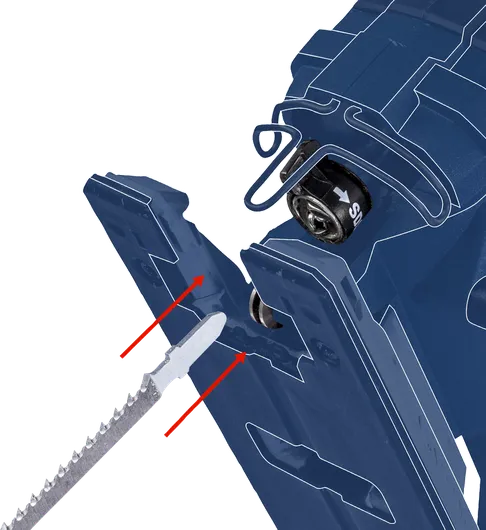
- Choose blades with a T-shank for better grip and less wobble.
- Pick blade length based on material thickness to avoid bending.
- Replace blades as soon as they dull to maintain cut quality.
Credit: www.bosch-professional.com
Cleaning And Inspection
Keeping jigsaw blades clean and checked helps them work well. Dirt and damage can slow your work or cause problems.
Regular cleaning and inspection make blades last longer and cut better. Here are key tips for care.
Removing Debris
Debris like sawdust and resin can stick to blades. This buildup reduces cutting speed and accuracy.
- Unplug the jigsaw before cleaning the blade.
- Use a soft brush to remove sawdust and wood chips.
- Apply a small amount of blade cleaner or rubbing alcohol.
- Wipe the blade gently with a clean cloth.
- Make sure the blade is dry before using it again.
Checking For Damage
Damaged blades cut poorly and can break during use. Checking blades often keeps you safe.
| Damage Type | Signs to Check |
| Dull Teeth | Blades do not cut cleanly, require more force |
| Missing Teeth | Visible gaps along the blade edge |
| Bent Blade | Blade does not sit straight or wobbles |
| Cracks | Small splits or fractures on the blade surface |
Replace blades with any of these problems. Using damaged blades risks injury.
Preventing Rust
Rust weakens blades and lowers cutting quality. Stop rust by keeping blades dry and clean.
Use these tips to prevent rust:
- Store blades in a dry place.
- Apply light machine oil after cleaning.
- Use silica gel packs in storage cases.
- Wipe blades with an oily cloth if not used for a long time.
Proper Storage Techniques
Keeping your jigsaw blades stored properly helps them last longer. It also makes your work safer and easier.
Use smart storage methods to protect blades from damage and rust. Organize blades so you can find them quickly.
Organizing Blades
Sort your jigsaw blades by type and size. This saves time and prevents mistakes during work.
- Store blades in labeled containers or boxes
- Keep blades separated by material type, like wood or metal
- Use blade holders designed for easy access
- Arrange blades so teeth face away to avoid injury
Protecting From Moisture
Moisture causes rust and weakens blades. Keep your blades dry to maintain sharpness and strength.
| Method | Description |
| Use silica gel packs | Place inside storage containers to absorb moisture |
| Store in a dry place | Avoid damp basements or garages |
| Wipe blades after use | Remove any water or sweat before storing |
| Apply light oil coating | Protect metal surfaces from rust |
Avoiding Blade Damage
Handle blades carefully to avoid bending or dulling them. Proper care keeps blades ready for use.
- Do not drop blades or throw them loosely in a toolbox
- Keep blades away from heavy tools that can crush them
- Use blade caps or covers if available
- Inspect blades regularly and discard damaged ones
Credit: www.bosch-professional.com
Sharpening Jigsaw Blades
Jigsaw blades can become dull after cutting many materials. Sharpening the blades helps keep them working well.
Learning to sharpen jigsaw blades saves money and improves cutting accuracy.
When To Sharpen
Check your jigsaw blade if cuts become slow or rough. Dull blades make more noise and burn wood.
If the blade bends or breaks often, sharpening or replacing is needed. Sharpen blades after many uses.
- Cutting feels harder than usual
- Edges of cuts are rough or splintered
- Blade heats up quickly
- Blade teeth look rounded or worn
Tools For Sharpening
Use a fine metal file or diamond sharpening stone for jigsaw blades. These tools help restore sharp edges.
A magnifying glass can help see small teeth clearly. Safety gloves protect your hands during sharpening.
- Fine metal file
- Diamond sharpening stone
- Magnifying glass
- Safety gloves
Step-by-step Sharpening Process
First, remove the jigsaw blade from the tool. This makes sharpening safer and easier.
Hold the blade steady and file each tooth carefully. Follow the original angle of the teeth.
- Remove the blade from the jigsaw
- Wear safety gloves
- Use a magnifying glass to see teeth clearly
- File each tooth along its angle
- Sharpen all teeth evenly
- Check teeth for sharpness after filing
- Reinstall the blade on the jigsaw
After sharpening, test the blade by making a cut. If it cuts smoothly, the blade is ready to use again.
Safe Usage Practices
Using jigsaw blades safely helps you work better and avoid damage. You must follow key steps to keep blades in good shape.
This guide covers cutting speed, overheating, and handling tips. These practices protect both the blade and the user.
Correct Cutting Speed
Cutting too fast wears out blades quickly and can cause mistakes. Cutting too slow wastes time and may overheat the blade.
- Match speed to the material type and thickness.
- Use slower speed for hard materials like metal.
- Use faster speed for soft materials like wood.
- Keep a steady speed without forcing the blade.
Avoiding Overheating
Heat weakens blades and reduces cutting quality. Overheating can cause the blade to bend or break.
| Cause | Effect |
| Cutting too fast | Excess heat buildup |
| Using dull blades | More friction and heat |
| Pressing hard on blade | Blade bends or snaps |
| Poor blade cooling | Blade damage |
Proper Handling
Handle blades with care to avoid injury and keep them sharp. Always store blades properly when not in use.
- Wear gloves when changing blades.
- Hold blades by the base, not the teeth.
- Store blades in a dry place to prevent rust.
- Inspect blades before use for damage or wear.
Replacing Blades Effectively
Jigsaw blades wear out after use. Replacing them keeps your tool working well. Changing blades safely and correctly saves time.
This guide helps you know when to replace blades. It also shows how to pick and install new ones.
Signs Blade Needs Replacement
Your jigsaw blade shows signs when it is dull or damaged. Watch for these signs to keep cuts clean and safe.
- Slow or rough cutting
- Burn marks on wood
- Blade bends or breaks easily
- Cut edges look jagged or splintered
- Blade teeth appear worn down
Choosing A Replacement Blade
Select the right blade for your project and jigsaw model. The blade type affects the cut quality and speed.
- Match blade size and shank type to your jigsaw
- Use blades made for the material you cut (wood, metal, plastic)
- Pick tooth count based on cut type (fine or rough)
- Consider blade thickness for stability
Installing New Blades
Turn off and unplug the jigsaw before changing blades. Follow these steps to install the new blade safely.
- Open the blade clamp or release lever
- Remove the old blade carefully
- Insert the new blade with teeth facing forward
- Secure the blade firmly in the clamp
- Check the blade is locked and does not move
Frequently Asked Questions
How Often Should You Replace Jigsaw Blades?
Jigsaw blades should be replaced when they become dull, bent, or damaged. Regular inspection is essential to ensure optimal performance. Typically, blades last for several projects, but usage frequency and material type can affect their lifespan. Always have spare blades on hand for uninterrupted work.
What Is The Best Way To Clean Jigsaw Blades?
To clean jigsaw blades, use a dry cloth to wipe off debris. For stubborn residue, apply a mild solvent or WD-40 and gently scrub with a brush. Ensure blades are completely dry before storing to prevent rust and maintain their efficiency.
How Can You Prevent Jigsaw Blade Rust?
Prevent jigsaw blade rust by storing them in a dry, moisture-free environment. After use, clean the blades and apply a light coat of machine oil. This creates a protective barrier against moisture. Regular maintenance checks will also help in identifying any signs of rust early.
Why Do Jigsaw Blades Break Frequently?
Jigsaw blades can break due to excessive pressure, incorrect blade type, or overheating. Ensure you’re using the right blade for the material. Avoid forcing the blade through the material, and allow it to cool between cuts. Proper technique and blade choice significantly reduce breakage.
Conclusion
Regular care keeps jigsaw blades sharp and safe. Clean blades after each use to avoid rust. Check for damage before every project. Store blades in a dry place to protect them. Sharpen dull blades or replace them as needed. Proper maintenance saves money and improves cutting.
Small habits make a big difference over time. Keep your tools ready for any task. Simple steps help your jigsaw blades last longer. Stay safe and work smarter with well-kept blades.