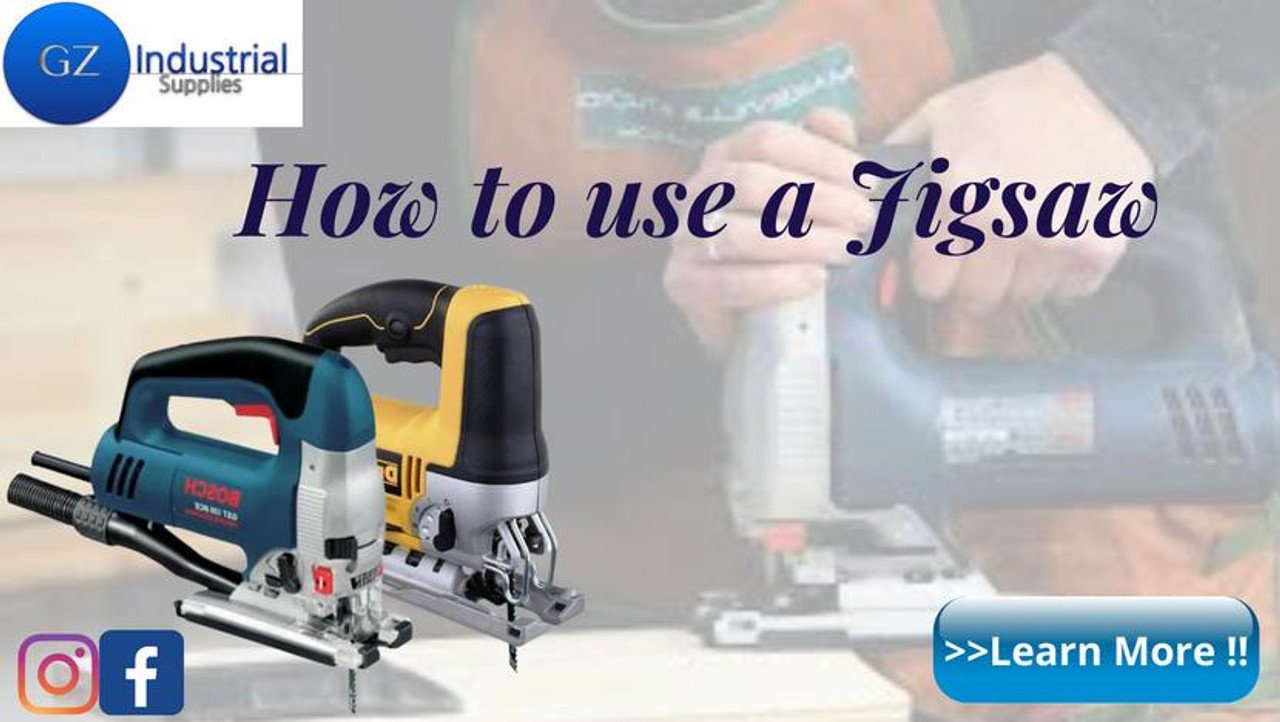
If you want your jigsaw motor to run smoothly and last longer, knowing how to maintain it properly is key. You might think maintenance is complicated or time-consuming, but it doesn’t have to be.
With a few simple steps, you can keep your motor in top shape, avoid costly repairs, and get the best performance every time you use your jigsaw. Ready to learn how to protect your tool and save money? Keep reading to discover easy, effective tips that anyone can follow.

Credit: www.youtube.com
Choosing The Right Lubricants
Proper lubrication keeps your jigsaw motor running smoothly. Choosing the right lubricant protects parts from wear and tear. It also helps the motor work at its best.
Different lubricants suit different motor types. Knowing which one to use can extend the life of your jigsaw motor.
Types Of Lubricants Suitable For Jigsaw Motors
There are several types of lubricants for jigsaw motors. Each has features that make it good for certain uses. Here are the common types:
- Light machine oil: Thin and easy to apply. Good for small moving parts.
- Grease: Thicker than oil. Stays longer on gears and bearings.
- Silicone lubricant: Protects against moisture. Good for electric parts.
- Graphite powder: Dry lubricant that reduces friction in tight spaces.
Lubrication Frequency And Techniques
How often you lubricate depends on how much you use the jigsaw. Regular checks help avoid damage.
| Usage Level | Lubrication Frequency | Technique |
| Light use | Every 3 months | Apply light oil to moving parts |
| Moderate use | Every 1-2 months | Use grease on gears and oil on shafts |
| Heavy use | Monthly | Clean first, then apply grease and silicone spray |
Always clean the motor parts before adding lubricant. Use a soft cloth or brush to remove dust and old grease. Apply lubricant sparingly to avoid build-up.

Credit: www.ypc.co.uk
Cleaning And Dust Removal
Keeping your Jigsaw motor clean helps it work well for a long time. Dust and dirt can cause problems and reduce its power.
Regular cleaning stops dust from building up inside the motor. This keeps the motor cool and safe to use.
Tools For Effective Cleaning
Use the right tools to clean your Jigsaw motor safely. Soft brushes and cloths help remove dust without damage.
Compressed air can blow out dust from hard-to-reach parts. Avoid using water or wet cloths that can harm the motor.
- Soft-bristle brush
- Microfiber cloth
- Compressed air can
- Small vacuum cleaner
- Plastic pick for tight spots
Preventing Dust Build-up
Keep your workspace clean to reduce dust around the Jigsaw motor. Store the tool in a dust-free place when not in use.
Cover the motor with a cloth or case to stop dust settling. Clean the motor regularly to avoid heavy dust build-up.
- Work in a clean area
- Store tool in a closed box or cover
- Use air filters if available
- Clean tool after each use
- Check motor vents for dust
Inspecting Electrical Components
Maintaining your Jigsaw Motors involves regular checks on its electrical parts. This helps keep the motor running smoothly and safely.
By inspecting electrical components, you can spot issues early. This prevents bigger problems and costly repairs.
Checking Wiring And Connections
Look closely at all wiring and connections in your motor. Loose or damaged wires can cause malfunctions or hazards.
- Ensure wires are firmly connected and not loose
- Check for exposed or frayed wires
- Look for corrosion on terminals and connectors
- Make sure connectors fit tightly without gaps
- Use a tester to check continuity of wires
Spotting Signs Of Wear Or Damage
Wear or damage to electrical parts can cause failure. Look for clear signs to know when to replace parts.
| Sign | What it Means | Action |
| Burn marks | Overheating or short circuit | Replace damaged parts immediately |
| Cracked insulation | Risk of shock or shorts | Re-insulate or replace wiring |
| Loose connections | Intermittent power or failure | Tighten or secure connections |
| Corrosion | Poor electrical contact | Clean or replace connectors |
| Frayed wires | Possible wire breakage | Trim and re-insulate or replace wire |
Cooling And Ventilation Tips
Keeping your Jigsaw Motors cool helps it run smoothly. Good ventilation stops heat from building up. This protects parts from damage and keeps performance steady.
Follow simple steps to keep air flowing well. Avoid common mistakes that cause overheating. These tips will help your motor last longer.
Maintaining Proper Airflow
Clear airflow is key to cooling your motor. Dirt and debris block vents and slow air movement. Clean vents often to keep air moving freely.
- Inspect vents weekly for dust or dirt buildup
- Use compressed air to blow out blocked vents
- Keep surrounding area free from clutter
- Check that cooling fans run without noise or wobbling
- Replace damaged vent covers quickly
Avoiding Overheating Issues
Overheating can cause serious motor damage. Watch the temperature regularly. Do not run the motor hard if it feels too hot.
| Cause | Effect | Solution |
| Blocked vents | Reduced airflow | Clean vents regularly |
| Faulty cooling fan | Heat buildup | Repair or replace fan |
| High load for long time | Motor overheating | Limit run time and rest motor |
| Poor ventilation area | Hot air trapped | Move motor to open space |
Regular Motor Testing
Regular testing is important to keep Jigsaw Motors running well. It helps find problems early and avoids big repairs.
Testing motors often improves their life and saves money on unexpected fixes.
Performance Indicators To Monitor
Check key signs to see if the motor works right. These signs show the motor’s health and if it needs attention.
- Noise levels – loud or strange sounds can mean trouble
- Vibration – too much shaking may cause damage
- Temperature – overheating can reduce motor life
- Speed – motor should run at the correct speed
- Power consumption – higher use can signal inefficiency
Watch these indicators regularly to catch problems fast and keep the motor safe.
Using Diagnostic Tools
Diagnostic tools help test motors with accuracy. They give clear information about motor condition.
Tools like multimeters and vibration analyzers check different parts of the motor for faults.
- Multimeter – measures voltage, current, and resistance
- Vibration analyzer – detects unusual motor vibrations
- Thermal camera – finds hot spots in the motor
- Insulation tester – checks motor insulation health
- Motor analyzer – tests winding and rotor conditions
Use these tools regularly to keep Jigsaw Motors in good shape and avoid failures.

Credit: onevantool.com
Handling And Storage Practices
Proper handling and storage keep Jigsaw Motors safe and working well. Follow clear methods to avoid damage.
These tips focus on moving and storing your motor correctly. Careful actions help extend motor life.
Safe Transportation Methods
Move the motor with care to prevent harm. Avoid rough handling and sudden shocks.
- Use sturdy boxes or crates for packing.
- Secure the motor inside to stop movement.
- Carry the motor by strong points only.
- Keep the motor upright during transport.
- Avoid exposing it to water or dirt.
Storage Environment Recommendations
Store the motor in a safe place with right conditions. Keep it dry and away from dust or heat.
| Condition | Recommended Range |
| Temperature | 15°C to 30°C (59°F to 86°F) |
| Humidity | Below 60% |
| Location | Clean, dry, and ventilated area |
| Position | Keep motor upright on a stable surface |
When To Seek Professional Help
Jigsaw motors need care to work well. Some issues you can fix at home. Others require a pro’s skill.
Knowing when to call a professional helps avoid bigger problems. It saves time and money in the long run.
Signs Of Complex Motor Problems
Some motor issues look simple but hide deeper troubles. Watch for these signs to know when to get help:
- The motor does not start or stops suddenly
- Unusual noises like grinding or knocking
- Excessive heat or burning smell during use
- Motor runs but power is weak or inconsistent
- Visible damage or corrosion on motor parts
If you see these signs, avoid using the motor. Contact a specialist to inspect it safely.
Choosing A Reliable Service Provider
Not all repair shops offer the same quality. Choose one that fits your needs.
| Factor | What to Look For |
| Experience | Years working with jigsaw motors |
| Certifications | Valid technician licenses and training |
| Reviews | Positive feedback from other customers |
| Warranty | Guarantee on repairs and parts |
| Price | Clear and fair cost estimates |
Visit the service provider to ask questions. A good shop will explain the problem and solution clearly.
Frequently Asked Questions
How Often Should I Service My Jigsaw Motor?
Servicing your jigsaw motor every 6 months is ideal. Regular maintenance ensures optimal performance and extends the motor’s lifespan. Clean the motor, check for wear, and lubricate moving parts. By adhering to a consistent schedule, you can prevent issues and maintain efficiency.
What Tools Are Needed For Motor Maintenance?
You’ll need a screwdriver, lubricant, and a soft brush. Use the screwdriver to disassemble parts if necessary. Apply lubricant to moving parts to ensure smooth operation. The soft brush helps remove dust and debris from the motor, keeping it clean and efficient.
How Do I Clean A Jigsaw Motor?
First, unplug the jigsaw for safety. Use a soft brush to remove dust from the motor. Wipe down external surfaces with a damp cloth. Ensure all parts are dry before reassembling. Regular cleaning prevents overheating and maintains performance.
Why Is My Jigsaw Motor Overheating?
Overheating can be due to dust buildup or lack of lubrication. Ensure the motor is clean and well-lubricated. Check for any obstructions in the airflow. Regular maintenance can prevent overheating and ensure smooth operation.
Conclusion
Maintaining your jigsaw motor keeps it running smoothly and lasts longer. Regular cleaning and checking parts prevent problems early. Always use the right tools and follow safety steps. Small efforts now save big repairs later. Stay consistent with care to enjoy better cutting results.
Simple steps make your work easier and safer. Keep your motor healthy, and it will serve you well.