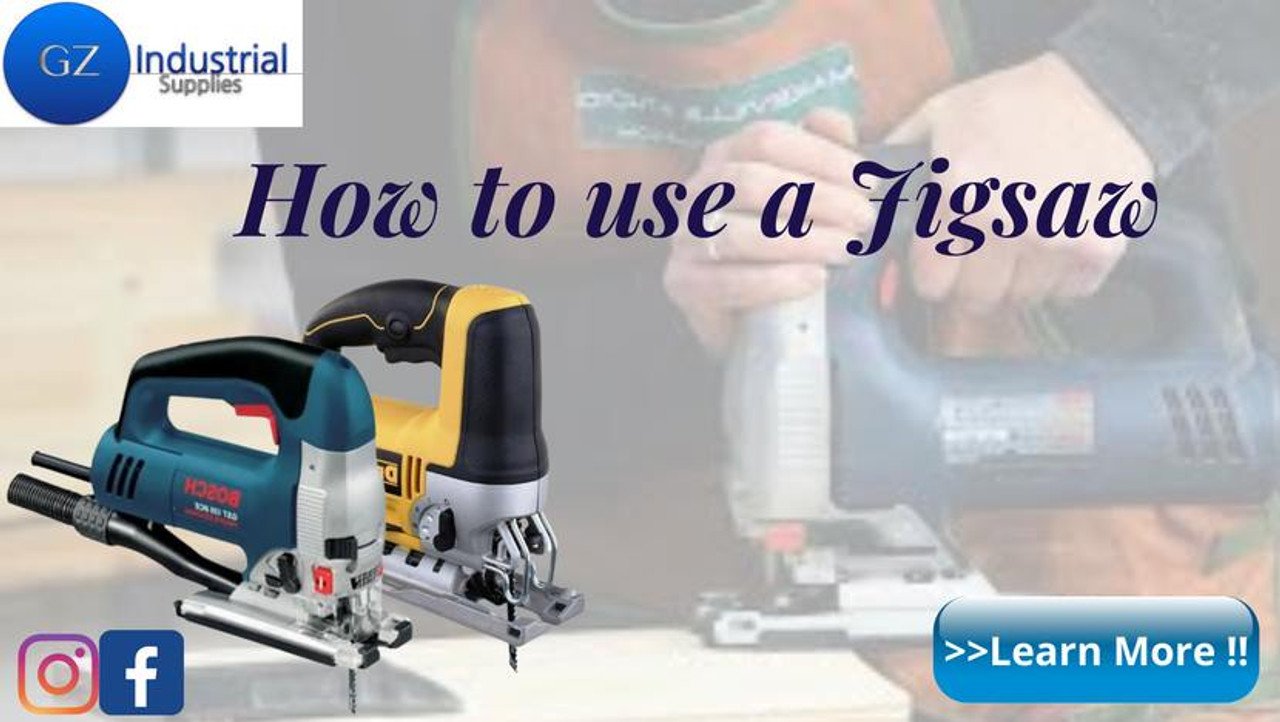
Are you tired of your jigsaw motor stalling just when you need it most? Frustrating, right?
Imagine cutting through your DIY projects with ease and precision every single time. That’s exactly what you can achieve with the right maintenance for your jigsaw motor. Maintaining your jigsaw motor is not just about keeping your tool in top shape; it’s about ensuring every cut is smooth, every project is a success, and every moment spent in your workshop is pure joy.
You’ll discover simple yet effective tips to keep your jigsaw motor running like new. Ready to dive in and give your jigsaw the care it deserves? Let’s get started!

Credit: onevantool.com
Choosing The Right Jigsaw Motor
Choosing the right motor for your jigsaw is important. The motor affects how well your tool cuts and lasts. Knowing different motor types helps you pick the best one for your work.
This guide explains the main types of jigsaw motors. It also covers factors that affect motor performance. Use this information to maintain your jigsaw motor properly.
Types Of Jigsaw Motors
Jigsaw motors come in two main types: brushed and brushless. Each type has benefits and limits. Understanding these helps you select the right motor for your needs.
- Brushed Motors:These have brushes that touch the motor’s spinning part. They are simple and cost less. But the brushes wear out and need replacement.
- Brushless Motors:These use electronics to spin the motor. They last longer and need less maintenance. They run cooler and more quietly too.
Factors Affecting Motor Performance
Several factors change how well a jigsaw motor works. Knowing these helps you keep the motor in good shape and choose the right one for your work style.
| Factor | Impact on Motor | Maintenance Tip |
|---|---|---|
| Power Rating | Determines cutting strength and speed. | Match motor power to job difficulty. |
| Duty Cycle | How long the motor can run without overheating. | Allow cool down time during long use. |
| Cooling System | Keeps motor temperature stable. | Keep vents clean to avoid blockages. |
| Brush Wear (for brushed motors) | Worn brushes reduce motor efficiency. | Check and replace brushes regularly. |

Credit: www.youtube.com
Regular Cleaning Practices
Keeping your jigsaw motor clean helps it work well and last longer. Dust and dirt can cause problems if not removed often.
Regular cleaning is simple and protects your motor from damage. Follow these tips to keep it in good shape.
Removing Dust And Debris
Dust and debris build up on the motor during use. Removing them stops overheating and helps the motor run smoothly.
- Turn off and unplug the jigsaw before cleaning.
- Use a soft brush to gently sweep dust off the motor surface.
- Blow compressed air into the motor vents to clear hidden dirt.
- Wipe the motor housing with a dry cloth to remove remaining dust.
- Avoid using water or liquid cleaners on the motor.
Cleaning Ventilation Slots
Ventilation slots let air flow to cool the motor. Dirt can block these slots and cause heat build-up.
| Tool | Purpose |
| Soft brush | Remove surface dust from slots |
| Compressed air | Blow out dust inside slots |
| Toothpick or small stick | Clear stubborn dirt gently |
| Dry cloth | Wipe slot edges clean |
Lubrication Techniques
Maintaining your Jigsaw motor helps it work longer and better. Lubrication is key to reducing wear and tear.
Proper lubrication keeps parts moving smoothly. It also stops rust and damage.
Recommended Lubricants
Use lubricants made for electric motors or small machines. These protect the motor without causing harm.
Light oils and silicone-based lubricants work well for Jigsaw motors. Avoid thick greases that can clog parts.
- Light machine oil
- Silicone spray lubricant
- Electric motor oil
- Non-conductive grease (for bearings)
How To Apply Lubrication
First, unplug the jigsaw and clean dust from the motor area. Dirt can block lubricant from reaching parts.
Apply lubricant sparingly to motor bearings and moving parts. Too much oil can cause dirt buildup.
- Use a small brush or dropper to add oil
- Turn the motor by hand to spread lubricant
- Wipe away any extra oil to avoid mess
- Repeat lubrication every few months or after heavy use
Checking Electrical Components
Maintaining your jigsaw motor’s electrical parts is important for safe use.
Regular checks help find problems before they cause damage or injury.
Inspecting Power Cords
Look over the power cord for cracks, cuts, or worn spots that could be unsafe.
- Check the entire length of the cord.
- Make sure the plug is not loose or bent.
- Look for any signs of burning or melting.
- Test the cord for stiffness or brittleness.
Replace the power cord if you find any damage to avoid electrical shock or fire.
Testing Switches And Connections
Check that the switch works smoothly and the connections are tight inside the motor.
| Test | What to Check | Action If Faulty |
| Switch Operation | Switch moves easily and clicks on/off | Replace or repair the switch |
| Wire Connections | No loose or frayed wires | Tighten or replace wires |
| Contact Points | Clean and free from corrosion | Clean with electrical contact cleaner |
Blade Maintenance And Replacement
Maintaining the blades of your jigsaw motor is important for safety and performance. Sharp blades cut better and last longer.
Regular checks and timely replacements keep your tool working smoothly. This guide helps you care for your jigsaw blades.
Signs Of Worn Blades
Worn blades do not cut cleanly and can slow your work. Watch for these signs to know when to replace blades.
- Blade teeth are dull or rounded
- Cutting takes more effort than usual
- Blade bends or breaks during use
- Cut edges are rough and splintered
- Unusual noises or vibrations happen
Choosing Compatible Blades
Choose blades that fit your jigsaw model and the material you cut. Using the wrong blade can damage your tool or workpiece.
- Check your jigsaw manual for blade size and type
- Select blades made for wood, metal, or plastic
- Use blades with the right tooth count for smooth cuts
- Look for blades with a secure locking mechanism
- Buy blades from trusted brands for safety
Preventing Overheating
Jigsaw motors can overheat if not used correctly. Overheating shortens motor life and lowers performance.
Taking steps to prevent overheating keeps your motor running smoothly and safely.
Proper Usage Techniques
Use the jigsaw within the recommended speed and load limits. Avoid pushing the tool too hard against the material.
- Hold the tool firmly but do not force it
- Keep the blade sharp to reduce motor strain
- Use the right blade for the material you cut
- Do not block air vents during operation
Allowing Motor Cooling Periods
Let the motor cool down after long or heavy use. Short breaks help prevent heat buildup.
| Use Time | Recommended Cooling Time |
| Up to 15 minutes | 2 minutes |
| 15 to 30 minutes | 5 minutes |
| Over 30 minutes | 10 minutes or more |
Storage And Handling Tips
Proper storage and handling keep your jigsaw motor safe and working well. You can avoid damage by following simple steps. These tips help extend the motor’s life.
Read the guidelines below to store and move your jigsaw motor carefully. This ensures it stays clean and ready for use.
Safe Storage Practices
Store the jigsaw motor in a dry, cool place away from dust and moisture. Keep it covered to prevent dirt buildup. Avoid stacking heavy items on top of it.
- Use a sturdy case or box for storage
- Keep the motor away from water and humidity
- Store in a temperature-controlled area
- Clean the motor before storing to remove debris
- Inspect regularly for rust or damage
Transporting The Jigsaw Motor
Handle the motor with care during transport to avoid shocks or drops. Secure it properly in your vehicle or toolbox to keep it stable.
| Transport Tip | Why It Matters |
| Use padded cases or wraps | Protects from bumps and scratches |
| Keep the motor upright | Prevents oil leaks and internal damage |
| Avoid extreme temperatures | Prevents material warping and malfunctions |
| Secure tightly in place | Stops movement that causes wear |
Professional Servicing Guidelines
Maintaining your jigsaw motor is key to long-lasting performance. Proper care prevents breakdowns and extends motor life.
Professional servicing ensures your motor runs safely and efficiently. Follow expert advice to keep it in top shape.
When To Seek Expert Help
Look for signs that your jigsaw motor needs professional attention. Early help avoids costly repairs.
- Strange noises or vibrations during operation
- Motor overheating or unusual smells
- Loss of power or inconsistent cutting speed
- Visible damage to motor housing or wiring
- Frequent motor stalls or failure to start
Routine Maintenance Checks
Regular checks keep your jigsaw motor running smoothly. Follow these simple tasks often.
| Check Item | Frequency | Action |
| Brush wear | Monthly | Replace if worn down |
| Lubrication | Every 3 months | Apply recommended oil |
| Cleaning | After each use | Remove dust and debris |
| Electrical connections | Quarterly | Tighten and inspect |
| Cooling vents | Monthly | Clear blockages |

Credit: www.ypc.co.uk
Frequently Asked Questions
How Often Should I Service My Jigsaw Motor?
Regular servicing every 6 months keeps your jigsaw motor efficient. Check brushes, bearings, and clean dust build-up. This prevents wear and extends motor life. Frequent maintenance avoids costly repairs and improves cutting performance over time.
What Are The Signs Of A Failing Jigsaw Motor?
Common signs include unusual noises, reduced power, overheating, and intermittent operation. If your jigsaw slows down or stalls, the motor may need inspection. Early detection helps prevent further damage and ensures safe, reliable use.
How Can I Clean A Jigsaw Motor Safely?
Unplug the tool first. Use compressed air to blow out dust and debris. Avoid water or solvents inside the motor. Clean external vents and moving parts gently. Proper cleaning maintains cooling and prevents motor overheating.
Can I Replace Jigsaw Motor Brushes Myself?
Yes, if you have basic tools and skills. Remove the brush caps, take out old brushes, and insert new ones. Ensure correct placement for good contact. This simple task restores motor efficiency and prolongs tool life.
Conclusion
Regular care keeps your jigsaw motor working well for years. Check parts often and clean them gently. Use the right oil and avoid overload. Small fixes prevent big problems later. A well-kept motor saves time and money. Stay patient and follow simple steps.
Your jigsaw will stay strong and reliable. Enjoy smooth cutting every time you use it. Maintenance is easy if you do it often. Keep your tool ready for any project ahead.