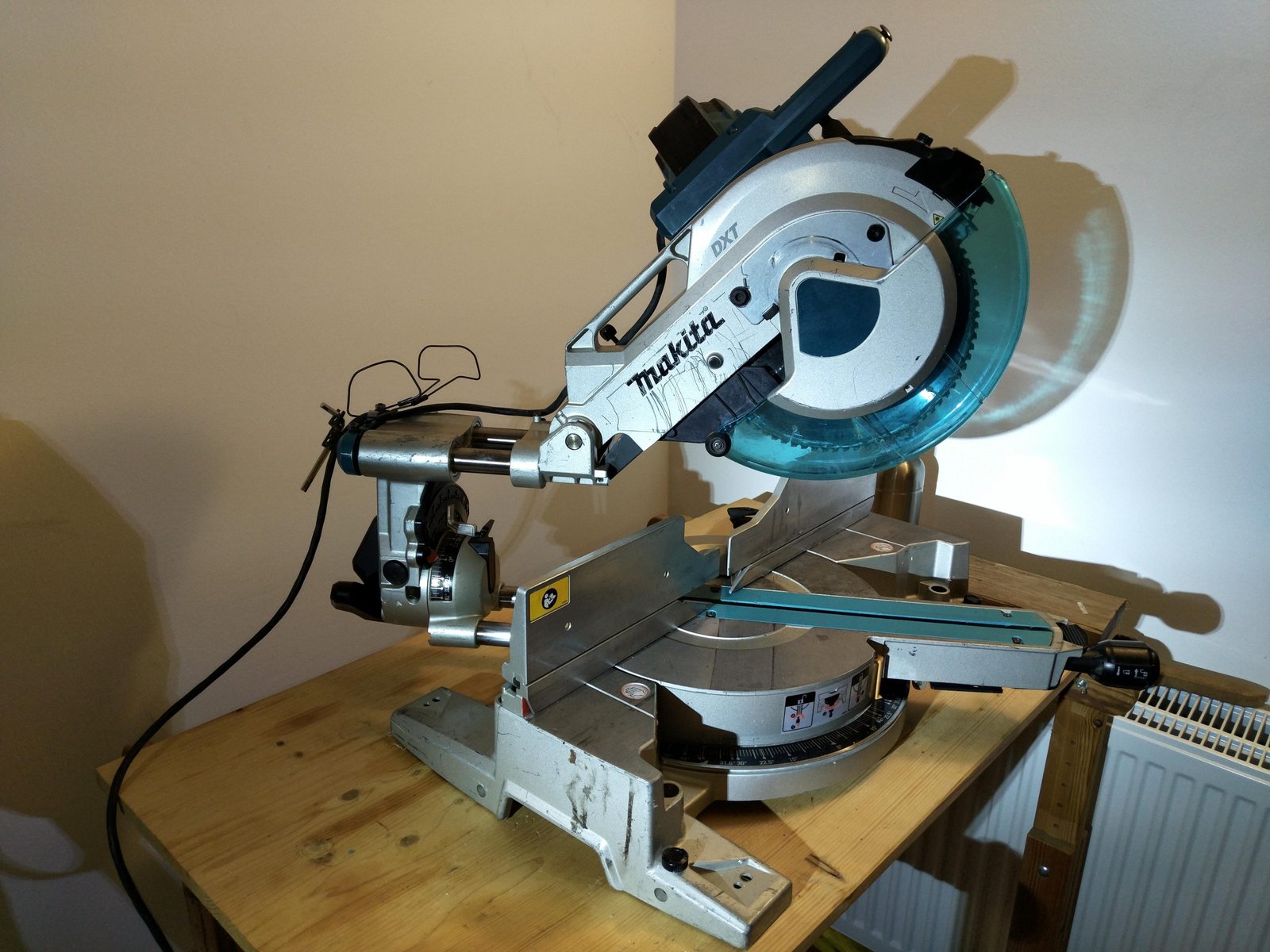
If you want your miter saw to run smoothly and last longer, taking care of its bearings is key. Ignoring this small but important part can lead to poor cuts, strange noises, or even costly repairs.
You might not realize it, but regular maintenance of your saw’s bearings keeps your tool working like new. You’ll discover simple steps to maintain your miter saw bearings easily. By following these tips, you’ll save time, money, and frustration while getting the best performance from your saw every time.
Keep reading to learn how to protect your investment and make your woodworking projects safer and more precise.

Credit: interestingengineering.com
Signs Of Worn Bearings
Miter saw bearings help the blade spin smoothly. Over time, they can wear out and cause problems.
Knowing the signs of worn bearings helps you fix issues early. This keeps your saw working well and safe.
Unusual Noises
Worn bearings often make strange sounds. You might hear grinding, squeaking, or rattling noises.
These sounds happen because the bearings do not spin smoothly. The metal parts may rub against each other.
Vibration Issues
When bearings wear out, the saw can shake more than usual. Vibrations might feel strong in the handle or base.
Increased vibration makes it hard to control the saw. It also causes extra wear on other parts.
- Check for wobbling blade
- Feel for shaking during use
- Notice if vibrations grow over time
Reduced Cutting Precision
Bad bearings can make cuts less accurate. The blade may not stay straight or cut cleanly.
Signs include uneven edges, rough cuts, or pieces that do not fit well together.
Tools Needed For Maintenance
Maintaining the bearings of your miter saw keeps it running smoothly and safely. Using the right tools makes the job easier and more effective.
This guide covers the essential tools you need for cleaning, lubricating, and basic hand work on your saw bearings.
Cleaning Supplies
Cleaning the bearings removes dust, dirt, and old grease. Use supplies that clean well without damaging parts.
- Soft-bristle brush to remove loose debris
- Lint-free cloth for wiping
- Isopropyl alcohol or a bearing cleaner solution
- Compressed air can to blow out dust
Lubricants
Lubricants keep the bearings turning smoothly and reduce wear. Choose lubricants made for small, precise parts.
| Type of Lubricant | Use |
| Light machine oil | General lubrication for bearings |
| Grease | For heavier protection in dusty environments |
| Dry lubricant spray | Prevents dust buildup and is good for dry conditions |
Basic Hand Tools
You need some basic hand tools to access and adjust the bearings safely and correctly.
- Screwdrivers (both flathead and Phillips)
- Hex keys or Allen wrenches
- Wrenches or adjustable spanners
- Needle-nose pliers for small parts
Cleaning Bearings Safely
Maintaining miter saw bearings is important for smooth operation. Cleaning them carefully helps extend their life.
Use safe methods to avoid damage while removing dirt and grime from the bearings. Follow these steps to clean your saw properly.
Disassembling The Saw
Turn off and unplug the saw before starting. Remove the blade guard and blade carefully. Use the right tools to open the casing that holds the bearings.
Removing Dirt And Debris
- Use a soft brush to remove loose dirt.
- Apply a gentle solvent to clean grease and grime.
- Wipe with a clean cloth to avoid residue.
- Never use water or harsh chemicals on bearings.
- Check for damage or wear while cleaning.
Drying Techniques
| Drying Method | Description |
| Air Drying | Leave bearings in a warm, dry place for several hours. |
| Compressed Air | Blow out moisture carefully using low-pressure air. |
| Cloth Wipe | Gently pat dry with a lint-free cloth. |

Credit: www.reddit.com
Lubricating Bearings Properly
Maintaining miter saw bearings helps the tool run smoothly and last longer. Proper lubrication reduces friction and wear on the parts.
Using the right lubricant and applying it well ensures the bearings work efficiently. Knowing how often to lubricate keeps your saw in good shape.
Choosing The Right Lubricant
Pick a lubricant made for high-speed bearings. It should resist heat and not dry out quickly. Avoid thick greases that can slow the bearings.
- Use light machine oil or synthetic bearing grease.
- Check the saw’s manual for recommended types.
- Avoid household oils like WD-40 as main lubricants.
- Choose lubricants that repel dust and dirt.
Applying Lubricant Correctly
Clean the bearings before applying lubricant. Remove old grease and dirt to avoid damage. Use a small brush or a cloth for cleaning.
| Step | Action |
| 1 | Turn off and unplug the saw. |
| 2 | Remove the blade guard to access bearings. |
| 3 | Clean bearings with a cloth or brush. |
| 4 | Apply lubricant sparingly on the bearing surface. |
| 5 | Reassemble the parts securely. |
Frequency Of Lubrication
Lubricate bearings regularly to keep the saw working well. The exact time depends on use and environment.
- For light use, lubricate every 6 months.
- For frequent use, lubricate every 3 months.
- If you work in dusty areas, clean and lubricate monthly.
- Always check bearings if the saw sounds rough or slow.
Reassembling And Testing
After cleaning and inspecting the miter saw bearings, it is time to put everything back together. Proper reassembly ensures your saw runs smoothly.
Testing the saw after reassembly helps you find problems early. This keeps the tool safe and accurate.
Reinstalling Bearings
Carefully place the bearings back into their slots. Make sure they fit snugly without forcing them.
Use light oil or grease to help the bearings move smoothly. Tighten any screws or bolts holding them.
- Clean bearing seats before installing
- Align bearings evenly to avoid wobble
- Use correct tools to avoid damage
Aligning The Blade
Check the blade alignment after installing the bearings. The blade must be straight and centered.
Adjust the blade angle and height to match the saw’s specifications. Use a square or alignment tool for accuracy.
- Loosen blade bolts slightly
- Move blade until perfectly aligned
- Tighten bolts firmly without over-tightening
Performance Checks
Turn on the saw and listen for unusual sounds. Smooth and quiet operation means the bearings are working well.
Make test cuts on scrap wood. Check for smooth cutting and no blade wobble.
- Look for vibrations during operation
- Check cut lines for accuracy
- Stop the saw if you hear grinding noises
Preventive Tips For Longevity
Maintaining your miter saw bearings helps the tool run smoothly. Proper care can extend the life of the saw and keep it safe to use.
Simple steps like regular checks, avoiding stress, and good storage protect the bearings. These tips prevent costly repairs and downtime.
Regular Inspection Schedule
Check your miter saw bearings often to spot wear or damage early. Look for noise, wobbling, or rough movement. Clean dust and debris around the bearings to avoid buildup.
- Turn off and unplug the saw before inspecting.
- Spin the blade by hand to feel for smooth motion.
- Listen for unusual sounds from the bearings.
- Clean dust and dirt from the bearing area.
- Replace bearings if you find cracks or heavy wear.
Avoiding Overloading
Do not force the saw to cut too fast or push too hard. Overloading strains the bearings and causes them to wear out quickly. Use the right blade for the material and let the saw do the work.
| Cause | Effect on Bearings |
| Forcing blade through material | Overheats bearings and causes damage |
| Using dull blades | Increases load and bearing wear |
| Cutting very hard materials | Leads to faster bearing failure |
Storage Best Practices
Store the miter saw in a dry, clean place. Protect it from moisture and dust that can harm bearings. Cover the saw or keep it in a case to prevent rust.
Follow these tips for storing your miter saw:
- Keep the saw covered with a cloth or plastic cover.
- Store in a dry area with low humidity.
- Avoid placing heavy objects on top of the saw.
- Clean the saw before storage to remove sawdust.
When To Replace Bearings
Miter saw bearings help the blade spin smoothly. Over time, they wear out and need replacing. Knowing when to change bearings keeps your saw working well.
Replacing bearings at the right time prevents damage to other parts. It also keeps your cuts accurate and safe.
Assessing Damage Severity
Check bearings for noise, wobbling, or rough spinning. These signs mean the bearings might be damaged.
If the saw blade shakes or makes grinding sounds, the bearings could be worn out. Small problems can get worse fast.
- Loud or unusual noises from the blade area
- Blade wobble during operation
- Rough or sticky blade rotation
- Visible rust or wear on the bearings
Finding Compatible Bearings
Use the saw’s model number to find the right bearings. Bearings come in many sizes and types.
Check the bearing number on the old part or in the saw manual. Match this number for the best fit and performance.
- Look for the exact bearing number printed on the old bearing
- Use the miter saw manual to identify the part number
- Buy from trusted suppliers to ensure quality
- Consider sealed bearings to reduce future maintenance
Professional Replacement Options
If you are unsure about replacing bearings, seek professional help. Experts can remove and install bearings correctly.
Professional service may also check other parts for damage. This keeps your saw safe and running longer.
- Find a local tool repair shop with miter saw experience
- Ask about warranty on their repair work
- Check reviews before choosing a service
- Professional replacement avoids damage from wrong installation

Credit: www.reddit.com
Frequently Asked Questions
How Often Should You Lubricate Miter Saw Bearings?
Lubricate miter saw bearings every six months for optimal performance. Regular lubrication prevents wear and tear. Always use manufacturer-recommended lubricant for best results. Check for any unusual noises or vibrations as signs of needed maintenance. Consistent care prolongs the lifespan of your saw.
What Signs Indicate Worn-out Miter Saw Bearings?
Unusual noise, excessive vibration, and reduced cutting precision indicate worn-out bearings. Overheating during operation can also be a sign. Inspect bearings if you notice these issues. Regular maintenance can prevent such problems. Replace bearings if they appear damaged or excessively worn.
Can You Replace Miter Saw Bearings Yourself?
Yes, you can replace miter saw bearings yourself with proper tools. Follow the manufacturer’s instructions closely. Ensure you have the right replacement parts. If unsure, consult a professional to avoid damage. Regular maintenance can simplify future replacements.
What Tools Are Needed To Maintain Miter Saw Bearings?
You’ll need a wrench, screwdriver, and lubricant to maintain bearings. Use a clean cloth to wipe excess grease. Having the manufacturer’s manual is helpful. Proper tools ensure safe and effective maintenance. Always follow the manufacturer’s guidelines for best results.
Conclusion
Maintaining miter saw bearings keeps your tool running smoothly. Clean and lubricate them regularly for best results. Check for any signs of wear or damage. Replace bearings promptly to avoid bigger problems. Proper care saves money and extends tool life.
Small steps make a big difference in performance. Stay consistent with maintenance to enjoy safe, accurate cuts. Your saw will thank you with longer, better use. Simple habits protect your investment and work quality. Keep your miter saw ready for every project.