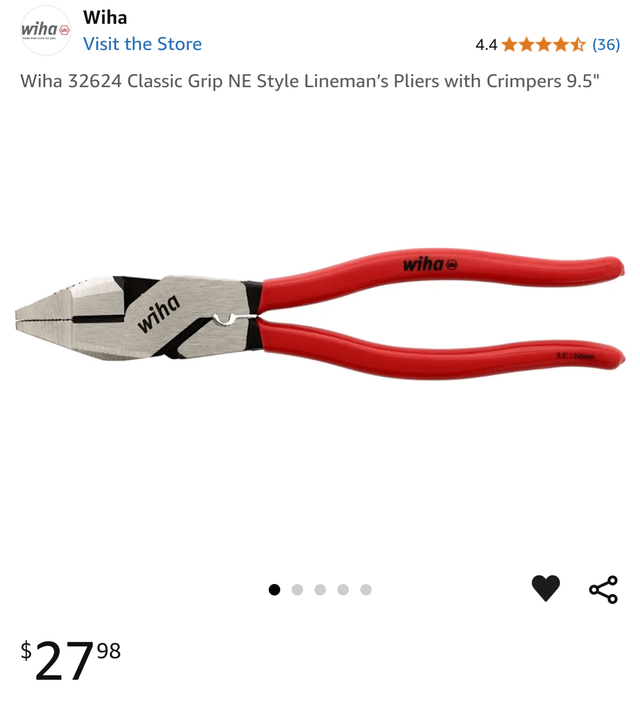
You rely on your pliers for countless tasks, from fixing a loose wire to gripping stubborn nails. But have you ever stopped to think about how well you’re taking care of them?
Without proper maintenance, your trusty tool can rust, stiffen, or even break when you need it most. Imagine tackling a project only to find your pliers stuck or slipping—frustrating, right? You’ll discover simple, effective ways to keep your pliers in top shape.
By following these easy steps, you’ll extend their life and always have a tool that works smoothly when you need it. Keep reading to unlock the secrets of long-lasting pliers.
Choosing Quality Pliers
Good pliers last longer and work better. Picking quality pliers helps you do your jobs with ease.
Look at their material and design. These affect strength and comfort during use.
Material And Build
Pliers made from strong metals resist wear and tear. Steel is a common choice for durability.
Check if the pliers have a rust-resistant finish. This keeps them working well in different conditions.
- Look for hardened steel jaws for better grip.
- Choose pliers with corrosion-resistant coating.
- Ensure the joints move smoothly without looseness.
Ergonomic Design
Comfortable handles reduce hand fatigue. Soft grips and good shape help you hold pliers better.
Choose pliers that fit your hand size well. This improves control and safety while working.
- Look for non-slip handles with cushioned grips.
- Check if the pliers feel balanced in your hand.
- Choose designs that allow easy finger movement.
Regular Cleaning Techniques
Keeping pliers clean helps them work well for many years. Dirt and rust can damage their parts.
Regular cleaning stops buildup and keeps the tool smooth. Clean pliers are safer and easier to use.
Removing Dirt And Debris
Start by wiping off loose dirt with a dry cloth. Use a small brush to get dirt from tight spots.
For stuck dirt, open and close the pliers while brushing. This helps clean the joints well.
- Use a dry or slightly damp cloth
- Choose a toothbrush or small wire brush
- Brush all moving parts carefully
- Remove dust, grease, and old debris
Using Appropriate Cleaning Agents
Use mild soap and water for general cleaning. Avoid harsh chemicals that can harm metal or handles.
For rust spots, apply a small amount of rust remover or use vinegar. Rinse and dry the tool after cleaning.
- Mild dish soap mixed with water
- Rust remover for small rust patches
- White vinegar as a natural rust cleaner
- Soft cloths to apply and wipe agents
- Dry pliers completely after cleaning
Proper Lubrication Methods
Keeping pliers in good condition needs regular lubrication. This helps the tool move smoothly and last longer.
Lubrication stops rust and reduces wear on the moving parts. Using the right method makes a big difference.
Selecting The Right Lubricant
Choose a lubricant that fits your pliers’ use and environment. Some lubricants work better in certain conditions.
- Light machine oil: Good for general use and indoor work.
- WD-40: Helps remove rust but not best for long-term lubrication.
- Grease: Thick and stays on longer, ideal for heavy-duty tools.
- Silicone spray: Water-resistant and good for outdoor tools.
Applying Lubricant Effectively
Applying lubricant the right way ensures pliers work smoothly. Clean the tool before adding lubricant.
| Step | Action |
| 1 | Wipe pliers with a clean cloth to remove dirt. |
| 2 | Apply a small amount of lubricant to the joint area. |
| 3 | Open and close pliers several times to spread lubricant. |
| 4 | Wipe off any extra oil to avoid dirt buildup. |

Credit: www.reddit.com
Rust Prevention Tips
Pliers are useful tools that last longer if you take care of them. Rust can damage the metal and make pliers hard to use.
Preventing rust keeps your pliers in good shape. Simple habits help stop rust from forming.
Storage Solutions
Store pliers in a dry place to avoid moisture. Wet tools rust quickly and lose strength.
Use toolboxes or hangers that keep pliers off damp floors. Good airflow helps keep tools dry.
- Keep pliers in a closed toolbox
- Use silica gel packs to absorb moisture
- Hang pliers on a pegboard in a dry room
- Wipe tools dry before storing
Protective Coatings
Apply light oil or grease to pliers after cleaning. This creates a barrier against rust.
Use rust-preventive sprays or wax for extra protection. Reapply coatings regularly for best results.
- Clean pliers with a cloth before coating
- Use machine oil or mineral oil
- Spray rust inhibitor on metal parts
- Apply wax polish for long-lasting protection
Routine Inspection Practices
Regular inspection helps keep pliers in good shape. It prevents problems before they get worse.
Check your pliers often. This makes sure they work well and last longer.
Checking For Wear And Damage
Look closely at the jaws and handles for cracks or chips. These can stop pliers from gripping properly.
Also check the cutting edges for dullness or nicks. Sharp edges help you work safely and easily.
- Inspect jaws for bent or broken teeth
- Check handles for cracks or splits
- Look at pivot area for rust or wear
- Examine cutting edges for chips or dullness
Tightening Loose Parts
Loose parts make pliers unsafe and hard to use. Tighten screws or bolts at the pivot point.
Use the right tools to avoid damage. Keep the parts snug but do not over-tighten them.
- Check pivot screw or bolt for looseness
- Tighten using screwdriver or wrench
- Test pliers for smooth opening and closing
- Do not force parts if they feel stuck

Credit: x.com
Safe Usage Habits
Using pliers safely helps them last longer and keeps you safe. You must handle them with care and attention.
Good habits prevent damage to the tool and reduce the risk of injury while working.
Avoiding Overloading
Do not use pliers for tasks that require more force than they can handle. Overloading can break the tool or cause accidents.
- Use pliers only within their designed limits
- Avoid twisting or bending with pliers
- Do not use pliers as a hammer or wrench
- Check the tool for signs of wear before use
- Replace pliers if they show cracks or damage
Using Correct Techniques
Proper technique helps you work efficiently and protects the pliers from damage.
| Technique | How to Do It |
| Grip | Hold the handles firmly but not too tight |
| Position | Align the jaws correctly with the workpiece |
| Force | Apply even pressure without sudden jerks |
| Movement | Use smooth opening and closing motions |
Sharpening And Repair
Pliers are useful tools that need care to last long. Keeping their edges sharp and fixing small damages helps them work well.
This guide explains how to resharpen plier edges and repair minor damages safely and easily.
Resharpening Edges
Dull plier edges reduce grip and can damage materials. Sharpening them restores their function and safety.
- Clean the pliers before sharpening to remove dirt and rust.
- Use a fine metal file or sharpening stone for best results.
- Hold the pliers firmly and file the edges at the original angle.
- Check the sharpness frequently to avoid over-sharpening.
- After sharpening, wipe off metal dust and apply light oil to prevent rust.
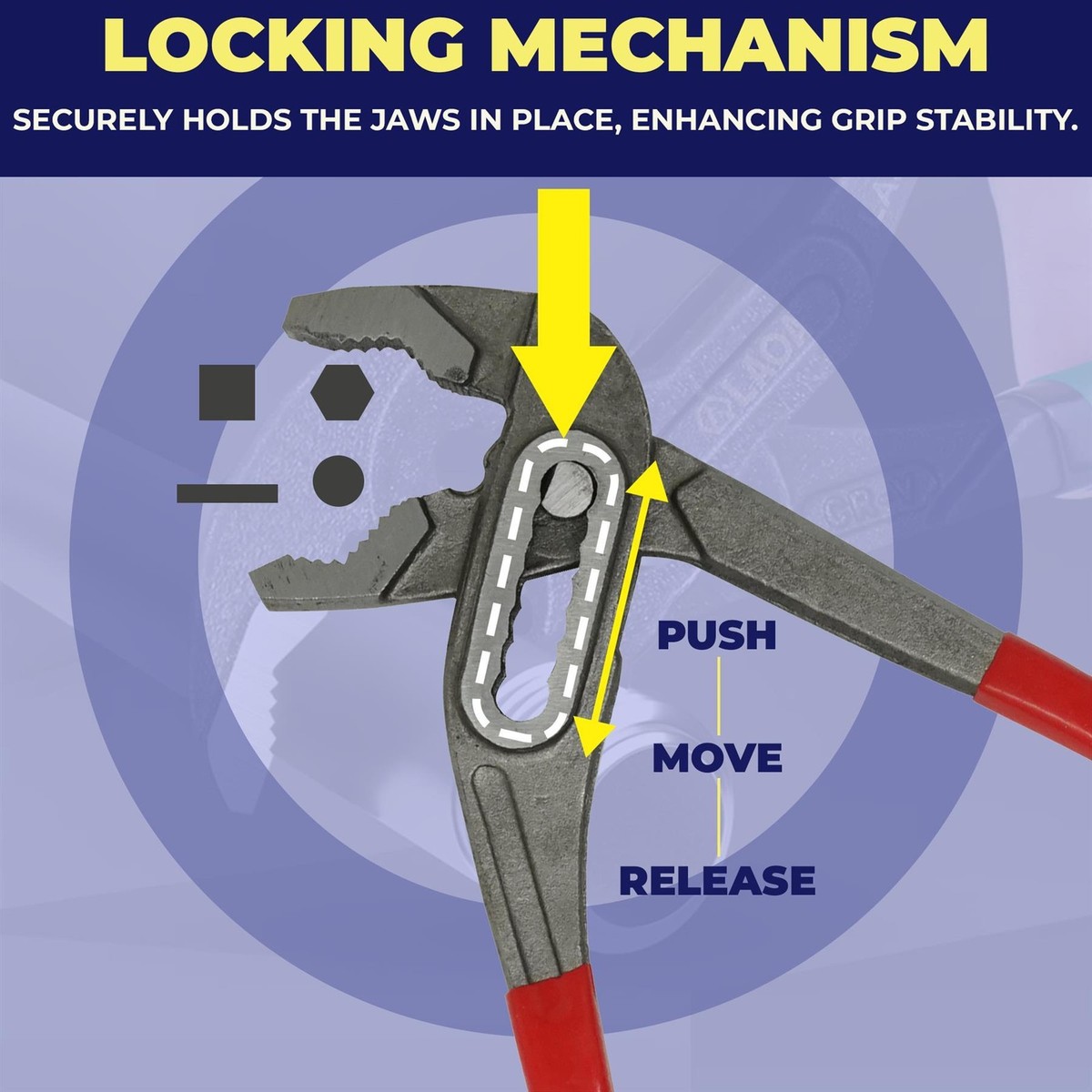
Fixing Minor Damages
Small dents, bends, or rust spots can reduce plier performance. Fix these issues early to avoid bigger problems.
| Damage Type | Fix Method | Tools Needed |
| Bent Jaw | Gently bend back into shape using a vise or hammer. | Vise, soft hammer |
| Dents | File or sand smooth to restore surface. | Metal file, sandpaper |
| Rust Spots | Remove rust with steel wool or rust remover. Apply oil after. | Steel wool, rust remover, oil |
Credit: www.ebay.co.uk
Storage And Organization
Keeping pliers stored well helps them last longer. Proper organization prevents damage and saves time.
Good storage also keeps your workspace neat. You can find the right pliers quickly when you need them.
Using Toolboxes And Holders
Toolboxes and holders keep pliers safe and easy to reach. Choose a toolbox with compartments to separate different types.
- Use foam inserts to protect pliers from scratches.
- Hang holders on walls for better space use.
- Keep similar pliers grouped together.
- Make sure holders fit your pliers’ sizes.
- Store pliers in a dry place to avoid rust.
Labeling For Easy Access
Labels help you find pliers fast. Label each slot or compartment clearly with the plier type or size.
| Label | Purpose | Example |
| Needle-nose | Long, pointed tips for gripping small objects | Electronics work |
| Slip-joint | Adjustable pivot for two sizes | General use |
| Cutting | Sharp edges to cut wire | Electrical tasks |
Frequently Asked Questions
How Often Should I Clean My Pliers?
Clean your pliers after every use to remove dirt and grime. Regular cleaning prevents rust and ensures smooth operation. Use a cloth or brush with mild detergent for best results.
What Is The Best Way To Lubricate Pliers?
Apply a few drops of light machine oil on the pivot joint. This reduces friction and prevents rust. Wipe off excess oil to avoid attracting dust.
How Do I Prevent Rust On Pliers?
Store pliers in a dry place and wipe them clean after use. Applying a thin layer of oil also helps to protect metal surfaces from moisture.
Can I Sharpen The Gripping Teeth On Pliers?
Yes, use a fine file to sharpen gripping teeth carefully. This restores their grip strength and improves tool efficiency.
Conclusion
Caring for your pliers ensures they last longer. Clean them after each use. Keep them dry to prevent rust. Lubricate joints regularly for smooth operation. Store them in a safe, dry place. Check for damage and repair promptly. Proper maintenance saves money and time.
Quality tools are a good investment. A little effort goes a long way. Follow these tips for reliable pliers. Happy tool-using!