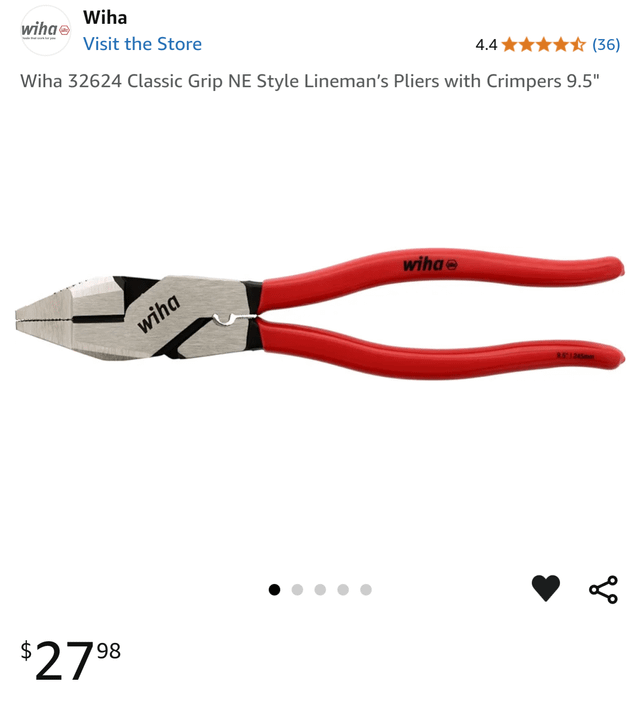
If you want your pliers to last for years and work like new every time, proper care is key. Imagine reaching for your trusted tool only to find it rusty or stiff—frustrating, right?
By learning a few simple maintenance tips, you can avoid that hassle and keep your pliers ready for any job. This guide will show you exactly how to care for your pliers so they stay strong, smooth, and reliable. Keep reading to discover easy steps that will save you time, money, and stress in the long run.
Choosing The Right Pliers
Pliers are a useful tool for many tasks. Picking the right pliers helps you work better and lasts longer.
Different jobs need different pliers. Knowing what type and quality to choose saves time and effort.
Types Of Pliers
Pliers come in many shapes and sizes. Each type suits a specific task.
- Needle-nose pliers are good for small spaces and detailed work.
- Slip-joint pliers adjust to grip different sizes of objects.
- Cutting pliers help to cut wires and small materials.
- Locking pliers hold items tightly without extra force.
Choose the type that fits your work. Using the right pliers reduces damage and wear.
Material Quality
Good material makes pliers strong and long-lasting. Cheap materials break or rust easily.
Look for pliers made from high-quality steel. Steel with a rust-resistant finish works best.
- Chrome vanadium steel is strong and durable.
- Carbon steel is tough but needs a protective coating.
- Stainless steel resists rust and corrosion well.
Check if the handles have good grips. Comfortable handles reduce hand fatigue and improve control.
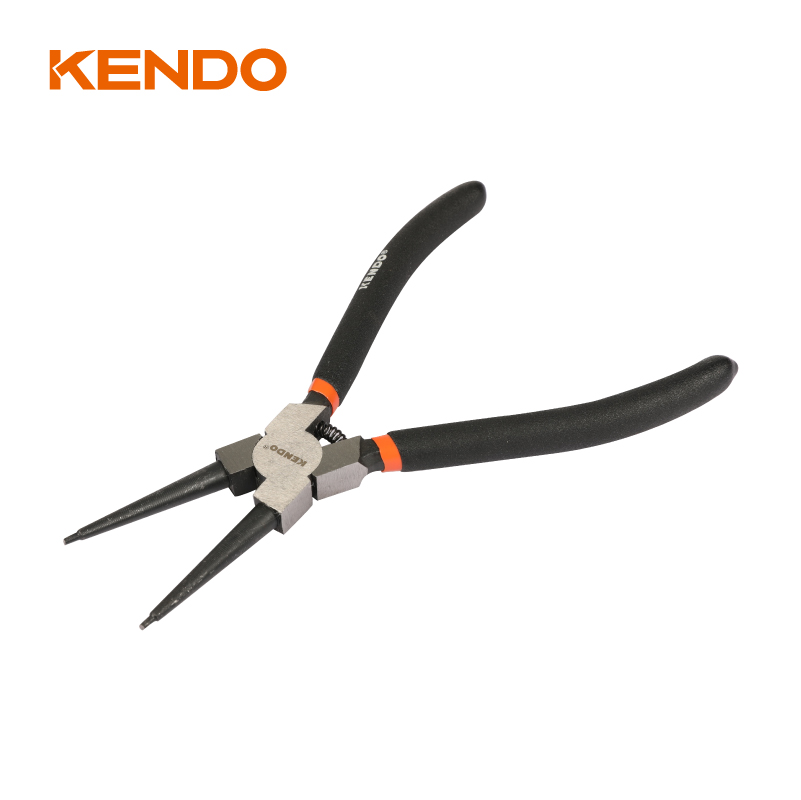
Credit: www.kendo.com
Cleaning Techniques
Keeping pliers clean helps them last longer and work better. Dirt and grime can make pliers hard to use.
Regular cleaning protects the metal from rust and damage. Learn how to clean your pliers properly.
Removing Dirt And Debris
Start by wiping off loose dirt with a dry cloth. Use a small brush to clean hard-to-reach spots.
For sticky grime, soak the pliers in warm, soapy water for a few minutes. Then scrub gently with a brush.
- Wipe pliers with a dry cloth
- Use a brush for tight areas
- Soak in warm, soapy water if needed
- Rinse and dry completely to prevent rust
Using Lubricants
Lubricants keep pliers moving smoothly. Apply a small drop to the joint where the handles meet.
Use a clean cloth to spread the oil evenly. Wipe off any extra to avoid attracting dust.
- Choose a light machine oil or lubricant
- Apply a drop on the pivot joint
- Work the handles to spread the oil
- Wipe excess oil away
Proper Storage Methods
Keeping pliers in good condition starts with storing them properly. Good storage stops damage and helps tools last longer.
Learn simple ways to avoid moisture and organize your pliers for easy use and care.
Avoiding Moisture
Moisture can cause rust and weaken your pliers. Store them in dry places to keep them safe.
- Use silica gel packs in your toolbox to absorb moisture.
- Keep pliers away from damp basements or garages.
- Wipe tools dry before storing after use.
- Apply a light coat of oil to metal parts to prevent rust.
Organizing Your Tools
Organizing pliers helps you find them quickly and keeps them safe from damage.
| Storage Method | Benefit |
| Toolbox with compartments | Prevents tools from banging together |
| Magnetic strips on the wall | Keeps tools visible and easy to reach |
| Tool rolls or pouches | Protects tools during transport |
| Pegboards with hooks | Organizes tools by size and type |
Regular Inspection
Regular inspection keeps pliers working well for a long time. It helps find small problems early. Fixing these problems stops bigger damage.
Check your pliers often. Look closely at all parts before and after use. This saves money and keeps tools safe.
Checking For Wear And Damage
Look for cracks, rust, or bent parts on the pliers. Worn jaws make gripping hard. Rust can weaken the metal.
- Examine the jaws for chips or uneven wear
- Check handles for cracks or loose grips
- Look for rust spots on metal surfaces
- Test the pivot for smooth movement without wobble
Tightening Loose Parts
Loose parts affect pliers’ performance. Tighten screws or bolts to keep parts secure. Loose pivots can cause slipping or damage.
| Part | Inspection | Action |
| Pivot bolt | Check for looseness | Tighten with a wrench |
| Handle grips | Check for movement | Re-glue or replace if loose |
| Cutting edges | Check alignment | Adjust or sharpen if needed |
Sharpening And Adjustments
Maintaining pliers ensures they work well for a long time. Sharpening and adjusting them keeps their jaws tight and effective.
Regular care helps avoid damage and improves their grip and cutting ability. Let’s look at how to keep your pliers in top shape.
Keeping Jaws Sharp
Sharp jaws make cutting easier and prevent slipping. Use a fine file or sharpening stone to maintain the edges.
- Clean the jaws before sharpening to remove dirt.
- Hold the pliers firmly and file the jaws at the original angle.
- Use smooth, even strokes to avoid uneven edges.
- Check the sharpness by lightly touching the edges.
- Wipe off metal dust and oil the jaws to prevent rust.
Adjusting Tension
Proper tension lets the pliers open and close smoothly. Too loose or too tight tension reduces control and causes wear.
| Signs of Wrong Tension | Adjustment Tips |
|---|---|
| Pliers feel loose and jaws don’t close fully | Tighten the pivot screw slightly with a screwdriver |
| Pliers are too hard to open or close | Loosen the pivot screw for easier movement |
| Pivot screw is missing or damaged | Replace the screw to restore proper tension |
| Rust or dirt on the pivot joint | Clean and lubricate the joint before adjusting |
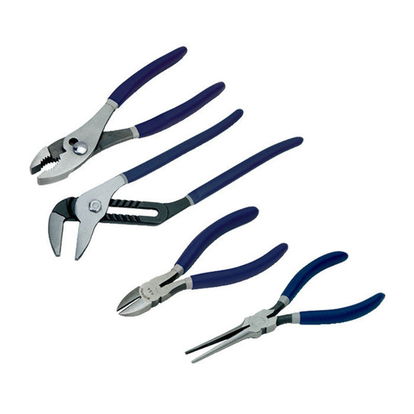
Credit: www.protorquetools.com
Safety Precautions
Using pliers safely helps them last longer. It also protects you from injury.
Follow simple safety rules every time you use your pliers. This keeps both you and the tool safe.
Using Protective Gear
Always wear protective gloves to avoid cuts and pinches. Safety glasses protect your eyes from flying debris.
Good gear reduces accidents and helps you handle pliers better. Choose gloves that fit well and glasses that are clear.
- Wear gloves with a good grip
- Use safety glasses with side protection
- Keep your gear clean and in good shape
Avoiding Misuse
Use pliers only for their intended jobs. Do not use them as hammers or pry bars.
Misuse can damage the pliers and cause accidents. Always choose the right pliers for your task.
- Do not cut hardened wires with standard pliers
- Avoid applying too much force
- Keep pliers clean and dry to prevent rust
- Store pliers in a safe, dry place
When To Replace Pliers
Pliers are strong tools used for gripping and cutting. Over time, they wear out or get damaged. Knowing when to replace them keeps your work safe and easy.
Replacing pliers at the right time helps avoid accidents and poor results. Watch for signs that your pliers cannot be fixed anymore.
Signs Of Irreparable Damage
Check your pliers for these clear signs that mean you should replace them:
- Broken or bent jaws that do not close tightly
- Worn or missing teeth on the gripping surfaces
- Loose or cracked handles that affect control
- Rust that causes parts to stick or break
- Cutting edges that are chipped or dull beyond sharpening
Choosing A Replacement
Pick new pliers based on your needs and how you use them. Here is a simple table to help you choose:
| Type of Work | Recommended Pliers | Key Features |
| General gripping | Slip-joint pliers | Adjustable jaw width, versatile |
| Cutting wires | Diagonal cutting pliers | Sharp cutting edges, angled head |
| Heavy-duty tasks | Locking pliers | Strong grip, locking mechanism |
| Electrical work | Needle-nose pliers | Long, narrow jaws for precision |

Credit: www.slashgear.com
Frequently Asked Questions
How Often Should I Clean My Pliers For Best Maintenance?
Clean your pliers after every use to remove dirt and debris. Regular cleaning prevents rust and ensures smooth operation. Use a dry cloth or mild detergent with water. Dry thoroughly to avoid moisture buildup. Consistent cleaning extends the tool’s life and maintains its performance.
What Is The Best Way To Lubricate Pliers?
Apply a few drops of light machine oil to the pivot joint. Lubrication reduces friction and prevents rust. Wipe off excess oil to avoid attracting dust. Perform this regularly to keep the pliers working smoothly and to prolong their lifespan.
Can I Sharpen Pliers’ Cutting Edges Myself?
Yes, you can sharpen cutting edges using a fine file or sharpening stone. Work carefully to maintain the original bevel angle. Avoid overheating the metal by using slow, steady strokes. Proper sharpening enhances cutting efficiency and extends tool usability.
How Should I Store Pliers To Prevent Damage?
Store pliers in a dry, clean toolbox or hang them on a pegboard. Avoid humid or damp environments to prevent rust. Keep them separate from other tools to avoid accidental damage. Proper storage preserves their condition and readiness for use.
Conclusion
Caring for your pliers ensures they last longer. Clean them regularly to prevent rust. Use oil to keep them smooth and rust-free. Store in a dry place to avoid moisture damage. Check for any damage and fix it quickly. Proper maintenance saves money on replacements.
Follow these tips for reliable pliers every time. Stay consistent with care to enjoy their benefits. Happy working with your well-maintained tools!