Are you tired of your power tool accessories giving up on you just when you need them the most? You invest time and money in these essential tools, but without proper care, they can quickly lose their edge.
Imagine the frustration of a dull blade or a worn-out drill bit ruining your project. The good news is, with a few easy steps, you can keep your power tool accessories in top-notch condition, extending their life and ensuring they perform at their best.
We’ll share some practical tips that will not only save you money but also enhance your efficiency and satisfaction with your tools. Ready to unlock the secrets to maintaining your power tool accessories like a pro? Let’s dive in and keep those tools working as hard as you do!
Credit: www.housedigest.com
Choosing The Right Accessories
Selecting the right accessories for your power tools keeps them working well. Good accessories fit your tool and the job you need.
Using the correct accessories helps avoid damage and improves safety. This guide covers key points to consider.
Material Compatibility
Choose accessories made for the material you want to work on. Different materials need different types of blades or bits.
Using the wrong accessory can damage your tool or the material. It can also cause accidents or poor results.
- Wood requires saw blades or drill bits designed for wood
- Metal needs accessories made to cut or drill metal safely
- Concrete and masonry need special bits or blades for hard surfaces
Quality Indicators
Look for accessories made from strong materials. High-quality accessories last longer and perform better.
Check for smooth finishes and no cracks or defects. Sharp edges and teeth work more efficiently and safely.
- Hard metals like carbide tips last longer
- Heat-treated accessories resist wear
- Well-balanced accessories reduce vibration
Brand Recommendations
Choose accessories from brands known for quality and safety. Trusted brands test their products to meet standards.
Buying from a reputable brand helps you get the right fit and support if you have issues.
- Look for brands that match your power tool maker
- Check reviews for real user experiences
- Choose brands with clear warranty policies
Cleaning Techniques
Cleaning power tool accessories keeps them in good shape. Dirt and dust can cause problems if not removed.
Use the right cleaning methods to make accessories last longer and work better.
Removing Debris
Start by removing loose dirt and debris from the accessories. This stops buildup that can cause damage.
Brush off dust and particles after each use to keep parts clean and ready.
- Use a soft brush to sweep away loose dirt
- Tap accessories gently to loosen stuck debris
- Blow air with a compressor to clear hard-to-reach spots
Using Proper Cleaning Tools
Choose cleaning tools that fit the accessory type. The right tools avoid damage and clean well.
Soft cloths, brushes, and compressed air work best for most accessories.
- Microfiber cloths prevent scratching surfaces
- Small brushes clean tight spaces effectively
- Compressed air removes dust without touching parts
Avoiding Damage During Cleaning
Clean gently to avoid harming delicate parts. Rough cleaning can break or wear out accessories.
Use mild cleaners and avoid soaking accessories unless safe to do so.
- Do not use harsh chemicals that can corrode metal
- Never soak accessories unless manufacturer allows it
- Dry accessories fully before storing to prevent rust
Storage Solutions
Keeping power tool accessories safe helps them last longer. Proper storage stops damage and keeps tools ready to use.
Good storage also saves space and makes it easy to find what you need. Let’s look at smart ways to store your accessories.
Organized Storage Options
Organize your accessories by type and size to avoid confusion. Use containers or racks to keep items tidy and easy to reach.
- Use clear plastic bins to see contents easily
- Label boxes or drawers for quick access
- Store small parts in divided containers
- Wall-mounted racks save floor space
- Toolboxes with compartments keep items sorted
Protecting From Moisture
Moisture can cause rust and damage your accessories. Keep them dry by storing in moisture-free areas.
- Use silica gel packs inside storage containers
- Keep storage areas well-ventilated
- Wipe tools dry before storing
- Store accessories off the ground to avoid water contact
Temperature Considerations
Extreme heat or cold can weaken tool parts. Store accessories in a place with stable, moderate temperatures.
- Avoid direct sunlight on stored accessories
- Keep storage away from heaters or cold drafts
- Use insulated storage boxes if needed
- Check storage area temperature regularly
Credit: www.shopjfi.com
Routine Inspection
Regular checks help keep power tool accessories safe and working well. Inspection stops problems before they get worse.
Look closely at each accessory often. This helps find small issues early.
Signs Of Wear And Tear
Wear and tear means parts show damage from use. Check for cracks, chips, or dull edges on blades and bits.
Worn parts can reduce tool performance and cause accidents. Replace items that look weak or broken.
- Cracks or chips on blades and bits
- Loose or bent parts
- Dull cutting edges
- Unusual noises during use
Checking For Rust And Corrosion
Rust and corrosion damage metal parts of accessories. Look for brown or orange spots on metal surfaces.
Rust weakens tools and may cause them to break. Clean and dry accessories after use to stop rust.
- Check metal parts for discoloration
- Use a wire brush to remove light rust
- Apply oil to protect metal surfaces
- Store accessories in dry places
Replacing Damaged Parts
Replace damaged parts to keep tools safe and working well. Use parts that fit your tool model exactly.
Do not use cracked or worn parts. Follow the tool manual for correct replacement steps.
- Match replacement parts with your tool brand
- Follow safety instructions when changing parts
- Test the tool after replacement
- Dispose of old parts properly
Lubrication And Sharpening
Keeping power tool accessories in good condition helps them last longer. Lubrication and sharpening are key tasks.
Proper care reduces wear and keeps tools working smoothly and safely.
When To Lubricate
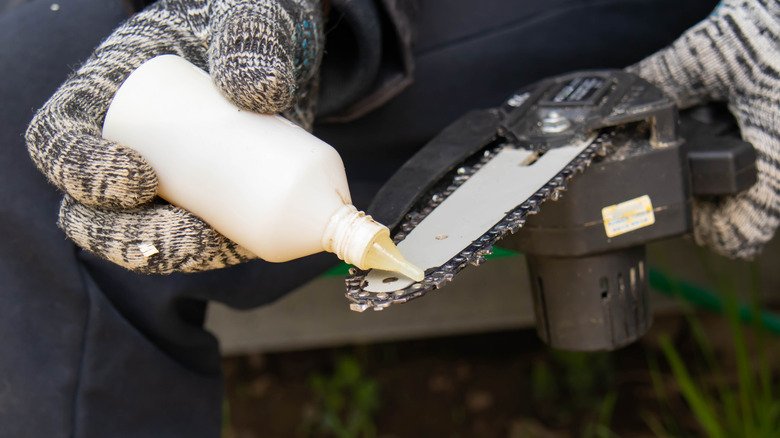
Lubricate accessories regularly to prevent rust and friction. Check before and after heavy use. If parts start to squeak or move stiffly, lubrication is needed.
- After cleaning accessories
- When parts show signs of dryness
- Before storing tools for a long time
- After exposure to water or moisture
Suitable Lubricants
Choose the right lubricant to protect and improve tool performance. Avoid thick greases on delicate parts.
| Lubricant Type | Best For | Notes |
| Light machine oil | Moving joints, bearings | Penetrates well, reduces friction |
| Silicone spray | Plastic and rubber parts | Safe for non-metal surfaces |
| Dry graphite lubricant | High temperature parts | Does not attract dust |
| Grease | Heavy load gears | Use sparingly to avoid buildup |
Sharpening Blades And Bits
Sharp blades and bits cut better and last longer. Sharpen them regularly to keep performance high and reduce tool strain.
- Use a sharpening stone or file for blades
- Follow the original angle of the cutting edge
- Sharpen drill bits with a bit sharpener or grinder
- Wear safety glasses during sharpening
- Clean accessories after sharpening to remove metal dust
Safe Handling Practices
Power tool accessories need careful handling to last longer. Safe handling keeps you and your tools safe.
Follow simple rules to use, cool, and carry your accessories properly.
Proper Usage Techniques
Use power tool accessories only for their intended purpose. Avoid forcing them into work they are not made for.
Always read the instructions that come with the accessories. This helps prevent damage and keeps you safe.
- Match accessories with the right tool model
- Install accessories securely before use
- Wear safety gear like gloves and goggles
- Keep hands away from moving parts
Avoiding Overheating
Overheating can ruin accessories and tools. Stop work if the accessory feels too hot to touch.
Let accessories cool down before using them again. This prevents damage and keeps performance stable.
- Work at a steady pace without forcing the tool
- Take breaks to let accessories cool
- Clean accessories to prevent dust buildup
- Replace worn parts to reduce heat build-up
Transporting Accessories Safely
Store power tool accessories in a strong case during transport. This stops damage from bumps and drops.
Keep sharp or heavy accessories separate to avoid injury. Label cases if needed for easy identification.
- Use padded boxes or tool bags
- Secure loose accessories with straps or compartments
- Handle boxes with care to avoid dropping
- Check accessories after transport for damage
Extending Accessory Lifespan
Power tool accessories wear out over time. Proper care helps them last longer. This saves money and improves work quality.
Maintaining accessories means using them wisely and checking them often. Small actions can prevent damage and keep tools ready.
Balancing Use And Rest
Using power tool accessories without breaks causes overheating and wear. Give them time to cool down. This prevents damage and keeps them sharp.
Plan work to allow rest periods. Avoid running accessories at full speed for too long. This balance improves their lifespan.
- Use accessories in short bursts
- Turn tools off during breaks
- Let accessories cool before reuse
- Monitor heat build-up during work
Upgrading When Necessary
Old accessories may not work well or fit newer tools. Upgrading helps maintain efficiency and safety. Replace worn or damaged parts quickly.
Choose accessories that match your tool model. Newer versions often last longer and perform better. Regular upgrades keep your work smooth.
- Check accessories for wear before use
- Replace cracked or dull parts
- Buy upgrades for compatibility
- Follow manufacturer guidelines
Keeping Accessories Updated
Keep accessories clean and free from rust. Remove dust and debris after each use. Proper storage prevents damage and keeps tools ready.
Regularly sharpen blades and bits. Lubricate moving parts if needed. Staying updated extends the accessory’s life and improves results.
- Clean accessories after every use
- Store in dry, safe places
- Sharpen cutting tools regularly
- Lubricate parts if recommended
Credit: www.housedigest.com
Frequently Asked Questions
How Often Should I Clean Power Tool Accessories?
Clean power tool accessories after every use. This prevents buildup of debris and prolongs their lifespan. Use a brush or compressed air for thorough cleaning.
What Is The Best Way To Store Power Tool Accessories?
Store accessories in a dry, organized case or container. Avoid moisture and direct sunlight to prevent rust and damage. Label compartments for easy access.
How Can I Prevent Rust On Power Tool Accessories?
Apply a light coat of oil on metal parts to prevent rust. Store accessories in a dry place and use silica gel packs to absorb moisture.
When Should I Replace Power Tool Accessories?
Replace accessories if they show signs of wear, damage, or dullness. Using worn parts reduces efficiency and may cause safety hazards.
Conclusion
Keeping power tool accessories clean and sharp saves time and money. Check them often for wear or damage. Store accessories in dry, safe places to stop rust. Use the right tool for each job to avoid damage. Regular care helps tools last longer and work better.
Small efforts now prevent big problems later. Take care of your tools, and they will take care of you. Simple steps make a big difference in tool performance and safety.