Your power tools are only as strong as their batteries. If you want your tools to perform at their best every time, you need to take care of your batteries properly.
Ignoring simple maintenance can lead to shorter battery life, unexpected downtime, and costly replacements. But don’t worry—you don’t need to be a tech expert to keep your batteries healthy. You’ll discover easy, practical tips that will help you get the most out of your power tool batteries.
Keep reading, and you’ll save money, boost your tools’ performance, and avoid frustrating interruptions during your projects.
Credit: www.slashgear.com
Choosing The Right Battery
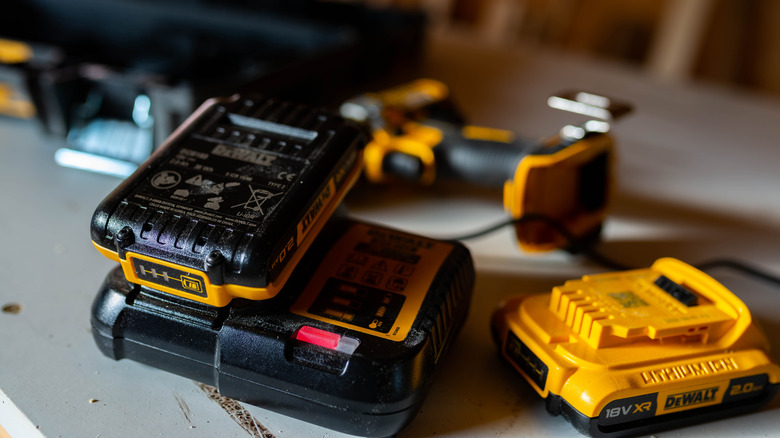
Picking the right battery helps your power tools work better and last longer. Batteries come in many types and sizes. Knowing these will save you time and money.
Learn about the common types of power tool batteries and tips to check battery compatibility before buying or replacing one.
Types Of Power Tool Batteries
Power tool batteries mainly come in three types. Each type has different features and uses. Here is a simple guide to help you understand them.
- Nickel-Cadmium (NiCd):These are older batteries. They are tough but can lose capacity if not fully discharged.
- Nickel-Metal Hydride (NiMH):They hold more charge than NiCd but can get hot while charging.
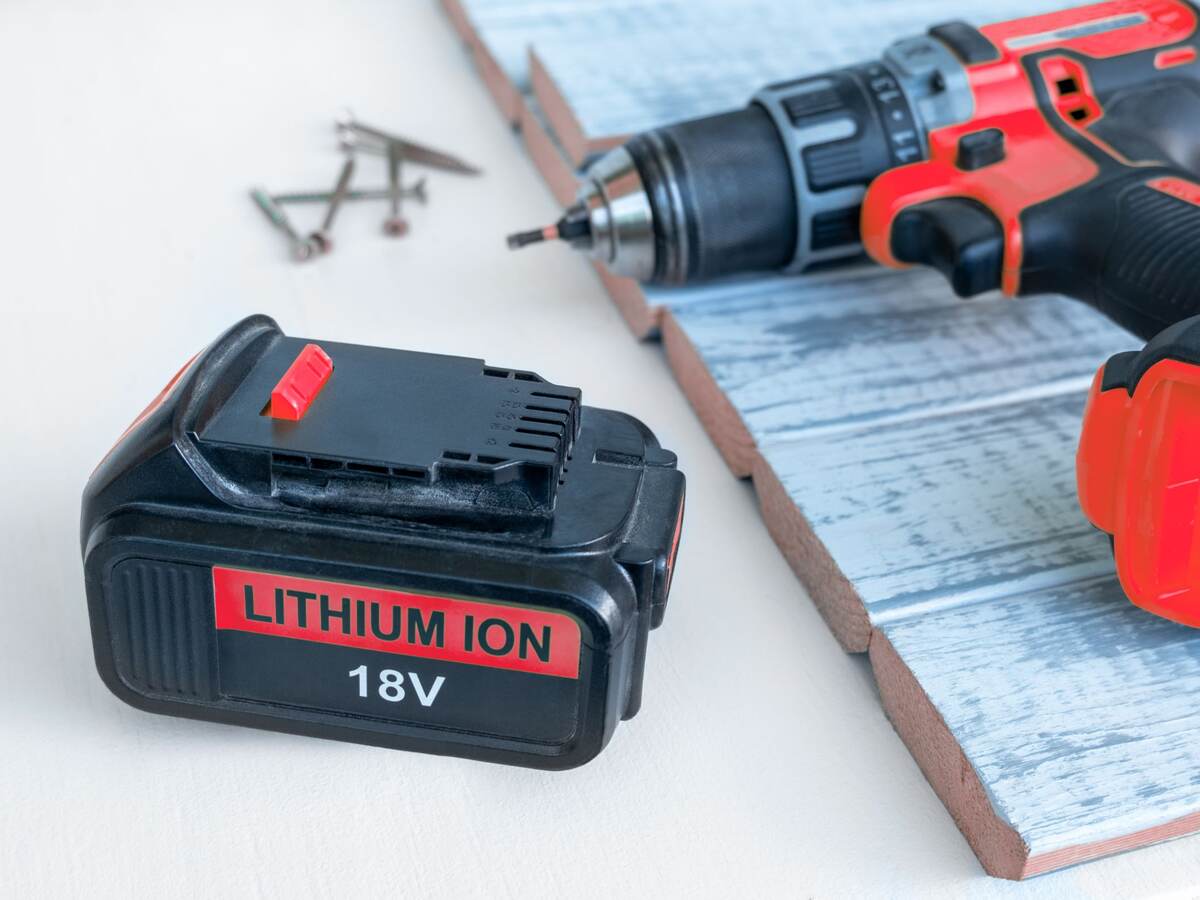
- Lithium-Ion (Li-Ion):Modern batteries that are light and hold charge longer. They do not have memory problems.
Battery Compatibility Tips
Using the correct battery type and size is key for safety and performance. Check these tips before buying or using a battery with your power tool.
| Check Model Numbers | Match the battery model to your tool’s model for best fit. |
| Voltage Match | Use batteries with the same voltage as your tool requires. |
| Brand Recommendations | Use batteries from the tool’s brand or approved brands only. |
| Physical Size | Ensure the battery fits securely in the tool’s battery slot. |
| Charging System | Use the charger made for your battery type to avoid damage. |

Credit: www.youtube.com
Proper Charging Practices
Power tool batteries need proper charging to last longer. Good charging habits keep batteries healthy and working well.
Follow simple charging rules to avoid damage and get the best battery life from your tools.
Optimal Charging Times
Charge batteries after use, but do not wait until they are fully empty. Partial discharge and recharge help batteries last longer.
Do not leave batteries uncharged for many days. Charge them regularly to keep power levels stable.
- Charge batteries soon after use
- Avoid deep discharges before charging
- Do not leave batteries unused and uncharged
Avoiding Overcharging
Overcharging can harm battery cells and reduce battery life. Most modern chargers stop charging when full.
Do not leave batteries on the charger for days. Remove batteries once they are fully charged to prevent damage.
- Use chargers with auto shut-off features
- Remove batteries promptly after full charge
- Avoid charging batteries overnight
Using The Correct Charger
Always use the charger made for your battery type. Using wrong chargers can cause poor charging and battery damage.
Check the voltage and charging specs before charging. Match them with the battery to keep it safe and efficient.
- Use chargers designed for your battery brand
- Check voltage and current ratings on the charger
- Avoid cheap or generic chargers not made for your battery
Storage Guidelines
Power tool batteries need proper storage to last longer. Storing them well keeps their power and safety.
Follow simple steps to keep batteries in good shape when not in use.
Ideal Storage Conditions
Keep batteries in a cool, dry place away from direct sunlight. Heat can damage the battery cells.
Avoid storing batteries in very cold places. Extreme cold lowers battery performance.
- Store at temperatures between 50°F and 77°F (10°C to 25°C)
- Keep away from moisture and humidity
- Place batteries on a non-metal surface
- Avoid direct sunlight or heat sources
Long-term Storage Tips
Charge batteries to about 40% to 60% before storing for a long time. Full charge or empty can harm them.
Check batteries every few months. Recharge if the charge is low to keep them healthy.
- Remove batteries from tools before storage
- Store batteries in a cool, dry place
- Recharge batteries every 3-6 months
- Do not store batteries fully charged or fully drained
Credit: www.ul.com
Regular Maintenance Steps
Power tool batteries need care to last longer and work better. Regular maintenance helps avoid problems and keeps batteries ready to use.
Simple checks and cleaning can prevent battery failure. Follow these steps to maintain your power tool batteries safely.
Cleaning Battery Contacts
Dirty contacts can stop the battery from charging well. Clean the contacts regularly to keep a good connection.
- Turn off the tool and remove the battery.
- Use a dry cloth or soft brush to wipe the contacts.
- If needed, use a small amount of rubbing alcohol on a cloth.
- Let the contacts dry completely before reinserting the battery.
- Avoid using water or harsh chemicals on the contacts.
Inspecting For Damage
Check the battery for cracks, leaks, or swelling. Damage can cause poor performance or be unsafe.
| Damage Type | What to Look For | Action |
| Cracks | Visible splits on battery case | Do not use; replace battery |
| Leaks | Sticky or wet spots on battery | Handle with care; dispose properly |
| Swelling | Battery looks bloated or misshapen | Stop use immediately; replace battery |
Handling And Usage Tips
Power tool batteries need good care to last longer. Proper handling and use help keep them healthy.
Follow simple steps to protect your batteries from damage and reduce the risk of losing power fast.
Avoiding Extreme Temperatures
Keep batteries away from very hot or very cold places. Extreme heat or cold can harm battery life.
Do not leave batteries inside a car on hot days or outside in freezing weather. Store them in a cool, dry place.
- Store batteries between 50°F and 77°F (10°C to 25°C)
- Avoid direct sunlight and damp areas
- Never freeze batteries or expose them to temperatures above 104°F (40°C)
Best Practices During Use
Use batteries as the tool maker suggests. Avoid overusing or draining them fully every time.
Charge batteries before they are completely empty. Remove batteries from the charger when fully charged.
- Use the right charger designed for your battery type
- Do not force batteries into tools or chargers
- Turn off tools before inserting or removing batteries
- Keep battery contacts clean and dry
Signs Of Battery Wear
Power tool batteries wear out over time. You can notice this by watching how they perform.
Knowing the signs helps you keep your tools working longer and avoid surprises.
Reduced Run Time
A common sign of battery wear is shorter run time. The battery drains faster than before.
- Tools stop working sooner during use
- Battery needs frequent recharging
- Device may shut down unexpectedly
- Charging feels quicker but lasts less
Physical Deformities
Look closely at the battery for any physical changes. Damage can affect safety and function.
| Deformity | Possible Cause | Effect on Battery |
| Bulging or Swelling | Overcharging or Heat | Can lead to leaks or failure |
| Cracks or Breaks | Drops or Impact | May cause poor connection |
| Corrosion on Contacts | Moisture Exposure | Reduces charging ability |
Extending Battery Life
Power tool batteries lose charge over time. Taking care of them helps them last longer.
Using simple steps can keep your batteries working well for many uses.
Balancing Charge Cycles
Charge cycles mean fully charging and then using the battery until it is low. Balancing these cycles helps batteries stay healthy.
Try not to drain batteries completely every time. Partial charges can improve battery life.
- Charge battery before it is fully empty
- Avoid keeping batteries fully charged for long
- Use the battery regularly to keep it active
- Store batteries in a cool, dry place when not in use
Using Battery Management Systems
Battery management systems (BMS) help control charging and discharging. They protect batteries from damage.
BMS can stop overcharging and keep the battery safe. This makes the battery last longer.
- Monitor battery temperature during use
- Prevent overcharging and deep discharging
- Balance the charge across battery cells
- Alert users when batteries need attention
Frequently Asked Questions
How To Store Power Tool Batteries Safely?
To store power tool batteries safely, keep them in a cool, dry place. Avoid direct sunlight and extreme temperatures. Store them at a 40-60% charge to maintain longevity. Use the original case or a protective bag to prevent damage and ensure they are not touching metal objects.
Can You Overcharge Power Tool Batteries?
Yes, overcharging can damage power tool batteries. Many modern chargers prevent overcharging by automatically stopping the charge. However, older models might not have this feature. Always follow the manufacturer’s guidelines and remove the battery from the charger once fully charged to ensure optimal battery health.
How Often Should You Charge Power Tool Batteries?
Charge your power tool batteries whenever they drop to around 20-30% capacity. Avoid letting them completely discharge, as it can shorten their lifespan. Regular, partial charging helps maintain battery efficiency and longevity. Consult the manufacturer’s instructions for specific charging practices suitable for your battery type.
Why Is My Power Tool Battery Not Holding Charge?
A battery not holding charge could be due to age or damage. Check for any visible damage or corrosion. Ensure your charger is working properly and compatible with the battery. If issues persist, consider replacing the battery to restore optimal performance and efficiency for your power tools.
Conclusion
Proper care keeps power tool batteries strong and lasting. Store them in cool, dry places to avoid damage. Charge batteries only as needed, avoiding overcharging. Clean contacts regularly to ensure good connections. Avoid letting batteries fully drain before charging. These simple steps save money and keep tools ready.
Take care today for better performance tomorrow. Your tools will thank you with longer battery life.