
Your power tools are only as good as the batteries that run them. If you want your tools to work reliably every time and last for years, taking care of your batteries is key.
Imagine never having to stop mid-project because your battery died too soon. By learning a few simple maintenance tips, you can keep your power tool batteries healthy and extend their life significantly. Keep reading to discover easy, practical steps you can start using today to get the most out of your batteries—and your tools.
Choosing The Right Battery
Choosing the right battery is key to keeping your power tools working well. A good battery lasts longer and gives better power.
You should know about different battery types and how to pick a good quality battery. This helps your tools perform their best.
Types Of Power Tool Batteries
Power tools use different kinds of batteries. Each type has its own benefits and limits. Knowing them helps you choose right.
- Nickel-Cadmium (NiCd):Older type, strong but heavier. It can lose capacity if not used well.
- Nickel-Metal Hydride (NiMH):Holds more charge than NiCd. It is lighter but can get hot when charging.
- Lithium-Ion (Li-ion):Most common today. It is light, holds charge well, and charges fast.
- Lithium-Polymer (Li-Po):Similar to Li-ion but flexible in shape. It is safe and light.
Battery Compatibility And Quality
Always use batteries that fit your power tool model. Wrong batteries can damage the tool or not work right.
Check the battery brand and quality before buying. Good batteries last longer and keep your tools safe.
- Match the battery voltage with your tool’s needs.
- Buy batteries from trusted brands or the tool maker.
- Avoid very cheap batteries; they may fail quickly.
- Look for batteries with good reviews for reliability.
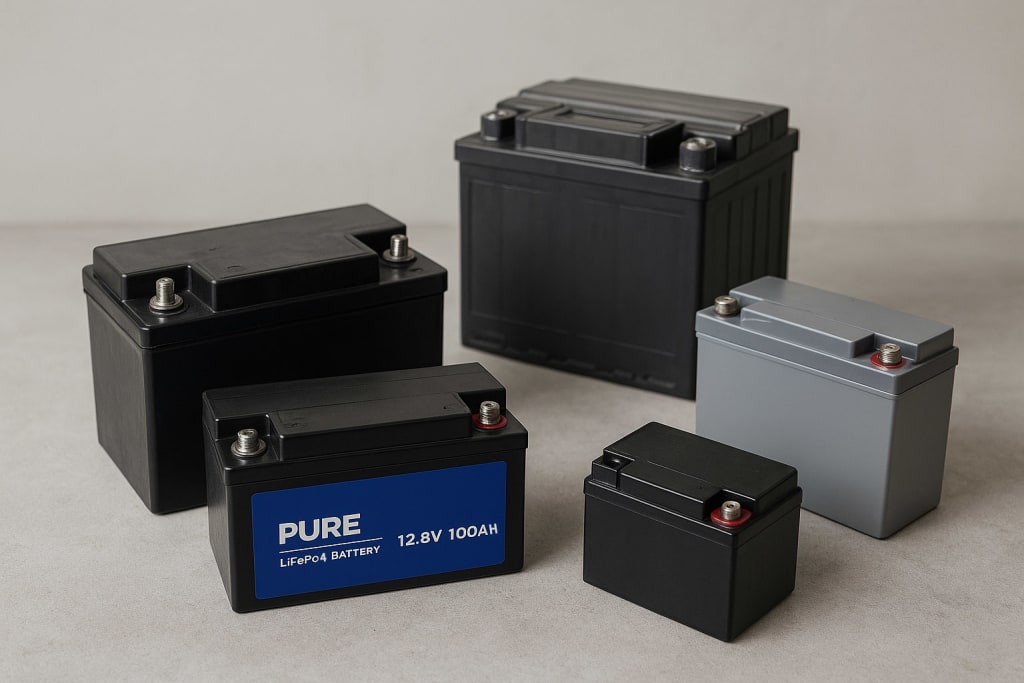
Credit: vocal.media
Proper Charging Practices
Taking care of power tool batteries helps them last longer. Charging them the right way is very important.
Good charging habits keep batteries healthy and ready for use. Avoiding damage during charging saves money and time.
Using The Correct Charger
Always use the charger made for your battery type. Different batteries need different chargers to work safely.
Using the wrong charger can cause damage or reduce battery life. It may also be unsafe and cause overheating.
Avoiding Overcharging
Do not leave batteries on the charger too long. Overcharging can heat the battery and shorten its life.
Many modern chargers stop charging when full. If your charger does not, unplug it after charging finishes.
- Check if your charger has auto shut-off
- Remove batteries as soon as they are fully charged
- Do not charge batteries overnight
Optimal Charging Times
Charge batteries at room temperature for best results. Cold or hot places can reduce charging quality.
Try to charge batteries before they are completely empty. Partial charges can help keep batteries healthy.
- Charge batteries between 40% and 80% for longer life
- Do not let batteries drain completely before charging
- Store batteries charged at about 50% if not used for a long time
Storage Tips For Batteries
Proper storage of power tool batteries helps keep them healthy. It extends their life and keeps them ready to use.
Knowing how to store batteries safely can save you money and time. It stops damage and loss of power.
Ideal Storage Conditions
Batteries last longer when stored in a cool, dry place. Avoid places with high humidity or direct sunlight.
Keep batteries away from metal objects to prevent short circuits. Store them in their original case or a plastic container.
- Store batteries at about 40% to 60% charge
- Use airtight containers to reduce moisture exposure
- Place batteries in a shaded, ventilated area
Storing Batteries Long-term
For long-term storage, charge batteries partially before putting them away. Do not store them fully charged or fully empty.
Check battery charge every few months. Recharge if the level drops below 40% to avoid deep discharge damage.
- Charge batteries to around 50% before storage
- Remove batteries from tools during storage
- Inspect batteries regularly for signs of damage
Temperature Effects
Extreme temperatures harm battery performance. Heat speeds up damage, while cold reduces battery power temporarily.
Keep batteries away from places like ovens, heaters, or freezing garages. Room temperature is best for storage.
- Ideal storage temperature is between 50°F and 77°F (10°C to 25°C)
- Do not store batteries in direct sunlight or near heat sources
- Avoid freezing temperatures to prevent internal damage
Regular Maintenance Steps
Taking care of power tool batteries helps them last longer. Regular checks keep them safe and working well.
Follow simple steps to keep your batteries in good shape. This prevents problems and saves money.
Cleaning Battery Contacts
Dirty contacts reduce battery power and cause poor connections. Clean them gently to improve performance.
Use a dry cloth or a small brush to remove dirt and dust. Avoid using water or liquids on the contacts.
- Turn off the tool and remove the battery.
- Wipe contacts with a dry cloth.
- Use a soft brush to clean hard-to-reach spots.
- Check for any corrosion and clean it carefully.
Inspecting For Damage
Look over the battery for cracks, leaks, or swelling. Damage can cause battery failure or safety risks.
Check the casing and terminals every time you use the battery. Replace the battery if you find any signs of damage.
- Check the battery case for cracks or swelling.
- Look for leaks or unusual smells.
- Inspect terminals for rust or damage.
- Do not use damaged batteries; replace them promptly.
Balancing Battery Cells
Battery cells may lose balance over time. Balancing helps all cells work equally and extends battery life.
Use a charger with a balancing feature or follow the manufacturer’s instructions. Balanced cells keep the battery healthy.
- Charge batteries fully before use.
- Use chargers that balance battery cells.
- Avoid overcharging or deep discharging.
- Store batteries in a cool, dry place.
Maximizing Battery Life During Use
Power tool batteries last longer when you take care of them during use. Proper handling helps keep the battery healthy. This guide shows easy ways to improve battery life.
Following simple habits can prevent damage and keep your tools running strong for a long time.
Avoiding Deep Discharges
Deep discharge happens when a battery runs completely empty. This can harm the battery and shorten its life. Try to recharge before the battery is fully drained.
- Stop using the tool when power gets low
- Recharge batteries soon after use
- Store batteries partially charged, not empty
- Avoid leaving batteries unused for long times if fully drained
Managing Power Tool Usage
Using power tools correctly helps keep the battery in good shape. Avoid overworking the tool and give breaks to the battery during long jobs.
| Usage Tip | Why It Helps |
| Use correct speed and power settings | Prevents battery overload |
| Take short breaks during heavy use | Prevents battery overheating |
| Turn off tool when not in use | Saves battery charge |
| Use battery only with compatible tools | Ensures proper power flow |
Keeping Batteries Cool
Heat damages battery cells and lowers their lifespan. Keep batteries away from heat sources. Store them in cool, dry places when not in use.
- Do not leave batteries in direct sunlight
- Avoid charging batteries near heat
- Remove battery from tool after use to cool down
- Store batteries indoors at room temperature

Credit: tikweld.com
Troubleshooting Common Battery Issues
Power tool batteries can lose strength over time. Knowing how to spot problems helps you fix them fast. Proper care extends the battery life and keeps tools ready.
This guide covers signs of battery wear, ways to revive dead batteries, and when replacement is necessary.
Signs Of Battery Wear
Watch for these signs to know if your battery is wearing out:
- The battery drains quickly after a full charge.
- The tool runs slower than usual.
- The battery feels hot during use or charging.
- Charging takes much longer than normal.
- The battery case is swollen or damaged.
Reviving Dead Batteries
Some batteries can be revived with simple steps if they seem dead:
- Remove the battery and clean its contacts with a dry cloth.
- Use a slow charger to give a gentle charge over several hours.
- Try a deep discharge cycle by using the tool until the battery is empty, then recharge fully.
- Store the battery in a cool, dry place if not used for a long time.
- If the battery still won’t hold charge, test it with a multimeter.
When To Replace Batteries
Knowing when to replace batteries saves time and prevents damage. Use this table to check your battery’s condition:
| Condition | Action |
|---|---|
| Battery won’t charge at all | Replace immediately |
| Battery overheats during charging | Replace for safety |
| Battery holds less than 50% of original charge | Consider replacement |
| Battery case is swollen or cracked | Replace to avoid hazards |
| Battery performs poorly after revival attempts | Replace |

Credit: www.gz-supplies.com
Frequently Asked Questions
How Often Should I Charge Power Tool Batteries?
Charge your power tool batteries when they drop to around 20% capacity. Avoid letting them fully discharge. Regular charging helps maintain battery health and extends lifespan. Always use the charger provided by the manufacturer to ensure compatibility and safety.
Can I Leave My Battery On The Charger Overnight?
Avoid leaving your battery on the charger overnight. Overcharging can lead to reduced battery lifespan. Most modern chargers stop charging once the battery is full. However, it’s best to remove the battery promptly after full charge to maintain optimal performance.
What Is The Best Storage Temperature For Batteries?
Store batteries in a cool, dry place at around 15°C to 20°C (59°F to 68°F). Extreme temperatures can harm battery life and efficiency. Avoid leaving batteries in direct sunlight or near heat sources. Proper storage conditions can significantly enhance battery longevity.
How Do I Clean Power Tool Batteries?
Clean your batteries with a dry cloth to remove dust and debris. Avoid using water or solvents, as they can damage the battery. Ensure connectors are free from corrosion to maintain efficient power transfer. Regular cleaning helps in keeping the battery in good condition.
Conclusion
Taking care of power tool batteries helps them last longer. Charge them fully but not too often. Store batteries in cool, dry places. Clean battery contacts regularly to keep good connection. Avoid letting batteries drain completely. Check for damage before use.
Simple steps make a big difference over time. Save money and stay ready for any job. Keep your tools powered and working well. Small habits protect your investment and improve performance.