
If you want your pruning knives to work like new every time you use them, keeping them sharp is key. Dull blades make your gardening harder and can damage your plants.
But don’t worry—maintaining your pruning knives is easier than you think. You’ll discover simple steps to keep your blades sharp, safe, and ready for every cut. By the end, you’ll save time, protect your plants, and enjoy smoother pruning. Ready to sharpen your skills and your knives?
Let’s get started!
Choosing The Right Pruning Knife
Picking the right pruning knife helps keep your plants healthy. A good knife cuts cleanly and stays sharp longer.
You should consider the blade type and handle comfort before buying a pruning knife.
Blade Types And Materials
Pruning knives have different blade shapes. Each shape fits a type of cutting task.
Blade material affects sharpness and durability. Choose a blade that holds its edge well.
- Straight blades cut through thin branches and stems.
- Curved blades help with detailed trimming and shaping.
- High-carbon steel blades stay sharp but need more care.
- Stainless steel blades resist rust and require less maintenance.
Handle Comfort And Grip
A comfortable handle reduces hand fatigue during pruning. Look for handles that fit your hand size.
Good grip prevents slipping and helps you control the knife safely.
- Wood handles feel natural and provide a warm grip.
- Rubber handles offer extra slip resistance, even when wet.
- Plastic handles are lightweight and easy to clean.
- Ergonomic shapes reduce strain on your hand and wrist.
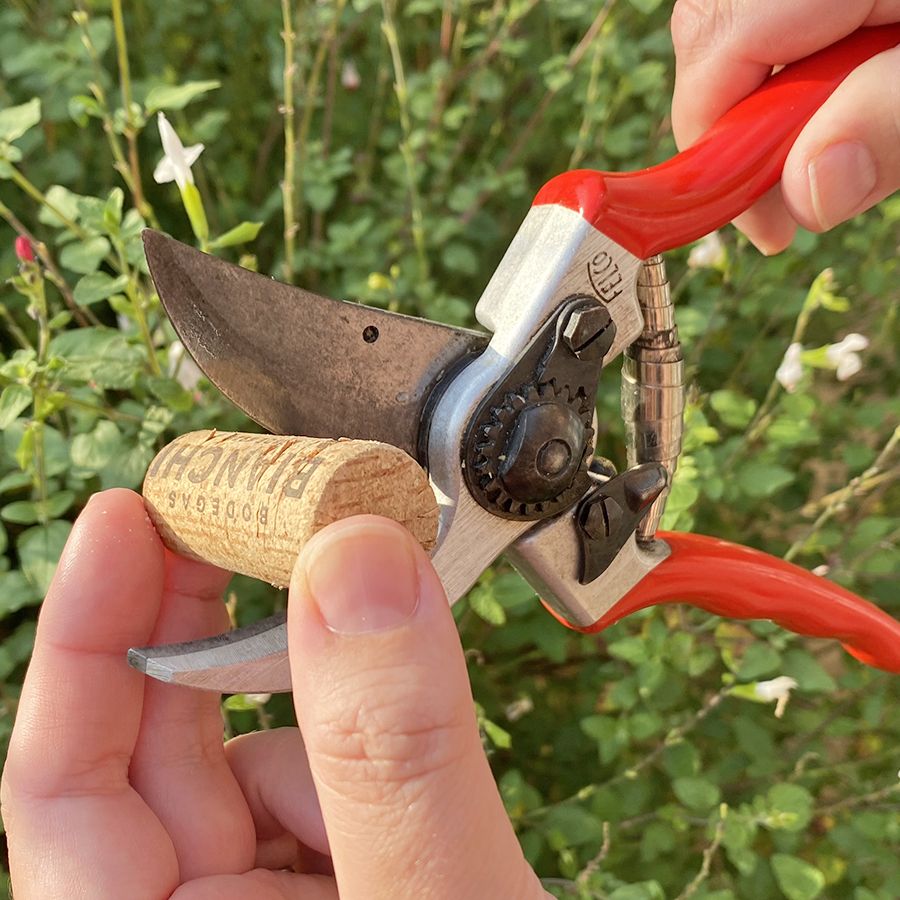
Credit: www.gardeningknowhow.com
Essential Tools For Sharpening
Keeping your pruning knives sharp is key for clean cuts and plant health. Using the right sharpening tools helps you maintain blade edges easily.
This guide covers two main tools: whetstones and honing rods. Both play important roles in sharpening knives.
Whetstones And Sharpening Stones
Whetstones are flat stones used to grind and sharpen blade edges. They come in different grit sizes for various sharpening stages.
- Coarse grit stones remove nicks and reshape edges.
- Medium grit stones sharpen dull blades.
- Fine grit stones polish and refine the edge.
- Use water or oil on stones to reduce friction.
Sharpening stones require a steady hand and patience. Regular use keeps your pruning knives cutting smoothly.
Honing Rods And Strops
Honing rods realign the blade edge without removing much metal. They help maintain sharpness between sharpening sessions.
| Tool | Purpose | Material |
|---|---|---|
| Honing Rod | Realigns blade edge | Steel or ceramic |
| Strop | Polishes and removes burrs | Leather with abrasive compound |
Strops use leather to polish blades and remove tiny burrs. They give pruning knives a smooth, sharp finish.
Step-by-step Sharpening Process
Keeping pruning knives sharp helps you cut cleanly and safely. Dull blades can damage plants and cause accidents. Follow these steps to sharpen your pruning knives properly.
This guide covers preparing the blade, sharpening angles and techniques, and honing for a fine edge. Use simple tools and take your time for the best results.
Preparing The Blade
Start by cleaning the blade to remove dirt and sap. Use warm water and soap, then dry the blade completely. This step prevents damage during sharpening.
Check the blade for any rust or nicks. Use fine sandpaper to smooth out rust spots before sharpening. This helps create an even edge.
Sharpening Angles And Techniques
Hold the blade at the right angle for effective sharpening. Most pruning knives sharpen well at 20 to 30 degrees. Use a sharpening stone or file for this process.
- Place the sharpening stone on a flat surface.
- Hold the blade firmly at a 25-degree angle.
- Push the blade across the stone from base to tip.
- Repeat this motion five to ten times on one side.
- Flip the blade and repeat on the other side.
- Check the sharpness and repeat if needed.
Honing For A Fine Edge
Honing smooths the blade edge after sharpening. Use a leather strop or a honing rod for this step. It removes small burrs and improves cutting performance.
| Tool | Purpose | How to Use |
|---|---|---|
| Leather Strop | Polishes blade edge | Pull blade backward along strop, repeat 10 times |
| Honing Rod | Straightens blade edge | Draw blade down rod at 20-degree angle, repeat 5 times each side |
Cleaning And Lubricating Blades
Keeping pruning knives clean and oiled is key to their sharpness. Dirt and sap build-up can dull blades quickly.
Proper cleaning and lubrication help your knives cut smoothly and last longer.
Removing Sap And Debris
Sap and plant residue stick to blades after use. Removing these prevents rust and keeps blades sharp.
- Wipe blades with a clean cloth to remove loose debris.
- Use warm soapy water and a soft brush for sticky sap.
- Rinse blades under running water and dry thoroughly.
- For stubborn sap, apply rubbing alcohol or a commercial sap remover.
- Dry blades completely to avoid moisture damage.
Applying Oil For Protection
Oiling blades protects metal from rust and keeps the cutting edge smooth.
| Type of Oil | Use |
| Light machine oil | Prevents rust and lubricates moving parts |
| Mineral oil | Safe for blades used on edible plants |
| WD-40 | Removes moisture and protects from corrosion |
Apply a few drops of oil to the blade and pivot area. Wipe off any extra oil with a cloth.
Safe Storage Practices
Keeping pruning knives sharp depends a lot on how you store them. Proper storage prevents damage and keeps blades ready to use.
Safe storage also protects you from accidents and extends the life of your tools. Let’s look at some important practices.
Using Sheaths And Blade Guards
Using sheaths or blade guards covers the sharp edge of pruning knives. This stops the blades from touching hard surfaces or other tools.
- Choose a sheath that fits your knife tightly.
- Check that the guard covers the entire blade.
- Store knives with guards on in a dry place.
- Use blade guards to avoid accidental cuts.
Avoiding Moisture And Rust
Moisture causes rust, which dulls blades and damages knives. Avoid storing pruning knives in damp areas or direct contact with water.
| Storage Tip | Reason |
| Keep knives dry | Prevents rust buildup |
| Apply oil after cleaning | Protects metal from moisture |
| Store in a dry cabinet | Reduces humidity exposure |
| Use silica gel packs | Absorbs moisture inside storage |
Regular Maintenance Schedule
Keeping pruning knives sharp is important for safe and clean cuts. A regular maintenance schedule helps the blades last longer. It also makes pruning easier and more effective.
Setting a clear routine for sharpening and inspection keeps your knives in top shape. This guide explains how often to sharpen and what to check during inspections.
Frequency Of Sharpening
Sharpen pruning knives based on how often you use them and the type of plants you cut. Frequent use or cutting hard branches means sharpening more often.
- Sharpen after every 10 hours of use to keep a sharp edge.
- Check the blade after each pruning session for dullness.
- Sharpen immediately if the knife struggles to cut cleanly.
- Store knives sharpened and dry to avoid rust.
Routine Inspections
Inspect your pruning knives regularly to catch damage or wear early. Look for rust, loose handles, and blade chips. Early fixes prevent bigger problems.
| Inspection Area | What to Check | Action Needed |
| Blade | Sharpness, chips, rust | Sharpen, clean, or replace |
| Handle | Firmness, cracks, cleanliness | Tighten screws, repair or replace |
| Pivot | Movement smoothness | Lubricate or tighten |
Troubleshooting Common Issues
Maintaining pruning knives ensures they stay sharp and effective. Sometimes, knives develop problems that need fixing. This guide helps you solve common issues with pruning knives.
Two frequent problems are nicks or chips on the blade and rust spots. Each issue requires specific care to keep your knives working well.
Handling Nicks And Chips
Nicks and chips in the blade edge make cutting harder. Fixing them quickly prevents bigger damage. Use a sharpening stone or file to smooth out the damaged areas.
- Clean the blade with warm soapy water and dry it well.
- Use a coarse sharpening stone or metal file on the nicked part.
- Sharpen the entire blade edge with a fine stone to restore sharpness.
- Wipe off any metal dust and oil the blade to protect it.
Dealing With Rust Spots
Rust weakens the blade and causes rough spots. Remove rust as soon as you see it. Use steel wool or sandpaper to gently rub the rust away.
| Tool | Use |
| Steel wool | Light rust removal and polishing |
| Sandpaper (fine grit) | Remove heavy rust spots |
| Rust remover liquid | Dissolve tough rust stains |
| Protective oil | Prevent future rust |
After cleaning rust, always dry the knife completely. Apply a thin layer of oil to stop new rust from forming.

Credit: www.youtube.com
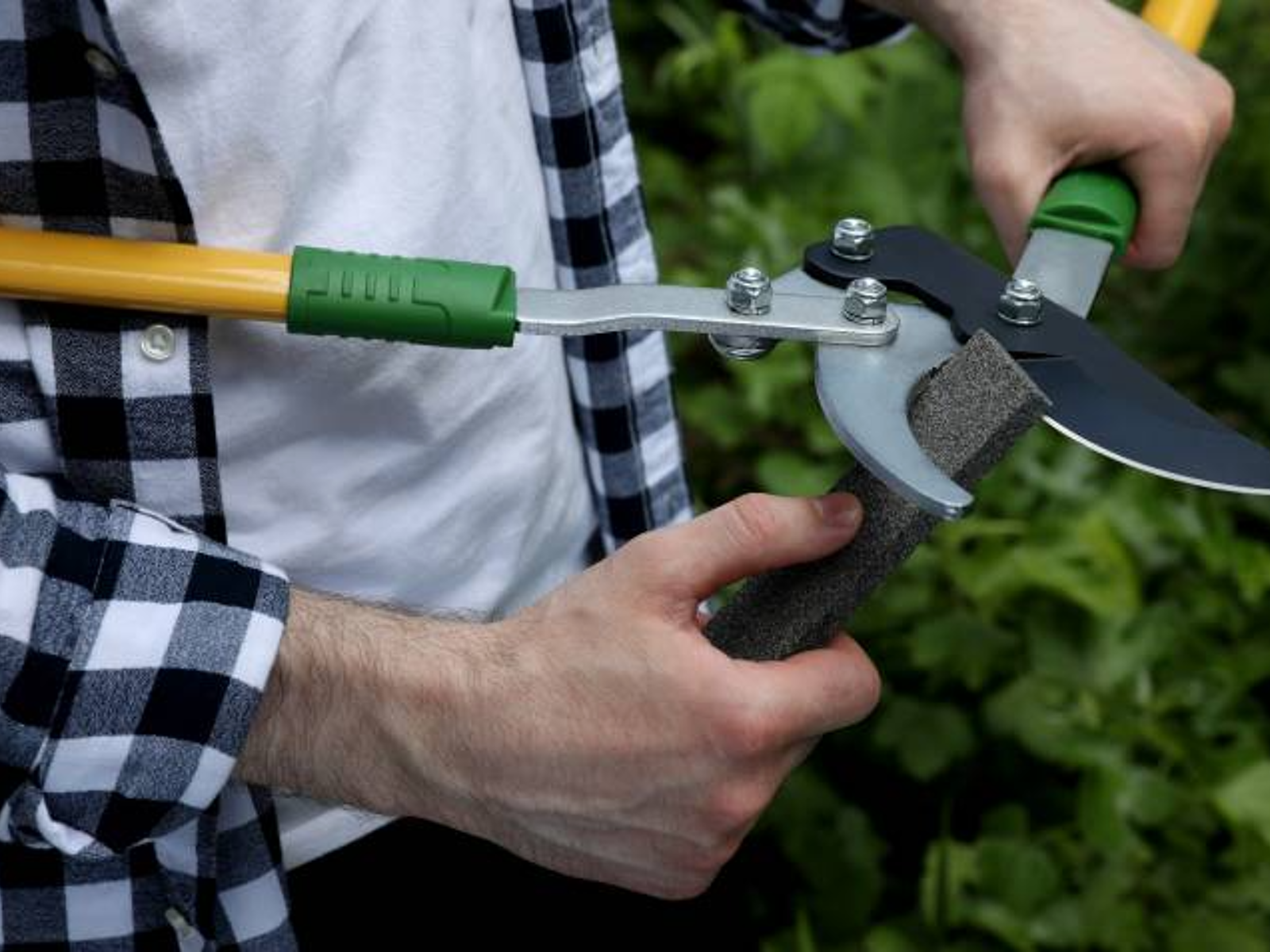
Credit: www.airtasker.com
Frequently Asked Questions
How Often Should I Sharpen Pruning Knives?
Sharpen pruning knives after every 5 to 10 uses. Regular sharpening keeps blades effective and safe. Frequent maintenance prevents damage and rust buildup.
What Tools Are Best For Sharpening Pruning Knives?
Use a whetstone or diamond sharpening tool. These provide precise edge control. Avoid electric sharpeners as they can damage blades.
How Do I Clean Pruning Knives Before Sharpening?
Wipe blades with a damp cloth to remove sap and dirt. Use mild soap if needed. Dry thoroughly to prevent rust.
Can Oiling Pruning Knives Improve Sharpness?
Oiling prevents rust and reduces friction. It doesn’t sharpen but maintains blade condition. Use light machine oil or mineral oil.
Conclusion
Keeping pruning knives sharp takes simple, regular care. Clean blades after each use to stop rust. Sharpen knives often using the right tools. Store knives safely to protect the edges. Sharp knives make pruning easier and safer. Dull blades can damage plants and cause accidents.
Small efforts keep your tools ready for any garden task. Stay consistent, and your pruning knives will last longer. Good maintenance saves money and time. Your garden work will always be smooth and enjoyable.