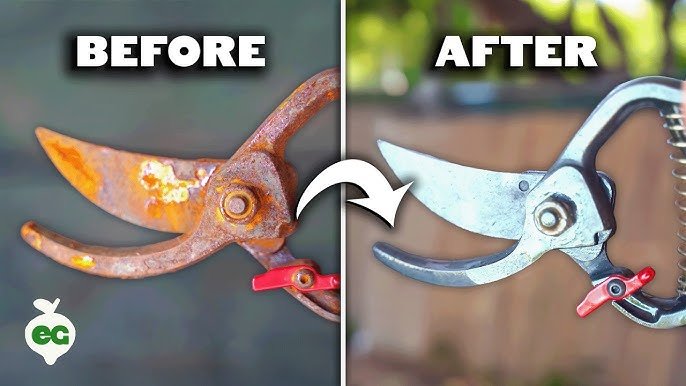
Are your pruning shears losing their edge, making garden chores more of a hassle than a delight? You’re not alone.
Many garden enthusiasts overlook the importance of maintaining their trusty tools, but keeping your pruning shears sharp is key to effortless and precise cuts. Imagine gliding through branches with ease, achieving clean cuts that promote healthy plant growth. Sounds satisfying, right?
You’ll discover straightforward tips and tricks to keep your pruning shears in top-notch condition. By the end, you’ll not only have sharper tools but also a more enjoyable gardening experience. Let’s dive into the secrets of maintaining your pruning shears for those perfect, sharp cuts you’ve always wanted.

Credit: www.ecofynd.com
Choosing The Right Pruning Shears
Picking the right pruning shears is important for clean and sharp cuts. Good shears help plants heal faster.
Different shears work better for certain tasks. Choosing the right type and quality makes pruning easier.
Types Of Pruning Shears
There are several types of pruning shears for different jobs. The main types are bypass, anvil, and ratchet shears.
Bypass shears have two curved blades that pass each other. They make clean cuts on live plants.
Anvil shears have one sharp blade that cuts against a flat surface. They work well on dead wood.
Ratchet shears use a gear system to cut thick branches easily. They reduce hand strain during use.
- Bypass shears: good for live branches and soft stems
- Anvil shears: best for dry or hard branches
- Ratchet shears: help cut thick or tough branches
Materials And Build Quality
Strong materials make pruning shears last longer and cut better. Look for high-quality steel blades.
Handles should be sturdy and comfortable. Some have rubber grips to stop slipping.
- Steel blades stay sharp and resist rust
- Stainless steel is good for durability and rust resistance
- Aluminum or fiberglass handles are light but strong
- Rubber grips increase comfort and control
Cleaning After Each Use
Keeping your pruning shears clean after every use helps them last longer. Dirt and sap can make the blades dull.
Regular cleaning prevents rust and keeps cuts sharp and easy.
Removing Sap And Debris
Sap and plant debris can stick to the blades. Removing these residues stops the shears from sticking and rusting.
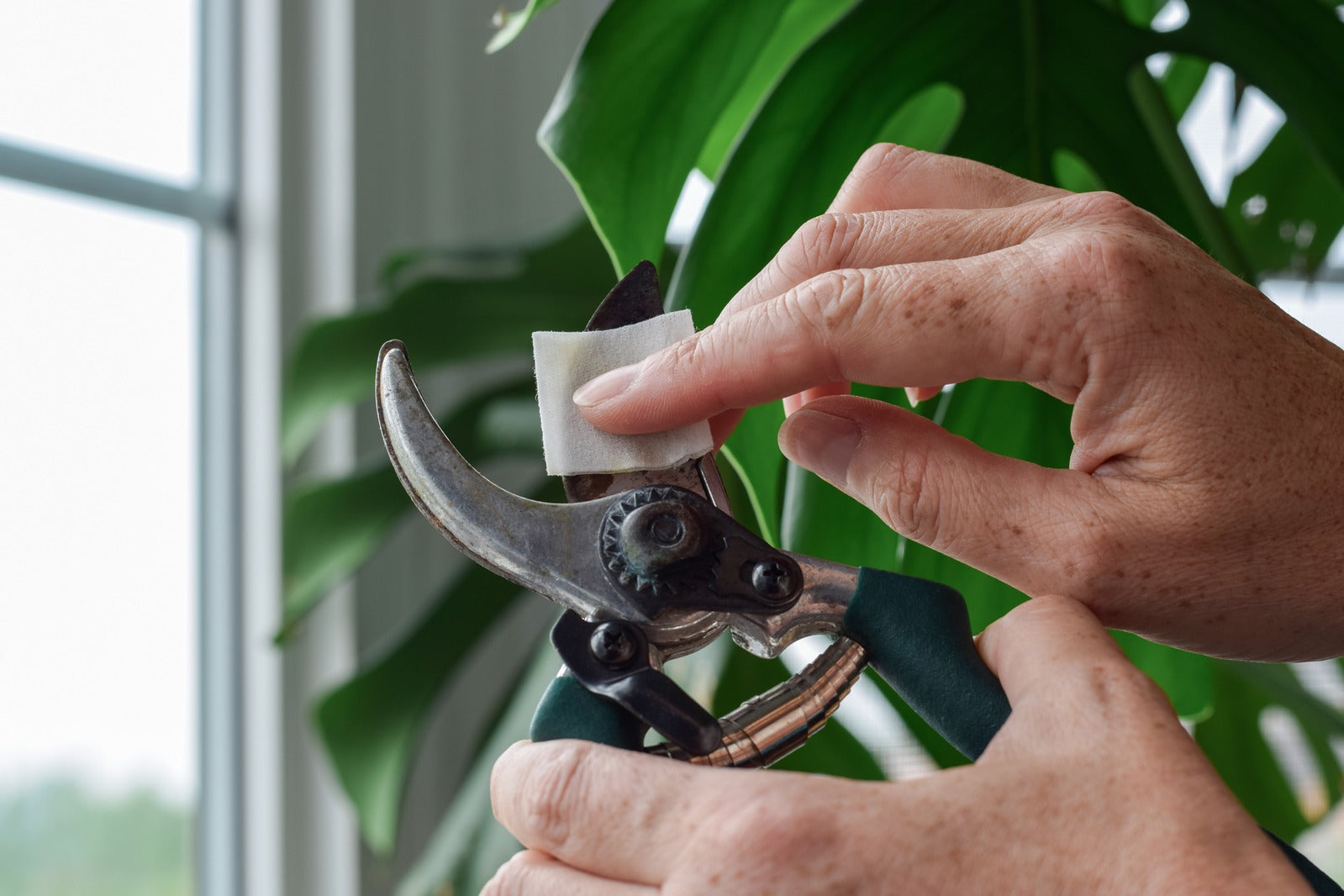
- Wipe blades with a clean cloth after use.
- Use a soft brush to remove dirt from hard-to-reach spots.
- Apply rubbing alcohol to dissolve sticky sap.
- Rinse with warm water and dry thoroughly.
Using Proper Cleaning Agents
Choosing the right cleaning agents protects the blades and keeps them sharp.
| Cleaning Agent | Use | Notes |
| Rubbing Alcohol | Remove sap and disinfect | Evaporates quickly |
| Warm Soapy Water | Clean dirt and debris | Use mild detergent only |
| WD-40 or Light Oil | Prevent rust after cleaning | Apply sparingly |
| Steel Wool or Fine Sandpaper | Remove rust spots | Use gently to avoid damage |
Sharpening Techniques
Keeping pruning shears sharp helps you cut cleanly and easily. Sharp blades reduce damage to plants and make pruning safer.
This guide explains tools and steps to sharpen pruning shears correctly. Follow the instructions to maintain your shears well.
Tools For Sharpening
Use the right tools to sharpen pruning shears. They make the job faster and give better results.
- Sharpening stone or whetstone
- Diamond file for fine edges
- Flat metal file for rough sharpening
- Lubricating oil to protect blades
- Cloth to clean blades before sharpening
Step-by-step Sharpening Process
Follow these steps to sharpen pruning shears and keep the blades in good shape.
- Clean the blades with a cloth to remove dirt and sap.
- Secure the shears in a clamp or hold firmly on a flat surface.
- Use a sharpening stone or file at a 20-degree angle to the blade edge.
- Move the tool in one direction, away from the cutting edge.
- Repeat the strokes 5 to 10 times until the edge feels sharp.
- Sharpen both blades if your shears have two cutting edges.
- Wipe the blades clean and apply oil to prevent rust.
Lubrication And Rust Prevention
Pruning shears need regular care to stay sharp and work well. Lubrication helps keep the blades moving smoothly. Rust prevention protects metal parts from damage.
Good maintenance makes your pruning shears last longer. It also ensures cleaner, easier cuts for your plants.
Choosing The Right Lubricant
Not all oils work well for pruning shears. Choose lubricants that protect metal and do not attract dirt.
- Use lightweight machine oil or sewing machine oil.
- Avoid thick grease that can gum up the blades.
- Apply oil that resists water to prevent rust.
- Consider oils with rust inhibitors for extra protection.
Applying Oil Correctly
Proper oiling keeps your pruning shears sharp and rust-free. Follow these steps to apply oil the right way.
- Clean blades with a dry cloth to remove dirt and sap.
- Open the shears fully to access all moving parts.
- Put a few drops of oil on the pivot point and blade edges.
- Work the shears open and closed to spread the oil evenly.
- Wipe off any extra oil to avoid dirt buildup.
Storage Tips For Longevity
Proper storage helps keep pruning shears sharp and ready to use. It also stops rust and damage.
Good storage protects the blades and makes the shears last longer.
Ideal Storage Conditions
Store pruning shears in a dry place to avoid rust. Keep them away from moisture and dirt.
Temperature should be stable, not too hot or cold. Avoid places with direct sunlight or dampness.
- Keep shears in a dry, cool area
- Avoid damp basements or garages
- Store away from direct sunlight
- Use shelves or tool racks for organization
Protective Covers And Cases
Use protective covers or cases to shield the blades from dust and damage. This also helps prevent accidents.
Covers made of plastic or leather work well. Make sure the cover fits snugly and fully covers the blades.
- Clean shears before putting on covers
- Choose covers that protect the blade edge
- Store covered shears in a safe place
- Check covers regularly for wear and tear
Credit: misterminit.co
Regular Inspection And Maintenance
Keeping pruning shears sharp helps you make clean cuts. Regular care stops damage and keeps them working well.
Inspect your shears often. Fix small problems early to avoid big repairs later.
Checking For Damage
Look closely at the blades for cracks or chips. Check if the blades are dull or rusted.
Also, examine the handles for cracks or loose parts. Broken handles make cutting unsafe and hard.
- Blade cracks or chips
- Dull or rusted blades
- Loose or broken handles
- Loose screws or bolts
Adjusting Tension And Alignment
Check the pivot bolt that holds the blades. Tighten it if the blades feel loose.
Make sure the blades line up properly. Misaligned blades cause poor cuts and damage plants.
- Use a screwdriver to tighten the pivot bolt
- Adjust the blades so edges meet evenly
- Test by opening and closing the shears
- Keep tension firm but not too tight
Safety Practices While Maintaining
Maintaining pruning shears keeps them sharp and ready for use. Safety is very important during maintenance. Sharp blades can cause injuries if not handled carefully.
This guide explains how to stay safe while caring for your pruning tools. Follow these tips to protect yourself and keep your shears in good shape.
Using Protective Gear
Always wear protective gear before cleaning or sharpening pruning shears. Gloves protect your hands from cuts and dirt. Eye protection stops debris from getting into your eyes.
- Wear sturdy gloves to guard your hands.
- Use safety glasses to protect your eyes.
- Wear long sleeves to avoid scratches.
Handling Sharp Tools Safely
Handle pruning shears with care to avoid cuts. Always point the blades away from your body. Keep the blades closed when not in use. Use a cloth or tool holder when sharpening.
- Hold shears firmly and cut away from your body.
- Keep blades closed during cleaning and storage.
- Use tools like a sharpening stone with steady hands.
- Do not rush; take your time to avoid accidents.
Credit: www.leaflimb.com
Frequently Asked Questions
How Often Should I Sharpen Pruning Shears?
Sharpen pruning shears after every few uses to keep blades clean and effective. Regular sharpening prevents damage and ensures precise cuts.
What Tools Are Best For Sharpening Pruning Shears?
Use a sharpening stone or diamond file for best results. These tools maintain blade sharpness without causing nicks or uneven edges.
How Do I Clean Pruning Shears Before Maintenance?
Clean shears with warm, soapy water to remove sap and dirt. Dry thoroughly to prevent rust before sharpening or oiling.
Can I Use Household Oil To Lubricate Pruning Shears?
Yes, light machine oil or WD-40 works well. Lubricating reduces friction, prevents rust, and extends the life of your shears.
Conclusion
Keeping pruning shears sharp makes gardening easier and faster. Clean blades stop rust and help cuts stay smooth. Regular oiling keeps the tool moving well. Tighten screws to avoid loose parts. Sharpen blades often to cut branches cleanly. Good care saves money on replacements.
Enjoy healthier plants with neat, quick trimming. Simple steps keep your shears working their best. A little effort goes a long way in maintenance. Your garden tools will thank you.