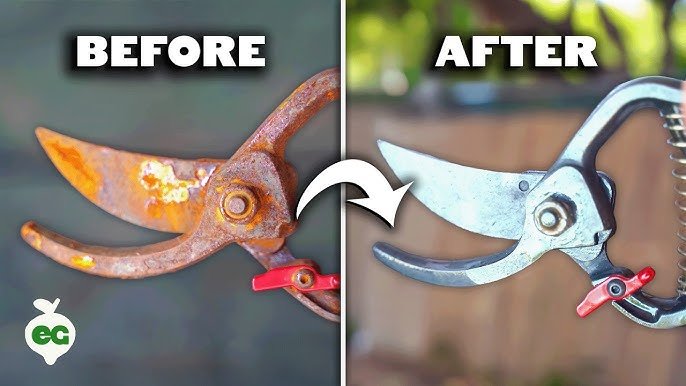
Imagine reaching for your pruning shears, ready to tackle the garden, only to find they’re dull and ineffective. It’s a common frustration, but what if I told you that keeping your pruning shears sharp is easier than you think?
A sharp tool not only makes your gardening tasks quicker but also helps keep your plants healthy by making clean cuts. You deserve the satisfaction of effortlessly snipping through branches and stems, transforming your garden into a vibrant masterpiece. In this guide, you’ll discover simple yet effective ways to maintain your pruning shears sharp, ensuring every gardening session is a pleasure, not a chore.
Stay with us, and let’s unlock the secret to pristine pruning shears together!
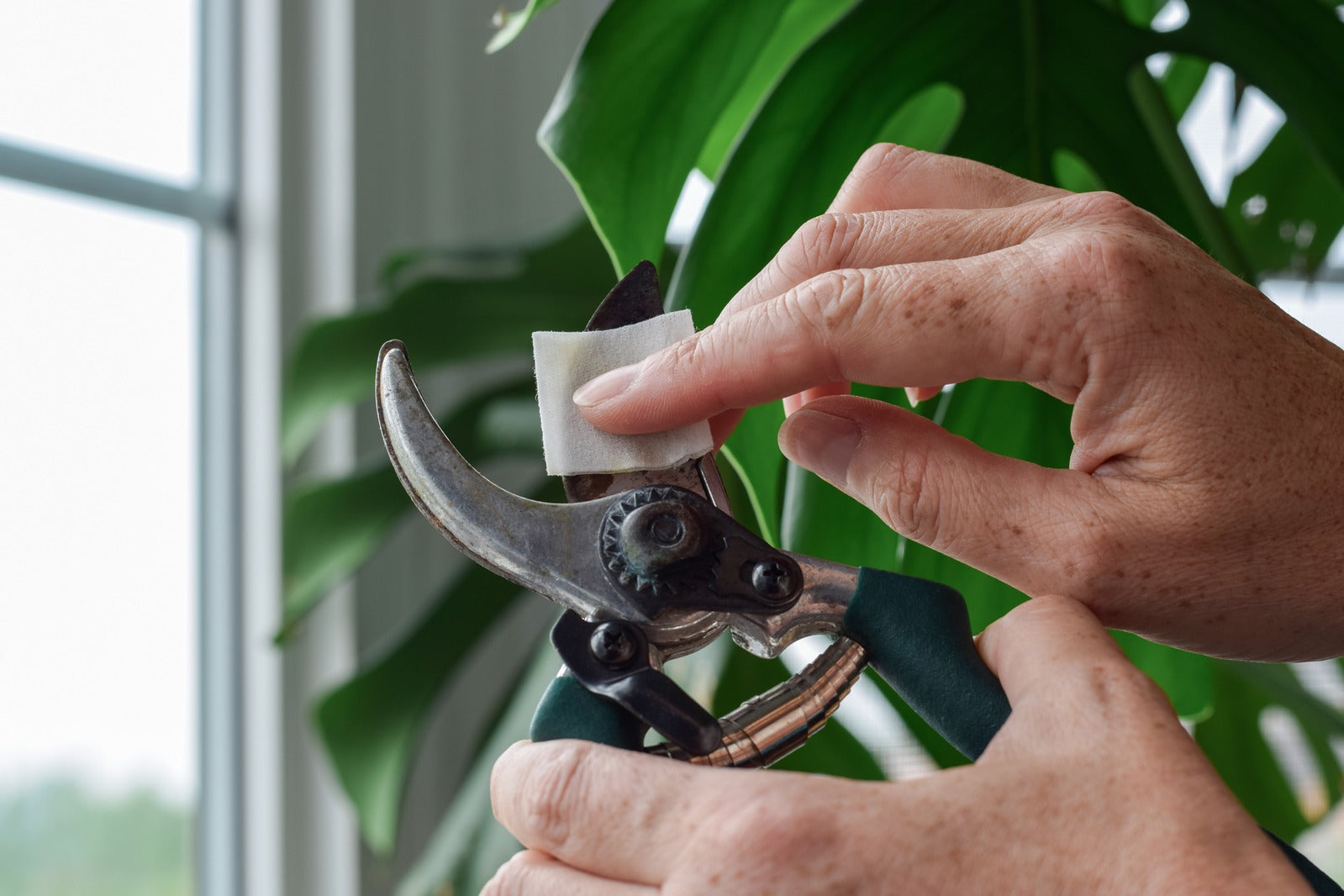
Credit: misterminit.co
Choosing The Right Pruning Shears
Keeping your pruning shears sharp helps you cut plants cleanly. Choosing the right shears makes sharpening easier and lasts longer.
Good pruning shears fit your hand well and match the type of plants you trim. This guide helps you pick the best shears.
Types Of Pruning Shears
There are different pruning shears for different jobs. Knowing their types helps you choose shears that stay sharp longer.
- Bypass Shears:Have two blades that pass by each other. Best for live plants.
- Anvil Shears:Have one sharp blade that cuts against a flat surface. Good for dry or dead wood.
- Ratchet Shears:Use a gear system to cut thick branches with less effort.
Materials And Build Quality
Materials affect how sharp your pruning shears stay. Strong materials hold an edge and resist rust.
Look for blades made from high-carbon steel or stainless steel. These are tough and easy to sharpen.
- High-Carbon Steel:Very sharp and easy to sharpen but may rust without care.
- Stainless Steel:Resists rust but may need more effort to sharpen.
- Aluminum Handles:Lightweight but less durable.
- Steel Handles:Strong and long-lasting but heavier.

Credit: www.youtube.com
Essential Tools For Sharpening
Keeping pruning shears sharp helps you cut cleanly and safely. Using the right tools makes sharpening easier and better.
This guide covers essential tools for sharpening your pruning shears. Learn about whetstones, files, and cleaning supplies.
Whetstones And Sharpening Stones
Whetstones are flat stones used to sharpen blades by grinding and honing. They come in different grit sizes for coarse or fine sharpening.
Sharpening stones help remove dull edges and create a smooth, sharp blade. Use water or oil to lubricate the stone while sharpening.
- Coarse stones remove nicks and dullness quickly
- Fine stones polish and refine the edge
- Use water stones for easy cleaning
- Oil stones need light oil for lubrication
Sharpening Files And Rods
Sharpening files are metal tools with rough surfaces. They shape and sharpen the blade edge by filing away metal.
Sharpening rods, also called honing rods, realign the blade edge. They do not remove much metal but keep blades sharp between major sharpenings.
- Flat files are good for straight edges
- Round files help with curved blades
- Steel rods keep edges aligned and smooth
- Use gentle strokes for best results
Lubricants And Cleaning Supplies
Lubricants reduce friction during sharpening and protect blades from rust. Cleaning supplies remove dirt and sap before sharpening.
Use light oils and cloths to keep pruning shears clean and well-oiled. This helps maintain sharpness and extends tool life.
- Use mineral or machine oil for lubrication
- Clean blades with warm soapy water or alcohol
- Dry blades completely before oiling
- Use a soft cloth to apply oil evenly
Step-by-step Sharpening Process
Keeping pruning shears sharp makes cutting easier and safer. Sharp blades cut cleanly and help plants heal faster.
This guide shows how to sharpen pruning shears in clear steps. Follow each part carefully for best results.
Cleaning The Blades
Before sharpening, clean dirt and sap from blades. Use warm water and soap with a soft cloth. Dry the blades well to stop rust.
- Remove any debris stuck between the blades.
- Soak blades in soapy water for a few minutes if needed.
- Use a brush to scrub off stubborn residue.
- Wipe dry with a clean cloth.
Correct Sharpening Angle
Hold the sharpening tool at the right angle to the blade edge. This angle is usually between 20 and 30 degrees. A proper angle keeps the blade sharp longer.
| Tool Type | Sharpening Angle |
| Flat file | 25 degrees |
| Sharpening stone | 20 to 30 degrees |
| Diamond sharpener | 20 degrees |
Sharpening Technique
Use smooth, even strokes along the blade edge. Push the sharpener away from your body. Sharpen only the beveled side of the blade.
- Place the sharpener at the correct angle on the blade.
- Move the sharpener in one direction along the edge.
- Repeat 5 to 10 times until the edge feels sharper.
- Flip the blade and check the sharpness carefully.
Honing And Polishing
Honing smooths out rough edges after sharpening. Use a fine stone or leather strop. Polishing protects the blade from rust and keeps it sharp longer.
- Use light pressure during honing.
- Strop the blade with a leather strap or soft cloth.
- Apply a thin layer of oil to protect metal.
Maintaining Shears Between Sharpening
Keeping pruning shears in good condition helps them last longer. Regular care keeps blades sharp and safe.
Simple tasks done often can prevent damage and make sharpening less needed.
Regular Cleaning
Clean your shears after every use. Dirt and sap can stick to blades and cause rust.
Use a damp cloth or brush to remove debris. Dry the shears well to stop moisture damage.
- Wipe blades with a clean cloth
- Use soapy water for sticky sap
- Dry thoroughly before storage
Lubricating Moving Parts
Oil the pivot and springs to keep shears moving smoothly. This stops rust and wear.
Apply a few drops of light oil and open and close the blades several times. Wipe off extra oil.
- Use light machine or garden oil
- Focus on pivot points and springs
- Remove excess oil to avoid dirt buildup
Tightening Screws And Adjustments
Check screws and bolts often. Loose parts make the shears unsafe and less sharp.
Use a screwdriver or wrench to tighten any loose screws. Adjust tension for smooth cutting.
- Inspect screws before each use
- Tighten with correct tools
- Adjust blade tension for easy cutting
Safe Storage Practices
Keeping pruning shears sharp means storing them safely. Proper storage stops damage to the blades.
Safe storage also protects you from accidental cuts. Use the right methods to keep shears in top shape.
Protective Covers
Use protective covers to shield the blades. Covers stop the blades from hitting hard surfaces.
- Choose covers made of leather, plastic, or rubber
- Ensure the cover fits snugly around the blade
- Clean shears before covering to avoid rust
- Replace worn or damaged covers promptly
Dry And Secure Storage Spots
Store pruning shears in a dry place to prevent rust. Avoid damp spots like basements or outdoors.
| Storage Spot | Benefit | Tip |
|---|---|---|
| Toolbox | Easy access and dry environment | Keep shears separated from heavy tools |
| Wall-mounted rack | Organized and visible storage | Hang shears with blades covered |
| Cabinet shelf | Secure and dust-free | Use silica gel packs to absorb moisture |
Signs Your Shears Need Sharpening
Pruning shears work best when their blades are sharp. Dull blades make cutting hard. They can also harm your plants.
Check your shears often. Look for signs that show they need sharpening. This helps keep them in good shape.
Difficulty Cutting
If your shears feel hard to close, they may be dull. Sharp blades cut smoothly and easily. Dull blades need more force.
Struggling to cut branches means the blades are not sharp enough. This can cause hand pain and damage the tool.
Ragged Or Uneven Cuts
Sharp shears make clean, smooth cuts. If your cuts look torn or rough, the blades may be dull. This can hurt plants.
Uneven cuts can slow plant healing. Sharpen your blades to keep your plants healthy and looking good.
Visible Blade Damage
Look closely at the blades for nicks or rust. These signs show the blades need attention. Sharp blades have smooth edges.
- Small chips or dents on blades
- Rust spots or discoloration
- Blade edges that look worn or rounded
Damaged blades cut poorly and can break. Fixing or replacing blades helps your shears last longer.
Common Mistakes To Avoid
Keeping pruning shears sharp is key to clean cuts and healthy plants. Many gardeners make simple errors that dull blades faster.
Learn which mistakes to avoid to keep your pruning shears sharp and working well longer.
Over-sharpening
Sharpening pruning shears too often or too much can wear down the blades quickly. This reduces their cutting ability and shortens their life.
- Sharpen only when blades become dull
- Use a fine sharpening stone or file
- Avoid removing too much metal from the blade
- Keep the blade angle consistent while sharpening
Ignoring Blade Alignment
Blade alignment affects how well your shears cut. Misaligned blades can crush plants instead of cutting cleanly.
| Problem | Effect | Solution |
| Blades too loose | Uneven cuts, blade slipping | Tighten the pivot bolt |
| Blades too tight | Hard to open and close shears | Loosen the pivot bolt slightly |
| Blades not flush | Crushed stems, damage to plants | Adjust blade angle carefully |
Using Improper Tools
Using the wrong tools to sharpen or fix pruning shears can harm the blades. Avoid household files or rough objects.
Choose tools designed for pruning shears:
- Fine grit sharpening stones
- Specialized pruning shear sharpening kits
- Proper screwdrivers or wrenches for adjustments

Credit: www.ecofynd.com
Frequently Asked Questions
How Often Should I Sharpen Pruning Shears?
Sharpen pruning shears after every few uses or when cuts become uneven. Regular sharpening ensures clean cuts and prolongs tool life.
What Tools Are Best For Sharpening Pruning Shears?
Use a sharpening stone, diamond file, or specialized sharpening tool. These provide precise edges and maintain blade integrity.
Can I Use Oil To Maintain Pruning Shears?
Yes, applying lubricating oil prevents rust and keeps blades moving smoothly. Wipe blades clean before oiling for best results.
How Do I Safely Sharpen Pruning Shears At Home?
Clean blades first, secure shears, then sharpen at a 20-30 degree angle. Use consistent strokes and wear safety gloves.
Conclusion
Keeping your pruning shears sharp saves time and effort. Regular cleaning and sharpening keep blades effective. Use the right tools to avoid damage. Store shears in a dry place to prevent rust. Small habits make a big difference in tool life.
Sharp shears help plants heal faster after cuts. You’ll enjoy gardening more with well-maintained tools. Simple care routines protect your investment and improve results. Try these easy steps to keep shears ready for work. Sharp blades mean healthier plants and happier gardeners.