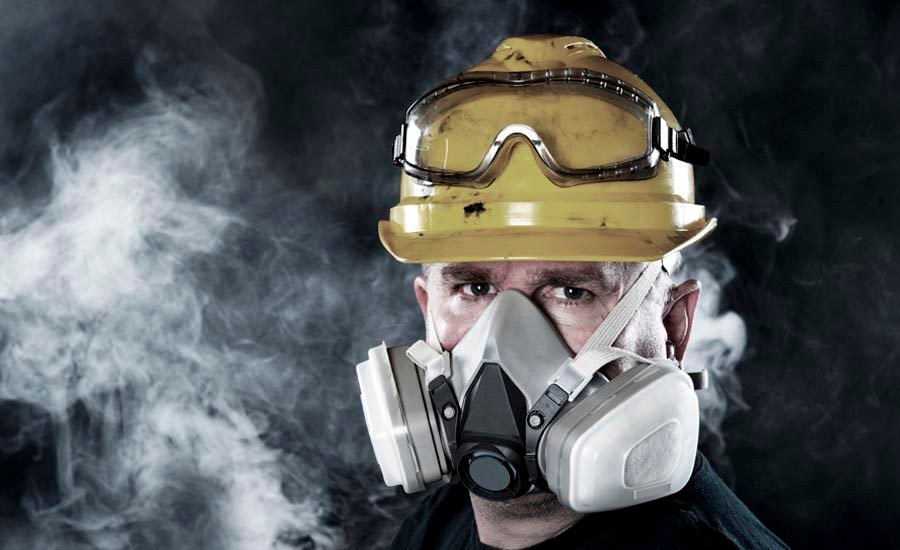
Are you worried about your safety while working with chemicals? A reliable respirator is your first line of defense.
But here’s the catch: just having a respirator isn’t enough. You need to maintain it properly to ensure it offers the protection you deserve. Imagine the peace of mind knowing your respirator is in top condition, safeguarding you from harmful fumes and particles.
We’ll guide you through simple yet effective steps to maintain your respirator. Stay with us to learn how easy it is to keep your safety gear ready for action, so you can focus on your work with confidence.
Credit: trdsf.com
Choosing The Right Respirator
Choosing the right respirator is key to protecting yourself from chemical hazards. The right respirator keeps harmful substances out of your lungs.
It is important to know the types of respirators and how to select one based on your work environment and comfort.
Types Of Respirators
There are several types of respirators to choose from. Each type offers different levels of protection.
- Disposable respirators filter particles but are not reusable.
- Half-face respirators cover nose and mouth and have replaceable filters.
- Full-face respirators cover the entire face and protect eyes too.
- Powered air-purifying respirators use a battery to push air through filters.
- Supplied-air respirators provide clean air from a separate source.
Selecting Based On Chemical Hazards
Different chemicals require different types of filters and respirators. Knowing the chemicals you face helps you pick the right one.
Check the safety data sheets (SDS) for information on chemical hazards and recommended protection.
- Use particulate filters for dust, mist, and fumes.
- Use gas and vapor cartridges for organic vapors and gases.
- Use combination cartridges for mixed hazards.
- Choose respirators approved for the specific chemicals.
Fit And Comfort Considerations
A good fit ensures the respirator seals well and protects you. Comfort helps you wear it longer without problems.
Try on respirators before buying. Check for leaks and ease of breathing. Adjust straps for a snug but comfortable fit.
- Perform a fit test to ensure no air leaks.
- Choose materials that do not irritate your skin.
- Consider weight and size for long use.
- Check if it works with other safety gear like glasses or helmets.

Credit: bulletproofzone.com
Proper Cleaning Techniques
Keeping respirators clean is key to chemical safety. Dirt and chemicals can harm the mask and your health.
Learn how to clean your respirator properly. Follow simple steps for daily care and storage.
Daily Cleaning Routine
Clean your respirator after every use. This stops chemicals and dirt from building up.
- Remove filters and cartridges before cleaning.
- Wash mask parts with warm water and mild soap.
- Use a soft brush to clean hard-to-reach areas.
- Rinse thoroughly to remove all soap.
- Inspect for damage or wear before drying.
Using Approved Cleaning Agents
Only use cleaning agents that the manufacturer approves. Harsh chemicals can damage the mask.
| Cleaning Agent | Safe to Use |
| Mild Soap | Yes |
| Isopropyl Alcohol | Yes, diluted |
| Bleach Solution | Only if specified |
| Strong Solvents | No |
| Ammonia-based Cleaners | No |
Drying And Storage Tips
Dry your respirator fully before storing. Moisture can cause mold and damage.
- Air dry in a clean, non-direct sunlight area.
- Do not use heat sources like dryers or radiators.
- Store in a sealed container or plastic bag.
- Keep away from chemicals, dust, and sunlight.
- Check the respirator before next use for dryness and damage.
Inspecting Respirators Regularly
Regular inspection of respirators keeps you safe from harmful chemicals. It helps find problems early before they get worse.
Check your respirator each time before use. Look carefully at all parts to make sure they work well.
Checking For Wear And Tear
Wear and tear can make respirators unsafe. Look for cracks, holes, or broken pieces on the mask.
Damaged parts can let chemicals inside. Replace parts that look old or weak.
Assessing Filters And Cartridges
Filters and cartridges remove harmful chemicals from the air. Check if they are clogged or dirty before use.
- Replace filters after each use if recommended
- Do not use filters past their expiration date
- Store cartridges in a clean, dry place
Using old or clogged filters can reduce protection. Always use fresh filters to stay safe.
Seal And Strap Integrity
The seal stops chemicals from leaking into the mask. Check the seal for cracks or hard spots that reduce fit.
Straps keep the respirator tight on your face. Check if straps are stretched, torn, or loose.
- Replace straps that do not hold the mask firmly
- Make sure the seal fits snugly to your skin
- Test the fit every time you wear the respirator
Replacing Filters And Parts
Maintaining respirators is vital for chemical safety. Replacing filters and parts keeps the equipment working well.
Regular checks help spot worn parts. Timely replacement prevents exposure to harmful chemicals.
Identifying When To Replace Filters
Filters stop dangerous particles from entering the respirator. They wear out after use and must be replaced to stay effective.
- Replace filters if breathing feels harder than usual.
- Change filters after exposure to strong chemicals.
- Follow manufacturer’s time limits for filter life.
- Inspect filters for cracks, dirt, or damage.
- Replace filters immediately if they smell or taste chemicals.
Sourcing Compatible Replacement Parts
Using the right parts ensures safety and proper fit. Not all parts work with every respirator model.
| Part | How to Source | Notes |
| Filters | Buy from manufacturer or authorized sellers | Match model and chemical type |
| Straps | Use parts designed for your mask brand | Check for elasticity and strength |
| Valves | Order replacement valves by model number | Ensure proper sealing and airflow |
Safe Disposal Of Used Components
Used filters and parts may hold harmful chemicals. Dispose of them carefully to protect health and the environment.
- Seal used filters in plastic bags.
- Follow local rules for hazardous waste disposal.
- Do not throw used parts in regular trash.
- Label waste to warn handlers about chemical risks.
- Wear gloves when handling used parts.
Safe Storage Practices
Proper storage helps keep respirators in good condition. It also protects users from chemical exposure. Following safe storage steps extends the life of respirators.
Store respirators carefully to avoid damage and contamination. Use clean and dry places away from hazards. This guide covers key storage practices for chemical safety.
Protecting From Contaminants
Keep respirators away from dust, dirt, and chemicals. Contaminants can harm the filters and seals. Always clean respirators before storing them.
- Use sealed containers or bags
- Label storage containers clearly
- Store respirators separately from chemicals
- Check for dirt or damage before use
Avoiding Extreme Temperatures
Store respirators in places with stable temperatures. Heat can melt parts and cold can make plastics brittle. Avoid storing near heaters or in direct sunlight.
| Temperature Range | Storage Effect |
| Below 0°C (32°F) | Plastic parts may crack |
| 0°C to 30°C (32°F to 86°F) | Ideal for storage |
| Above 30°C (86°F) | Parts may warp or weaken |
Designated Storage Areas
Use special areas for respirator storage. These spots should be clean and easy to access. Avoid placing respirators on the floor or near chemicals.
- Keep shelves or hooks for each respirator
- Use clear labels to identify storage spots
- Ensure good ventilation in the storage room
- Restrict access to trained personnel only
Training And Usage Tips
Using respirators correctly is key to staying safe around chemicals. Proper training helps users know how to wear and care for their respirators.
Good habits reduce risks and keep the equipment working well. Always follow safety guidelines and practice regularly.
Proper Donning And Doffing
Putting on (donning) and taking off (doffing) a respirator must be done carefully. This avoids contamination and ensures a good seal.
Check the respirator for damage before use. Make sure straps and seals fit snugly without gaps.
- Wash hands before touching the respirator.
- Place the respirator over nose and mouth.
- Secure straps behind the head or ears firmly.
- Adjust nose clip to fit tightly.
- Avoid touching the front of the respirator when removing it.
- Remove by pulling straps from the back.
- Store or clean the respirator after use.
User Fit Testing
Fit testing checks if the respirator fits the user well. A proper fit stops chemicals from leaking inside.
Tests should happen before first use and yearly after. Both qualitative and quantitative tests are common.
- Qualitative fit test uses taste or smell agents.
- Quantitative fit test measures air leaks with machines.
- Do not wear facial hair that breaks the seal.
- Repeat fit tests if you change respirator models.
Emergency Procedures
Know what to do if your respirator fails or you face high chemical exposure. Quick action can save your health.
Practice emergency steps often and keep emergency gear nearby. Stay calm and follow your training.
- Stop work immediately if you feel breathing difficulty.
- Leave the contaminated area quickly and safely.
- Remove the respirator only in safe zones.
- Report any problems to your supervisor.
- Seek medical help if you feel sick after exposure.

Credit: www.safetyandhealthmagazine.com
Frequently Asked Questions
How Often Should Respirators Be Cleaned?
Respirators must be cleaned after each use to remove contaminants. Regular cleaning prevents damage and ensures safety. Use manufacturer-approved disinfectants and follow cleaning guidelines precisely. This practice extends respirator life and maintains its effectiveness against chemical hazards.
What Is The Best Way To Store Respirators?
Store respirators in a clean, dry place away from direct sunlight. Use a sealed container or bag to protect from dust and chemicals. Proper storage prevents damage and contamination, ensuring the respirator remains safe and functional for the next use.
When Should Respirator Filters Be Replaced?
Replace filters according to the manufacturer’s recommendations or when breathing becomes difficult. Filters should also be replaced if damaged or contaminated. Timely replacement ensures optimal protection from harmful chemicals and maintains respirator efficiency.
How To Inspect Respirators For Chemical Safety?
Inspect respirators before each use for cracks, tears, or dirt. Check straps and valves for proper function. Regular inspections help detect wear or damage early, ensuring the respirator provides reliable chemical protection.
Conclusion
Maintaining respirators keeps you safe from harmful chemicals. Clean them after each use to remove dirt and dust. Check filters often and replace them on time. Store respirators in a dry, clean place away from sunlight. Regular care helps respirators work well and last longer.
Safety depends on your good habits. Protect your health by keeping your gear ready every day. Simple steps make a big difference. Stay safe and breathe easy.