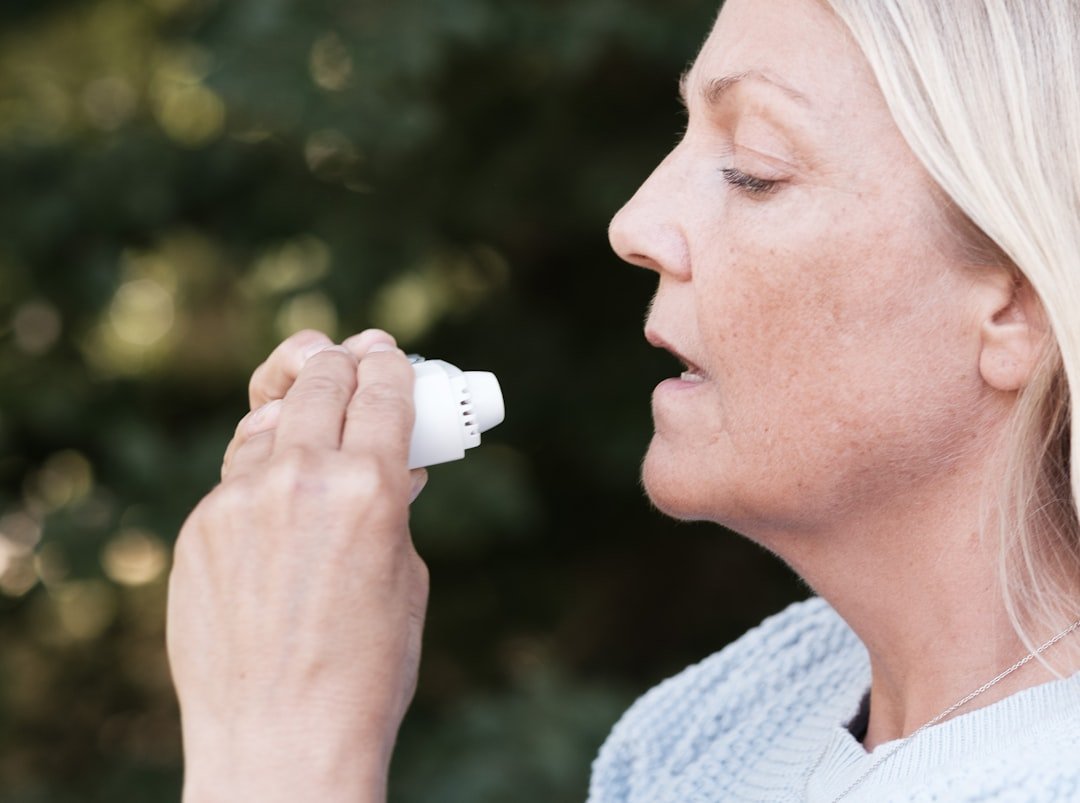
Are you using a respirator at work or home? If so, knowing how to maintain it for longevity is crucial.
Proper care ensures that your respirator stays effective, protecting you from harmful particles and chemicals. Plus, it saves you money by extending the life of your equipment. Imagine breathing easy, knowing your respirator is in peak condition every time you use it.
In this guide, we’ll explore simple yet effective ways to keep your respirator working like new. Stick around to learn tips that could make all the difference in your safety and comfort. Your health depends on it.
Choosing The Right Respirator
Choosing the right respirator is key to safety and comfort. It helps protect you from harmful particles and gases.
Understanding different types and features will help you pick one that lasts long and fits well.
Types Of Respirators
Respirators come in various types. Each type offers different protection levels for specific tasks.
- Disposable respirators are for short-term use and easy to replace.
- Reusable respirators have replaceable filters and can last longer.
- Powered air-purifying respirators provide extra airflow and comfort.
Material Quality
Good material quality ensures the respirator lasts and keeps you safe. Look for strong and flexible parts.
| Material | Benefits |
| Silicone | Soft, durable, and easy to clean |
| Rubber | Strong and resistant to wear |
| Plastic | Lightweight but less flexible |
Fit And Comfort
A good fit keeps the air from leaking and makes the respirator easier to wear for hours.
- Check if the respirator seals well around your nose and mouth.
- Choose adjustable straps for a snug but comfortable hold.
- Pick a size that matches your face shape and size.
- Try the respirator on before buying if possible.

Credit: mannsupply.com
Cleaning And Disinfecting
Respirators protect you from harmful particles. Cleaning and disinfecting keep them safe to use.
Proper care helps respirators last longer and work well every time.
Daily Cleaning Routine
Clean your respirator every day after use. This removes dirt and sweat that build up.
Use warm water and mild soap. Gently wash all parts, including straps and facepieces.
- Remove filters before cleaning
- Use a soft brush if needed
- Rinse thoroughly with clean water
Safe Disinfectants
Disinfectants kill germs and viruses on your respirator. Use safe products to avoid damage.
Choose disinfectants approved for respirators. Avoid bleach or harsh chemicals that harm materials.
- Use alcohol wipes or sprays with at least 70% alcohol
- Use hydrogen peroxide solutions safe for plastics
- Follow manufacturer guidelines for disinfectant use
Drying And Storage
Dry your respirator well after cleaning. Wet parts can cause mold or damage.
Store the respirator in a clean, dry place. Keep it away from sunlight and dust.
- Air dry on a clean surface
- Do not use direct heat or sunlight
- Keep respirator in a sealed container or bag
Regular Inspections
Regular inspections keep respirators safe and working well. They help find problems early.
Check your respirator often. Look for damage or worn parts. Fix or replace parts if needed.
Checking For Wear And Tear
Look closely at the whole respirator. Check for cracks, tears, or broken pieces. Pay attention to the facepiece and valves.
- Check the facepiece for cracks or holes.
- Look at the valves to see if they move freely.
- Inspect the body for signs of damage or hardening.
- Replace parts that show wear to keep safety.
Inspecting Filters And Cartridges
Filters and cartridges clean the air you breathe. They wear out over time and need checking.
| Filter Type | Signs of Wear | When to Replace |
| Particulate Filter | Clogged, dirty, or damaged | After heavy use or breathing resistance |
| Gas Cartridge | Expired, cracked, or damaged | Follow manufacturer date or if smell leaks |
| Combination Filter | Any damage or clogging | Replace based on odor or breathing difficulty |
Seal And Strap Condition
Seals and straps keep the respirator tight on your face. Check them every time you use the mask.
- Look for cracks or tears in the seal.
- Make sure straps are not stretched or broken.
- Ensure straps hold the respirator firmly.
- Replace seals or straps if they do not fit well.
Proper Storage Practices
Proper storage keeps respirators safe and working well. It helps avoid damage and contamination.
Storing respirators correctly extends their life and keeps users healthy.
Ideal Storage Environment
Respirators should be stored in a cool, dry place away from sunlight. Avoid areas with high heat or humidity. A clean, dust-free room is best.
- Keep away from direct sunlight
- Store in temperatures between 10°C and 30°C (50°F to 86°F)
- Use sealed containers or bags to protect from dust
- Keep away from chemicals or fumes
Avoiding Contamination
Always clean respirators before storage. Contaminants can damage the materials or harm the user later.
| Action | Reason |
| Clean with mild soap and water | Removes dirt and germs |
| Dry completely before storing | Prevents mold and bacteria growth |
| Store separately from other equipment | Avoids cross-contamination |
| Use clean hands or gloves when handling | Reduces transfer of dirt |
Storing Accessories
Store respirator parts like filters and cartridges in their original packaging. This protects them from damage and contamination.
- Keep filters sealed until use
- Label storage containers with the date of opening
- Replace filters according to manufacturer’s guidance
- Store straps and face seals flat to prevent distortion
Replacing Parts Timely
Maintaining respirators is important for safety and long use. Replacing parts on time keeps the respirator working well.
Worn or damaged parts can reduce protection. Follow a schedule to change filters, straps, and seals.
Filter Replacement Schedule
Filters stop dust, chemicals, and particles from entering your lungs. Change them often to stay safe.
Check filters before every use. Replace them if breathing becomes hard or if you see damage.
- Replace disposable filters after each use if heavily contaminated
- Follow manufacturer’s guide for reusable filters
- Change filters if they smell or taste contaminants
When To Change Straps And Seals
Straps hold the respirator tight on your face. Seals keep harmful air out. Replace both if they get weak.
Check straps and seals for cracks, tears, or loss of stretch. Change them to keep a good fit and protection.
- Replace straps if they lose elasticity or have tears
- Change seals if they crack or become brittle
- Inspect parts monthly or after heavy use
Signs Of Component Failure
Watch for signs that parts are failing. Faulty parts reduce protection and can be dangerous.
Check for visible damage and test the fit often. Replace parts if you notice any issues.
- Difficulty breathing through the respirator
- Broken or loose straps
- Cracks or tears in seals
- Unusual smells or tastes inside the mask
- Visible dirt or damage on filters
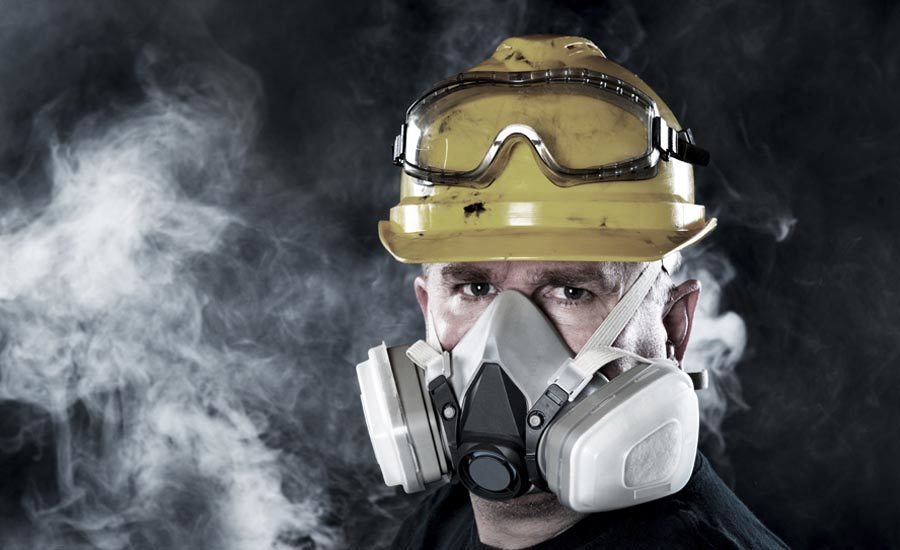
Credit: www.ishn.com
Handling And Usage Tips
Proper handling and use of respirators help them last longer. Careful use keeps filters effective and parts intact.
Follow simple steps to protect your respirator from damage. This guide covers safe removal, avoiding damage, and transport tips.
Safe Removal Techniques
Remove your respirator carefully to avoid damage and contamination. Use both hands to take it off without touching the front.
- Wash or sanitize your hands before removal.
- Do not touch the front of the respirator.
- Use straps or ear loops to pull the respirator away from your face.
- Place the respirator in a clean, dry area or storage container.
- Wash hands again after removal.
Avoiding Damage During Use
Protect your respirator from damage while wearing it. Avoid pulling or stretching parts, and keep it clean.
| Common Damage | How to Avoid |
| Broken straps | Handle straps gently and do not overstretch |
| Cracked facepiece | Do not drop or bend the respirator |
| Clogged filters | Replace filters as recommended and avoid dusty areas |
| Dirty valves | Clean valves regularly according to instructions |
Transporting Respirators
Keep your respirator safe during transport. Use a dedicated case or bag to avoid contamination and damage.
- Use a hard or soft case designed for respirators.
- Avoid placing heavy items on top of the respirator.
- Keep respirators dry and away from direct sunlight.
- Store in a clean and dust-free environment.
Training For Proper Care
Proper training helps users take good care of respirators. It keeps the equipment safe and working well for a long time.
Good care lowers repair costs and protects health. Training teaches the right cleaning, storage, and inspection steps.
User Education
Users need clear instructions on how to use and care for respirators. They should know why care is important and what can go wrong.
Training sessions can show proper cleaning, fitting, and storing techniques. Users should ask questions to avoid mistakes.
- Explain correct cleaning methods
- Show how to check for damage
- Teach safe storage practices
- Discuss when to replace parts
Maintenance Checklists
Checklists guide users through regular respirator care steps. They help keep maintenance consistent and easy to follow.
A good checklist covers cleaning, inspecting, and storing. It reminds users to spot wear and tear early.
- Clean respirator after each use
- Inspect straps and valves for damage
- Replace filters as needed
- Store in a clean, dry place
Record Keeping
Keeping records tracks respirator care and repairs. It shows when maintenance was done and if parts were replaced.
Records help find patterns of damage or failure. They support safety checks and training updates.
- Log cleaning dates and times
- Note inspections and findings
- Record part replacements
- Keep training attendance

Credit: bulletproofzone.com
Frequently Asked Questions
How Often Should Respirators Be Cleaned?
Respirators should be cleaned after each use. Regular cleaning prevents contamination and extends the device’s lifespan. Use mild soap and warm water, then air dry completely before storage.
What Is The Best Way To Store Respirators?
Store respirators in a clean, dry place away from direct sunlight. Use a sealed container or bag to prevent dust and damage. Proper storage maintains filter effectiveness and prolongs respirator life.
When Should Respirator Filters Be Replaced?
Replace filters when breathing becomes difficult or after manufacturer’s recommended use time. Always inspect filters regularly for damage or contamination to ensure optimal protection and respirator longevity.
Can Respirators Be Reused Safely?
Yes, respirators can be reused if cleaned and maintained properly. Follow manufacturer guidelines for reuse and always check for wear or damage before each use.
Conclusion
Proper care keeps your respirator working well for years. Clean it often and check for damage. Store it in a dry, cool place away from dust. Replace parts like filters on time to stay safe. A well-maintained respirator protects your health every day.
Small efforts now save money and worry later. Keep your gear ready, and breathe easier at work. Simple steps make a big difference in safety. Stay careful, stay healthy, and use your respirator right.