
You rely on your rotary tool to get the job done quickly and precisely. But have you ever noticed your tool tips wearing down or not performing like they used to?
Keeping your rotary tool tips in top shape is key to saving time, money, and frustration. You’ll discover simple, effective ways to maintain your rotary tool tips so they last longer and work better every time. Ready to boost your tool’s performance and get the most out of every project?
Keep reading—you won’t want to miss these expert tips.
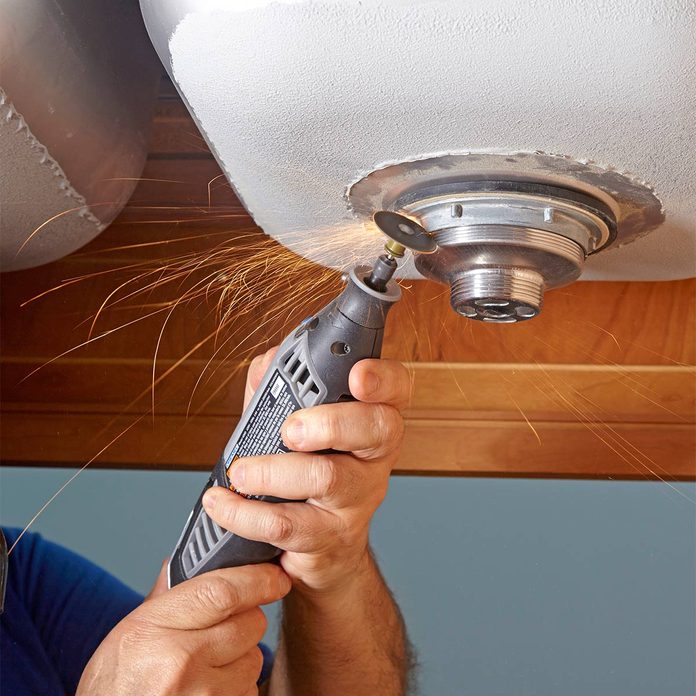
Credit: www.familyhandyman.com
Choosing The Right Tips
Rotary tools work best with the correct tips. Picking the right tip helps you finish tasks faster.
Using the wrong tip can damage your project or tool. Learn how to choose the right tip below.
Material Types And Uses
Rotary tool tips come in many materials. Each type is good for certain jobs and materials.
- Steel:Best for cutting and grinding metal and wood.
- Carbide:Very hard; cuts through tough materials like stone and metal.
- Diamond:Used for fine detail work and grinding hard surfaces like glass.
- Sanding:Made from sandpaper; perfect for smoothing wood and plastic.
- Plastic Polishing:Soft tips for shining and cleaning surfaces.
Matching Tips To Tasks
Match the tip to the job for best results. This keeps your tool working well and your project neat.
- Use grinding tips for shaping metal or stone.
- Use cutting tips to slice through wood, plastic, or metal.
- Use sanding tips to smooth rough surfaces.
- Use polishing tips to shine metals and plastics.
- Use engraving tips for detailed designs on soft materials.

Credit: eternaltools.com
Cleaning Rotary Tool Tips
Rotary tool tips can get dirty after use. Cleaning them keeps the tool working well.
Regular cleaning removes buildup and helps the tips last longer.
Removing Debris And Residue
Debris and residue can stick to the tips during use. Remove these to keep the tool sharp.
- Turn off and unplug the rotary tool before cleaning.
- Use a small brush to remove dust and particles.
- Soak tips in warm, soapy water if residue is stuck.
- Gently scrub with a soft brush after soaking.
- Dry the tips completely before storing or using them again.
Safe Cleaning Methods
Use safe methods to avoid damage to the rotary tool tips. Harsh chemicals can ruin them.
| Cleaning Method | Tools Needed | Notes |
| Brushing | Soft brush | Removes loose dirt and dust |
| Soaking | Warm soapy water | Loosens stuck residue |
| Wiping | Soft cloth | Dries and polishes tips |
| Avoid | Harsh chemicals | Can damage tip material |
Sharpening And Dressing Tips
Rotary tool tips need regular care for best performance. Sharpening and dressing keep them effective and safe to use.
Proper maintenance saves money and extends tool life. Learn when to sharpen and which tools to use.
When To Sharpen
Sharpen rotary tool tips if they cut poorly or slow down. Dull tips cause rough finishes and extra heat.
- The tip feels dull or rounded
- It takes more pressure to cut or grind
- Surface finish looks rough or uneven
- The tool produces smoke or smell from heat
- Visible damage like chips or cracks appears
Tools For Sharpening
Use the right tools to sharpen rotary tips safely and correctly. Choose based on the tip type and material.
| Sharpening Tool | Tip Type | Use |
| Diamond File | Metal and hard materials | Gently smooth edges and points |
| Grinding Stone | Steel bits | Sharpen cutting edges evenly |
| Sandpaper | Small bits | Dress tips and remove burrs |
| Rotary Tool with Wheel | Various tips | Quick sharpening and shaping |
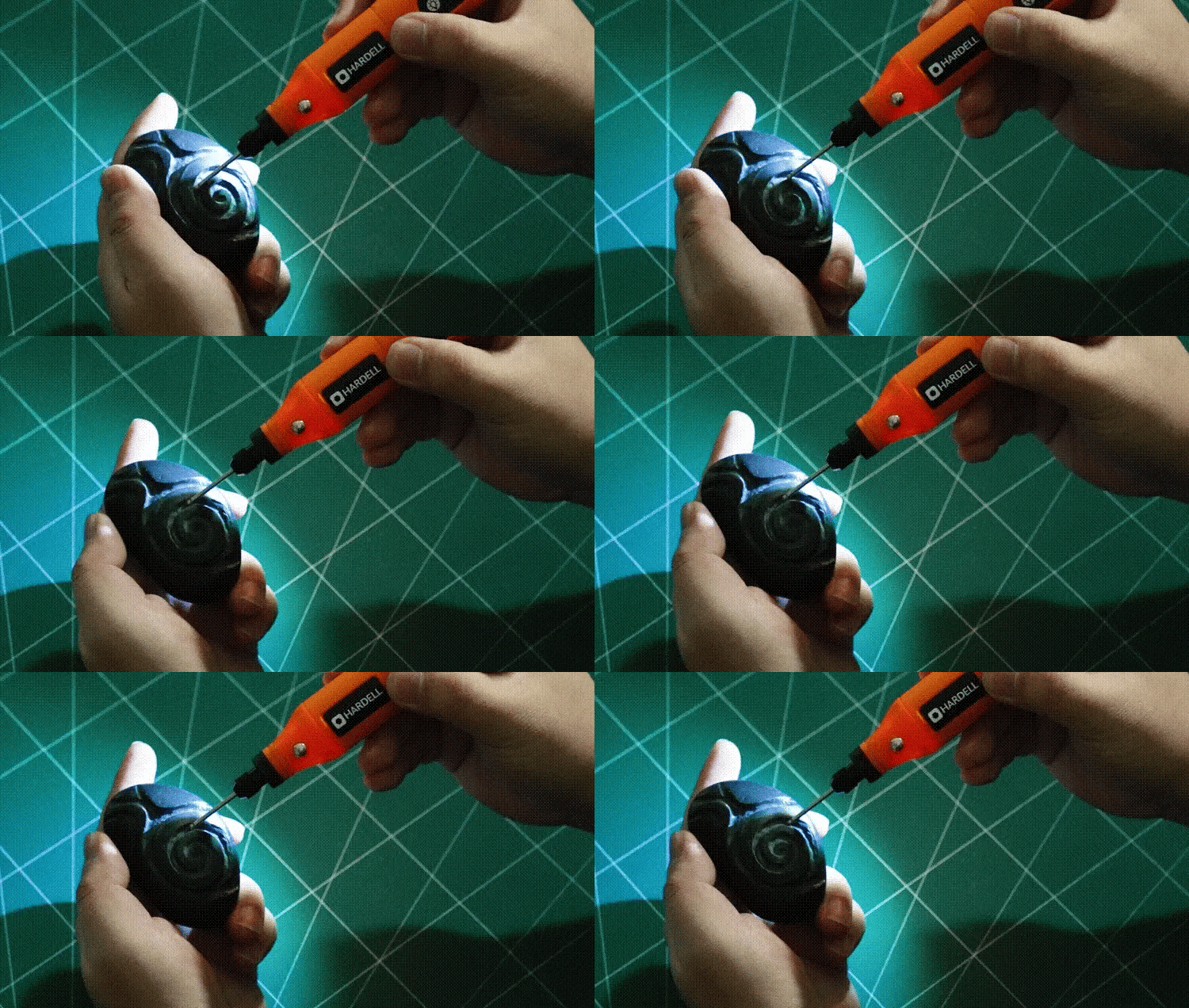
Credit: hardell.com
Proper Storage Techniques
Keeping rotary tool tips in good shape means storing them correctly. Proper storage helps avoid damage and rust. It also makes finding tips easier when you need them.
Good storage saves time and money. It keeps your tools ready for use and extends their life. Follow simple tips to store your rotary tool tips well.
Avoiding Damage And Rust
Rotary tool tips can break or rust if not stored properly. Keep them dry and clean before storage. Moisture causes rust and weakens the metal.
Use cases or containers that protect the tips from bumps and dust. Avoid mixing different tips together to prevent damage.
- Wipe tips clean with a dry cloth
- Store tips in a dry place
- Use protective cases or boxes
- Separate tips to avoid scratches
- Apply light oil to prevent rust
Organizing For Easy Access
Organize your rotary tool tips so you can find the right one quickly. Sort tips by size or type. This saves time and keeps work flowing smoothly.
Label containers or use small compartments. Keep frequently used tips in easy-to-reach places. Good organization also reduces the chance of losing tips.
- Sort tips by size or use
- Label storage boxes or containers
- Use small compartments or trays
- Keep popular tips handy
- Store seldom-used tips separately
Handling And Usage Tips
Rotary tool tips need careful handling for best results. Proper use helps keep them sharp and safe.
Follow simple steps to extend the life of your rotary tool tips. This guide covers pressure and speed settings.
Correct Pressure Application
Apply light pressure when using rotary tool tips. Too much force wears tips quickly and may cause damage.
- Hold the tool steady but avoid pressing hard.
- Let the tool’s speed do the work.
- Use firm, controlled movements for best results.
- Avoid pushing the tip deep into the material.
- Check the tip often for signs of wear or overheating.
Speed Settings For Longevity
Correct speed settings prevent overheating and prolong tip life. Different materials need different speeds.
| Material | Recommended Speed (RPM) |
| Soft wood | 10,000 – 15,000 |
| Metal | 20,000 – 25,000 |
| Plastic | 12,000 – 18,000 |
| Glass/ceramic | 8,000 – 12,000 |
| Soft metals (aluminum, brass) | 15,000 – 20,000 |
Replacing Worn Tips
Rotary tool tips wear out over time and need replacement. Using worn tips can damage your work or tool.
Knowing when and how to replace tips helps keep your tool working well and lasting longer.
Signs Of Wear
Look for these signs to know if your rotary tool tips need replacing:
- Tip is visibly chipped or cracked.
- Cutting or grinding is slower than before.
- Tip slips or does not hold firmly.
- Excessive vibration during use.
- Burn marks or discoloration on the tip.
Choosing Quality Replacements
Pick the right tip to match your project and tool. Quality tips last longer and work better.
| Tip Material | Best For | Durability |
| Carbide | Hard metals and stone | High |
| Diamond | Glass and ceramics | Very High |
| Steel | Wood and soft metals | Medium |
| Aluminum Oxide | General purpose grinding | Medium |
Frequently Asked Questions
How Often Should You Clean Rotary Tool Tips?
Clean your rotary tool tips after every use to ensure optimal performance. Regular cleaning prevents debris buildup and maintains efficiency. Use a soft brush or compressed air for best results. Proper maintenance extends the life of your tool and ensures smooth operation.
What Materials Are Safe For Rotary Tool Tips?
Rotary tool tips are safe for metals, plastics, wood, and ceramics. Avoid using on glass and delicate surfaces without appropriate attachments. Always refer to your tool’s manual for recommended materials. Using the correct materials ensures the tool’s longevity and effective operation.
How Do You Sharpen Rotary Tool Tips?
Use a fine-grit sharpening stone or diamond file to sharpen rotary tool tips. Gently file the tips, maintaining the original angle. Regular sharpening ensures precise cuts and prolongs tool life. Be cautious and wear safety gear to prevent injury during the sharpening process.
Why Do Rotary Tool Tips Wear Out?
Rotary tool tips wear out due to friction, heat, and improper use. Using incorrect materials or excessive pressure accelerates wear. Regular maintenance and correct usage can significantly reduce wear. Replace tips when they show signs of wear to maintain tool efficiency.
Conclusion
Maintaining rotary tool tips keeps them sharp and effective. Clean tips after each use to avoid build-up. Check for wear and replace tips when needed. Store tips in a dry, safe place to prevent damage. Regular care saves money and improves your work.
Small efforts make a big difference in tool life. Keep your tools ready for every project. Simple steps ensure smooth and precise results every time.