
Are you looking to keep your rotary tools running smoothly for years to come? Whether you’re a DIY enthusiast or a seasoned professional, you know that your rotary tools are vital for getting the job done right.
But here’s the secret: maintaining them isn’t just about keeping them clean. It’s about ensuring their longevity, so they perform as well as they did on day one. Imagine the frustration of a broken tool right in the middle of a project.
You can avoid that! In this guide, you’ll discover simple yet effective tips that will not only extend the life of your rotary tools but also keep your projects on track. Ready to unlock the secrets to seamless tool maintenance? Read on to find out how you can make your tools last longer and work better than ever.

Credit: jcblhandtools.com
Choosing Quality Rotary Tools
Picking good rotary tools is important for lasting use. Quality tools work better and last longer.
Learn what to look for when choosing rotary tools. This helps you get the best value.
Check The Motor Power
The motor power shows how strong the tool is. Higher power means it can handle tough jobs.
Look for tools with motors that fit your needs. Too low power may cause slow work or damage.
Look For Durable Materials
Quality tools use strong materials like metal or tough plastic. These last longer and resist damage.
A tool made with cheap parts can break quickly. Choose tools with solid construction for durability.
Consider Brand Reputation
Brands known for good tools usually make reliable products. Check reviews to see what others say.
Choosing a trusted brand helps ensure your tool will work well and last longer.
Check For Comfortable Design
A good rotary tool feels comfortable in your hand. This reduces fatigue and improves control.
Look for tools with grips and balanced weight. This makes long use easier and safer.
Look For Versatility And Attachments
Quality tools offer various attachments for different jobs. This saves money and space.
- Check if the tool accepts many accessory types
- Look for included attachments for cutting, grinding, or polishing
- Choose tools that allow easy attachment changes

Credit: fimicimplement.com
Regular Cleaning Techniques
Keeping your rotary tools clean helps them last longer. Dirt and dust can cause damage over time.
Regular cleaning improves tool performance and safety. It is easy to do with simple steps.
Removing Dust And Debris
Dust and debris build up inside and outside the tool. This can block air vents and affect cooling.
Use a soft brush or compressed air to remove dust. Clean all vents and surfaces carefully.
- Turn off and unplug the tool first
- Use a small brush to sweep dust away
- Blow compressed air into vents and crevices
- Wipe the tool with a dry cloth after cleaning
Cleaning Attachments And Accessories
Attachments like bits and sanding drums collect residue. Cleaning them keeps them sharp and effective.
Remove attachments and clean with warm soapy water or a brush. Dry them fully before reuse.
- Detach accessories from the tool
- Soak in warm, soapy water if needed
- Use a brush to remove stuck debris
- Rinse and dry completely to avoid rust
- Store accessories in a clean, dry place
Proper Lubrication Practices
Keeping your rotary tools well lubricated helps them work better and last longer. Lubrication reduces friction and wear on moving parts.
Using the right lubricant and applying it often enough protects the tool’s motor and bearings. This saves you money on repairs.
Types Of Lubricants To Use
Choose lubricants made for small power tools. These lubricants can handle high speeds and heat. Avoid thick oils that slow the tool down.
Light machine oil and synthetic lubricants work well. They keep parts moving smoothly without gumming up.
- Light machine oil is easy to apply and widely available
- Synthetic lubricants last longer and resist heat better
- Grease is best for parts that need more protection from wear
Frequency Of Lubrication
Lubricate your rotary tool regularly to avoid damage. The exact frequency depends on how often you use the tool.
Check the user manual for recommended intervals. If you use the tool every day, lubricate it weekly. For occasional use, monthly lubrication may be enough.
- Lubricate bearings and moving parts after every 10 hours of use
- Clean old lubricant off before applying new lubricant
- Watch for noise or resistance as signs to lubricate sooner
Safe Storage Solutions
Keeping your rotary tools safe helps them last longer. Proper storage stops damage and keeps tools ready.
Learn how to store rotary tools safely to avoid rust and wear. Good storage protects your investment.
Protecting From Moisture
Moisture can cause rust and damage rotary tools. Store tools in dry places to keep them safe.
Use airtight containers or toolboxes with moisture absorbers. This stops water from causing harm.
- Keep silica gel packets inside storage boxes
- Store tools in rooms with low humidity
- Use plastic cases that seal tightly
- Wipe tools dry before storing
Organizing Tools And Accessories
Organizing tools saves time and prevents damage. Use trays or holders for small parts and bits.
Label compartments to find accessories easily. Keep all parts in one place to avoid loss.
- Store bits in a bit rack or small boxes
- Use drawer dividers for accessories
- Group similar tools together
- Clean tools before putting them away
Routine Inspection And Maintenance
Rotary tools need regular care to work well for a long time. Checking them often helps find problems early.
Good maintenance keeps the tool safe and saves money by avoiding big repairs.
Checking For Wear And Tear
Look at your rotary tool parts for signs of damage or wear. Check the bits, cords, and housing carefully.
Listen for strange sounds or feel if the tool vibrates more than usual. These can mean parts are worn out.
- Inspect cutting bits for dullness or chips
- Check power cords for cracks or frays
- Look at the tool body for cracks or loose parts
- Feel for unusual vibrations or noise
Replacing Worn Parts
Change any worn or broken parts right away. Using damaged parts can cause more harm to the tool.
Use parts that match the tool’s model and follow the instructions to fit them correctly.
- Replace dull or broken bits regularly
- Swap out damaged power cords for safety
- Use proper parts from the tool maker
- Tighten screws and fittings after replacement
Correct Usage Tips
Rotary tools need careful use to last a long time. Using them the right way helps avoid damage.
This guide covers how to avoid overheating and pick the right speed settings for your rotary tool.
Avoiding Overheating
Overheating can break your rotary tool quickly. You should give the tool time to cool down during use.
- Take short breaks after heavy use to cool the motor
- Do not press too hard on the tool while working
- Use the correct attachment for the job to reduce stress
- Keep vents clear of dust and debris
- Store the tool in a cool, dry place when not in use
Using The Right Speed Settings
Each task needs a different speed. Using the right speed keeps your tool safe and works better.
| Material | Recommended Speed (RPM) |
| Wood | 15,000 – 20,000 |
| Metal | 10,000 – 15,000 |
| Plastic | 12,000 – 18,000 |
| Glass | 8,000 – 12,000 |
| Stone | 10,000 – 15,000 |
Troubleshooting Common Issues
Rotary tools need care to work well for a long time. Sometimes, they face common problems. Fixing these issues helps keep the tool safe and useful.
This guide helps you handle motor problems and fix attachment malfunctions. Follow simple tips to solve these issues quickly.
Handling Motor Problems
If your rotary tool’s motor stops working or runs weakly, check for dirt or worn parts. Dust can block the motor and cause overheating.
Look at the brushes inside the motor. Worn brushes can cause poor performance. Replace them if they look damaged or short.
- Clean air vents to prevent dust buildup
- Check power cord for cuts or damage
- Replace worn motor brushes promptly
- Let the tool cool if it overheats
Fixing Attachment Malfunctions
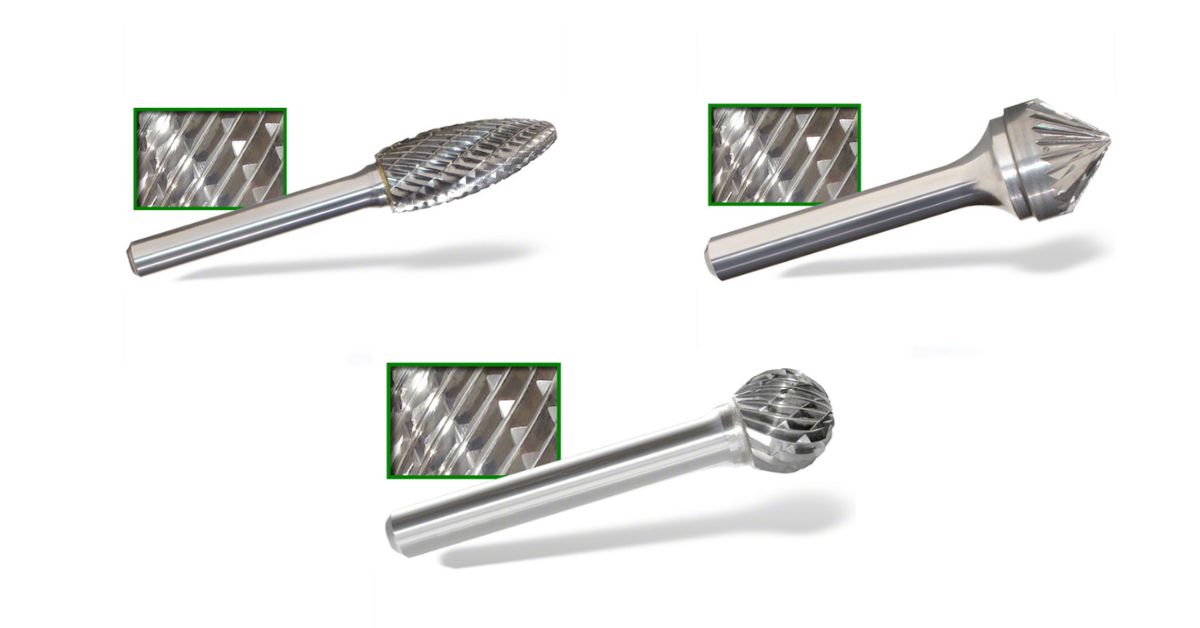
Attachments may not fit well or stop spinning. Check if the collet is tight and clean. Loose collets cause attachments to slip.
Make sure attachments are not bent or broken. Damaged parts can cause vibration or stop working. Replace faulty attachments for safety.
- Tighten the collet securely around the attachment
- Clean the collet and attachment before use
- Inspect attachments for cracks or bends
- Replace damaged attachments immediately
Credit: www.drillbitwarehouse.com
Frequently Asked Questions
How Often Should I Clean My Rotary Tool?
Clean your rotary tool after every use to prevent dust buildup. Use a soft brush or compressed air to remove debris. Regular cleaning ensures smooth operation and extends tool life.
What Type Of Lubricant Is Best For Rotary Tools?
Use light machine oil or manufacturer-recommended lubricant for your rotary tool. Apply sparingly to moving parts to reduce friction and wear. Proper lubrication improves performance and durability.
How Can I Prevent Overheating In Rotary Tools?
Avoid continuous heavy use to prevent overheating. Take breaks during extended projects and ensure proper ventilation. Overheating can damage internal components and shorten tool lifespan.
When Should I Replace Rotary Tool Brushes?
Replace brushes when you notice reduced power or sparking. Worn brushes affect motor efficiency and can cause damage. Regular inspection helps maintain optimal tool function.
Conclusion
Keeping your rotary tools clean and well-oiled helps them last longer. Check parts often and replace worn pieces quickly. Store tools in a dry, safe place to avoid damage. Use the right bits for each job to prevent wear. Regular care saves money and keeps your work easy.
Small steps make a big difference over time. Take care today, and your tools will work tomorrow. Simple habits protect your investment and improve performance. Maintenance is the key to long-lasting rotary tools.