Your safety boots are more than just a part of your work attire; they are a vital tool that protects you from potential hazards. But are you giving them the care they deserve?
Proper maintenance of your safety boots not only extends their lifespan but also ensures they continue to offer the protection you rely on every day. Imagine being confident in knowing that your boots will perform at their best, whether you’re navigating a construction site or handling heavy materials.
In this guide, you’ll discover simple yet effective tips on how to keep your safety boots in top condition. Ready to step up your safety game? Let’s dive in and explore how you can make your boots last longer while keeping your feet safe and comfortable.
Choosing The Right Safety Boots
Safety boots protect your feet from injuries at work. Picking the right pair keeps you safe and comfortable all day.
Consider the material, fit, and work environment to find boots that suit your needs well.
Material Types And Their Benefits
Safety boots come in different materials. Each type offers unique benefits based on work demands.
- Leather:Durable and water-resistant, good for heavy-duty jobs.
- Rubber:Great for wet or muddy places, easy to clean.
- Synthetic fabrics:Lightweight and breathable, ideal for hot conditions.
- Composite materials:Non-metallic, light, and safe for electrical work.
Selecting The Proper Fit
| Fit Aspect | Details |
| Length | Leave about a half inch of space between toes and boot tip. |
| Width | Boots should feel snug but not tight on the sides. |
| Heel | Heel must not slip when walking or running. |
| Arch Support | Good support reduces foot fatigue during long hours. |
| Socks | Wear the socks you plan to use with boots when fitting. |
Boots For Different Work Environments
Choose boots that match your work setting. Different jobs need special features.
- Construction Sites:Boots with steel toes and slip-resistant soles.
- Electrical Work:Insulated boots to protect against shocks.
- Wet Conditions:Waterproof boots with good traction.
- Cold Weather:Insulated boots that keep feet warm.
- Indoor Work:Lightweight boots with non-marking soles.

Credit: www.vdp.com
Cleaning Safety Boots
Safety boots protect your feet in tough work conditions. Keeping them clean helps them last longer and stay effective.
Regular cleaning removes dirt and grime that can damage the boots over time. Use simple steps to keep your boots in good shape.
Daily Cleaning Routine
Wipe your boots every day to remove dust and mud. This prevents buildup and keeps the material strong.
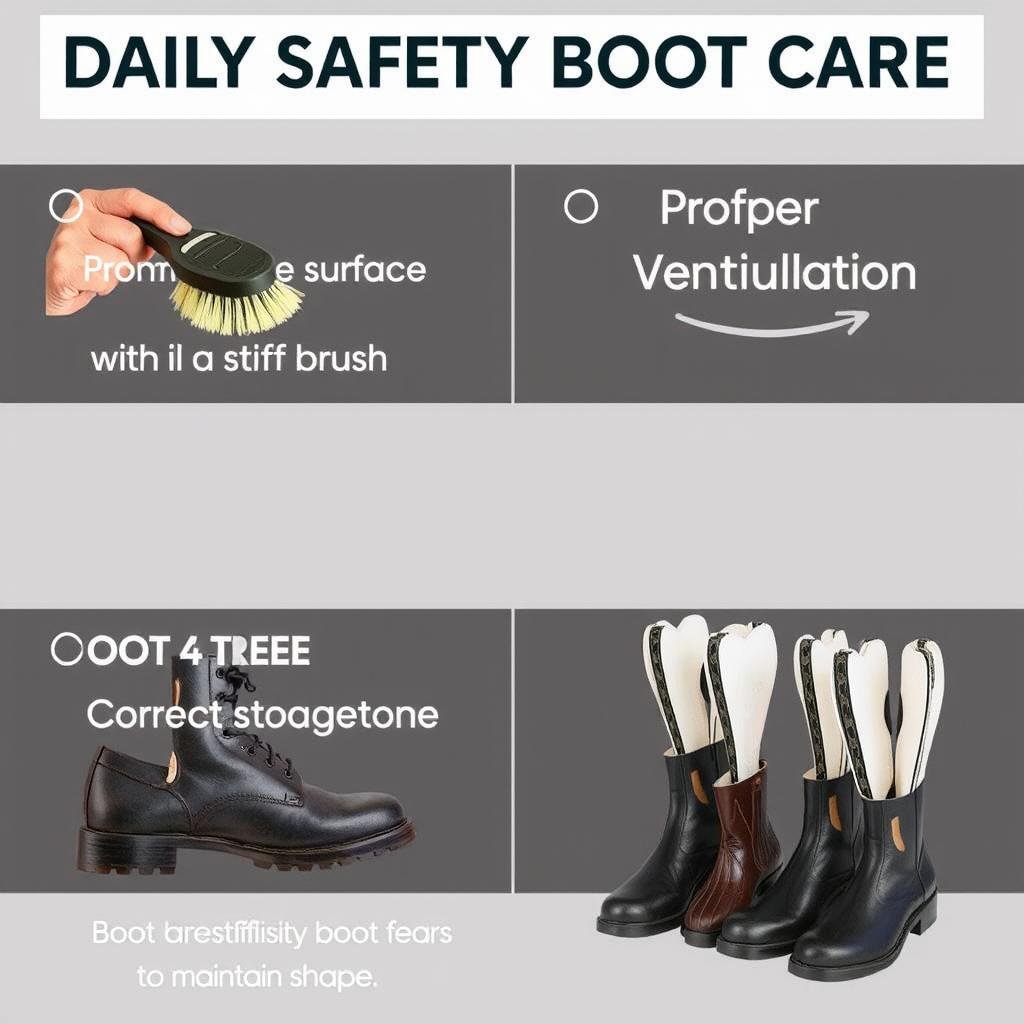
- Use a soft brush to clear loose dirt.
- Wipe with a damp cloth for surface cleaning.
- Let boots dry naturally away from heat.
- Store in a cool, dry place after cleaning.
Removing Stains And Dirt
Stains can cause damage if left too long. Use gentle methods to remove tough dirt without harming the boots.
- Mix mild soap with water to create a cleaning solution.
- Dip a soft brush or cloth into the solution.
- Gently scrub the stained areas in circular motions.
- Rinse with clean water to remove soap residue.
- Dry boots at room temperature, avoiding direct sunlight.
Using Appropriate Cleaning Products
| Boot Material | Recommended Cleaner | Avoid |
| Leather | Mild leather cleaner or saddle soap | Harsh detergents, bleach |
| Rubber | Soap and water | Solvents, abrasive cleaners |
| Suede | Suede brush and special cleaner | Water, strong soaps |
Always check labels before using any product. Using the wrong cleaner can ruin your boots.
Drying And Storage Tips
Safety boots protect your feet during tough work. Keeping them dry and stored well helps them last longer.
Wet boots can cause discomfort and damage. Proper drying and storage keep them safe and ready for use.
Effective Drying Methods
Dry your safety boots soon after use. Remove the insoles to help air flow inside. Avoid direct heat that can damage the boots.
- Use newspaper to absorb moisture inside the boots.
- Place boots in a well-ventilated area to dry naturally.
- Keep boots away from heaters or sunlight to avoid cracking.
- Use a boot dryer designed for safety footwear if available.
Avoiding Damage During Storage
Store your boots in a clean, dry place. Keep them away from chemicals or sharp objects that may cause damage.
Do not store boots in damp or dark areas. This can cause mold and weaken the materials.
- Clean boots before storing to remove dirt and debris.
- Use boot trees or stuff with paper to keep their shape.
- Store boots upright on a shelf or in a box with air holes.
Storing For Longevity
Long-term storage needs extra care. Keep boots dry and shaped to prevent damage over time.
Check stored boots regularly for signs of wear or moisture. Rotate use if possible to keep boots in good condition.
- Apply leather conditioner if boots are leather to keep them flexible.
- Store in breathable bags to avoid moisture build-up.
- Keep boots away from extreme temperatures to protect materials.
Regular Inspection And Repairs
Safety boots protect your feet at work. Regular checks keep them safe and useful. Fixing problems early saves money.
Inspect boots often to find damage. Repair small issues before they get worse. This helps boots last longer.
Checking For Wear And Tear
Look closely at your boots for signs of damage. Check the soles, seams, and laces every time you use them.
Wear can cause slips or injuries. Spotting problems early helps keep you safe and boots working well.
- Check for cracks or holes in the soles
- Look for loose or broken stitching
- Inspect laces for frays or breaks
- Feel inside for worn padding or rough spots
Fixing Common Issues
Small repairs can extend your boots’ life. Replace broken laces and fix loose stitching quickly.
Use glue for sole cracks or take boots to a cobbler. Keeping boots in good shape prevents bigger problems.
- Replace worn or broken laces
- Glue small sole cracks or separations
- Re-stitch loose seams if possible
- Clean and dry boots after use
When To Replace Safety Boots
Replace boots if damage is too bad to fix. Worn soles or broken safety features mean new boots are needed.
Old boots may not protect your feet well. Check for deep cracks, missing toe caps, or thin soles. These signs mean it’s time to get new boots.
- Sol cracks or holes that glue cannot fix
- Safety toe caps are cracked or missing
- Soles are very thin or worn smooth
- Boots cause pain or discomfort
- Boots no longer fit properly
Waterproofing And Conditioning
Safety boots protect your feet from many dangers. Keeping them waterproof and conditioned helps them last longer.
Waterproofing stops water from soaking in. Conditioning keeps leather soft and strong. Both are important for your boots.
Applying Waterproof Treatments
Start by cleaning your boots well. Remove dirt and dry them before applying any product.
Use a waterproof spray or wax made for safety boots. Apply evenly on all surfaces and let it dry fully.
- Clean boots before treatment
- Choose a waterproof product for leather or fabric
- Apply in a well-ventilated area
- Let boots dry completely
- Repeat treatment regularly for best results
Conditioning Leather Boots
Leather can dry out and crack without care. Use a leather conditioner to keep it soft and strong.
Apply conditioner with a clean cloth. Rub it in gently and let the leather absorb it before wiping off extra.
- Choose a conditioner made for leather
- Use a soft cloth to apply
- Work in small sections
- Allow time to absorb
- Wipe off excess product
Maintaining Flexibility And Comfort
Boots need to stay flexible to feel comfortable. Conditioning helps keep leather bendable and less stiff.
Regular cleaning and conditioning prevent cracks. This keeps your boots comfortable for long wear.
- Clean boots after use
- Condition leather every few weeks
- Store boots in a cool, dry place
- Use boot trees to keep shape
- Replace insoles if worn

Credit: magnumboots.com.au
Additional Tips For Extended Protection
Safety boots keep your feet safe during work. You can make them last longer with extra care.
These tips help protect your boots and keep you safe every day.
Using Boot Accessories
Boot accessories add an extra layer of protection. They help your boots resist damage and stay clean.
Common accessories include waterproof sprays, insoles, and protective covers. These keep boots dry and comfortable.
- Waterproof sprays stop water from soaking in
- Insoles provide extra comfort and support
- Protective covers guard against dirt and chemicals
Rotating Between Pairs
Using different pairs of boots lets each pair dry and rest. This reduces wear and tear.
Rotating boots also stops bad smells and helps boots keep their shape longer.
- Wear one pair one day
- Switch to another pair the next day
- Let the unused pair dry in a cool place
Following Manufacturer Guidelines
Manufacturers give advice on how to care for your boots. Follow these rules to keep boots safe and strong.
Check cleaning tips, storage advice, and how often to replace parts like insoles or laces.
- Clean boots as the manufacturer suggests
- Store boots in a dry, cool place
- Replace damaged parts promptly
Credit: www.hippocketworkwear.com.au
Frequently Asked Questions
How Often Should I Clean My Safety Boots?
You should clean your safety boots after every use. Regular cleaning removes dirt and grime, preventing damage. It also extends the life of the boots and maintains their safety features. Use a soft brush and mild soap for best results.
What Is The Best Way To Dry Safety Boots?
Air-drying is the safest method to dry safety boots. Avoid direct heat sources like radiators or sunlight. Remove the insoles and loosen the laces to speed up drying. Proper drying prevents cracking and maintains boot shape.
How Do I Condition Leather Safety Boots?
Use a leather conditioner specifically designed for safety boots. Apply a small amount with a soft cloth and rub gently. Conditioning keeps the leather supple, prevents cracking, and extends the boot’s lifespan. Do this every few months or as needed.
Can I Waterproof My Safety Boots Myself?
Yes, you can waterproof your safety boots using sprays or waxes made for leather or fabric. Clean boots thoroughly before applying. Waterproofing protects against water damage and maintains comfort. Reapply regularly, especially after heavy use or cleaning.
Conclusion
Maintaining safety boots keeps your feet protected and comfortable. Clean them often to remove dirt and mud. Dry boots properly to avoid damage and bad smells. Check soles and laces regularly for wear and tear. Store boots in a cool, dry place after use.
Small steps like these help boots last longer. They also keep you safe on the job. Take care of your boots, and they will take care of you. Simple habits make a big difference in safety and comfort.