Your safety boots are more than just footwear—they are your first line of defense on any construction site. Keeping them in top shape isn’t just about appearance; it’s about protecting your feet from serious injuries every day.
If you want to extend the life of your boots and ensure they keep doing their job well, you need to know the right care techniques. You’ll discover simple, effective ways to maintain your safety boots so they stay strong, comfortable, and ready for any challenge.
Stick with me, and your feet will thank you for it.
Credit: rockyboots.com
Choosing The Right Safety Boots
Safety boots protect your feet during construction work. Choosing the right boots keeps you safe and comfortable.
Select boots that fit well and suit the work environment. This helps prevent injuries and fatigue.
Material Types And Their Benefits
Safety boots come in different materials. Each material offers unique benefits for construction workers.
- Leather:Durable and water-resistant. It molds to your feet over time.
- Rubber:Great for wet areas. It protects against chemicals and water.
- Synthetic fabrics:Lightweight and breathable. They dry quickly and are easy to clean.
Proper Fit And Comfort
Boots must fit well to avoid blisters and pain. Measure your feet and try boots on with socks you wear at work.
Look for boots with cushioned insoles and good arch support. These features reduce foot fatigue during long workdays.
Boot Features For Construction
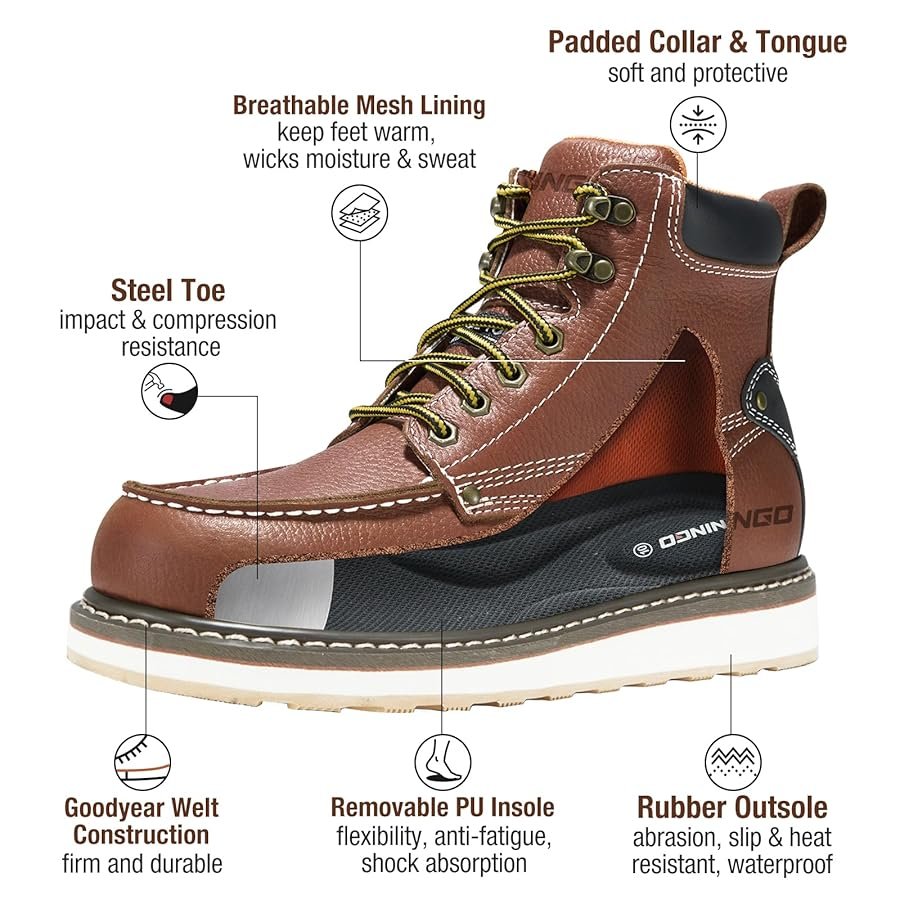
Construction boots have special features to protect your feet and improve safety. These features suit tough work conditions.
- Steel toe caps:Protect toes from heavy falling objects.
- Slip-resistant soles:Help prevent slips on wet or oily surfaces.
- Waterproof lining:Keeps feet dry in wet conditions.
- Puncture-resistant soles:Guard against sharp nails and debris.
- High ankle support:Prevents ankle injuries on uneven ground.
Cleaning Your Safety Boots
Safety boots protect your feet on construction sites. Keeping them clean helps them last longer and stay effective.
Regular cleaning removes dirt and grime that can damage the boots. Clean boots also look better and feel more comfortable.
Daily Cleaning Routine
Wipe your boots every day to remove loose dirt. Use a soft brush or cloth for this job.
Check the soles for stones or mud. Remove any stuck debris to keep the boots safe and stable.
- Brush off dust and dirt after each use
- Clean the soles carefully
- Let boots air dry if wet
Removing Stubborn Dirt And Stains
For tough dirt, use warm water and a soft brush. Avoid harsh scrubbing that can damage the material.
Stains from oil or grease need special care. Use a cloth with mild soap to gently clean the affected area.
- Soak boots in warm water if very dirty
- Use a soft brush for mud and grime
- Apply mild soap on stains and rub gently
- Rinse with clean water and dry naturally
Using Suitable Cleaning Products
Choose cleaning products that match your boot material. Leather boots need different care than fabric ones.
Avoid strong chemicals that can dry or crack the boots. Use products made for safety or work boots instead.
- Leather cleaner for leather boots
- Mild soap or detergent for fabric boots
- Waterproof spray to protect after cleaning
- Soft brushes and cloths for application
Drying And Storage Tips
Safety boots are important for protecting your feet on construction sites. Keeping them dry and stored properly helps them last longer.
Wet or poorly stored boots can lose shape and strength. Follow these tips to keep your boots in good condition.
Avoiding Heat Damage
Do not dry safety boots near direct heat sources like heaters or fireplaces. High heat can crack the leather and damage the sole.
Heat can also shrink materials or make them stiff. This reduces comfort and protection.
- Keep boots away from radiators and heaters
- Avoid direct sunlight for long periods
- Do not use hairdryers or ovens to dry boots
Best Practices For Drying
Remove the insoles and loosen the laces to help air flow inside boots. This speeds up drying and stops bad smells.
Use newspaper or boot trees to keep shape and absorb moisture. Change the newspaper often if very wet.
- Remove insoles before drying
- Loosen laces to open boots
- Stuff boots with newspaper to absorb water
- Use boot trees to keep shape
- Dry in a well-ventilated area
Proper Storage Conditions
Store your boots in a cool, dry place. Avoid damp or humid areas that can cause mold and mildew.
Keep boots upright and away from heavy objects. This keeps their shape and prevents damage.
- Store boots in a dry, cool area
- Keep boots away from dampness and mold
- Place boots upright or use boot racks
- Avoid stacking heavy items on boots
- Use breathable bags instead of plastic

Credit: rockyboots.com
Regular Inspection And Repairs
Safety boots protect your feet on construction sites. Keeping them in good shape helps avoid injuries.
Regular checks and quick repairs make your boots last longer and stay safe.
Checking Soles And Stitching
Look at the soles for wear or holes. Worn soles can cause slips or trips.
Check stitching for loose threads or breaks. Strong stitching holds the boot together.
- Feel the sole for thin spots or cracks
- Look closely at the seams for loose threads
- Check if the sole is coming off from the boot
Fixing Minor Damages
Small problems like loose stitching or small holes need fast repair. Fixing them stops bigger damage.
You can use strong glue for soles or take boots to a cobbler for sewing.
- Use shoe glue for small sole cracks
- Sew loose stitches with thick thread
- Clean boots before repairing
- Dry boots fully after repair
When To Replace Your Boots
Replace boots if damage is too big to fix. Old boots may not protect your feet well.
If soles are very thin or stitching is mostly gone, it is time for new boots.
- Soles worn through or very slippery
- Large holes or tears in the material
- Stitching mostly broken or missing
- Boots feel weak or uncomfortable
Waterproofing And Conditioning
Safety boots keep your feet safe at construction sites. To last longer, they need care. Waterproofing and conditioning help protect boots from damage.
Waterproofing stops water from soaking the boots. Conditioning keeps the leather soft and strong. Both keep your boots comfortable and durable.
Choosing Waterproof Treatments
Pick a waterproof treatment that fits your boot material. Leather boots need special products. Fabric boots may use sprays or waxes.
Look for treatments that repel water but still let your feet breathe. Avoid heavy products that make boots stiff or sticky.
- Use silicone sprays for quick water resistance
- Apply wax-based treatments for deep waterproofing
- Avoid products with harsh chemicals
- Check if the product is safe for your boot type
Applying Leather Conditioners
Leather conditioners keep boots soft and prevent cracks. Apply them regularly to maintain leather strength. Clean boots before conditioning.
Use a soft cloth to apply conditioner. Rub it in small circles. Let it absorb fully before wearing the boots again.
- Choose a conditioner made for safety boots
- Test conditioner on a small area first
- Condition boots every few weeks or after heavy use
- Store boots in a cool, dry place after conditioning
Maintaining Boot Flexibility
Flexible boots move with your feet. This prevents discomfort and damage. Keep your boots flexible by cleaning and conditioning them.
Avoid exposing boots to extreme heat or cold. Use boot trees or stuff boots with paper to keep their shape. Flex boots gently before use.
- Clean boots after each use
- Condition leather to keep it soft
- Store boots properly to hold shape
- Do not bend boots harshly
Additional Tips For Longevity
Keeping your safety boots in good condition helps protect your feet and saves money. Follow simple tips to make your boots last longer.
These extra steps can improve your boots’ lifespan and keep them working well on the job.
Rotating Boots For Extended Use
Using the same pair of boots every day wears them out quickly. Rotate between two or more pairs to give each pair time to dry and rest.
This practice reduces sweat buildup and helps maintain the shape of your boots. It also lowers the chance of developing bad odors and damage.
- Keep at least two pairs of boots
- Wear a different pair every other day
- Let boots dry completely before wearing again
Avoiding Harmful Chemicals
Certain chemicals can damage the materials in your safety boots. Avoid exposing them to oils, acids, and harsh cleaning agents.
Use mild soap and water for cleaning. If you work with chemicals, clean your boots as soon as possible to prevent damage.
- Do not use bleach or strong detergents
- Wipe off spills immediately
- Store boots away from chemical containers
Protecting Against Extreme Weather
Extreme heat, cold, and moisture can harm safety boots. Protect them by storing boots indoors in a dry place.
Use waterproof sprays or treatments to help guard against water damage. Avoid leaving boots in direct sunlight or near heaters.
- Store boots in a cool, dry area
- Apply waterproofing products regularly
- Keep boots away from direct heat or sunlight

Credit: rockyboots.com
Frequently Asked Questions
How Often Should Safety Boots Be Cleaned?
Safety boots should be cleaned after each use. This prevents dirt buildup and maintains their protective features. Regular cleaning helps extend their lifespan. Use a soft brush and mild soap for best results. Always dry them properly to avoid mold and odors.
Can I Wash Safety Boots In A Washing Machine?
It’s not recommended to wash safety boots in a machine. Machine washing can damage their material and structure. Instead, clean them manually with a damp cloth and mild detergent. Air dry them away from direct sunlight for best results.
How Do I Waterproof Safety Boots?
To waterproof safety boots, apply a waterproofing spray regularly. Choose a spray compatible with your boot material. Clean the boots before application and allow them to dry completely. This will ensure maximum effectiveness and prolonged waterproof protection.
Why Is Regular Inspection Of Safety Boots Important?
Regular inspection ensures safety boots remain effective and intact. Look for wear, tears, and damaged soles. Identifying issues early prevents accidents and prolongs boot life. Replace boots if any significant damage is found to maintain safety standards.
Conclusion
Keeping safety boots clean and dry extends their life and protects your feet. Check for damage regularly and replace worn-out parts quickly. Store boots in a cool, dry place to avoid mold and odor. Proper care saves money and keeps you safe on site.
Small habits make a big difference in boot maintenance. Stay safe by treating your boots with care every day.