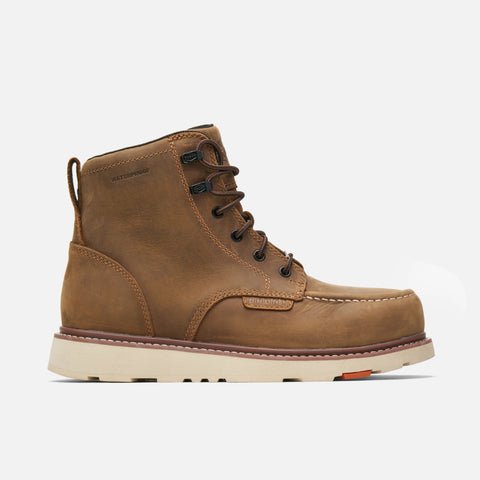
Your safety boots are more than just a part of your work attire; they are your shield against potential hazards. Keeping them in top-notch condition isn’t just about extending their lifespan; it’s about ensuring your own safety and comfort.
But how exactly do you maintain these crucial pieces of equipment for long-lasting durability? If you’ve ever found yourself puzzled by this question, you’re not alone. Imagine the peace of mind you’ll feel knowing your safety boots are always ready for action, supporting you through every step of your demanding day.
In this guide, we’ll uncover the secrets to keeping your boots in prime condition. From simple cleaning tips to effective storage strategies, you’ll discover how small changes can make a big difference. Let’s dive in and equip you with the knowledge to protect your investment and, more importantly, your feet.
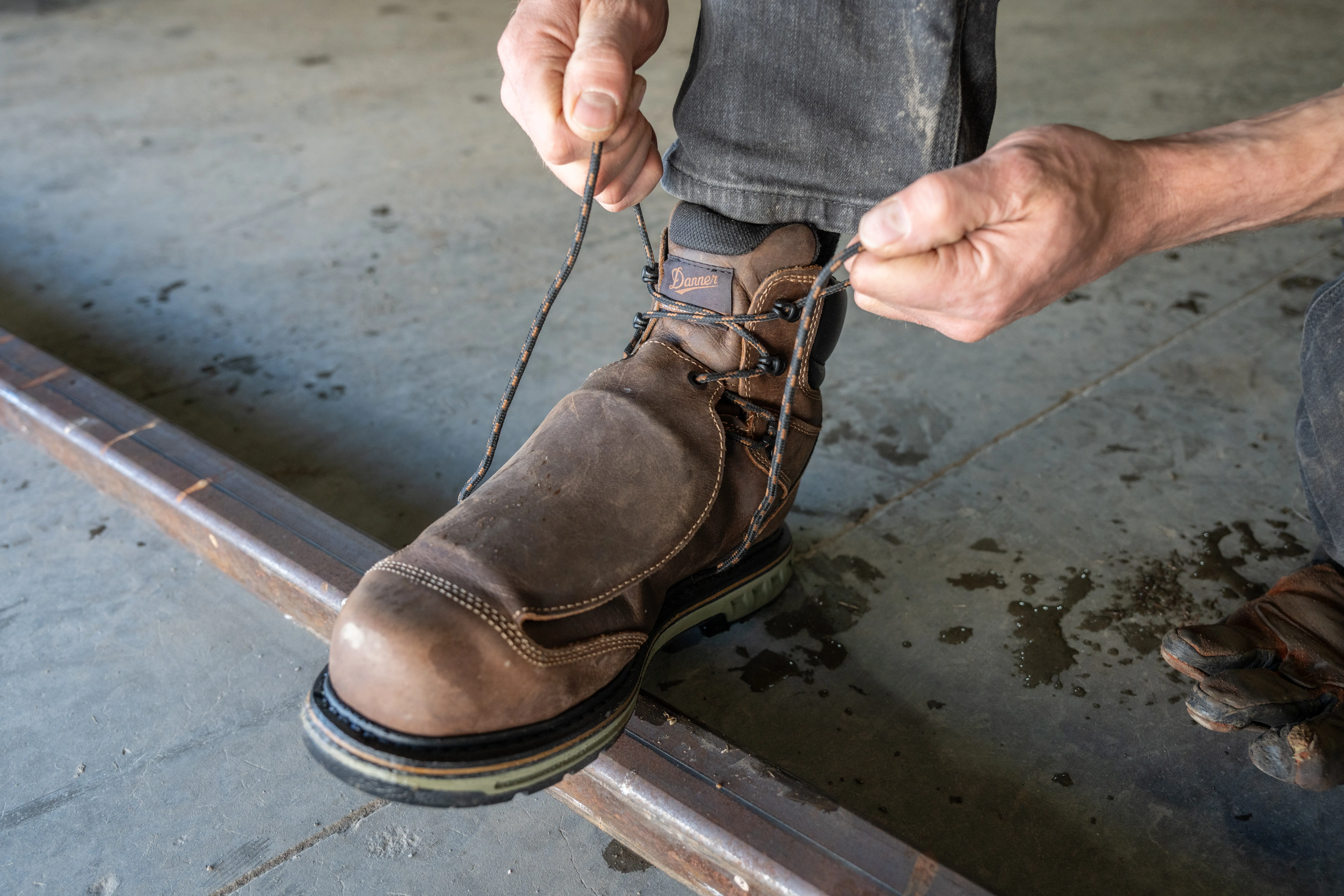
Credit: gearjunkie.com
Choosing The Right Safety Boots
Choosing safety boots is important for your feet and work. The right boots protect and last longer. You should think about materials, fit, and features.
Good boots keep you safe and save money by lasting longer. Learn how to pick the best boots for your needs.
Material Types And Their Durability
Safety boots come in different materials. Each type offers different strength and life. Leather is strong and lasts well. Rubber boots resist water and chemicals. Synthetic materials can be light and flexible.
| Material | Durability | Best Use |
|---|---|---|
| Full-Grain Leather | High | Heavy work, rough conditions |
| Rubber | Medium | Wet, chemical areas |
| Polyurethane (PU) | Medium | Light work, dry areas |
| Thermoplastic Polyurethane (TPU) | High | Hard surfaces, oil resistance |
Proper Fit For Longevity
Boots that fit well last longer and feel better. Tight boots can cause pain and wear out fast. Loose boots can cause blisters and damage the sole. Always try boots with socks you use at work.
- Measure your feet in the afternoon
- Check width and length carefully
- Wear usual work socks when trying boots
- Walk around to test comfort
- Leave space for toes to move
Boot Features To Consider
Some boot features improve safety and durability. Steel toe caps protect from heavy impacts. Slip-resistant soles keep you stable. Waterproof linings stop water and sweat. Look for boots with good ankle support and easy lacing.
| Feature | Benefit |
|---|---|
| Steel Toe Cap | Protects toes from falling objects |
| Slip-Resistant Sole | Prevents slipping on wet or oily floors |
| Waterproof Lining | Keeps feet dry in wet conditions |
| Ankle Support | Reduces risk of twists and sprains |
| Easy Lacing System | Allows quick and secure fit |
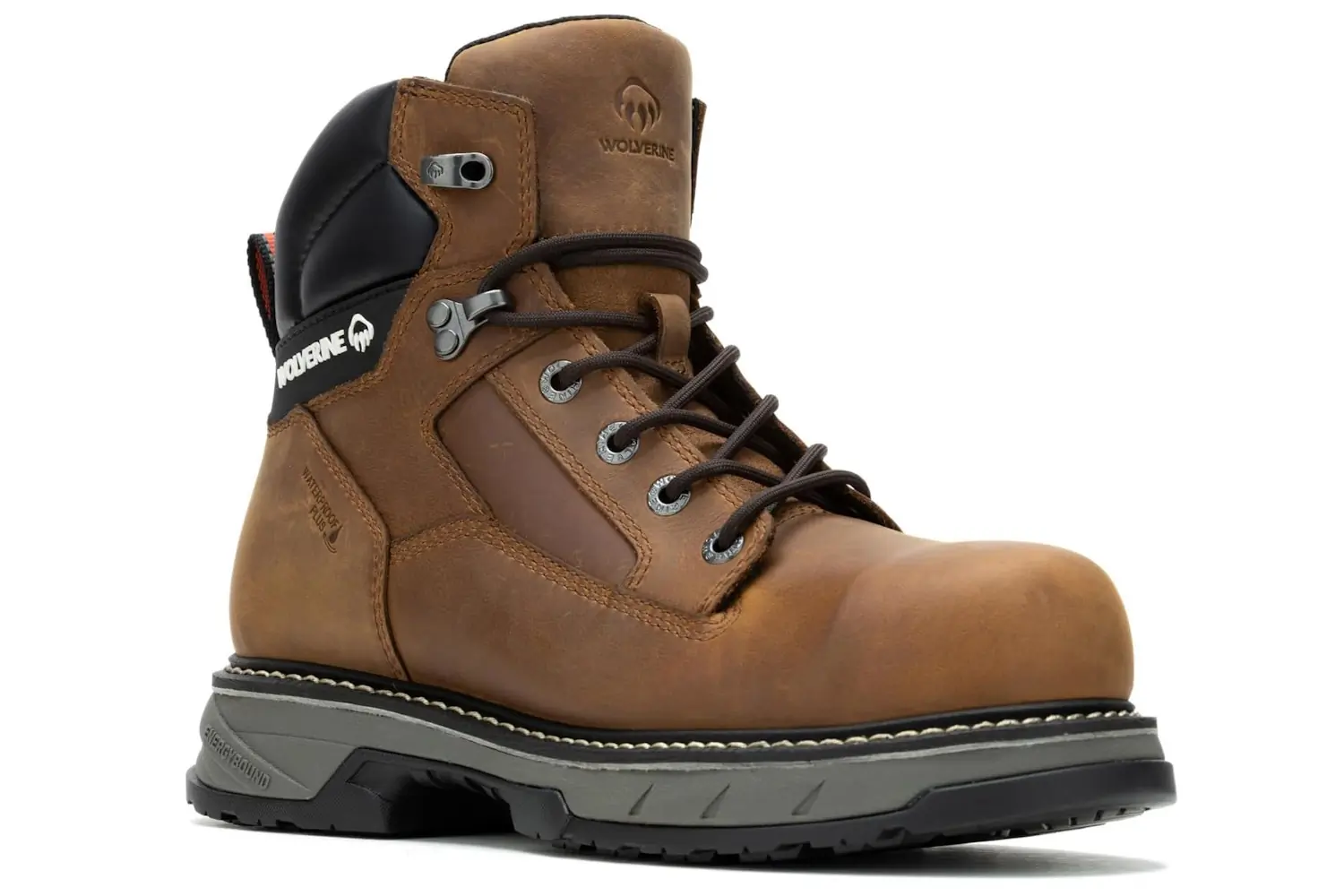
Credit: gearjunkie.com
Daily Cleaning Practices
Keeping safety boots clean helps them last longer. Dirt and sweat can damage the material. Daily care prevents problems from building up.
Simple cleaning steps keep your boots safe and comfortable. Use the right products and dry them carefully. This guide covers key cleaning tips.
Removing Dirt And Debris
Remove loose dirt after each use. Use a soft brush or cloth to clear mud and dust. This stops dirt from settling deep into the boots.
- Brush off mud gently with a soft brush
- Wipe boots with a damp cloth for dust
- Clean the soles to remove stones and debris
- Check seams and eyelets for hidden dirt
Suitable Cleaning Products
Choose mild cleaners made for leather or synthetic boots. Avoid harsh chemicals that can damage the material or waterproofing.
| Product Type | Use For | Notes |
| Leather Cleaner | Leather Boots | Gentle and moisturizing |
| Mild Soap | All Materials | Use diluted with water |
| Synthetic Cleaner | Synthetic Boots | Non-abrasive formula |
| Waterproof Spray | All Boots | Apply after cleaning |
Drying Methods To Avoid Damage
Dry boots naturally at room temperature. Avoid heat sources that dry too fast and crack the material. Let air flow around the boots.
- Do not use direct sunlight
- Avoid heaters or radiators
- Do not place boots in a dryer
- Remove insoles to dry separately
Regular Conditioning And Waterproofing
Safety boots protect your feet in tough work conditions. Keeping them well maintained helps them last longer.
Regular conditioning and waterproofing keep the boots strong and comfortable. These steps stop damage from water and dryness.
Leather Conditioning Techniques
Leather boots need conditioning to stay soft and avoid cracks. Use a clean cloth to apply the conditioner evenly.
Work the conditioner gently into the leather. Let it dry naturally away from direct heat or sunlight.
- Choose a conditioner made for leather boots
- Clean boots before applying conditioner
- Use small amounts to avoid sticky residue
- Apply conditioner regularly for best results
Applying Waterproof Treatments
Waterproof treatments stop water from soaking into boots. This keeps feet dry and protects leather from damage.
Apply waterproof spray or wax after cleaning and conditioning. Cover all areas, including seams and stitches.
- Use waterproof products made for safety boots
- Apply in a well-ventilated area
- Allow the boots to dry fully before use
- Reapply after heavy use or cleaning
Frequency Of Maintenance
Check your boots weekly for dirt, cracks, or dryness. Clean and condition them as needed to keep leather strong.
Waterproof boots after every few uses or after exposure to wet conditions. This keeps them sealed against water damage.
- Clean boots after every use if dirty
- Condition leather every 2 to 4 weeks
- Apply waterproof treatment monthly or after wet work
- Store boots in a dry, cool place
Inspecting For Wear And Tear
Safety boots protect your feet during tough work. Regular checks keep them strong and safe. Look closely for any signs of damage.
Early detection of wear helps you fix problems before they get worse. This saves money and keeps your boots reliable.
Checking Soles And Treads
Check the soles for worn spots or holes. Uneven wear can cause slips or discomfort. Look at the treads to see if they are shallow or missing.
- Look for cracks or splits in the sole
- Make sure treads have enough depth for grip
- Check if soles are coming loose from the boot
- Notice any hard or smooth areas that reduce traction
Spotting Stitching And Seam Issues
Inspect all stitches and seams for loose threads or holes. Weak stitching can let water in and reduce boot life. Check around the tongue, heel, and sides carefully.
| Problem | What to Look For | Effect |
|---|---|---|
| Loose stitching | Threads coming undone or fraying | Boot may fall apart or leak water |
| Split seams | Visible gaps or holes along seams | Reduces protection and comfort |
| Missing stitches | Empty spaces where thread is gone | Weakens boot structure |
When To Repair Vs. Replace
Decide if you can fix your boots or need new ones. Small issues are repairable. Big damage means replacement is safer.
- Repair if damage is minor and cost is low
- Replace if soles are very worn or separating
- Replace if stitching is broken in many places
- Replace if boots cause pain or reduce safety
Proper Storage Tips
Keeping your safety boots in good shape starts with how you store them. Proper storage helps boots last longer and stay comfortable.
Bad storage can cause damage like cracking, mold, or bad smells. Follow these tips to protect your boots.
Ideal Storage Environment
Store your boots in a cool, dry place away from direct sunlight. Heat and moisture can ruin the materials.
Avoid damp areas like basements or garages that can cause mold and mildew. Good air circulation helps keep boots fresh.
- Keep boots at room temperature
- Use a well-ventilated space
- Avoid direct sunlight and heat sources
- Keep away from damp or humid spots
Using Boot Trees And Supports
Boot trees help maintain the shape of your safety boots. They prevent creases and keep the leather tight.
Use boot supports if you do not have boot trees. Stuffing boots with newspaper or soft cloth works well.
- Insert boot trees after cleaning and drying
- Use newspaper to absorb moisture inside boots
- Replace supports regularly to avoid odors
- Choose supports that fit your boot size
Avoiding Common Storage Mistakes
Do not store boots in plastic bags or airtight containers. Lack of air can cause moisture buildup and mold.
Avoid placing heavy objects on top of boots. This can deform the shape and damage the soles.
- Never leave wet boots inside closed bags
- Do not stack boots under heavy items
- Avoid storing boots near heat sources
- Clean boots before storing to remove dirt
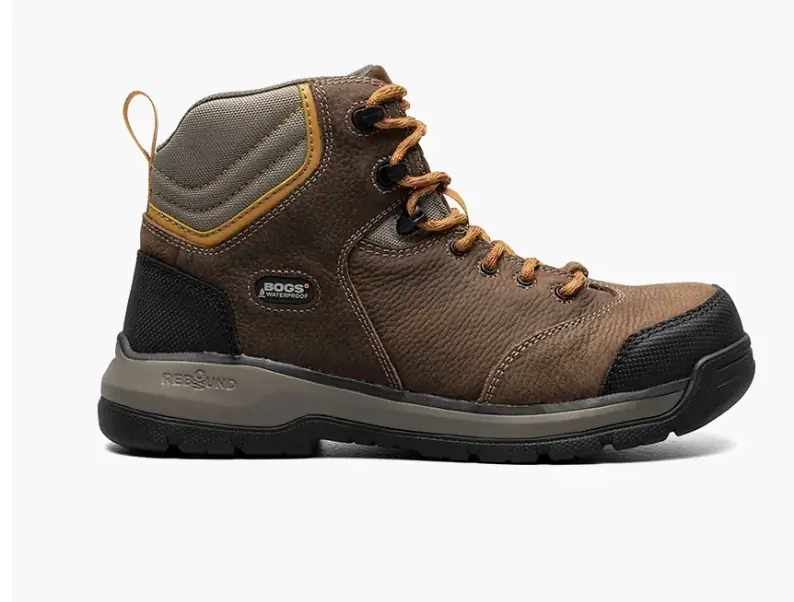
Credit: gearjunkie.com
Extending Boot Life During Use
Safety boots protect your feet during work. Keeping them in good shape helps them last longer.
Simple care habits can extend the life of your boots and keep them comfortable.
Rotating Between Pairs
Using different pairs of boots helps each pair dry and rest. This reduces wear and tear on one pair.
Rotating boots also lets you clean and check each pair regularly for damage.
- Let boots dry fully before wearing again
- Keep at least two pairs for rotation
- Use one pair for wet conditions, another for dry
Using Insoles And Liners
Insoles add comfort and protect the inside of your boots from sweat and dirt.
Liners keep your boots cleaner and reduce odor. Replace them regularly for best results.
- Choose insoles that fit your boots well
- Remove insoles to dry after use
- Replace liners every few months
Handling Wet And Muddy Conditions
Wet and muddy boots can wear out faster if not cleaned and dried properly.
Cleaning mud off quickly and drying boots away from heat helps keep the material strong.
- Remove mud with a soft brush or cloth
- Use cold water to rinse, avoid hot water
- Dry boots at room temperature, not near heaters
- Stuff boots with newspaper to absorb moisture
Frequently Asked Questions
How Often Should I Clean My Safety Boots?
Clean your safety boots after every use or at least once a week. Regular cleaning removes dirt and prevents material damage. Use a soft brush and mild soap for leather or synthetic boots. Proper cleaning extends the life and maintains the look of your boots.
What Is The Best Way To Dry Wet Safety Boots?
Air-dry your safety boots naturally at room temperature. Avoid direct heat sources like radiators or sunlight, as they can crack the material. Remove insoles and loosen laces for better airflow. Proper drying prevents mold, odor, and material degradation, ensuring durability.
How Do I Condition Leather Safety Boots?
Use a quality leather conditioner to keep boots supple and prevent cracking. Apply conditioner evenly with a soft cloth after cleaning. Conditioning maintains flexibility, water resistance, and extends the lifespan of your leather safety boots.
Can I Use Waterproof Sprays On Safety Boots?
Yes, waterproof sprays protect boots from water and stains. Choose sprays compatible with your boot material. Apply evenly on clean, dry boots and let them dry completely. Regular waterproofing enhances durability and keeps your feet dry.
Conclusion
Maintaining safety boots helps them last much longer. Clean your boots regularly and dry them well. Use proper products to protect the material. Check for damage and fix small problems fast. Store boots in a cool, dry place. Taking these steps saves money and keeps feet safe.
Good care means boots stay strong and comfortable. Simple habits make a big difference over time. Keep your safety boots ready for every job.