Your table saw is one of the most powerful tools in your workshop. But without proper care, it can quickly become dangerous.
You might think maintenance is complicated or time-consuming, but keeping your table saw safe is easier than you expect. You’ll discover simple steps to keep your saw running smoothly and protect yourself from accidents. Read on, because your safety and the quality of your work depend on it.
Choosing The Right Table Saw
Picking the right table saw is important for safety. It helps you work better and avoid accidents.
Think about your needs before buying. The right saw matches your skill and work type.
Types Of Table Saws
Table saws come in different styles. Each type fits different jobs and spaces.
- Benchtop Saws– Small and light. Good for easy jobs and small spaces.
- Contractor Saws– Heavier and stronger. Used by builders and hobbyists.
- Cabinet Saws– Large and powerful. Best for big workshops and long use.
- Hybrid Saws– Mix of contractor and cabinet saws. Good balance of power and price.
Choose a type that fits your space and how you use it.
Safety Features To Look For
Look for safety features before buying a table saw. They help prevent injuries.
- Blade Guard– Covers the blade to stop accidental contact.
- Riving Knife– Prevents wood from pinching the blade and kicking back.
- Anti-Kickback Pawls– Stops wood from flying back at you.
- Electric Brake– Stops the blade quickly after turning off.
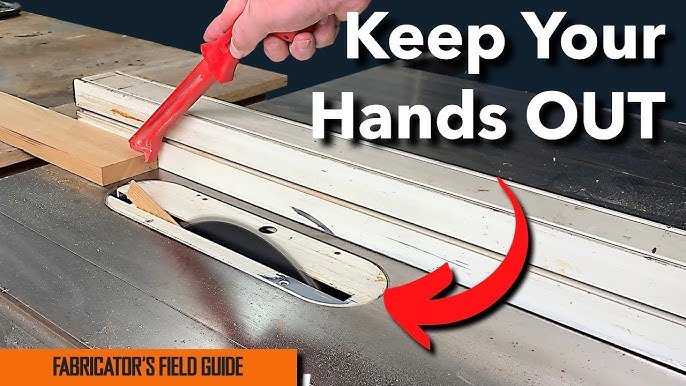
- Push Stick– Helps push wood safely past the blade.
Choose a saw with these features to keep your work safe.
Regular Cleaning And Dust Removal
Keeping your table saw clean helps it work safely and last longer. Dust and debris can cause problems and increase risk.
Regular cleaning removes sawdust and keeps moving parts working well. It also lowers fire and breathing dangers.
Clearing Sawdust And Debris
Remove sawdust and debris from the table saw after each use. This stops buildup that can block parts or cause jams.
Use a brush or vacuum to clean the saw surface, blade area, and inside compartments. Check areas around the motor too.
- Turn off and unplug the saw before cleaning
- Use a soft brush to clear sawdust from tight spots
- Vacuum dust around the blade and motor
- Wipe down surfaces with a dry cloth
- Avoid wet cleaning to protect electrical parts
Using Compressed Air Safely
Compressed air can clean hard-to-reach places on your table saw. Use it carefully to avoid blowing dust into your eyes or lungs.
Wear safety glasses and a dust mask when using compressed air. Blow air in short bursts and direct it away from yourself and others.
- Always unplug the saw before using compressed air
- Use safety gear like goggles and a mask
- Blow dust out of crevices and motor vents
- Do not use compressed air on electrical parts directly
- Work in a well-ventilated area to avoid dust buildup
Blade Maintenance
Keeping your table saw blade in good shape is key for safe cuts. A sharp, aligned blade reduces accidents and improves work quality.
Regular checks and care help the blade last longer and keep your table saw running smoothly.
Sharpening And Replacing Blades
A dull blade can cause kickbacks and rough cuts. Sharpen blades as needed or replace them if damaged.
- Turn off and unplug the table saw before handling the blade.
- Remove the blade guard and blade carefully using the correct wrench.
- Inspect the blade for dull teeth or damage like chips and cracks.
- If the blade is dull but undamaged, send it to a professional sharpener.
- Replace the blade if you see cracks, missing teeth, or warping.
- Reinstall the blade and guard securely before use.
Checking Blade Alignment
Proper blade alignment prevents binding and reduces wear on the saw. Check alignment regularly for safety.
| Check Item | How to Check | Ideal Result |
| Blade to Miter Slot | Place a combination square against the blade and miter slot. | Blade is parallel to the miter slot. |
| Blade to Fence | Use a dial indicator or ruler to measure distance from blade teeth to fence. | Fence is parallel to blade for straight cuts. |
| Blade Angle | Use an angle gauge to check blade tilt. | Blade angle matches the set bevel angle. |
Inspecting Safety Components
Maintaining safety parts on a table saw keeps you safe. Regular checks help catch problems early.
Inspect parts before each use to prevent accidents. Make sure all safety components work well.
Blade Guards And Splitters
Blade guards cover the spinning blade to stop contact. Splitters keep the cut wood from pinching the blade.
Check the blade guard for cracks or loose parts. Make sure it moves freely and covers the blade fully.
- Look for damage or wear
- Test if the guard moves smoothly
- Ensure the splitter is straight and tight
- Replace parts that are broken or bent
Anti-kickback Pawls
Anti-kickback pawls stop the wood from flying back. They have sharp teeth to grip the wood during cuts.
Make sure pawls are clean and not stuck. Check if the springs hold them tight and allow movement.
- Remove sawdust and debris
- Check teeth for damage or dullness
- Test pawls move freely but stay firm
- Replace worn or broken pawls
Riving Knives
Riving knives keep the wood from pinching the blade and causing kickback. They move with the blade for safety.
Inspect the riving knife for bends or cracks. Check it aligns closely behind the blade without touching it.
- Look for any damage or wear
- Make sure it moves with blade height and angle
- Confirm it is centered behind the blade
- Adjust or replace if not aligned properly
Lubrication And Moving Parts Care
Keeping your table saw’s moving parts well-lubricated helps it run smoothly. Proper care reduces wear and keeps the saw safe to use.
Regular maintenance prevents rust and friction. This lowers the risk of parts breaking or causing accidents.
Lubricating The Arbor And Elevation Mechanism
The arbor holds the saw blade and spins it during cutting. Lubricate it to keep the blade turning easily and safely.
The elevation mechanism raises and lowers the blade. Smooth movement here helps make accurate cuts and avoids sudden jerks.
- Use a dry lubricant or light machine oil on the arbor shaft.
- Clean old grease and dust before applying new lubricant.
- Apply lubricant to the gears and screws of the elevation mechanism.
- Move the elevation handle up and down to spread the lubricant evenly.
- Wipe away extra oil to avoid dust buildup.
Maintaining Fence And Miter Gauge
The fence guides wood as you cut, keeping it straight. The miter gauge helps you make angled cuts. Both need care to work well.
Lubricating these parts stops them from sticking. It also helps you adjust them quickly and safely.
- Clean the fence rails and miter gauge slots with a dry cloth.
- Apply a thin coat of paste wax or silicone lubricant to the fence rails.
- Lubricate the miter gauge bar so it slides smoothly in its slot.
- Check for any loose screws or parts and tighten them as needed.
- Make small test cuts to ensure fence and gauge move easily and stay in place.

Credit: www.reddit.com
Electrical And Power Checks
Checking the electrical parts of your table saw is very important for safety. Faulty power sources can cause accidents.
Regular power checks help keep the saw working well and protect you from electric shocks.
Inspecting Power Cords And Switches
Look closely at power cords for cuts, cracks, or worn spots. Damaged cords can cause sparks or stop power flow.
Check the switch for smooth operation. It should turn on and off without sticking or delay.
- Unplug the saw before inspecting cords
- Replace cords with visible damage
- Make sure the switch clicks firmly
- Test switch function regularly
Testing Emergency Stops
Emergency stops help quickly cut power to the saw in danger. Test these stops often to ensure they work.
Press the emergency stop button and check if the saw stops immediately. Reset it after testing.
- Know the location of the emergency stop
- Press it to check saw power cuts off
- Reset only after saw fully stops
- Report any delay or failure to stop
Proper Calibration
Proper calibration keeps your table saw safe and accurate. It helps you make clean cuts and avoid accidents. Regular checks and adjustments are key to maintaining control.
Two main parts need careful calibration: the fence and miter gauge, and the blade height and angle. Each affects how the saw cuts wood and how safe you are.
Aligning The Fence And Miter Gauge
The fence guides the wood along the blade. The miter gauge supports angled cuts. Both must be aligned for safe and straight cuts.
- Check the fence runs parallel to the blade.
- Use a reliable ruler or square for measuring alignment.
- Adjust the fence if it is not perfectly straight.
- Inspect the miter gauge for loose parts or wear.
- Set the miter gauge to zero degrees and test cuts on scrap wood.
Setting The Blade Height And Angle
Blade height and angle control the depth and tilt of your cuts. Correct settings prevent kickback and improve precision.
| Adjustment | Purpose | Safety Tip |
| Blade Height | Set blade just above wood thickness | Too high exposes too much blade |
| Blade Angle | Set for desired bevel or straight cut | Check angle with a protractor or gauge |

Credit: www.reddit.com
Safe Storage And Usage Tips
Table saws are powerful tools that need careful handling. Storing blades and accessories properly keeps them safe and sharp. Using the right safety gear protects you during work.
Following simple safety tips helps avoid accidents. Always keep your workspace clean and organized. Check your equipment before each use.
Storing Blades And Accessories
Store blades in a dry place to stop rust. Use blade cases or racks to keep them safe. Keep accessories like push sticks and wrenches in one spot.
- Clean blades after use to remove dust and resin
- Use blade guards when storing blades
- Label blade types for easy selection
- Keep small parts in containers or boxes
- Do not pile blades to avoid damage
Personal Protective Equipment
Wear safety glasses to protect your eyes from flying wood chips. Use ear protection to reduce noise damage. Gloves help prevent cuts but avoid loose gloves.
- Always wear safety glasses or goggles
- Use earplugs or earmuffs during cutting
- Wear a dust mask to avoid breathing sawdust
- Choose gloves that fit well and do not catch on blades
- Wear close-fitting clothes to prevent snagging
Troubleshooting Common Issues
Table saws are powerful tools but need proper care for safe use. Troubleshooting helps keep them running well.
Below are common problems and ways to fix them quickly and safely.
Vibration Problems
Vibration can make cuts unsafe and reduce accuracy. It may also damage the saw over time.
- Check if the blade is loose and tighten it if needed.
- Inspect the arbor for damage or wear and replace if necessary.
- Make sure the saw is on a stable and level surface.
- Clean sawdust and debris from the motor and bearings.
- Balance the blade by using a blade balancer tool.
Inconsistent Cuts
Uneven or rough cuts reduce the quality of work and can cause kickback. Finding the cause is key.
| Issue | Possible Cause | Solution |
|---|---|---|
| Blade not square to table | Misaligned blade angle | Use a square tool to adjust blade angle |
| Dull blade | Blade teeth worn out | Replace or sharpen the blade |
| Fence not parallel | Fence misaligned with blade | Adjust fence so it runs parallel to blade |
| Material feeding too fast | Operator pushing wood too quickly | Feed material slowly and steadily |
| Blade height incorrect | Blade set too low or high | Set blade height just above wood thickness |

Credit: www.youtube.com
Frequently Asked Questions
How Often Should I Clean My Table Saw?
Clean your table saw after every use to ensure safety. Dust and debris can accumulate, affecting performance. Regular cleaning prevents rust and maintains efficiency. Use a vacuum or brush to remove sawdust, and wipe down metal parts with a damp cloth.
What Safety Gear Is Essential For Using Table Saws?
Essential safety gear includes safety goggles, hearing protection, and dust masks. These protect against flying debris, loud noise, and dust inhalation. Gloves should be avoided as they can catch in the blade. Ensure you’re wearing non-slip footwear for stability.
How Do I Check The Alignment Of My Table Saw?
To check alignment, ensure the blade and fence are parallel. Use a combination square to measure the distance from the blade to the fence. Adjust the fence if needed. Proper alignment prevents binding and kickback, enhancing safety and cut precision.
Why Is Blade Maintenance Important For Safety?
Blade maintenance is crucial for safety and performance. A dull blade increases the risk of kickback and requires more force, leading to accidents. Regularly inspect and sharpen your blade to ensure clean cuts and reduce strain on the motor.
Conclusion
Maintaining your table saw keeps you safe and protects your tools. Clean the saw regularly and check all parts often. Sharp blades cut better and cause fewer accidents. Always follow safety steps before starting any work. Small actions prevent big problems later.
Stay careful and keep your workspace tidy. Safe habits make your projects easier and more fun. Keep your saw in good shape to work with confidence every time.