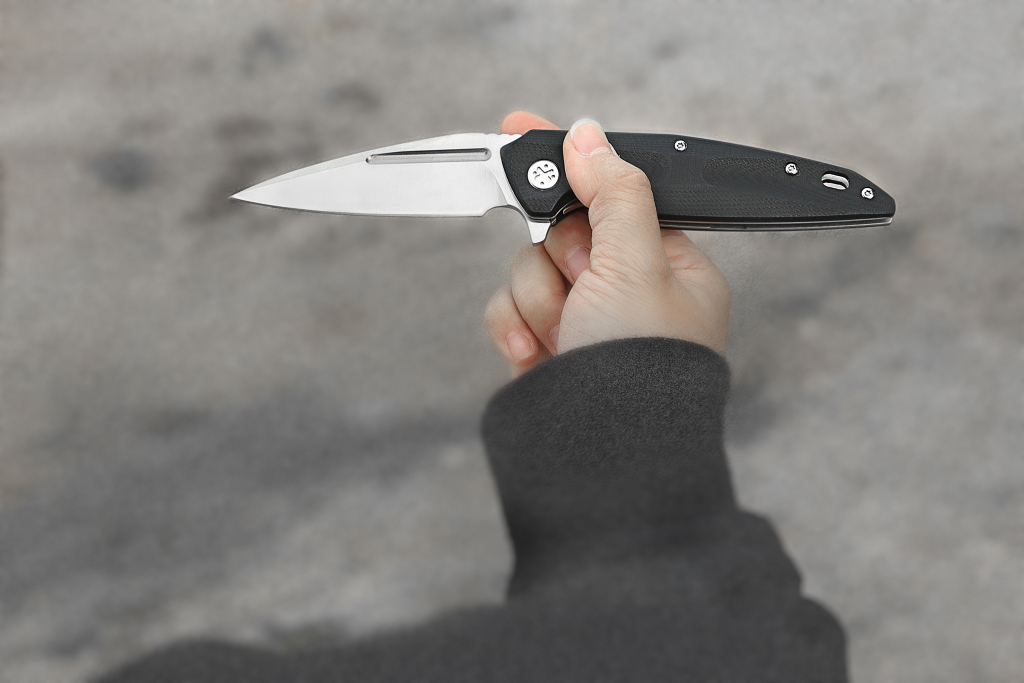
Your utility knife is one of the most useful tools you own, but it won’t stay sharp and reliable on its own. If you want your knife to work smoothly every time you reach for it, you need to know how to take care of it properly.
You’ll discover simple, effective ways to maintain your utility knife so it stays sharp, safe, and ready for any job. Keep reading—your hands and your projects will thank you.
Choosing The Right Utility Knife
Utility knives are helpful tools for many cutting tasks. Picking the right one makes work easier and safer.
Consider what you will use the knife for before buying. The right choice depends on your needs and comfort.
Types Of Utility Knives
Utility knives come in different types. Each type works best for certain jobs.
- Retractable blade knives offer safety by hiding the blade.
- Fixed blade knives are strong and good for heavy work.
- Snap-off blade knives let you break the blade to get a fresh edge.
- Electric utility knives use power to cut through tough materials easily.
Blade Materials And Their Impact
Blade material affects sharpness and durability. Some blades last longer and cut better.
| Material | Strength | Sharpness | Rust Resistance |
| Carbon Steel | High | Very Sharp | Low |
| Stainless Steel | Medium | Sharp | High |
| Titanium Coated | High | Sharp | Very High |
| Ceramic | Low | Very Sharp | High |
Ergonomics And Handle Design
Comfort matters for long use. A good handle reduces hand strain and improves control.
- Look for handles with soft grips to prevent slipping.
- Choose a handle size that fits your hand well.
- Knives with a finger guard offer extra safety.
- Non-slip textures help keep the knife steady.

Credit: insights.made-in-china.com
Daily Care Practices
Utility knives need daily care to stay sharp and safe. Taking simple steps after each use extends their life.
Clean, dry, and store your knives properly. These actions keep blades in good condition and avoid accidents.
Cleaning After Use
Remove dirt and residue from blades right after you finish cutting. This stops rust and keeps the knife sharp.
- Wipe blade with a soft cloth or sponge
- Use mild soap and warm water to clean
- Avoid soaking knives for a long time
- Rinse well to remove soap
Proper Drying Techniques
Dry knives thoroughly to stop moisture from causing rust. Use a clean towel for best results.
- Pat blade dry immediately after washing
- Use a microfiber or cotton cloth
- Air dry if possible but keep blade upright
- Do not leave knives wet in the sink
Safe Storage Methods
Store knives in a safe place to protect blade edges and prevent injuries. Choose a dry area away from moisture.
| Storage Method | Benefits | Notes |
| Knife block | Keeps blades sharp and organized | Clean block regularly to avoid buildup |
| Magnetic strip | Saves space and easy access | Place strip away from children |
| Drawer insert | Protects blade edges | Use inserts with slots for each knife |
| Blade guards | Safe for transport and storage | Use especially if no other storage option |
Sharpening Techniques
Keeping your utility knife sharp is important for safety and performance. Sharp knives cut better and need less force.
There are several ways to sharpen knives. Each method helps maintain the blade in a different way.
When To Sharpen Your Knife
Sharpen your utility knife when it feels dull or slips during cutting. A sharp knife cuts smoothly and easily.
Check the blade often. If you see nicks or rough edges, it is time to sharpen it.
Using Sharpening Stones
Sharpening stones are popular tools to sharpen knives by hand. They come in different grits for rough or fine sharpening.
Use water or oil on the stone to reduce friction. Hold the knife at a 20-degree angle and slide it across the stone.
- Start with coarse grit for dull blades
- Finish with fine grit for a smooth edge
- Keep consistent angle and pressure
Employing Honing Rods
Honing rods do not sharpen but realign the blade edge. Use them often to keep the knife sharp longer.
Hold the rod vertically. Swipe the knife blade down at a 15-20 degree angle on each side.
- Use gentle, even strokes
- Hone before or after each use
- Do not apply too much pressure
Electric Sharpeners Pros And Cons
Electric sharpeners make sharpening quick and easy. They have built-in angles and abrasive wheels.
They work well for beginners but can remove too much metal if used carelessly.
- Pros:Fast, easy, consistent angle
- Cons:Can wear blade quickly, more expensive
- Best for regular use if you want speed

Credit: insights.made-in-china.com
Avoiding Common Mistakes
Utility knives are useful tools in many tasks. Using them the right way keeps you safe and extends the knife’s life.
Many people make simple mistakes that can damage the blade or cause injury. Learning what to avoid helps you keep your knife sharp and safe.
Cutting On Hard Surfaces
Cutting on hard surfaces like concrete or metal can quickly dull your utility knife blade. Always use a proper cutting board or softer surface.
- Use wood or plastic cutting boards.
- Avoid cutting directly on tables or floors.
- Replace worn cutting mats regularly.
Misuse Of Utility Knives
Using a utility knife for tasks it was not made for can cause damage or injury. Only use your knife for cutting approved materials.
| Wrong Use | Why Avoid |
| Prying open cans | Blade can break or bend |
| Twisting the blade | Blade may snap |
| Cutting frozen food | Blade can dull fast |
| Using as a screwdriver | Handle or blade may break |
Neglecting Regular Maintenance
Ignoring blade cleaning and replacement reduces cutting quality. Keep your knife sharp and clean for best use.
- Clean the blade after each use to remove debris.
- Check the blade for dullness and replace if needed.
- Lubricate the knife joint to keep it smooth.
- Store the knife safely to avoid damage and accidents.
Extending Knife Lifespan
Utility knives are useful tools in many tasks. Taking care of them helps the blades last longer.
Proper maintenance keeps the knife sharp and safe to use over time.
Rotating Blades
Many utility knives have blades that can rotate or flip. This lets you use a fresh edge without changing the blade.
Rotate the blade to a new edge before it becomes dull. This simple step saves blade life.
- Check the blade condition often
- Rotate blade edges for even wear
- Use all edges before replacing the blade
Professional Servicing
Sometimes, a professional can sharpen or repair your utility knife. This service extends the knife’s lifespan.
Experts use special tools to restore blade sharpness and check for damage.
- Take your knife to a trusted sharpener
- Get blades professionally sharpened if dull
- Have the knife checked for any damage
Replacing Blades Timely
Replace blades as soon as they become dull or damaged. Using a dull blade can be unsafe and damage the knife.
Timely replacement keeps your knife working well and protects your tasks.
- Watch for blade dullness or rust
- Change blades before they chip or bend
- Use the correct blade size for your knife

Credit: www.ignitedcutlery.com
Frequently Asked Questions
How Often Should I Sharpen My Utility Knife?
Sharpen your utility knife every few months for optimal performance. Regular sharpening ensures the blade remains efficient and safe. Frequency may vary based on usage. Heavy use requires more frequent sharpening. Always use a sharpening tool designed for utility knives.
Proper maintenance extends the lifespan of your knife.
What’s The Best Way To Clean A Utility Knife?
Clean your utility knife with warm, soapy water and a soft cloth. Avoid abrasive materials that can damage the blade. After cleaning, ensure the knife is thoroughly dried to prevent rust. Regular cleaning maintains hygiene and performance. Always handle the blade carefully during cleaning to avoid injuries.
How Do I Safely Store Utility Knives?
Store utility knives in a knife block or sheath to protect the blade. This prevents accidental cuts and maintains sharpness. Ensure the storage location is dry to avoid rust. Keep knives out of reach of children. Proper storage extends the knife’s lifespan and maintains safety.
Can I Use Oil On My Utility Knife?
Yes, apply a light oil to prevent rust and ensure smooth operation. Use food-safe mineral oil for kitchen knives. Oil helps maintain the blade’s condition, especially for knives stored for long periods. Apply oil sparingly and wipe off excess. Regular maintenance keeps your knife in top shape.
Conclusion
Keeping your utility knives sharp and clean helps them last longer. Regularly check the blade for damage and sharpen it carefully. Always store knives safely to avoid accidents and rust. Clean knives after each use with warm water and dry them well.
Proper care saves money and keeps your cutting tasks easy and safe. Small efforts make a big difference in knife performance. Stay consistent, and your utility knives will serve you well every day. Simple steps keep your tools ready for any job.