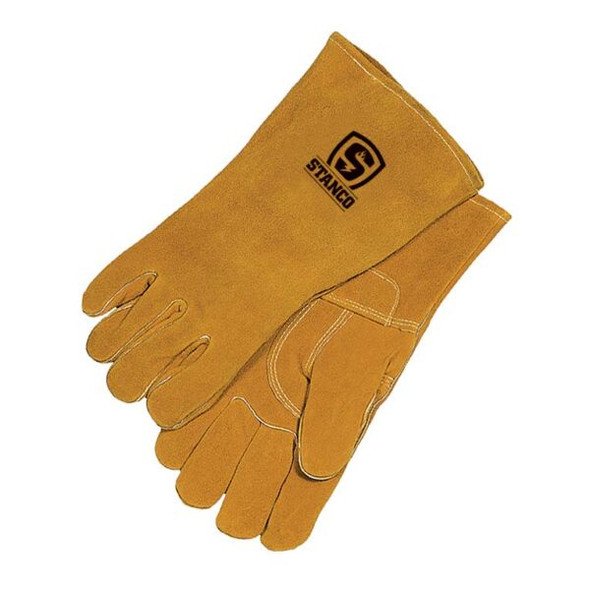
Are you tired of constantly replacing your welding gloves? Those trusty pairs that once protected your hands now seem to wear out too quickly, leaving you frustrated and spending more money than you’d like.
What if I told you there’s a way to extend their lifespan, saving you time and cash? You’ll discover simple yet powerful tips to maintain your welding gloves for longevity. Imagine the peace of mind knowing your gloves are in top condition, ready to shield your hands from the harshest sparks and heat.
Keep reading to learn how you can make your gloves last longer, ensuring they stay as tough as the work you do.
Choosing The Right Welding Gloves
Choosing the right welding gloves is important for safety and comfort. The gloves protect your hands from heat, sparks, and sharp objects.
Good gloves also help you work better by fitting well and lasting longer. Below are some key points to consider when selecting gloves.
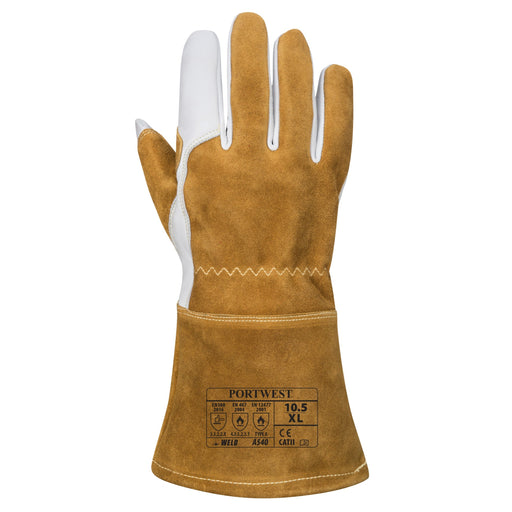
Material Types And Durability
Welding gloves come in different materials. Each type offers different protection levels and lasts differently.
- Leather:Common and durable. It protects well against sparks and heat.
- Split Leather:Softer and flexible. Used for light welding tasks.
- Grain Leather:Strong and thick. Good for heavy-duty welding.
- Kevlar:Provides heat and cut resistance. Often used as lining.
Size And Fit Considerations
Welding gloves must fit well to keep you safe and comfortable. Gloves that are too tight limit movement. Loose gloves can catch on tools or sparks.
| Size | Description |
| Small | Fits hand width up to 7 inches |
| Medium | Fits hand width 7 to 8 inches |
| Large | Fits hand width 8 to 9 inches |
| Extra Large | Fits hand width over 9 inches |
Heat Resistance Levels
Heat resistance is a key factor for welding gloves. Different tasks need different heat protection levels.
- Low Heat:Good for light welding and cutting.
- Medium Heat:Suitable for MIG welding and similar tasks.
- High Heat:Needed for TIG welding and heavy work.
Credit: www.safetyvestsandmore.com
Cleaning Welding Gloves Properly
Keeping welding gloves clean helps protect your hands and extends glove life. Dirt and grime can weaken the material over time.
Learn easy ways to remove dirt, wash safely, and dry your gloves well for long-lasting use.
Removing Dirt And Debris
Start by brushing off loose dirt and debris from the gloves. Use a soft brush or cloth to avoid damage. Check inside the gloves for dust or metal particles and remove them carefully.
Hand Washing Vs Machine Washing
Welding gloves need gentle cleaning. Hand washing is the safest method. Machine washing can be harsh and cause cracks or shrinkage.
- Use mild soap or detergent with warm water.
- Gently scrub gloves with a soft brush or cloth.
- Rinse thoroughly to remove soap residue.
- Avoid wringing or twisting gloves.
- If machine washing, use a gentle cycle and cold water inside a laundry bag.
Drying Techniques
Proper drying keeps gloves in good shape. Avoid direct sunlight or high heat sources. These can dry out leather and cause stiffness.
| Drying Method | Effect on Gloves |
| Air dry at room temperature | Safe, keeps gloves flexible |
| Avoid direct sunlight | Prevents fading and cracking |
| Do not use dryer or heater | Prevents shrinking and damage |
Storing Gloves Safely
Keeping your welding gloves in good condition helps them last longer. Proper storage protects gloves from damage. Store them in a place that avoids risks.
Good storage habits reduce wear and tear. This guide covers safe ways to store gloves to keep them useful.
Avoiding Moisture And Heat
Moisture and heat can damage welding gloves quickly. Wet gloves may lose their shape and comfort. Heat can dry out the leather or fabric, causing cracks.
- Keep gloves in a dry place away from water sources.
- Do not store gloves near heaters or direct sunlight.
- Allow gloves to air dry fully before storing after use.
- Avoid folding gloves tightly to prevent heat buildup.
Using Proper Storage Containers
Choose containers that protect gloves from dust and damage. Containers also keep gloves organized and easy to find.
| Container Type | Benefits | Notes |
|---|---|---|
| Plastic Boxes | Waterproof and dustproof | Use ventilated boxes to avoid moisture buildup |
| Fabric Bags | Breathable and lightweight | Best for short-term storage |
| Metal Cabinets | Strong and secure | Keep away from chemicals to prevent corrosion |
Keeping Gloves Away From Chemicals
Chemicals can weaken glove material and cause stains. Store gloves far from solvents, oils, and cleaning agents.
- Label storage areas to separate gloves from chemicals.
- Clean gloves before storing if exposed to dirt or chemicals.
- Use sealed containers to avoid chemical fumes reaching gloves.
Repairing Minor Damages
Welding gloves protect your hands from heat and sparks. Small damages can reduce their safety. Fixing these damages can make your gloves last longer.
Repairing minor damages helps keep your gloves strong. It also saves money by avoiding early replacement.
Patching Small Tears
Small tears in welding gloves can grow bigger if not fixed. Use a patch made of similar material to cover the tear. This stops the tear from spreading.
Clean the area around the tear before patching. Use heat-resistant glue or sew the patch carefully. Make sure the patch fits well and covers the tear completely.
Reinforcing Seams
Seams often wear out first because of movement. Reinforce weak seams by sewing over them with strong, heat-resistant thread. This adds extra strength.
Check your gloves regularly for loose threads or gaps. Repairing seams early stops holes from forming and keeps your gloves safe.
When To Replace Instead Of Repair
Some damages are too big to fix safely. Large holes, heavy burns, or stiff material mean it is time to replace gloves. Using damaged gloves can be dangerous.
- Large tears or holes that cover a big area
- Burns that weaken the glove material
- Seams that keep opening after repair
- Gloves that feel stiff or uncomfortable
Extending Lifespan During Use
Welding gloves protect your hands from heat and sparks. Taking care of them helps them last longer. Simple habits can keep gloves in good shape during work.
Using gloves properly reduces wear and tear. Follow these tips to keep your gloves safe and working well.
Avoiding Excessive Exposure
Avoid exposing gloves to extreme heat or chemicals beyond their limits. Too much exposure can cause damage and shorten their life.
- Keep gloves away from open flames when not needed
- Do not soak gloves in water or harsh cleaners
- Store gloves in a cool, dry place after use
- Check for cracks or burns before and after work
Rotating Gloves Regularly
Use more than one pair of gloves to rotate during tasks. This gives each pair time to dry and rest, reducing fast wear.
| Benefit | How It Helps |
|---|---|
| Drying Time | Prevents moisture buildup that weakens material |
| Even Wear | Distributes use evenly to avoid early damage |
| Longer Use | Extends overall lifespan of each glove pair |
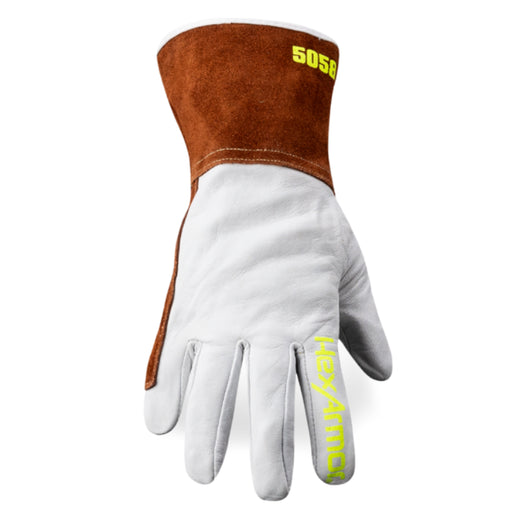
Using Liners For Added Protection
Liners add a layer between your skin and gloves. They keep gloves cleaner and reduce sweat damage.
Benefits of using liners include:
- Absorbing sweat and oils
- Protecting gloves from dirt and stains
- Increasing comfort during long use
- Making gloves easier to clean

Credit: www.amazon.ca
Credit: www.safetyvestsandmore.com
Frequently Asked Questions
How Often Should Welding Gloves Be Cleaned?
Welding gloves should be cleaned regularly, depending on usage. Light use requires monthly cleaning, while heavy use demands weekly cleaning to remove dirt and oils, maintaining glove durability and hygiene.
What Is The Best Way To Dry Welding Gloves?
Air-drying welding gloves naturally is best. Avoid direct sunlight or heat sources, as they can damage leather and reduce glove lifespan. Patience ensures gloves stay flexible and strong.
How Can I Store Welding Gloves Properly?
Store welding gloves in a cool, dry place away from moisture and direct sunlight. Use a breathable bag or container to prevent mold and maintain glove shape and quality.
When Should Welding Gloves Be Replaced?
Replace welding gloves when you notice holes, cracks, or thinning material. Damaged gloves compromise safety and reduce protection against heat and sparks during welding tasks.
Conclusion
Taking good care of welding gloves extends their life. Clean gloves after each use to remove dirt and grime. Store them in a dry, cool place away from sunlight. Check gloves often for tears or worn areas. Repair small damages quickly to avoid bigger problems.
Use gloves only for welding tasks to keep them strong. Following these simple steps helps protect your hands and saves money. Keep your gloves ready for every job by caring for them well. Good habits make your gloves last longer and work better.