
You want your woodworking tools to last longer and work better every time you pick them up. But without the right care, even the best tools can become dull, rusty, or damaged.
Imagine the frustration of a blade that won’t cut cleanly or a saw that drags instead of glides. Taking a few simple steps to maintain your tools can save you time, money, and headaches. You’ll discover easy, practical tips that keep your woodworking tools sharp, safe, and ready for your next project.
Keep reading, and your tools will thank you.
Choosing The Right Tools
Choosing the right woodworking tools is key to keeping your work safe and accurate. Using the best tools helps you create better projects with less effort.
This guide covers the main types of woodworking tools and what materials and quality to look for. Knowing these details will help you pick tools that last and perform well.
Types Of Woodworking Tools
Woodworking tools fall into several groups. Each group has a special use in shaping, cutting, or finishing wood. Choose tools that fit the tasks you do most.
- Measuring and marking tools like tape measures and squares
- Cutting tools such as saws and chisels
- Shaping tools including planes and rasps
- Joining tools like clamps and hammers
- Finishing tools such as sanders and brushes
Materials And Quality
High-quality materials make tools stronger and longer-lasting. Look for tools made from good steel, hardwood, or durable plastics.
| Material | Common Use | Benefits |
|---|---|---|
| High-carbon steel | Blades and chisels | Holds sharp edges, resists wear |
| Hardened steel | Saw teeth and drill bits | Strong and tough for cutting |
| Hardwood | Handles and grips | Comfortable and durable |
| Plastic composites | Measuring tools and cases | Lightweight and resistant to damage |
Cleaning Techniques
Maintaining woodworking tools keeps them sharp and safe. Cleaning removes dirt that can cause damage.
Use proper methods to clean different parts of the tools. This helps tools last longer and work better.
Removing Dust And Debris
Dust and debris build up after use and can harm tool parts. Clean tools regularly to avoid rust and wear.
- Use a soft brush to sweep dust off surfaces.
- Blow compressed air into tight spaces to clear dirt.
- Wipe tools with a dry cloth to remove fine particles.
- For stubborn dust, use a slightly damp cloth then dry thoroughly.
- Store tools in a clean, dry place to prevent new dust buildup.
Cleaning Blades And Bits
Blades and bits need careful cleaning to keep their cutting edges sharp. Removing sap, resin, and grease is important.
| Cleaning Material | Purpose | How to Use |
| Mineral spirits | Remove resin and sap | Soak a cloth and wipe blade surface |
| Steel wool (0000) | Clean rust and stubborn dirt | Rub gently along blade edge |
| Soft cloth | Final wipe and drying | Dry blades after cleaning |
| Light oil | Protect against rust | Apply a thin coat on blades |
Sharpening Methods
Keeping woodworking tools sharp helps you work safely and accurately. Dull tools can cause mistakes and accidents. Sharpening your tools regularly keeps them in good shape.
There are different ways to sharpen woodworking tools. Each way suits different tools and skill levels. Learn the main sharpening methods to keep your tools ready.
Using Sharpening Stones
Sharpening stones are a common choice for hand tools. You rub the tool’s edge on the stone to make it sharp. Stones come in different grits for coarse or fine sharpening.
Start with a coarse stone to fix dull edges. Then use a finer stone to smooth the edge. Keep the stone wet to reduce heat and friction.
- Use oil or water on the stone for lubrication
- Hold the tool at a consistent angle on the stone
- Sharpen both sides evenly
- Clean the stone after use
Electric Sharpeners
Electric sharpeners speed up the sharpening process. They use spinning wheels to grind the tool edge. These devices are good for busy woodworkers or beginners.
Electric sharpeners have guides to keep the angle steady. Always follow the machine’s instructions for safety. Do not apply too much pressure or heat the blade.
- Choose the right wheel for your tool
- Use light, steady pressure
- Keep the tool moving to avoid overheating
- Wear safety glasses
Maintaining Edge Angles
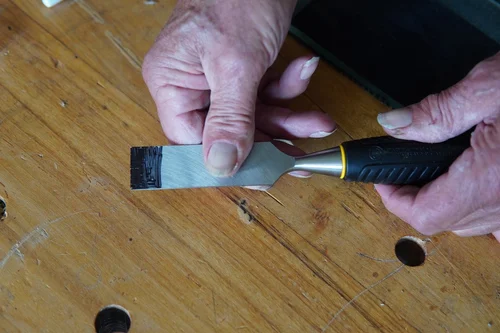
Keeping the correct edge angle is key to sharp tools. The angle depends on the tool type and use. A wrong angle makes the edge dull faster or weak.
Use a guide or jig to hold the angle steady. Check the angle often while sharpening. Common angles are 25 to 30 degrees for chisels and plane blades.
| Tool Type | Recommended Edge Angle |
|---|---|
| Chisels | 25° to 30° |
| Plane Blades | 25° to 30° |
| Knives | 15° to 20° |
| Axes | 30° to 35° |
Credit: www.anneofalltrades.com
Lubrication And Rust Prevention
Woodworking tools need care to work well and last long. Lubrication and rust prevention help protect tools from damage.
Regular maintenance keeps blades sharp and moving parts smooth. It also stops rust from forming on metal surfaces.
Applying Oils And Waxes
Use oils and waxes to protect metal and wooden parts of your tools. They create a barrier against moisture and dirt.
Apply a thin layer of oil or wax with a soft cloth. Rub it evenly and wipe off any extra to avoid sticky spots.
- Use light machine oil for metal parts like blades and hinges
- Apply paste wax on wooden handles and surfaces
- Reapply after cleaning or every few weeks
- Store tools dry before applying oils or waxes
Storage Tips To Avoid Rust
Keep tools in a dry place to stop rust. Moisture causes metal to corrode quickly.
Use storage methods that reduce humidity and protect tools from dust and water.
- Store tools in a toolbox with silica gel packs to absorb moisture
- Hang tools on a pegboard to allow air flow
- Use rust inhibitor paper or cloth for extra protection
- Clean tools before storing to remove dirt and oils
Proper Storage Solutions
Keeping woodworking tools safe helps them last longer. Proper storage stops damage and rust.
Good storage also makes tools easy to find. This saves time and keeps your workspace tidy.
Tool Racks And Cabinets
Tool racks keep your tools organized and visible. Hanging tools on racks stops them from getting dull or broken.
Cabinets protect tools from dust and dirt. They also secure sharp or expensive tools safely.
- Use wall-mounted racks for hand tools like chisels and hammers
- Install pegboards for flexible tool arrangement
- Choose cabinets with lockable doors for valuable tools
- Add foam inserts to cabinets to keep tools from moving
Climate Control Considerations
Woodworking tools can rust if stored in damp places. Control humidity to protect metal parts.
Keep tools in a dry, cool room with good airflow. Avoid storing tools in basements or garages with moisture.
- Use a dehumidifier in humid areas
- Keep room temperature stable to avoid condensation
- Store tools away from direct sunlight to prevent wood handles from cracking
- Check tools regularly for signs of rust or damage
Credit: www.anneofalltrades.com
Regular Inspection And Repairs
Maintaining woodworking tools keeps them safe and effective. Regular checks help find problems early.
Fixing small issues soon prevents bigger damage and saves money over time.
Checking For Damage
Look closely at each tool before and after use. Find cracks, rust, or loose parts that can cause problems.
- Check blades and edges for dullness or chips.
- Inspect handles for cracks or splinters.
- Look for rust spots on metal surfaces.
- Ensure screws and bolts are tight.
- Test moving parts to see if they work smoothly.
Replacing Parts
Replace worn or broken parts quickly to keep tools working well. Use the right parts made for your tool model.
| Part | Signs to Replace | Tip |
| Blade | Dull, chipped, or bent | Sharpen or buy new blades regularly |
| Handle | Cracked, loose, or splintered | Use strong wood or plastic handles |
| Screws/Bolts | Rusty or stripped | Keep extras for quick fixes |
| Springs | Weak or broken | Replace to keep tension |
Safety Practices
Woodworking can be safe with the right habits. Always follow safety rules to avoid injuries.
Proper care and use of tools keep your workspace safe and your tools working well.
Handling Tools Safely
Handle woodworking tools carefully. Use the right tool for each job. Keep your hands away from blades and sharp edges.
- Always check tools for damage before use.
- Keep blades sharp to reduce slips.
- Use clamps to hold wood steady.
- Store tools in a safe place after use.
- Do not force tools to work faster.
Protective Gear Recommendations
Wear protective gear to guard against dust, noise, and accidents. Gear helps keep you safe and healthy.
| Protective Gear | Purpose |
| Safety Glasses | Protect eyes from flying debris |
| Ear Protection | Reduce noise damage |
| Dust Mask | Prevent inhaling sawdust |
| Gloves | Protect hands from cuts and splinters |
| Non-slip Shoes | Prevent slips and falls |

Credit: www.canadianoutdoorequipment.com
Frequently Asked Questions
How Often Should I Clean Woodworking Tools?
Clean your woodworking tools after each use to prevent resin and dust buildup. Regular cleaning extends tool life and ensures better performance. Use a soft brush and mild solvent for best results. Consistent maintenance keeps tools sharp and safe.
What Is The Best Way To Sharpen Woodworking Tools?
Use a sharpening stone or honing guide to maintain sharp edges. Always follow the original bevel angle for accuracy. Regular sharpening improves precision and reduces effort during work. Finish with a fine grit stone for a polished edge.
How Do I Prevent Rust On Woodworking Tools?
Store tools in a dry place and apply a thin layer of oil. Use silica gel packs or dehumidifiers to reduce moisture in storage areas. Wipe tools clean after use to remove sweat and dirt. Rust prevention maintains tool functionality and appearance.
Can I Use Household Oils For Tool Maintenance?
Yes, light household oils like mineral oil are suitable for protecting tools. Avoid thick or sticky oils as they attract dust and debris. Proper oiling reduces friction and rust, enhancing tool lifespan. Use sparingly to avoid buildup.
Conclusion
Caring for woodworking tools ensures they last longer. Regular cleaning is crucial. Oiling prevents rust and keeps tools smooth. Sharpening edges improves performance and safety. Storing tools properly avoids damage. Invest time in maintenance. It saves money and enhances work quality.
Well-maintained tools make projects enjoyable and efficient. Remember, a little care goes a long way. Keep your tools in top shape, and they will serve you well. Happy woodworking!