Are you looking to measure AC voltage but aren’t sure where to start? Knowing how to do it safely is crucial, and that’s exactly what we’ll explore in this guide.
Imagine having the confidence to handle electrical tasks without the fear of injury or damage. Picture yourself mastering the art of voltage measurement with precision and ease. Safety isn’t just a priority; it’s your peace of mind. This article will walk you through the steps you need to take to protect yourself while getting accurate readings.
Ready to transform your approach and gain a skill that empowers you? Let’s dive in and discover how to measure AC voltage safely, ensuring you’re equipped with the knowledge you need.
Ac Voltage Basics
AC voltage is the electrical energy that changes direction periodically. It powers homes and businesses worldwide. Understanding AC voltage helps in measuring it safely and correctly.
Knowing the basics of AC voltage is important before using any measuring tool. This knowledge prevents accidents and ensures accurate readings.
Ac Vs Dc Voltage
AC stands for alternating current, while DC means direct current. AC voltage changes direction many times per second. DC voltage flows in one direction only.
- AC voltage is used for power supply in homes and industries.
- DC voltage is common in batteries and electronic devices.
- Measuring AC voltage requires tools that can handle changing polarity.
- DC voltage measurement is simpler due to constant direction.
Common Ac Voltage Levels
Different regions and devices use specific AC voltage levels. Knowing these levels helps in choosing the right measuring method and tools.
| Region | Typical AC Voltage | Frequency (Hz) |
| North America | 120 V | 60 |
| Europe | 230 V | 50 |
| Japan | 100 V | 50 / 60 |
| Industrial Equipment | Up to 480 V | 60 |
Choosing The Right Tools
Measuring AC voltage can be dangerous without the right tools. Using proper equipment helps keep you safe. It also ensures accurate readings.
Select tools designed for electrical work. This reduces the risk of shock and damage to the device.
Multimeter Types
Multimeters measure voltage, current, and resistance. There are two main types: analog and digital. Digital multimeters are easier to read and more common.
Choose a multimeter with a high enough voltage range. It should also have a category rating for your work environment.
- Analog multimeters use a needle to show readings
- Digital multimeters show numbers on a screen
- Auto-ranging models select the right range automatically
- Manual-ranging models need you to set the range
Using Voltage Testers
Voltage testers are simple tools that detect voltage presence. They help check if a wire or outlet is live before measuring.
Non-contact voltage testers sense electric fields without touching wires. Contact testers require touching the conductor with probes.
- Non-contact testers are safer for quick checks
- Contact testers give more precise voltage readings
- Use testers with clear voltage indicators
- Check batteries before use to ensure accuracy
Safety Gear Essentials
Safety gear protects you from electric shocks and injuries. Always wear insulated gloves and safety glasses when measuring AC voltage.
Use tools with insulated handles. Stand on a dry, non-conductive surface to reduce risk.
- Insulated gloves prevent electrical shocks
- Safety glasses protect eyes from sparks
- Rubber-soled shoes reduce grounding risk
- Insulated tools prevent current flow through your body
Preparation Before Measurement
Measuring AC voltage safely is very important to avoid injuries or damage. Preparing correctly helps you take accurate readings and stay safe.
Before you start, check your tools and the environment. Follow simple steps to be ready for the measurement.
Inspecting Equipment
Check your multimeter and probes for any damage. Look for cracks, exposed wires, or loose parts. Faulty equipment can cause errors or electric shocks.
Make sure the multimeter is clean and dry. Clean dirt or moisture can affect readings and safety.
- Inspect probe tips for wear or damage
- Check insulation on wires and probes
- Test the multimeter battery and replace if low
- Ensure all buttons and switches work smoothly
Setting Multimeter Correctly
Set your multimeter to the right function for AC voltage measurement. Select the correct voltage range to avoid damage to the device.
If you are unsure of the voltage level, start with the highest setting. Lower the range later to get a precise reading.
- Turn the dial to AC voltage (V~) mode
- Choose a voltage range higher than expected voltage
- Use the correct ports for probes (usually COM and V)
- Double-check settings before touching the circuit
Ensuring Power Is Off When Needed
Turn off power before connecting or adjusting your multimeter. This prevents accidental shocks or short circuits.
Only turn power on when you are ready to take the measurement. Stay cautious and use one hand to reduce risk.
- Switch off the circuit breaker or unplug the device
- Connect the multimeter probes securely
- Turn on power carefully to measure voltage
- Wear insulated gloves if possible

Credit: support.ecobee.com
Step-by-step Measurement Process
Measuring AC voltage safely requires careful steps to avoid injury and damage. Following the right process ensures accurate results.
This guide covers connecting test leads, reading the display, and avoiding common errors during measurement.
Connecting Test Leads Safely
Always start by checking your multimeter and test leads for any damage. Use insulated gloves if possible.
- Turn off the power source before connecting leads.
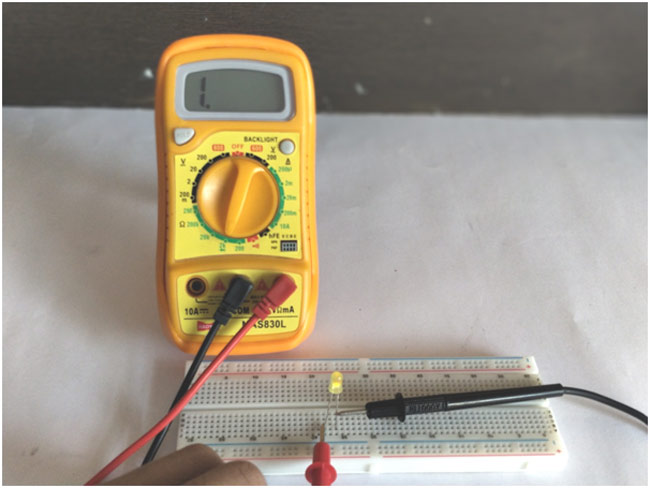
- Insert the black lead into the common (COM) port.
- Insert the red lead into the port marked for voltage (V).
- Attach the leads firmly to the circuit points without touching metal parts.
- Keep hands away from the test tips during measurement.
Reading The Display Accurately
Once the leads are connected and the power is on, observe the multimeter screen carefully.
| Display Type | What to Look For |
| Digital | Clear numeric value showing voltage in volts (V) |
| Analog | Needle position on the voltage scale |
| Auto Range | Meter sets range automatically for best reading |
| Manual Range | Select correct voltage range before measuring |
Avoiding Common Mistakes
Errors can cause wrong readings or harm. Watch out for these common mistakes.
- Do not connect test leads to wrong ports on the multimeter.
- Avoid touching exposed wires or metal parts during measurement.
- Never measure voltage with the meter set to current or resistance mode.
- Do not use damaged or frayed test leads.
- Check that the multimeter is set to AC voltage (VAC) mode.
Safety Precautions
Measuring AC voltage can be dangerous without proper care. Following safety rules protects you from electric shocks.
Always prepare well before working with electrical circuits. Safety should be your top priority.
Handling Live Circuits
Live circuits carry current and pose a shock risk. Avoid touching wires or metal parts directly.
- Turn off power before connecting test leads if possible.
- Use one hand to hold tools to reduce shock risk.
- Wear rubber gloves and insulated shoes.
- Keep your body dry and avoid standing on wet floors.
Using Insulated Tools
Use tools with proper insulation to prevent electric current from passing through you.
| Tool Type | Insulation Rating | Use Case |
| Multimeter | CAT III 600V | Measuring AC voltage safely |
| Insulated Screwdriver | 1000V | Adjusting electrical components |
| Test Leads | CAT II 1000V | Connecting to circuit points |
Working In Safe Environments
Choose a clean, dry, and well-lit area to measure voltage. This lowers risks and helps you see clearly.
Follow these environment safety tips:
- Keep flammable materials away from your workspace.
- Ensure no water or liquids are near the circuit.
- Use non-conductive mats to stand on.
- Have a first aid kit and emergency contacts nearby.
Improving Measurement Accuracy
Measuring AC voltage safely requires more than just using the right tools. Accuracy depends on how you handle the instruments and the environment.
Small mistakes can cause wrong readings. Follow careful steps to get the most accurate results every time.
Calibrating Instruments
Check your measuring device before use. Calibration ensures the instrument shows correct values.
- Use a known voltage source to test accuracy.
- Adjust settings if your device allows calibration.
- Regularly calibrate your instrument to maintain accuracy.
- Keep a log of calibration dates and results.
Minimizing Interference
Electrical noise can affect your voltage readings. Reduce interference to get stable and true measurements.
| Source of Interference | How to Minimize |
| Nearby electrical devices | Turn off or move away |
| Loose connections | Check and tighten all wires |
| Long test leads | Use shorter or shielded cables |
| High-frequency signals | Use filters or shielded instruments |
Repeating Measurements
Repeat your voltage readings several times. This helps verify if the values are consistent and reliable.
- Take multiple readings at the same point.
- Note down each measurement carefully.
- Compare results to spot any irregularities.
- Average the readings for a more accurate value.
Troubleshooting Measurement Issues
Measuring AC voltage safely can be tricky if your readings are off. Troubleshooting helps find and fix problems fast.
This guide covers how to spot faulty tools, handle changing values, and avoid common mistakes.
Identifying Faulty Equipment
Faulty tools give wrong readings and can be unsafe. Check your meter and leads before starting any test.
Look for cracks, loose parts, or damaged wires. Test your meter on a known voltage source to verify it works.
- Inspect the meter for physical damage
- Test the meter on a known voltage
- Replace batteries if the meter is dim or slow
- Use proper-rated probes for AC voltage
Dealing With Fluctuating Readings
AC voltage can change quickly, causing your meter to jump between numbers. This may confuse your results.
Hold the probes steady and avoid touching wires. Use the meter’s hold function to freeze the reading when needed.
- Keep probes steady during measurement
- Avoid touching metal parts with your hands
- Use the meter’s data hold feature
- Check if the source voltage is stable
Common Error Sources
Errors often happen from simple mistakes or wrong settings. Check your meter setup before measuring.
Wrong range, poor contact, or interference can cause wrong readings. Fix these to get accurate results.
- Select the correct voltage range on the meter
- Make sure meter leads connect firmly
- Avoid electrical noise near the test area
- Use proper safety gear and follow instructions
Credit: circuitdigest.com

Credit: dronebotworkshop.com
Frequently Asked Questions
What Tools Do I Need To Measure Ac Voltage Safely?
You need a digital multimeter with AC voltage settings, insulated gloves, and safety goggles. Always use equipment rated for the voltage level.
How Do I Set Up A Multimeter For Ac Voltage?
Turn the dial to the AC voltage (V~) setting. Select the correct voltage range if your meter is not auto-ranging.
What Safety Precautions Are Essential When Measuring Ac Voltage?
Wear insulated gloves, avoid touching metal parts, and stand on a dry surface. Always disconnect power when possible.
Can I Measure Ac Voltage Without Professional Training?
Basic measurements can be done by beginners if safety rules are followed carefully. For complex tasks, seek expert help.
Conclusion
Measuring AC voltage safely protects you and your tools. Always use the right equipment and follow safety steps. Double-check connections before taking any reading. Stay alert and avoid rushing the process. Practicing these tips helps prevent accidents and errors. Keep learning to improve your skills over time.
Safety first, every time.