Measuring amperage might seem tricky or even risky if you’re not sure how to do it right. But knowing how much current flows through your circuit is key to keeping your devices safe and working well.
If you use the wrong method or tools, you could damage your equipment—or worse, hurt yourself. This guide will walk you through simple, safe steps to measure amperage accurately. By the end, you’ll feel confident handling your electrical projects without fear or guesswork.
Ready to learn how to protect yourself and your gear? Let’s dive in.

Credit: www.youtube.com
Basics Of Amperage
Amperage is a key part of electricity. It tells us how much electric current flows in a circuit.
Measuring amperage helps keep electrical systems safe and working well.
What Is Amperage
Amperage, also called current, is the flow of electric charge. It is measured in amperes or amps.
The higher the amperage, the more electricity flows through the wire. It is like water flowing in a pipe.
- Amps measure the strength of electric current.
- Electric devices need a certain amount of amps to work.
- Too much amperage can cause overheating and damage.
Importance Of Accurate Measurement
Measuring amperage correctly helps prevent electrical accidents. It keeps people and equipment safe.
Accurate readings also help find problems like short circuits or overloads early.
- Prevents electrical fires by checking current flow.
- Ensures devices get the right amount of power.
- Helps maintain and fix electrical systems efficiently.
Credit: instrumentationtools.com
Tools For Measuring Amperage
Measuring amperage is important to check electrical current safely. Using the right tools helps avoid accidents and damage.
This guide explains common ammeters and how to pick the right one for your needs.
Types Of Ammeters
Ammeters come in different types. Each type measures current in a special way. Knowing their differences helps choose the best one.
- Analog Ammeters:Use a needle and dial to show current. They need to be connected in series with the circuit.
- Digital Ammeters:Show current in numbers on a screen. They are easy to read and often include extra features.
- Clamp Meters:Measure current by clamping around a wire. No need to break the circuit for measurement.
- Multimeters:Combine several tools. They can measure voltage, resistance, and current.
Choosing The Right Tool
Select a tool based on your work and safety needs. Consider the current size, ease of use, and accuracy.
| Tool | Best for | Safety Level |
| Analog Ammeter | Simple current checks | Medium |
| Digital Ammeter | Accurate readings | High |
| Clamp Meter | Non-contact measurement | Very High |
| Multimeter | Multiple electrical tests | High |
Safety Precautions
Measuring amperage involves working with electricity that can be dangerous. Taking safety precautions helps prevent injury and equipment damage.
Always prepare properly before testing electrical circuits. Follow safety rules to keep yourself safe.
Personal Protective Equipment
Wear proper gear to protect yourself from electric shock and burns. Use insulated gloves and safety glasses.
- Insulated rubber gloves to prevent shock
- Safety glasses to protect eyes from sparks
- Non-conductive footwear to avoid grounding
- Flame-resistant clothing to reduce burn risk
- Hard hat if working near overhead lines
Handling Electrical Circuits Safely
Turn off power before connecting measuring devices. Use tools rated for the circuit’s voltage and current.
| Safety Action | Description |
| Power Off | Switch off the circuit before measuring |
| Verify Voltage | Check voltage with a tester before touching wires |
| Use Proper Tools | Use meters with correct current and voltage ratings |
| Avoid Wet Conditions | Do not measure amperage in damp or wet areas |
| Stay Focused | Do not rush; stay alert to avoid mistakes |
Step-by-step Measurement Process
Measuring amperage safely requires care and the right tools. Follow the steps to avoid accidents and get accurate readings.
This guide explains how to prepare the circuit, connect the meter, and read the measurement correctly.
Preparing The Circuit
Turn off power to the circuit before starting. This prevents electric shock or damage to your meter.
- Locate the circuit breaker or switch and turn it off.
- Verify power is off using a non-contact voltage tester.
- Identify the wire where you will measure current.
Connecting The Meter Correctly
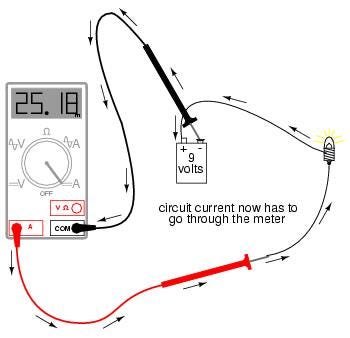
Set your multimeter to the correct current range. Connect the meter in series with the circuit to measure amperage.
| Action | Details |
| Switch meter to amperage mode | Choose AC or DC as needed |
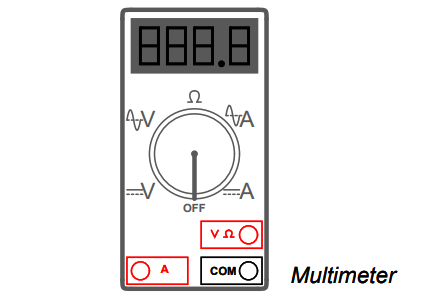
| Use proper ports on the meter | Insert red lead into the current input port |
| Connect meter leads | Break circuit and insert meter leads in series |
| Check connections | Ensure tight and secure contact |
Reading The Measurement
Turn the power back on and observe the meter display. Read the value carefully and note the units.
- Turn on the circuit power.
- Watch the meter reading stabilize.
- Record the amperage shown on the screen.
- Turn off power before removing the meter.
Common Mistakes To Avoid
Measuring amperage safely is important to protect yourself and your equipment. Many mistakes can cause wrong readings or damage. Learning what to avoid helps you work better.
Two common errors are using incorrect meter settings and wrong connection techniques. These mistakes can lead to electric shock or broken tools.
Incorrect Meter Settings
Setting your meter incorrectly can give false results or cause harm. Always check your meter before use. The wrong setting can overload the meter or blow its fuse.
- Do not set the meter to voltage when measuring current.
- Avoid using a low current range for high amperage.
- Never use a resistance or continuity mode for amperage tests.
- Check the meter’s fuse and replace it if blown before measuring.
- Use the correct ports for current measurement on the meter.
Improper Connection Techniques
Wrong connections can cause sparks or shocks. Connect the meter in series with the circuit to get accurate amperage. Never connect it in parallel.
| Common Connection Error | Risk | Correct Method |
| Connecting meter in parallel | Short circuit, damage meter | Connect meter in series |
| Not turning off power before connecting | Electric shock, injury | Switch off power before setup |
| Loose or poor contact at test points | Inaccurate readings | Ensure firm, clean connections |
| Using damaged test leads | Electric shock, meter failure | Inspect and replace leads if worn |
Improving Measurement Accuracy
Measuring amperage safely is important for accurate readings. Small errors can cause wrong results.
Improving accuracy helps you get better data and avoid problems with electrical work.
Calibrating Your Meter
Calibrating your meter ensures it gives correct readings. Over time, meters can lose accuracy.
Check calibration regularly and adjust your meter as needed to keep it precise.
- Use a known current source to test the meter
- Follow the meter’s manual for calibration steps
- Recalibrate after dropping or rough handling
- Replace batteries to avoid weak power errors
Minimizing External Interference
External interference can affect meter readings and cause errors. Keep the meter away from strong magnets or wires.
Use proper shielding and avoid noisy electrical environments to get cleaner measurements.
- Avoid placing the meter near large motors or transformers
- Use twisted wires to reduce electromagnetic interference
- Keep meter leads short and tight to limit noise pickup
- Turn off nearby devices that may cause electrical noise
Advanced Tips For Professionals
Measuring amperage safely is essential for electrical work. Professionals need precise tools and techniques.
This guide offers advanced tips to improve your amperage measurements and avoid accidents.
Using Clamp Meters Effectively
Clamp meters allow current measurement without disconnecting wires. Use the right size clamp for accuracy.
Always check the meter’s calibration before use. Position the clamp properly around a single conductor.
- Ensure the clamp jaws close fully around the conductor
- Avoid clamping multiple wires at once
- Use meters with a high-resolution display
- Keep the meter steady to reduce reading errors
Measuring High Amperage Safely
High amperage measurements require extra safety steps to prevent injury and equipment damage.
Use meters rated for high current and wear insulated gloves. Keep tools dry and use insulated mats.
- Use a clamp meter with a high amperage rating
- Stand on an insulated surface to avoid shocks
- Keep hands away from live parts
- Double-check connections before measuring
Credit: instrumentationtools.com
Frequently Asked Questions
How Do I Measure Amperage Safely?
To measure amperage safely, always use a clamp meter or multimeter with proper settings. Avoid breaking the circuit. Wear protective gear. Ensure your tools are rated for the current range. Follow manufacturer instructions closely to prevent electric shock or damage.
What Tools Are Best For Measuring Amperage?
Clamp meters and digital multimeters with current measurement functions are best. Clamp meters allow safe, non-contact measurement. Multimeters require circuit interruption but provide accurate readings. Choose tools rated for your expected amperage range for safety and precision.
Can I Measure Amperage Without Breaking The Circuit?
Yes, using a clamp meter lets you measure amperage without opening the circuit. Simply clamp around a single conductor. This method is safer and quicker, minimizing risk of electric shock or circuit damage. Ensure the clamp meter is properly calibrated.
Why Is Safety Important When Measuring Amperage?
Measuring amperage involves handling live electrical circuits, posing shock risks. Proper safety prevents injuries and equipment damage. Using insulated tools and protective gear reduces hazards. Following correct procedures ensures accurate readings and protects both user and devices.
Conclusion
Safety is key when measuring amperage. Always use the right tools. Double-check connections before starting. Keep hands clear of live wires. Wear protective gear to prevent accidents. Follow manufacturer instructions closely. Stay alert to avoid mistakes. Practice improves skill and confidence.
Remember, patience ensures accurate readings. Understanding basics makes tasks easier. Knowledge keeps you safe. Regular maintenance of tools is essential. Learn from mistakes for better future measurements. Prioritize safety above all. Safe practices lead to successful outcomes. Make safety a habit every time.
Achieve accurate results without unnecessary risks. Stay informed and cautious always.