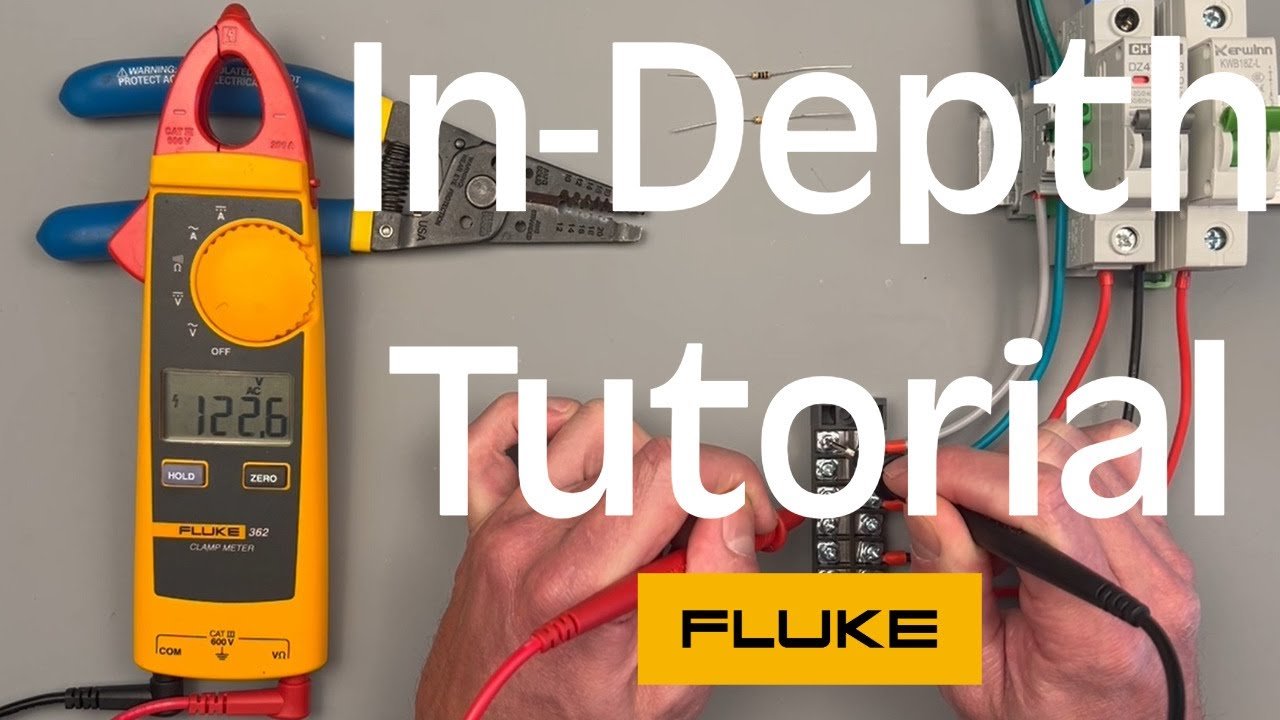
Are you looking to measure electrical current safely and quickly? Knowing how to measure amperage with a clamp meter can save you time and protect you from dangerous shocks.
Whether you’re a DIY enthusiast or a professional, this simple tool lets you check current without disconnecting wires. In this guide, you’ll discover easy steps to use a clamp meter like a pro and avoid common mistakes that could cost you.
Keep reading to gain confidence and master this essential skill for your electrical projects.

Credit: www.youtube.com
Choosing The Right Clamp Meter
Measuring amperage safely is important. A clamp meter helps you do this without touching wires.
Choosing the right clamp meter makes your work easier and more accurate. Pick one that fits your needs.
Types Of Clamp Meters
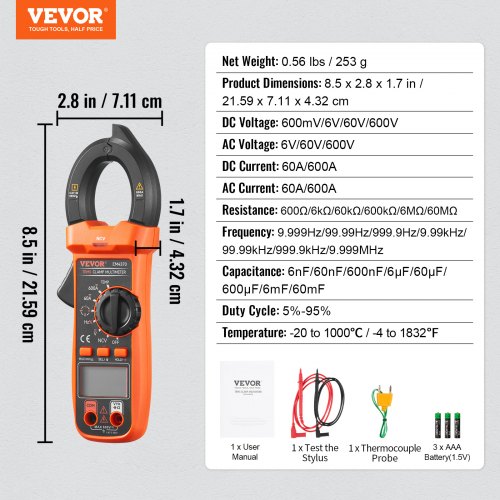
There are different clamp meters for different jobs. Some measure only AC current. Others measure both AC and DC.
Basic clamp meters show current readings. Advanced ones also measure voltage, resistance, and continuity.
- AC Clamp Meters:Measure alternating current only.
- AC/DC Clamp Meters:Measure both AC and direct current.
- Digital Clamp Meters:Show readings on a screen for easy reading.
- Analog Clamp Meters:Use a needle and dial to show readings.
Key Features To Look For
Pick a clamp meter with features that match your tasks. Look for accuracy and ease of use.
Consider safety ratings and extra functions that help in measuring electrical current.
- Jaw Size:Large jaws fit bigger cables easily.
- Auto-Ranging:Automatically selects the correct measurement range.
- Display Type:Clear digital screens are easier to read.
- Safety Ratings:Look for meters rated for your working environment.
- Data Hold:Freezes the reading on the screen for later viewing.
- Backlight:Helps to read measurements in dark places.
- Battery Life:Longer battery life means less downtime.
Credit: www.youtube.com
Preparing For Measurement
Measuring amperage with a clamp meter needs careful preparation. Proper setup ensures accurate readings and user safety.
This guide covers safety steps and how to set up your clamp meter before measuring current.
Safety Precautions
Always follow safety rules to avoid injury or damage to the meter. Use protective gear and check the work environment.
- Wear insulated gloves to protect against electric shock
- Ensure the meter is rated for the current range you expect
- Keep the meter and hands dry to avoid slips and shorts
- Do not touch live wires directly during measurement
- Stand on a dry, non-conductive surface while working
Setting Up The Meter
Correct meter setup helps get reliable amperage readings. Check the battery and select the right settings before use.
| Setup Step | Description |
| Power On | Switch on the clamp meter and check the display |
| Select Measurement Mode | Set the meter to measure AC or DC current as needed |
| Choose Range | Pick a current range higher than the expected maximum |
| Zero the Meter | Press the zero or relative button if available |
| Open the Clamp | Prepare the clamp to enclose a single conductor |
Step-by-step Measurement Process
Measuring amperage with a clamp meter is simple and safe. This tool helps check current without disconnecting wires.
Follow the steps below to use your clamp meter correctly and get accurate readings.
Positioning The Clamp
Place the clamp meter around the conductor you want to measure. Make sure only one wire is inside the clamp jaws for a correct reading.
- Turn on the clamp meter and set it to the correct current range.
- Open the clamp jaws by pressing the trigger.
- Encircle the single conductor with the jaws fully closed.
- Keep your fingers away from the jaws to avoid interference.
- Hold the clamp steady to prevent movement during reading.
Reading The Display
After positioning the clamp, look at the meter’s display screen. It shows the current flowing through the conductor in amps (A).
| Display Element | Description |
|---|---|
| Numeric Value | Shows the measured current in amperes. |
| Unit Symbol | Indicates the unit, usually “A” for amps. |
| Range Indicator | Displays the selected current range. |
| Hold Button | Freezes the reading on the screen if pressed. |
| Low Battery Icon | Warns when battery replacement is needed. |
Tips For Accurate Readings
Measuring amperage with a clamp meter needs careful steps. Accurate readings keep you safe and give correct information.
Follow these tips to avoid mistakes and get precise results every time you use the meter.
Avoiding Common Errors
Clamp meters can show wrong readings if used incorrectly. Make sure you check the meter settings before measuring.
Always clamp around only one conductor. Clamping around multiple wires will give false values.
- Use the correct range for the expected current
- Keep the clamp steady and fully closed
- Do not touch the metal parts of the meter during measurement
- Avoid measuring in wet or damp places
Calibrating The Meter
Calibration keeps your clamp meter accurate over time. Check the meter regularly to ensure it shows correct values.
Follow the manufacturer’s instructions for calibration. Use a known reference current or a calibration device if available.
- Turn off the meter before calibration
- Use a stable current source for testing
- Adjust the meter settings based on calibration results
- Record calibration dates for future checks
Applications Of Clamp Meter Amperage Measurement
Clamp meters measure electrical current without disconnecting wires. They are safe and easy to use.
Many professionals use clamp meters for different jobs. They check current flow in wires and devices.
Residential Electrical Work
Electricians use clamp meters in homes to test circuits and appliances. This helps find electrical problems fast.
Clamp meters check if wires carry the right current. They help avoid overloads and electrical fires.
- Testing current in lighting and outlets
- Checking circuit breakers for faults
- Diagnosing appliance power usage
- Ensuring safe current levels in wiring
Industrial Use Cases
In factories, clamp meters monitor machines and electrical panels. They help maintain equipment and avoid downtime.
Technicians use clamp meters to check motors, transformers, and large circuits. This keeps systems running smoothly.
- Measuring current in heavy machinery
- Testing power supply in control panels
- Checking electrical loads on motors
- Detecting overloads and short circuits
Credit: www.vevor.com
Troubleshooting Common Issues
Using a clamp meter to measure amperage can be straightforward. Still, some common issues can cause incorrect readings or meter problems.
This guide helps you identify and fix these problems to get accurate measurements every time.
Inconsistent Readings
Inconsistent readings often happen because of poor contact or interference. The clamp must fully close around the conductor to work well.
- Make sure the conductor is centered inside the clamp jaws.
- Remove any dirt or rust from the conductor surface.
- Avoid measuring near strong magnetic fields or other electrical devices.
- Check the meter’s zero setting before measuring.
- Use the correct range for the current you expect.
Meter Malfunctions
Meter malfunctions can show as no display, error messages, or frozen readings. These problems often come from battery or internal issues.
| Problem | Possible Cause | Fix |
| No display | Dead or weak batteries | Replace batteries |
| Error message | Overload or wrong setting | Check range and reset meter |
| Frozen reading | Internal fault or damage | Turn off and on, or service meter |
Frequently Asked Questions
How Do I Measure Amperage With A Clamp Meter?
To measure amperage, open the clamp meter jaws and place them around a single conductor. Ensure the meter is set to the correct current range. The display will show the current flowing through the conductor without direct contact.
Can A Clamp Meter Measure Ac And Dc Current?
Yes, many clamp meters can measure both AC and DC current. Check your meter’s specifications and select the appropriate mode. This versatility makes clamp meters suitable for various electrical tasks and troubleshooting.
What Safety Precautions Should I Take When Using A Clamp Meter?
Always wear insulated gloves and avoid touching live wires. Ensure the meter is rated for your circuit’s voltage. Keep the clamp jaws fully closed around the conductor to get accurate readings safely.
Why Is A Clamp Meter Preferred Over A Multimeter For Amperage?
Clamp meters allow non-contact current measurement by clamping around wires. They don’t require circuit disconnection, making them safer and faster for measuring high currents compared to multimeters.
Conclusion
Measuring amperage with a clamp meter is straightforward. First, ensure safety by wearing protective gear. Then, select the correct clamp meter setting. Place the clamp around a single wire. Read the display for the amperage measurement. Practice makes it easier over time.
Using the right tools ensures accurate readings. Always follow the manufacturer’s guidelines for the best results. This skill helps in electrical work and maintenance. Keep learning and practicing for better proficiency.