Are you tired of guessing when measuring angles? Getting the exact angle can be tricky, but it’s easier than you think.
Whether you’re working on a DIY project, studying geometry, or just curious, knowing how to measure angles accurately will save you time and frustration. You’ll discover simple tips and tools that anyone can use to get precise results every time.
Keep reading, and you’ll soon master the skill that makes all the difference in your work.
Essential Tools For Angle Measurement
Measuring angles accurately is important for many projects. Using the right tools helps get precise results. This guide explains the main tools you need.
Each tool works best in different situations. Learn how to use protractors, digital angle finders, and other tools for exact angle measurements.
Choosing The Right Protractor
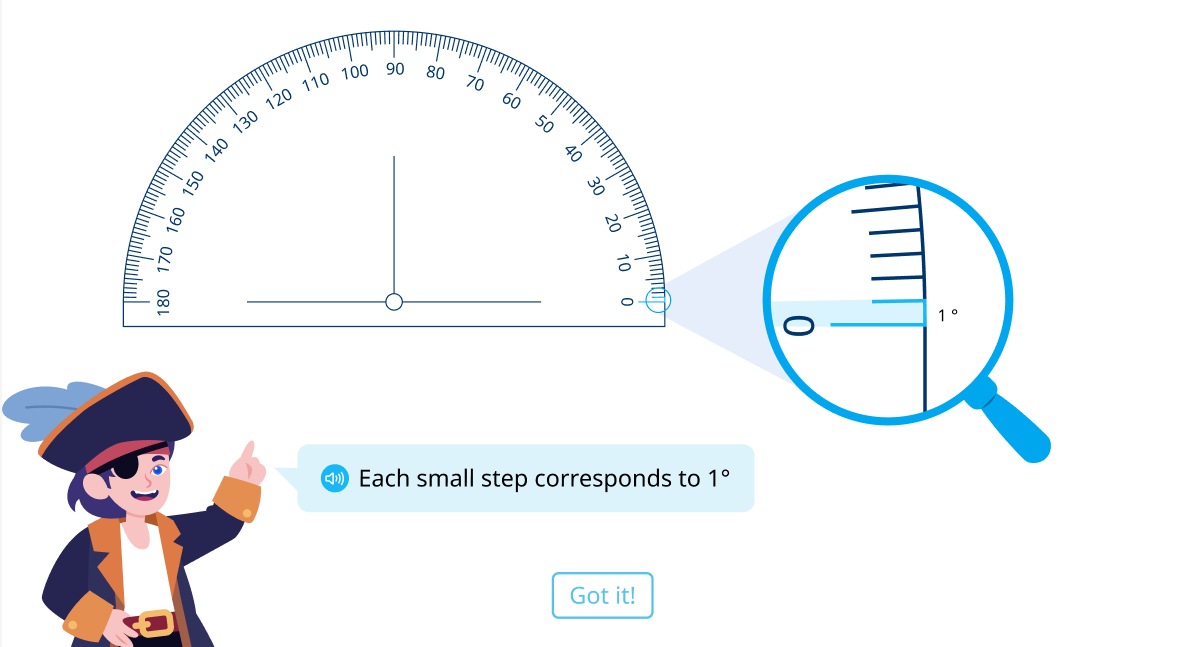
A protractor is a simple tool for measuring angles by hand. It is usually made of clear plastic with degrees marked from 0 to 180.
- Use a clear protractor to see the lines under it.
- Choose a protractor with a center hole for better alignment.
- Select a large protractor for easier reading of small angles.
- Consider a metal protractor for durability in tough work areas.
Using A Digital Angle Finder
A digital angle finder gives fast and accurate readings on a screen. It is good for checking angles on furniture, pipes, and walls.
| Feature | Benefit |
| Digital Display | Easy to read numbers |
| Magnetic Base | Stays fixed on metal surfaces |
| Auto Calibration | Ensures accurate measurements |
| Angle Lock | Keeps the angle steady for marking |
Alternative Tools For Precision
Other tools can help measure angles with high precision. These tools are useful when protractors and digital finders are not enough.
- Bevel gauges let you copy and transfer angles easily.
- Combination squares provide angle and straight edge checks.
- Angle blocks hold fixed angles for reference and setup.
- Laser angle measurers use light to measure without contact.
Credit: happynumbers.com
Preparing For Accurate Measurement
Measuring angles accurately needs careful preparation. Small mistakes before measuring can cause big errors.
Preparing your tools and work area helps get the best results. Follow these steps to set up correctly.
Setting Up A Stable Work Surface
A stable surface keeps your tools steady while measuring angles. This reduces shaking and movement.
Choose a flat table or workbench that does not wobble. Clear the surface from clutter to avoid distractions.
- Use a heavy, flat table or board
- Remove loose objects from the area
- Work in a well-lit space
- Ensure surface is clean and dry
Calibrating Your Tools
Check your measuring tools before use. Calibration ensures they show accurate readings.
Use a known angle or a standard tool to compare your instrument. Adjust or reset your tools as needed.
- Test protractors against a right angle
- Reset digital angle finders before measuring
- Replace worn or damaged tools
- Keep tools clean and free of dust
Marking Reference Points
Mark clear points where you will measure the angle. Reference points guide your tool placement.
Use a sharp pencil or fine marker for accuracy. Make marks visible but thin to avoid measurement errors.
- Mark vertex point where the angle meets
- Mark the ends of each line forming the angle
- Double-check marks before measuring
- Use a ruler to help place marks accurately
Techniques To Measure Angles Precisely
Measuring angles accurately is important in many fields like carpentry and engineering. Using the right techniques can help you get exact results.
This guide explains simple ways to measure angles with precision. Follow these tips to avoid common mistakes.
Aligning Tools Correctly
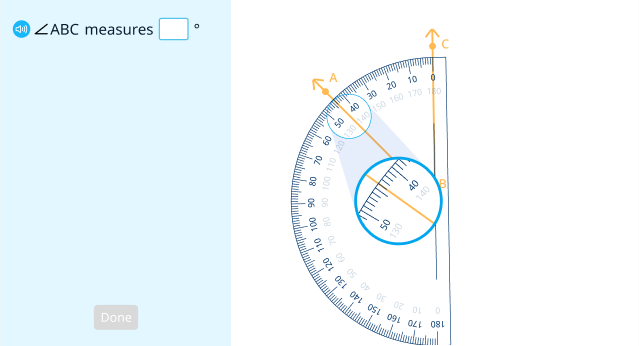
Place your measuring tool, such as a protractor, flat on the surface. Make sure the baseline lines up exactly with one side of the angle.
Check that the tool does not move while measuring. Keep your eye level with the tool for best alignment.
- Use a ruler to extend the angle’s sides if needed
- Hold the protractor firmly without tilting
- Align the center hole of the protractor with the angle’s vertex
Reading Measurements Without Parallax Errors
Parallax error happens when you view the scale from an angle, not straight on. This causes wrong readings.
To avoid this, keep your eyes directly above the measurement mark on the tool. Look straight down for the best view.
- Keep the measuring tool steady
- Move your head until the scale numbers line up under your eyes
- Use tools with clear, large markings to help accuracy
Double-checking With Multiple Methods
Check your angle using more than one tool or method. This helps confirm your measurement is correct.
Try using a protractor, a digital angle finder, or a simple paper template to verify the angle size.
- Measure the angle twice with the same tool
- Compare results from different tools
- Use a calculator if you know side lengths to find the angle

Credit: jimmymaths.com
Common Mistakes To Avoid
Measuring angles accurately is important in many tasks. Small mistakes can lead to wrong results.
Knowing common errors helps you get better results and avoid redoing work later.
Misreading The Scale
Many people read the wrong mark on the angle tool. This causes incorrect angle measurements.
Always check which number the pointer lines up with. Use good lighting to see the scale clearly.
- Look closely at the smallest divisions on the scale
- Keep your eyes directly above the scale to avoid parallax errors
- Use tools with clear and large markings
Ignoring Tool Calibration
Angle tools must be calibrated to give correct readings. Ignoring this causes wrong angles.
Check your tool against a known angle before measuring. Adjust it if needed.
- Test tools on a 90-degree corner
- Use a calibration block if available
- Regularly verify tool accuracy, especially after drops
Overlooking Environmental Factors
Temperature and light can change how you read angles. Ignoring these can cause mistakes.
Measure angles in a well-lit area and avoid extreme temperatures. This keeps tools stable.
- Avoid direct sunlight that causes glare on scales
- Do not measure in very cold or hot places
- Keep tools clean and dry to prevent slipping
Improving Accuracy With Technology
Measuring angles accurately is important in many fields like construction and design. New technology helps people get better measurements quickly and easily.
Using digital tools reduces errors and saves time. These tools make angle measurement more precise than manual methods.
Using Smartphone Apps
Smartphone apps use built-in sensors to measure angles. They are easy to use and available on most phones.
Apps show angles on the screen instantly. Some apps let you save and share your measurements.
- Use the phone’s gyroscope or accelerometer
- Place phone along the angle to measure
- Read the angle value on the app display
Incorporating Laser Measurement Tools
Laser tools send a beam to measure distances and angles. They give very exact results and work well over long distances.
These tools often have screens that show the angle. They help reduce mistakes from manual reading.
- Aim the laser at the target point
- Use the built-in angle sensor to get measurements
- Review the angle on the digital display
Benefits Of Computer-aided Design (cad)
CAD software lets users create and measure angles on digital models. It gives very accurate angle measurements.
Designers can zoom in and adjust angles easily. CAD helps check angles before building or cutting materials.
- Draw precise shapes and angles
- Use tools to measure angle values exactly
- Save and edit designs for future use

Credit: www.youtube.com
Practical Applications Of Angle Measurement
Measuring angles accurately helps us in many tasks. It ensures things fit well and work correctly.
From building houses to designing machines, angle measurement is very important. It also helps in daily life activities.
Carpentry And Construction
Carpenters use angle measurements to cut wood pieces correctly. This makes sure parts fit together tightly.
Builders measure angles to set walls and roofs at the right slopes. This keeps buildings safe and strong.
- Check wall corners with a square tool
- Measure roof pitch with a protractor
- Cut wood at exact angles for joints
Engineering And Design
Engineers measure angles to design machines and structures. Accurate angles help parts move smoothly.
Designers use angle measurement to create shapes and patterns. This improves the function and look of products.
- Use digital protractors for precise angle reading
- Apply angle data in CAD software
- Check angles for safety and efficiency
Everyday Uses
People measure angles in daily life for sports and hobbies. It helps improve skills and results.
Angle measurement is useful when hanging pictures or setting furniture. It keeps things balanced and neat.
- Set TV or picture frames straight
- Measure angles in sports like golf or archery
- Adjust furniture angles for comfort
Frequently Asked Questions
What Tools Measure Angles Accurately?
To measure angles accurately, you can use a protractor, angle gauge, or digital inclinometer. These tools provide precise measurements. A protractor is common for basic tasks, while digital inclinometers offer higher accuracy. Angle gauges are also effective for woodworking and metalworking tasks, ensuring precise angle measurements.
How To Use A Protractor Correctly?
Place the protractor’s center point on the angle’s vertex. Align one arm of the angle with the protractor’s baseline. Read the angle measurement where the other arm intersects the number scale. Ensure the protractor is flat on the surface for accurate readings.
Practice improves accuracy over time.
Why Is Accurate Angle Measurement Important?
Accurate angle measurement ensures precise construction, engineering, and DIY projects. It prevents errors, ensuring components fit together perfectly. Inaccurate measurements can lead to material wastage and project failures. Accuracy in angles is crucial for creating stable structures and achieving desired outcomes in various technical and creative fields.
What Is The Role Of Digital Tools In Angle Measurement?
Digital tools like digital protractors and inclinometers enhance angle measurement accuracy. They offer precise readings, easy-to-read displays, and often feature data storage. These tools are beneficial for complex projects requiring high precision. Digital tools reduce human error and speed up the measurement process, improving efficiency and accuracy.
Conclusion
Measuring angles accurately helps in many daily tasks and projects. Use the right tools like protractors or digital angle finders. Always double-check your measurements for best results. Practice makes you better and more confident. Small mistakes can change your work a lot.
Keep your tools clean and handle them carefully. Clear, accurate angle measurements make your work neat and precise. Stay patient and focused while measuring. This skill improves with time and effort.