Are you planning to build or renovate a staircase and want to get it just right? Measuring angles for staircases accurately is crucial for ensuring safety, comfort, and aesthetic appeal.
Mistakes can lead to awkward steps, wasted materials, or even safety hazards. Imagine stepping onto your new staircase with complete confidence, knowing every angle is perfectly calculated. You’ll discover simple yet effective techniques to measure angles like a pro. Whether you’re a DIY enthusiast or working with a contractor, mastering this skill will save you time, money, and hassle.
Ready to unlock the secrets to flawless staircases? Let’s dive in and make sure your next step is a perfect one!
Tools For Measuring Stair Angles
Measuring the angle of a staircase is important for safety and comfort. Using the right tools helps get accurate results.
This guide explains common tools you can use to measure stair angles properly.
Choosing The Right Protractor
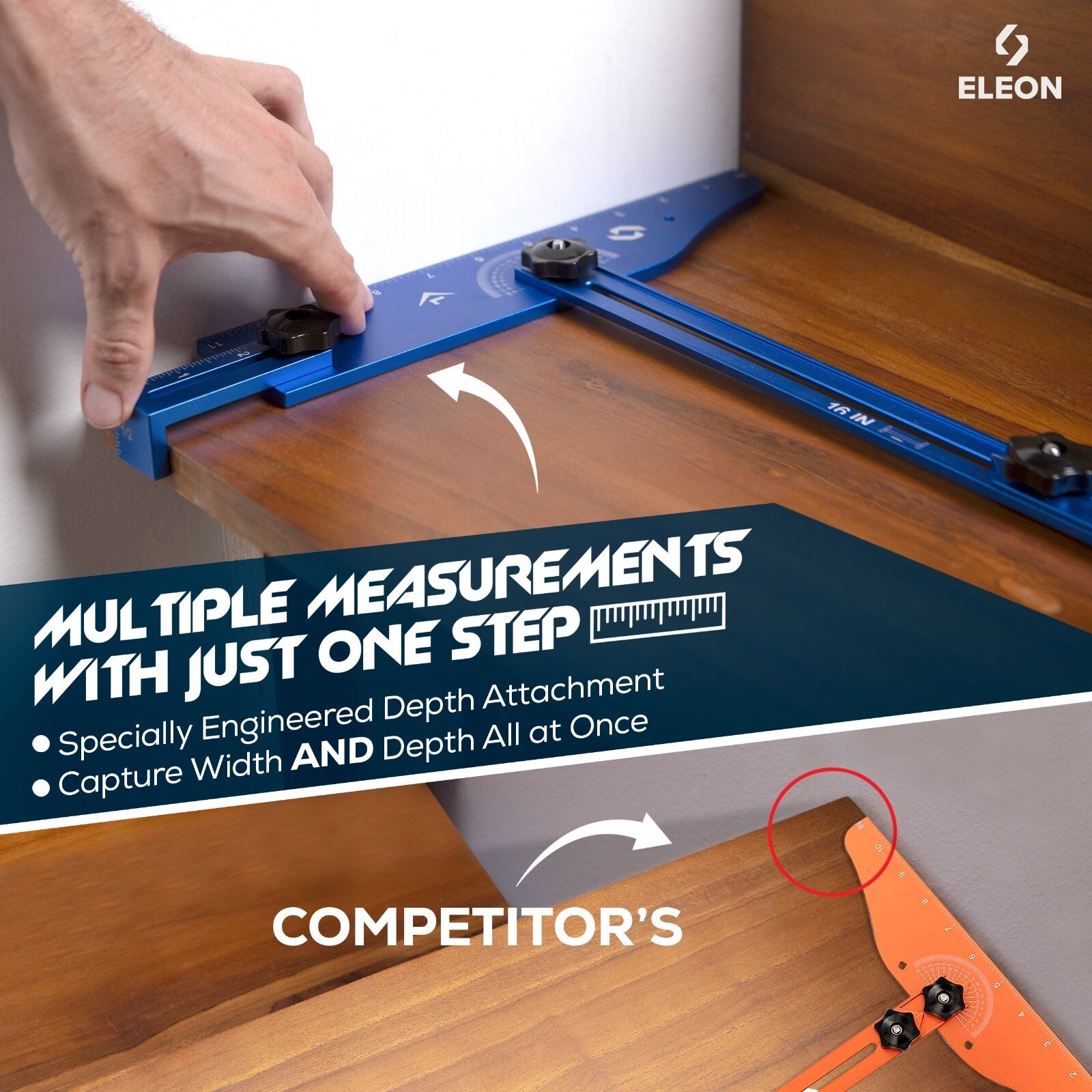
A protractor is a simple tool to measure angles in degrees. It works well for basic stair angle checks.
Look for a protractor with a clear dial and a flat base. This helps you place it correctly on the stairs.
- Use a large, easy-to-read dial
- Choose one with a flat edge for stability
- Pick a sturdy material to avoid bending
Using Digital Angle Finders
Digital angle finders give precise measurements quickly. They show the angle on a digital screen.
These tools are helpful for measuring stairs with uneven surfaces or tight spaces.
- Place the device flat on the stair tread or stringer
- Read the angle directly from the screen
- Some models save measurements for later use
Other Helpful Tools
Besides protractors and digital finders, some other tools can help measure stair angles.
These include angle rulers, carpenter’s squares, and smartphone apps designed for angle measurement.
- Angle rulers allow quick visual checks
- Carpenter’s squares help ensure right angles
- Smartphone apps use sensors to measure angles
Credit: ls-usa.com
Key Staircase Angle Concepts
Measuring angles for staircases is important for safety and comfort. Knowing key concepts helps get the right measurements.
This guide explains rise and run, stair pitch, and common angle standards. These ideas help build stairs that are easy to use.
Rise And Run Explained
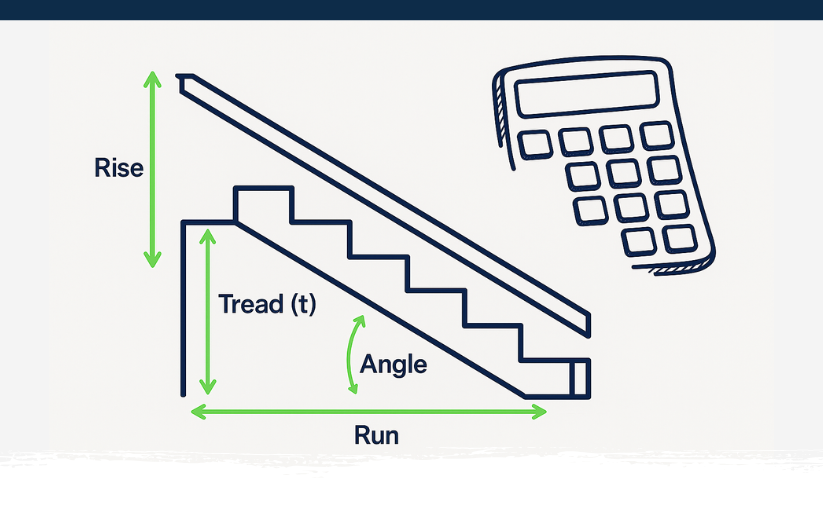
The rise is the vertical height of one step. The run is the horizontal depth of one step.
Together, rise and run form the shape of each stair. Measuring these correctly is key to accurate angles.
- Rise: height from one step to the next
- Run: horizontal length of the step
- Consistent rise and run make stairs safe
Importance Of The Stair Pitch
The stair pitch is the angle between the stair and the ground. It shows how steep the staircase is.
A good pitch ensures stairs are comfortable to walk on. Too steep or too flat can cause problems.
- Comfort depends on the pitch angle
- Pitch affects safety and ease of use
- Standard pitch helps in design and building
Common Angle Standards
Building codes often set standard angles for stairs. These keep stairs safe and easy to use.
Most stairs have angles between 30 and 37 degrees. This range balances comfort and space use.
| Angle (Degrees) | Description |
|---|---|
| 30° – 35° | Gentle slope, easy to climb |
| 35° – 37° | Common standard for most homes |
| Above 37° | Steep, less comfortable and safe |
Step-by-step Angle Measurement
Measuring the angle of a staircase is important for safety and comfort. Knowing the exact angle helps you build stairs that are easy to use.
This guide shows you how to measure staircase angles step-by-step. You will learn how to prepare, measure, and calculate the angle accurately.
Preparing The Staircase Area
Clear the staircase area of any objects or debris. Make sure the steps are clean and easy to access.
Use a flashlight if the area is dark. This helps you see the steps and measure better.
Measuring The Rise And Run
The rise is the height of one step. The run is the depth of the step where you place your foot.
Use a tape measure to get the rise and run. Measure from the top of one step to the top of the next step for the rise. For the run, measure the horizontal distance of the step.
- Measure rise: vertical distance between steps
- Measure run: horizontal distance of the step
- Record both measurements accurately
Calculating The Angle
Use the rise and run to find the staircase angle. You can use a calculator with a tangent function.
Divide the rise by the run. Then find the arctangent of this number. The result is the angle in degrees.
| Formula | Explanation |
|---|---|
| Angle = arctan(rise ÷ run) | Use calculator’s arctan or tan⁻¹ function |
This angle helps you check if the staircase is safe and comfortable to use. Adjust measurements if needed and recalculate.

Credit: www.amazon.com.au
Avoiding Common Mistakes
Measuring angles for staircases can be tricky. Small mistakes cause big problems later.
Focus on accuracy to make stairs safe and comfortable to use.
Incorrect Tool Usage
Using the wrong tool can lead to wrong angle measurements. Not all tools are made for stairs.
Choose the right angle finder or protractor designed for stair measurements.
- A tape measure alone is not enough for angles
- Digital angle finders give more precise readings
- Use a carpenter’s square to check right angles
Misreading Measurements
Reading measurements incorrectly causes errors in stair angle calculations. Watch your scale carefully.
Double-check numbers and units before marking or cutting materials.
- Look for fractions and decimals on the ruler
- Keep the measuring tool steady and aligned
- Record measurements immediately to avoid forgetting
Ignoring Safety Regulations
Staircases must meet local safety codes. Ignoring these rules risks accidents.
Check regulations for maximum rise and run angles before measuring.
- Follow the recommended angle limits for comfort
- Make sure handrails and steps meet height rules
- Consult building codes before finalizing measurements
Tips For Precise Measurements
Measuring angles for staircases needs care and attention. Small mistakes can cause big problems in fitting.
Use the right tools and check your work to get the best results. This guide helps you measure angles accurately.
Using A Level For Accuracy
A level helps you find true horizontal and vertical lines. This is key to measuring angles right.
Place the level on the stair tread or stringer. Adjust it until the bubble is centered before measuring.
- Use a spirit level or digital level for best results
- Check both horizontal and vertical surfaces
- Keep the level steady while taking measurements
Double-checking Angles
Always measure the same angle more than once. This helps catch errors and confirms accuracy.
Use different tools like a protractor or angle finder for a second opinion. Compare results carefully.
- Measure angles from both sides of the staircase
- Note any differences and investigate causes
- Repeat measurements after moving tools slightly
Recording Measurements Properly
Write down each angle clearly as soon as you measure it. This prevents confusion later.
Use a notebook or digital device. Label each measurement with the stair part and location.
- Keep all notes organized by stair section
- Use simple terms and numbers
- Include units like degrees or radians
Adjusting Angles For Custom Staircases
Measuring angles for staircases needs care, especially for custom designs. Accurate angles keep stairs safe and comfortable. You must adjust angles when stairs don’t follow standard shapes or sizes.
This guide explains how to work with unique staircase angles. It covers fitting unusual shapes, making stairs safe, and following building rules.
Working With Non-standard Designs
Custom staircases often have odd shapes. You must measure the angles carefully to fit these designs. Use tools like a protractor or digital angle finder. Mark all points clearly before cutting or installing.
- Measure each angle twice for accuracy
- Use flexible rulers for curved stairs
- Draw the design on paper or software
- Check angles against stair dimensions
Ensuring Comfort And Safety
Stair angles affect how easy and safe the stairs are to use. Angles too steep or too flat cause problems. Adjust the angle to suit the space while keeping comfort in mind.
| Angle Range | Comfort Level | Safety Consideration |
| 30° – 35° | Very Comfortable | Easy to climb |
| 36° – 40° | Comfortable | Standard safety |
| 41° – 45° | Less Comfortable | Watch for slip risks |
| Above 45° | Uncomfortable | Higher risk of falls |
Consulting Building Codes
Building codes set rules for stair angles. Check local codes before finalizing your measurements. Codes ensure stairs meet safety standards and legal requirements.
Key points to check in building codes:
- Maximum and minimum stair angle
- Required tread depth and riser height
- Handrail height and placement
- Landing size and clearance

Credit: www.decks.com
Frequently Asked Questions
How Do You Measure The Angle Of A Staircase Accurately?
Use a digital angle finder or protractor placed along the stair stringer. Measure the angle between the stair slope and horizontal base precisely.
What Tools Are Best For Measuring Staircase Angles?
A digital angle finder, protractor, or inclinometer are ideal. These tools provide precise and easy-to-read angle measurements for staircases.
Why Is Accurate Angle Measurement Important For Staircases?
Accurate angles ensure safety, comfort, and compliance with building codes. Proper measurements prevent uneven steps and reduce fall risks on stairs.
How Do You Calculate The Rise And Run For Stairs?
Measure the total vertical height (rise) and horizontal length (run). Divide by the number of steps for consistent step dimensions and angle.
Conclusion
Measuring staircase angles takes care and attention. Use the right tools to get exact results. Check your measurements twice to avoid mistakes. Clear steps make your work easier and safer. Accurate angles help your stairs fit well and look good.
Take your time and follow each step carefully. This way, your staircase will be both safe and strong. Remember, simple methods lead to the best results.