When working on your woodworking projects, getting the depth measurement just right can make all the difference between a perfect fit and a frustrating mistake. You might think measuring depth is simple, but even a small error can ruin hours of your hard work.
Imagine the confidence you’ll feel when you know exactly how to measure depth accurately every single time. You’ll discover easy, practical tips that will sharpen your skills and help you avoid costly errors. Keep reading, and take your woodworking to the next level with precision you can trust.

Credit: www.rockler.com
Choosing The Right Tools
Measuring depth accurately is key in woodworking projects. Picking the right tools helps you get precise results.
This guide covers common tools that make depth measuring easier and more accurate.
Calipers And Depth Gauges
Calipers and depth gauges are great for precise depth measurements. They come in different styles like vernier, dial, and digital.
- Vernier calipers require reading small scales but are reliable.
- Dial calipers have a dial for easier reading.
- Digital calipers show measurements on an electronic screen.
- Depth gauges measure the depth of holes and slots accurately.
Combination Squares
Combination squares are versatile tools used for marking and measuring. They can measure depth, height, and check angles.
| Feature | Description |
| Blade | Adjusts for measuring depth or marking |
| Handle | Provides stable grip and square edges |
| Ruler | Shows measurements in inches or millimeters |
Digital Measuring Devices
Digital devices give fast, clear depth readings. They reduce mistakes and save time in woodworking.
Common digital measuring devices include:
- Digital depth gauges with LCD screens
- Electronic calipers with buttons to switch units
- Laser distance measurers for larger projects
Preparing The Wood Surface
Measuring depth in woodworking needs a clean and smooth surface. Dirt or rough spots can cause errors. Take time to prepare the wood properly.
Start by removing any dust, grease, or old finishes. A smooth surface helps you mark points clearly. This preparation improves measurement accuracy.
Cleaning And Smoothing
Clean the wood with a soft cloth to remove dust and dirt. Use a mild cleaner if needed. Avoid soaking the wood to prevent warping.
- Remove all dust and debris with a brush or vacuum.
- Wipe with a damp cloth and mild soap if the surface is greasy.
- Sand the surface lightly using fine-grit sandpaper.
- Check for any rough spots and smooth them out.
- Wipe the surface again to remove sanding dust.
Marking Reference Points
Mark exact points before measuring depth. Clear marks help you place your tools correctly. Use a sharp pencil or marking knife for accuracy.
| Marking Tool | Use | Tip |
| Sharp Pencil | Draw visible lines | Keep pencil sharp |
| Marking Knife | Make fine grooves | Use light pressure |
| Awl | Create small indentations | Use for precise points |
Measuring Techniques
Measuring depth accurately is important in woodworking. It helps to create precise cuts and fits for your project.
Using the right tools and techniques will improve your results. Focus on careful measuring and marking to avoid mistakes.
Using A Depth Gauge Properly
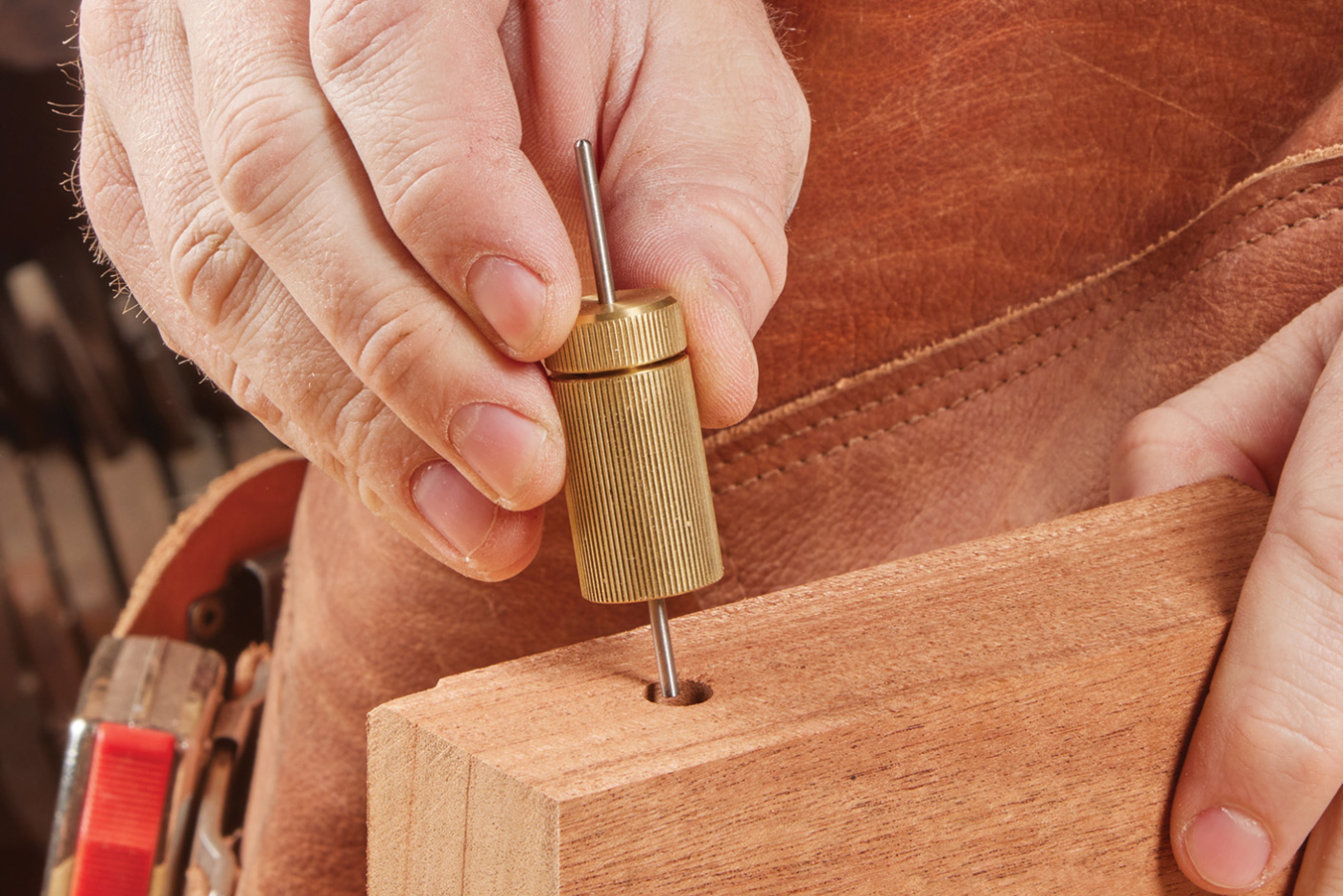
A depth gauge is a tool designed to measure the depth of grooves and holes. Use it to get exact measurements every time.
Place the base of the depth gauge flat on the surface. Slide the measuring rod down until it touches the bottom of the hole.
- Make sure the base sits flat and steady
- Read the measurement scale carefully
- Adjust the rod gently for an accurate reading
Marking And Checking Depth
Mark the depth on your wood before cutting or drilling. Use a pencil or marking knife for clear lines.
Check the depth marks by comparing them with the tool settings. This reduces errors during the work.
- Mark the depth clearly on the wood edge
- Use a ruler or caliper to verify marks
- Keep marks visible but neat
Double-checking Measurements
Always measure twice before cutting or drilling. This helps catch any mistakes early.
Use different tools or methods to confirm the same depth. This adds confidence in your measurements.
- Measure depth with a depth gauge
- Compare with a ruler or caliper
- Re-check marks and settings before cutting
Credit: www.popularwoodworking.com
Common Mistakes To Avoid
Measuring depth accurately is key for good woodworking results. Many beginners make simple errors that cause wrong cuts or poor fits.
Knowing what mistakes to avoid helps you save time and materials. Here are common errors to watch out for when measuring depth.
Ignoring Tool Calibration
Not checking your measuring tools can lead to wrong numbers. Tools like calipers and rulers must be calibrated to zero before use.
Even small errors from uncalibrated tools add up and affect the final depth. Always reset or verify tools before measuring.
Rushing Measurements
Measuring too fast often causes mistakes. You might miss the right point or read the scale wrong.
Take your time to line up the tool carefully. Double-check your reading before marking or cutting the wood.
- Hold the measuring tool steady
- Look at the scale straight on
- Repeat the measurement for accuracy
Overlooking Material Variations
Wood can have different thicknesses, knots, or grain patterns. These affect how deep you should cut or drill.
Ignoring these changes can cause wrong depth measurements. Inspect your material carefully before starting.
- Check wood thickness at multiple spots
- Note any defects that affect measurement
- Adjust your depth based on wood features
Tips For Consistent Accuracy
Measuring depth accurately is key for good woodworking. Small errors can cause big problems in your project.
Use simple habits to get consistent and precise depth measurements every time you work.
Maintaining Tools Regularly
Keep your measuring tools clean and in good condition. Dirt or rust can change the readings and cause mistakes.
Check tools often for wear and tear. Replace parts or the entire tool if it does not work right.
- Clean rulers and calipers after each use
- Check for zero error on calipers before measuring
- Sharpen marking tools for clear depth marks
- Store tools in a dry place to avoid rust
Working In Controlled Environments
Measure depth in a stable environment. Temperature and humidity can affect wood and tools.
Avoid windy or dusty areas. These can move your tools or dirt can hide true measurements.
- Work indoors with stable temperature
- Keep humidity low to prevent wood swelling
- Use good lighting to see measurement marks clearly
- Keep your workspace clean and organized
Recording Measurements Systematically
Write down all measurements right after taking them. This reduces mistakes from memory errors.
Use a consistent format for notes. This helps you compare and check measurements easily.
- Note the tool used for each measurement
- Record depth values with units clearly stated
- Mark the date and project part for each measurement
- Use a notebook or digital app to keep records

Credit: rhythmsofplay.com
Frequently Asked Questions
How Do I Measure Depth Accurately In Woodworking?
Use a depth gauge or caliper for precise measurements. Ensure the tool is calibrated. Measure multiple times to confirm consistency. Mark the depth clearly on your wood piece before cutting or drilling to avoid errors.
What Tools Are Best For Measuring Woodworking Depth?
Depth gauges, calipers, and combination squares are ideal. These tools provide precise and reliable measurements. Digital calipers offer easy-to-read results. Choose a tool that suits your project’s accuracy needs and your comfort.
Why Is Accurate Depth Measurement Important In Woodworking?
Accurate depth ensures proper fitting of joints and components. It prevents structural weaknesses and material wastage. Precise measurements improve the final product’s quality and appearance. This reduces costly mistakes and rework in your projects.
How Can I Avoid Errors When Measuring Depth?
Always zero your measuring tool before use. Measure at the same spot multiple times for accuracy. Use sharp pencils or markers for clear markings. Work in good lighting to avoid misreading measurements.
Conclusion
Accurate depth measurement boosts woodworking quality. Simple tools can make a difference. Practice often to improve your skills. Always double-check measurements for precision. Avoid costly mistakes by being careful. Depth accuracy ensures perfect joints and finishes. Woodworking becomes more enjoyable with accurate results.
Remember, patience and attention to detail are vital. Keep learning and refining your techniques. Your projects will reflect your dedication. Happy woodworking!