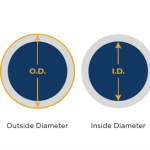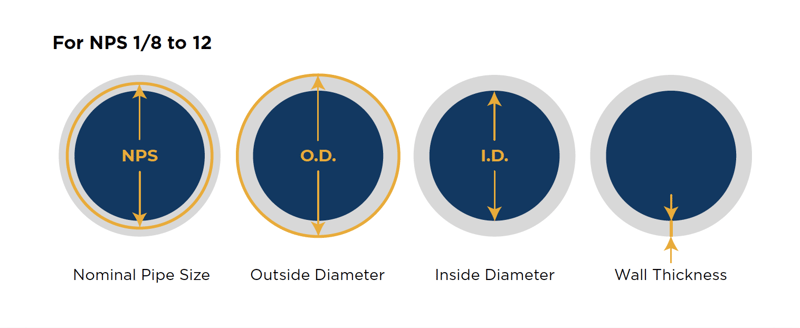
Are you struggling to find the right way to measure the diameter of pipes and rods? Getting this measurement right is crucial for your project’s success, whether you’re working on plumbing, construction, or DIY tasks.
You’ll discover simple, step-by-step methods that anyone can follow. No confusing jargon or complicated tools—just clear instructions to help you get accurate results every time. Keep reading, and you’ll master the skill that saves you time, money, and frustration.

Credit: wgsplasticservices.com
Tools For Measuring Diameter
Measuring the diameter of pipes and rods is important for many projects. Using the right tools helps get accurate results. Different tools work best for different sizes and shapes.
Here are some common tools to measure diameter. Each tool has its own way to measure and read the size.
Calipers
Calipers are tools with two jaws that open and close. You place them around the pipe or rod to measure the diameter. They can measure inside and outside sizes.
Digital calipers show the measurement on a small screen. Manual calipers have a scale you read by eye. They are good for small to medium sizes.
Micrometer
A micrometer is a precise tool for measuring small diameters. It has a spindle that moves when you turn a knob. The pipe or rod fits between the spindle and anvil.
Micrometers show measurements in millimeters or inches. They are best for very accurate readings on small objects.
Measuring Tape
Measuring tape is a flexible tool used for larger pipes or rods. You wrap it around the object to find the circumference. Then, you calculate the diameter from the circumference.
This tool is simple and easy to use. It works well for big pipes where other tools may not fit.
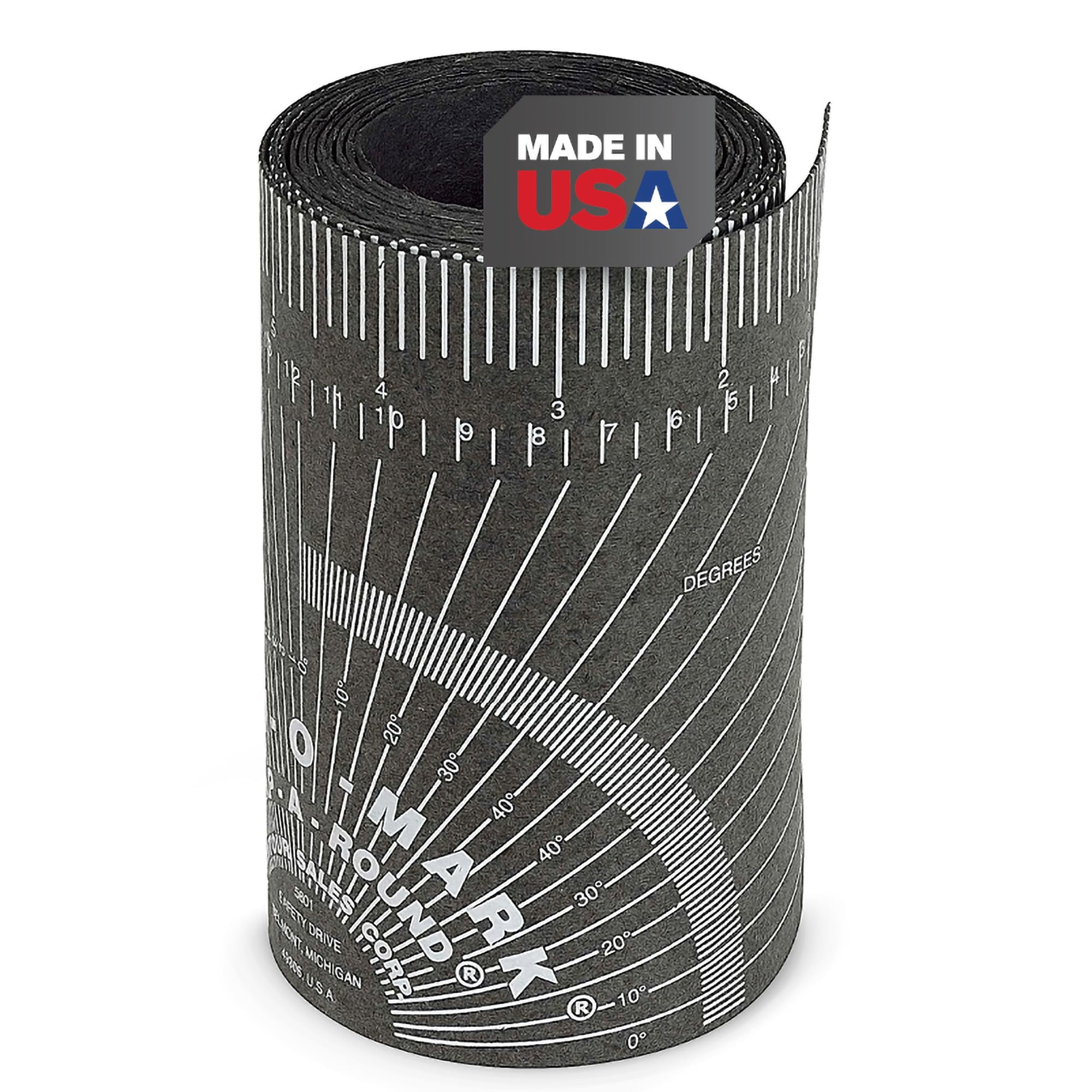
Pi Tape
Pi tape is a special tape made for measuring pipe diameters. It has a scale that shows the diameter directly. You wrap it tightly around the pipe and read the size.
Pi tape is very useful for large pipes. It gives accurate readings without needing math or extra tools.
Preparing The Pipe Or Rod
Measuring the diameter of pipes and rods starts with proper preparation. This ensures accurate and reliable results.
Follow the key steps below to get the pipe or rod ready before taking any measurements.
Cleaning The Surface
Remove dirt, grease, and rust from the pipe or rod surface. A clean surface allows precise contact with measuring tools.
- Use a clean cloth to wipe off dust and loose debris
- Apply a mild cleaner or solvent to remove grease
- Scrub gently with a wire brush if rust is present
- Dry the surface completely before measuring
Ensuring Straightness
Check that the pipe or rod is straight along its length. Bent material can cause wrong diameter readings.
To verify straightness:
| Method | Description |
|---|---|
| Visual Inspection | Look along the pipe to spot bends or curves |
| Straightedge Test | Place a straightedge along the rod to check gaps |
| Roll Test | Roll the pipe on a flat surface to see if it wobbles |
Selecting Measurement Points
Pick points on the pipe or rod where you will measure diameter. Choose spots that represent the overall size.
- Measure at several places along the length
- Avoid areas with damage or irregularities
- Check near the middle and both ends
- Mark points lightly with a pencil or tape
Measuring With Calipers
Measuring the diameter of pipes and rods is important for many projects. Calipers are tools that help you get accurate measurements.
You can use different types of calipers to measure diameter. This guide explains how to use vernier and digital calipers. It also shows how to read the measurements correctly.
Using Vernier Calipers
Vernier calipers have two jaws that slide to measure objects. To measure diameter, place the jaws around the pipe or rod. Close them gently until they touch the surface.
- Make sure the calipers are clean before use.
- Open the jaws wider than the object.
- Place the object between the jaws.
- Close the jaws slowly without forcing.
- Keep the calipers steady while reading the scale.
Using Digital Calipers
Digital calipers give a quick and clear reading on a screen. To measure diameter, open the jaws and place the object between them. Then close the jaws gently.
- Turn on the digital caliper.
- Zero the display before measuring.
- Open the jaws wider than the object.
- Place the pipe or rod between the jaws.
- Close the jaws until they touch the surface.
- Read the measurement on the screen.
Reading The Measurement
Reading measurements is different for vernier and digital calipers. Knowing how to read both helps you get exact sizes.
| Caliper Type | How to Read |
| Vernier | Read the main scale first. Then find the vernier scale line that aligns with the main scale. Add the two values for the final size. |
| Digital | Read the number shown on the digital screen. It shows the size directly in millimeters or inches. |

Credit: www.amazon.ca
Using A Micrometer For Precision
Measuring the diameter of pipes and rods requires accuracy. A micrometer helps get precise measurements. This tool is common in workshops and labs.
Using a micrometer correctly ensures that measurements are reliable. This guide explains how to use it well for pipes and rods.
Types Of Micrometers
There are several micrometers designed for different shapes and sizes. Choosing the right type makes measuring easier and more accurate.
- Outside Micrometer:Measures the outside diameter of pipes and rods.
- Inside Micrometer:Checks the inside diameter of hollow objects.
- Depth Micrometer:Measures depths of grooves or holes.
- Tube Micrometer:Designed specifically for thin-walled tubes.
Proper Positioning
Hold the micrometer so the spindle touches the pipe or rod gently. Keep it square to the object to avoid angled readings.
- Place the object between the anvil and spindle.
- Turn the ratchet stop until it clicks to apply consistent pressure.
- Check the reading on the sleeve and thimble scale.
Avoiding Measurement Errors
| Common Error | How to Avoid |
| Using too much force | Use the ratchet stop for uniform pressure |
| Measuring at an angle | Keep the micrometer perpendicular to the object |
| Dirty or damaged surfaces | Clean the object and micrometer before measuring |
| Temperature changes | Measure at room temperature to prevent expansion |
Measuring Large Pipes With Tape
Measuring the diameter of large pipes and rods is important for many projects. Using tape helps get accurate results without special tools.
This guide shows how to measure large pipes using flexible tape. You will learn how to find the diameter from the circumference and tips for accuracy.
Using Flexible Measuring Tape
Use a flexible measuring tape to wrap around the pipe or rod. This tape bends easily to fit the round shape.
Make sure the tape lies flat against the surface. Avoid twisting or gaps while measuring.
Calculating Diameter From Circumference
First, measure the circumference by wrapping the tape around the pipe. Note the length where the tape meets the start point.
Use this formula to find the diameter: Diameter = Circumference ÷ π (about 3.14).
- If circumference is 31.4 inches, diameter = 31.4 ÷ 3.14 = 10 inches.
- Always divide the circumference by 3.14 for diameter.
Tips For Accurate Results
Measure more than once to check your results. Small errors can change the final diameter.
- Keep the tape tight but not stretched.
- Measure at the pipe’s widest part.
- Use a tape with clear numbers.
- Write down measurements right away.
Common Measurement Mistakes
Measuring the diameter of pipes and rods needs care and precision.
Many errors happen because of wrong methods or tools. Avoiding these mistakes saves time and materials.
Incorrect Tool Use
Using the wrong tool can give wrong diameter readings. For example, a ruler may not be precise enough.
- Use calipers for small pipes and rods for accuracy.
- A tape measure suits large diameters but needs careful reading.
- A micrometer works best for very small rods.
- Avoid using worn or damaged tools.
Misreading Scales
Reading the scale incorrectly causes errors. Some tools have fine marks that are hard to see.
| Common Scale Errors | How to Avoid |
| Reading between lines incorrectly | Use magnifying glass or better lighting |
| Confusing metric and imperial units | Check unit type before measuring |
| Not zeroing the tool before use | Always set tool to zero before measuring |
| Parallax error when viewing scale | Look straight at the scale, not at an angle |
Ignoring Pipe Ovality
Pipes are not always perfectly round. Ovality means the pipe diameter varies across sections.
To measure correctly:
- Take measurements at multiple points around the pipe.
- Measure both the widest and narrowest parts.
- Calculate the average diameter for a better estimate.
Tips For Accurate Measurements
Measuring the diameter of pipes and rods needs care and attention. Accuracy ensures that parts fit well and work correctly.
Use the right tools and methods to get exact results every time.
Consistent Measurement Pressure
Applying the same pressure when measuring helps avoid errors. Too much force can compress the material or tool. Too little force can give loose readings.
- Hold the caliper or micrometer firmly but gently.
- Do not squeeze the pipe or rod hard.
- Check if the tool moves smoothly when closing.
- Practice keeping steady pressure before measuring.
Multiple Measurements
Taking several measurements at different points improves accuracy. Pipes and rods may not be perfectly round or straight.
| Measurement Point | Description |
| Center | Measure at the middle of the pipe or rod length |
| Ends | Check diameter near both ends |
| Multiple Angles | Rotate tool around the pipe and measure at 3-4 angles |
Calibration Of Tools
Tools must be calibrated to give correct readings. Calibration means setting the tool to zero or a known standard.
Here is a simple checklist for calibration:
- Clean the measuring surfaces.
- Close the tool gently until the jaws touch.
- Set the reading to zero if possible.
- Use gauge blocks or standards to check accuracy.
- Adjust the tool if readings differ from standards.
Credit: www.walmart.com
Frequently Asked Questions
How Do You Measure The Diameter Of A Pipe?
Use a caliper or tape measure to measure the pipe’s outer edge. For accuracy, measure at multiple points and average the values.
What Tool Is Best For Measuring Rod Diameter?
A vernier caliper or micrometer provides precise measurements of rod diameters. These tools offer accuracy within thousandths of an inch.
How To Measure Internal Diameter Of A Pipe?
Use an inside caliper or a pipe gauge to measure the pipe’s internal diameter accurately. This ensures proper fit for fittings.
Can A Tape Measure Accurately Measure Pipe Diameter?
Tape measures can estimate pipe diameter but lack precision. Calipers or micrometers are preferred for exact measurements.
Conclusion
Measuring the diameter of pipes and rods is straightforward. Use simple tools like calipers or tape measures. For accuracy, ensure tools are in good condition. Consistent practice improves skills and precision. Remember, diameter measurements help in many projects. From plumbing to construction, knowing the right size is crucial.
Don’t rush; take your time for correct readings. Always double-check your measurements for assurance. This avoids costly mistakes. Keep learning and practicing for better accuracy. Precision in measurement leads to successful projects. Happy measuring!