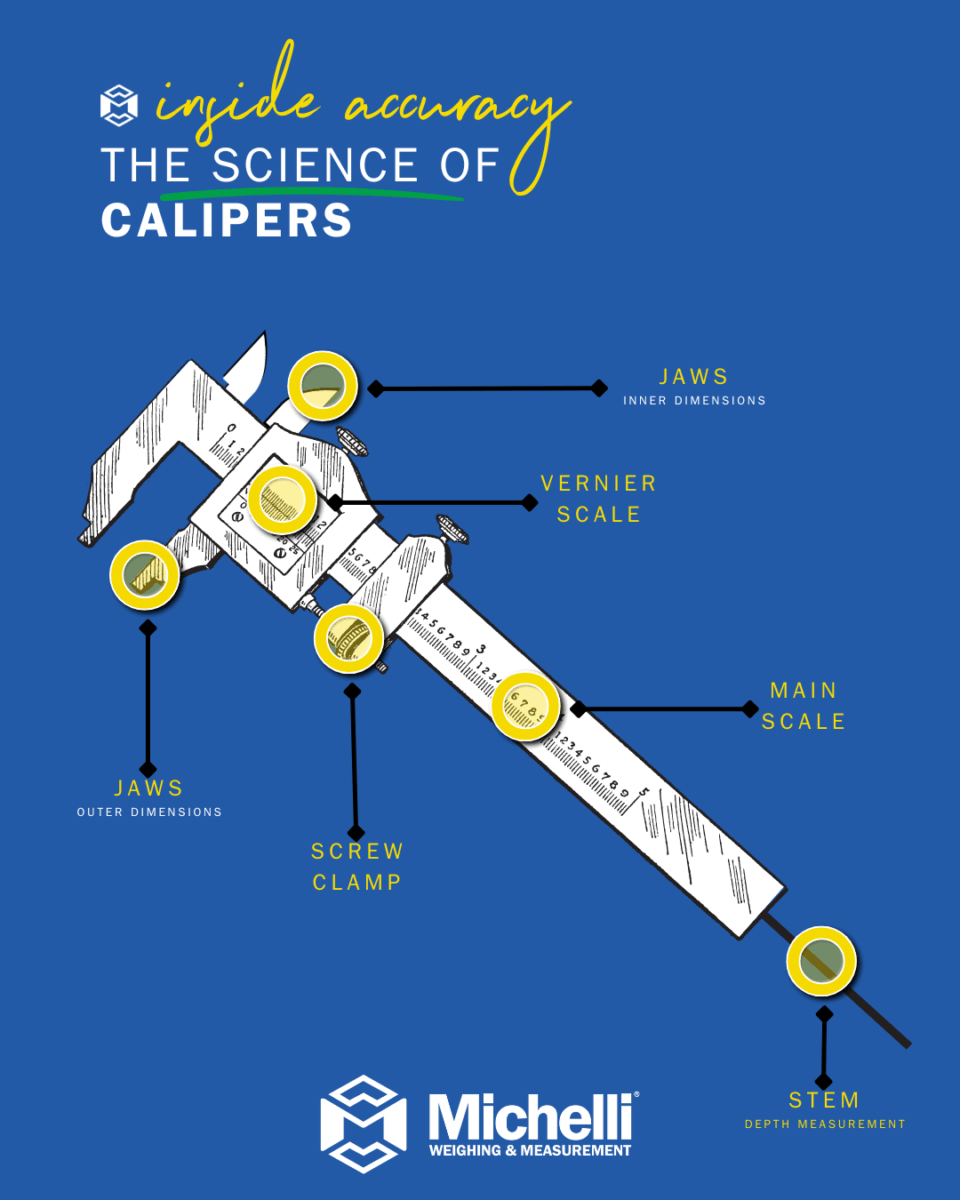
Measuring internal dimensions can be tricky if you don’t have the right tools or know-how. But what if you could get precise measurements quickly and easily?
That’s exactly what a caliper can help you do. Whether you’re working on a DIY project, fixing something at home, or handling professional tasks, knowing how to measure inside spaces accurately will save you time and frustration. You’ll learn simple, step-by-step methods to use a caliper for internal measurements.
By the end, you’ll feel confident tackling any measurement challenge with precision. Ready to master this skill? Let’s dive in.
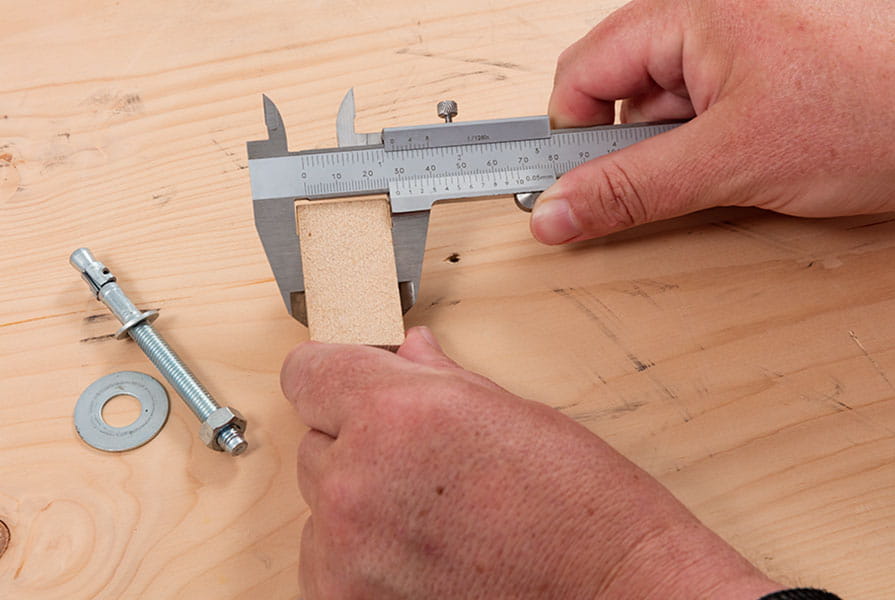
Credit: www.dictum.com
Choosing The Right Caliper
Measuring internal dimensions with a caliper needs the right tool. Choosing the right caliper helps you get accurate results.
This guide explains types of calipers and features to look for. It will help you pick the best caliper for your needs.
Types Of Calipers
There are several types of calipers. Each type suits different measuring tasks.
- Vernier Caliper:A manual tool with a sliding scale. It is affordable and precise.
- Dial Caliper:Uses a dial for reading measurements. It is easier to read than Vernier.
- Digital Caliper:Shows measurements on a digital screen. It is fast and simple to use.
Features To Look For
| Feature | Why It Matters |
| Measurement Range | Choose range that fits your work pieces. |
| Accuracy | Higher accuracy means better precision. |
| Material | Stainless steel resists wear and corrosion. |
| Display Type | Digital is easiest; dial and Vernier need reading skill. |
| Locking Screw | Keeps jaws fixed for stable measurement. |

Credit: www.reddit.com
Preparing The Caliper
Measuring internal dimensions with a caliper needs careful preparation. This ensures accurate and reliable results.
Before use, clean and calibrate the caliper. Also, zero the scale to start measurements correctly.
Cleaning And Calibration
Remove dirt and dust from the caliper’s jaws and scale. Use a soft cloth or brush for cleaning.
Check the caliper for damage or wear. If needed, calibrate it using a standard gauge or block.
- Wipe the jaws with a clean cloth
- Brush away dust from the scale
- Inspect for scratches or dents
- Use a calibration block to check accuracy
Zeroing The Scale
Close the jaws gently until they touch. Make sure the scale reads zero at this point.
If the reading is not zero, adjust the caliper to set it to zero. This step prevents measurement errors.
- Close the jaws without force
- Look at the digital or dial display
- Press the zero button or turn the dial to zero
- Verify the zero setting before measuring
Measuring Internal Dimensions
Measuring internal dimensions is important for many projects. A caliper helps you get accurate measurements inside objects.
This guide explains how to measure internal dimensions using a caliper correctly and easily.
Positioning The Jaws
Start by opening the caliper jaws wider than the object’s inside space. Place the jaws gently inside the object’s opening.
- Insert the smaller jaws of the caliper into the space to be measured.
- Slowly close the jaws until they touch the inner sides of the object.
- Make sure the jaws are straight and not tilted inside the space.
- Hold the caliper steady to avoid slipping or moving.
Ensuring Proper Contact
Proper contact between the caliper jaws and the object is key for an accurate reading. The jaws must touch the surface evenly and firmly without pressing too hard.
| Tip | Reason |
| Check that both jaws touch the inside surfaces | Ensures the measurement covers the full distance inside |
| Apply gentle pressure | Avoids damaging the object or bending the caliper |
| Keep the caliper perpendicular to the object | Prevents angled readings that can cause errors |
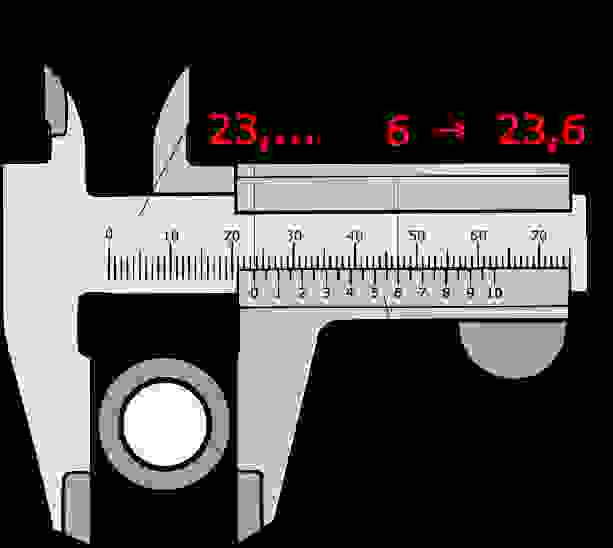
Credit: aci24.com
Reading The Measurement
Measuring internal dimensions with a caliper requires careful reading. The goal is to get the exact size inside an object.
Different types of calipers show measurements in various ways. Understanding how to read each type helps avoid mistakes.
Using Digital Calipers
Digital calipers have a screen that shows the measurement directly. This makes reading easy and fast.
To read, look at the screen after placing the jaws inside the object. The number shows the internal dimension in millimeters or inches.
- Turn on the caliper and zero it before measuring.
- Insert the inside jaws into the object.
- Open the jaws until they touch the inner walls.
- Read the number on the digital display.
- Note the unit of measurement shown (mm or inch).
Using Vernier And Dial Calipers
Vernier and dial calipers do not have digital displays. You must read scales or dials to find the measurement.
Place the inside jaws between the object’s walls. Close the jaws until they fit snugly. Then read the main scale and vernier or dial scale.
- Read the main scale first. Note the number just before the zero on the vernier or dial.
- Look at the vernier or dial scale. Find the line that best aligns with the main scale.
- Add the vernier or dial reading to the main scale reading.
- The sum is the internal measurement.
Common Mistakes To Avoid
Measuring internal dimensions with a caliper needs care and attention. Small mistakes can cause wrong readings.
Knowing what to avoid helps you get accurate results every time you use the tool.
Applying Excessive Force
Pressing too hard on the caliper jaws can damage the tool and the object. It can also cause the jaws to move incorrectly.
- Use gentle pressure when closing the jaws.
- Let the caliper jaws touch the object lightly.
- Avoid forcing the caliper to fit into tight spaces.
- Check the reading without pushing harder.
Misalignment Issues
If the caliper jaws are not aligned properly inside the object, your measurement will be wrong. This is a common cause of errors.
| Problem | Effect | Fix |
| Jaws tilted inside hole | Overestimates size | Keep jaws parallel to the surface |
| Jaws touching one side only | Underestimates size | Center jaws evenly inside |
| Uneven jaw pressure | Inconsistent readings | Apply equal pressure on both sides |
Advanced Tips For Precision
Measuring internal dimensions with a caliper needs care. Small errors can lead to big problems in projects.
This guide gives you tips to get accurate results with a caliper. Focus on tricky shapes and depth measurements.
Measuring Irregular Shapes
Irregular shapes are hard to measure inside. Use the caliper jaws gently to avoid slipping.
Take several measurements at different points. This helps you find the true size of the space.
- Open the caliper jaws slightly larger than the space
- Insert the jaws carefully without forcing them
- Close the jaws slowly to touch the inner edges
- Read the measurement and repeat for accuracy
- Average the measurements for best result
Using Depth Gauges
Depth gauges on calipers measure how deep a hole or slot is. Use the depth rod at the back of the caliper.
Keep the caliper body flat on the surface. Slide the depth rod down slowly until it touches the bottom.
- Place the caliper’s base on the hole’s top edge
- Push the depth rod straight down into the hole
- Stop when the rod touches the bottom
- Hold the caliper steady before reading the scale
- Double-check by measuring twice
Maintaining Your Caliper
Keeping your caliper in good shape helps it give accurate measurements. Regular care prevents damage and wear.
Simple steps in storage and cleaning can extend your caliper’s life and performance.
Storage Best Practices
Store your caliper in a dry, clean place to avoid rust and dirt buildup. Use the case that came with it if possible.
Keep it away from heavy tools or objects that could bend or damage the measuring jaws.
- Use a protective case or pouch
- Keep it in a cool, dry area
- Avoid stacking heavy items on top
- Keep away from dust and moisture
Regular Maintenance
Clean your caliper after each use with a soft, dry cloth. Remove any dust or debris from the jaws and scale.
Check for smooth movement of the sliding parts. Apply a small drop of light machine oil if it feels stiff.
- Wipe the caliper clean after use
- Keep the jaws free from dirt and grease
- Apply light oil to the sliding parts if needed
- Do not use harsh chemicals or water
Frequently Asked Questions
How Do You Measure Internal Dimensions With A Caliper?
To measure internal dimensions, insert the caliper’s inside jaws into the space. Open the jaws until they touch the walls. Read the measurement on the scale or digital display. This method ensures accurate internal diameter or width measurement.
What Types Of Calipers Are Best For Internal Measurements?
Vernier, dial, and digital calipers all work well for internal measurements. Digital calipers offer easier reading and higher accuracy. Choose a caliper with fine inside jaws for precise internal dimension measurement.
How To Ensure Accuracy When Measuring Inside Dimensions?
Always zero the caliper before measuring. Apply gentle, even pressure when opening the jaws inside the object. Avoid tilting the caliper to get an accurate reading. Take multiple measurements for consistency.
Can Calipers Measure Irregular Internal Shapes?
Calipers work best for regular, round, or rectangular internal shapes. For irregular shapes, calipers provide approximate measurements only. Specialized tools like bore gauges may be better for complex internal dimensions.
Conclusion
Measuring internal dimensions with a caliper is simple and precise. Always hold the tool steady for accurate results. Take your time and check the reading carefully. Practice often to build confidence and skill. Using a caliper correctly saves time and reduces errors.
Now, you can measure holes, slots, and other spaces easily. Keep your caliper clean and store it safely after use. Small steps lead to better measurements every time.