Measuring lengths accurately with a tape might seem simple, but even small mistakes can lead to big problems. Whether you’re working on a DIY project, fixing something around the house, or handling materials for work, getting the right measurement is key.
You’ll discover easy tips and tricks to ensure your measurements are spot on every time. By the end, you’ll feel confident that your tape measure skills won’t let you down. Ready to never second-guess your measurements again? Let’s dive in!

Credit: learn.reeb.com
Choosing The Right Tape Measure
Measuring lengths accurately is important for many tasks. Picking the right tape measure helps you get exact results.
There are many types of tape measures. Knowing their features makes it easier to choose the best one.
Types Of Tape Measures
Tape measures come in different styles. Each type suits different jobs and measuring needs.
- Steel tape measures are strong and good for construction.
- Fiberglass tapes resist stretching and work well outdoors.
- Cloth tapes are flexible, used for measuring curves and fabric.
Material And Durability
The tape’s material affects how long it lasts. Choose a tape that fits your work conditions.
Steel tapes are durable but can rust. Fiberglass tapes resist water and are lighter. Cloth tapes wear out faster.
- Steel: strong but may rust if wet
- Fiberglass: water-resistant and light
- Cloth: flexible but less durable
Length And Width Considerations
Pick a tape measure with length and width that match your tasks. Longer tapes measure big spaces well.
Wider tapes stay straighter and are easier to read. Narrow tapes fit in tight spaces better.
- Long tapes (25 feet or more) are good for large areas
- Short tapes (10 to 16 feet) fit small projects
- Wider tapes offer better stability when measuring
- Narrow tapes are easier to carry and store

Credit: www.mashupmath.com
Preparing For Measurement
Measuring length with a tape needs care and attention. Preparing well helps get accurate results.
Before you start, set up your space and tools correctly. This will make the process smooth and reliable.
Clearing The Surface
Clear the area where you will measure. Remove objects that can block or change the tape’s path.
A clean surface helps the tape lie flat and straight. This avoids mistakes caused by bumps or folds.
Marking Start Points
Mark the exact spot where you start measuring. This point is your reference for the tape’s zero mark.
Use a pencil or small sticker to mark the start. This prevents confusion about where to begin.
- Check the tape’s zero is correct
- Place the tape’s end exactly on the mark
- Hold the tape steady at the start
Using A Stable Base
Use a firm base for your tape. This stops it from moving or bending during measurement.
Keep the tape straight and tight. A loose tape can give wrong readings.
- Place the tape on a flat surface
- Hold or clamp the tape at the end
- Pull the tape tight without stretching it
Techniques For Accurate Measurement
Measuring length correctly is important for many tasks. Using a tape measure needs care and attention. Small mistakes can cause errors in the final result.
This guide explains simple ways to get accurate measurements with a tape. Follow these tips to avoid common problems.
Holding The Tape Properly
Hold the tape firmly at the start point. Use one hand to keep the tape hook in place. Keep the tape straight and flat along the object you measure.
- Grip the tape case tightly in your dominant hand.
- Place the metal hook securely on the edge of the object.
- Pull the tape out slowly and keep it straight.
- Keep the tape close to the surface without bending it.
Avoiding Tape Sag
Tape sag happens when the tape bends or droops. This makes the length longer than it really is. To prevent sag, support the tape along its length.
| Cause | How to Fix |
| Tape hanging freely | Hold the tape with both hands or use a clamp |
| Long distances without support | Use a helper to hold the tape at intervals |
| Soft or flexible tape | Keep the tape taut and straight |
Reading The Measurement Correctly
Look straight at the tape to avoid reading errors. The tape markings can be hard to see if you look from an angle. Use the correct unit of measure for your project.
- Align your eyes with the measurement mark.
- Read the number closest to the object’s edge.
- Check if the tape shows inches, centimeters, or millimeters.
- Note fractions carefully if using imperial units.
Common Measurement Mistakes
Measuring lengths with a tape may seem easy. Still, mistakes can cause errors in your results. Avoiding common errors helps you get accurate measurements every time.
This guide covers three common mistakes people make when using tape measures. Knowing these will improve your measuring skills.
Ignoring Tape Tension
One common mistake is not keeping the tape tight while measuring. If the tape sags or bends, the measurement will be longer than the real length.
Always pull the tape firmly but not too hard. This keeps the tape straight and avoids errors.
Misreading The Scale
Reading the tape’s scale wrong is another frequent mistake. Some tapes have small marks that are hard to see or understand.
Look closely at the numbers and lines. Make sure you read the correct units, like inches or centimeters.
- Check if the tape shows metric or imperial units
- Count small marks carefully for fractions of an inch
- Use good light to see the scale clearly
Overlooking End Hook Play
The metal hook at the tape’s end can move slightly. This movement is called “play” and can cause wrong measurements.
The hook is designed to slide a little to measure inside or outside edges correctly. If you ignore this, your measurement can be off.
- Push the hook firmly against the edge for outside measurements
- Pull the hook to measure inside distances
- Do not force the hook too hard or it may bend
Advanced Tips For Precision
Measuring length with a tape seems easy but needs care for exact results.
This guide shares tips to improve your measurement accuracy using simple methods.
Using A Helper
Having a second person helps hold the tape steady and read measurements clearly.
- One holds the tape start firmly at the object’s edge.
- The other stretches the tape tight without slack.
- They read and say the measurement aloud to avoid mistakes.
- Helpers can mark points with a pencil for exact spots.
Double Checking Measurements
Measure twice or more to confirm the length before cutting or marking.
| Tip | Reason |
| Measure at least two times | Reduces errors from tape movement |
| Use different tape edges | Checks for tape damage or wear |
| Compare with a ruler or straight edge | Confirms tape accuracy |
Calibrating Your Tape
Ensure your tape measure shows correct lengths by testing it on known distances.
Calibration Steps:
- Find a ruler or object with a certified length.
- Extend your tape along the known length.
- Check if your tape matches the exact measurement.
- If it differs, note the error for future adjustment.
- Repeat this test regularly to keep your tape reliable.
Maintaining Your Tape Measure
Keeping your tape measure in good shape helps you get correct measurements. Proper care makes your tool last longer and work better.
Simple maintenance tasks like cleaning and checking for damage keep your tape reliable. This guide covers the key steps to care for your tape measure.
Cleaning And Storage
Remove dirt and dust from your tape after use. Wipe the blade gently with a soft cloth. Avoid harsh chemicals that can damage the markings.
- Wipe the tape blade with a dry cloth
- Use mild soap and water if very dirty
- Dry the tape fully before storing
- Store in a cool, dry place away from sunlight
- Keep the tape retracted when not in use
Checking For Damage
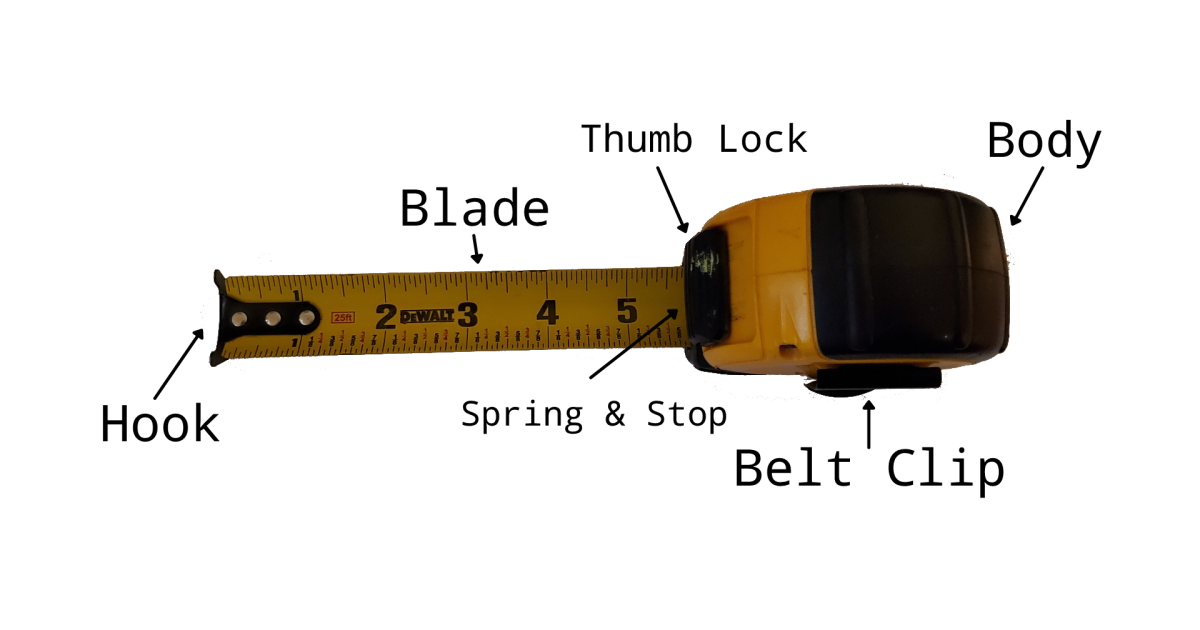
Inspect the tape for bends, cracks, or worn markings. A damaged tape can cause wrong measurements. Check the hook at the end to make sure it moves slightly.
| Damage Type | Impact on Measurement | Action |
| Bent blade | May give false lengths | Straighten or replace blade |
| Faded numbers | Hard to read measurements | Mark new numbers or replace tape |
| Loose hook | Incorrect start point | Tighten or replace hook |
| Cracks in case | Less protection for tape | Replace case if needed |
Replacing Worn Parts
Parts like the hook, blade, or case may wear out over time. Replace these parts to keep your tape measure accurate and safe to use.
- Remove the old hook carefully
- Attach a new hook with proper screws
- Replace a damaged blade following the tape’s guide
- Install a new case if the old one cracks
- Test the tape measure after repairs

Credit: www.youtube.com
Frequently Asked Questions
How Do I Read A Tape Measure Correctly?
To read a tape measure, align the tape’s zero mark with the object’s start point. Note the measurement at the end point. Use the smallest unit visible for accuracy. Always keep the tape straight to avoid errors.
What Is The Best Tape Measure For Accuracy?
A steel tape measure with clear, fine markings is best. Look for one with both metric and imperial units. A sturdy, non-stretch tape ensures precise readings over long distances.
How Can I Avoid Errors When Measuring With Tape?
Keep the tape taut and straight. Avoid bending or twisting it. Measure twice to confirm accuracy. Read the measurement at eye level to prevent parallax errors.
When Should I Use A Tape Measure Over Other Tools?
Use a tape measure for flexible, long, or curved surfaces. It’s ideal for woodworking, tailoring, and construction tasks. For very precise or small measurements, consider calipers or rulers instead.
Conclusion
Measuring lengths accurately with a tape is essential. It ensures precise results for any project. Always hold the tape straight and flat. Avoid bending or twisting the tape. Double-check measurements for accuracy. Practice makes perfect. With these tips, you can measure confidently.
Remember to read the tape markings carefully. Little errors can lead to big mistakes. So, take your time while measuring. Enjoy the satisfaction of accurate results. Happy measuring!