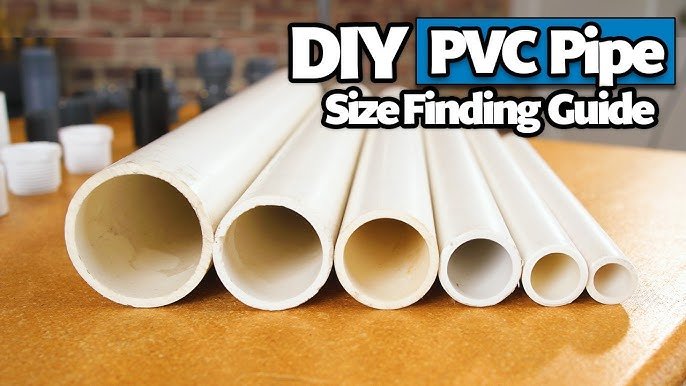
Are you unsure how to measure pipe diameter for your plumbing project? Getting this right is crucial to avoid leaks, ensure proper water flow, and save time and money.
Whether you’re fixing a leak, replacing pipes, or installing new plumbing, knowing the exact pipe size makes all the difference. You’ll learn simple, step-by-step methods to measure pipe diameter accurately—no special tools or skills needed. Keep reading, and you’ll gain the confidence to handle your plumbing like a pro.

Credit: www.youtube.com
Tools Needed
Measuring pipe diameter is a key step in plumbing tasks. Using the right tools makes this easier and more accurate.
Different tools suit different pipe types and sizes. Here are some common tools you can use for measuring pipe diameter.
Tape Measure
A tape measure is a flexible tool used to measure the outside diameter of pipes. It is easy to use and widely available.
Calipers
Calipers provide precise measurements for pipe diameter. You can use digital or manual calipers depending on your preference.
- Place the caliper jaws around the pipe
- Adjust until they fit snugly
- Read the measurement on the scale or display
Ruler Or Measuring Tape
A ruler or measuring tape can measure pipe diameter by wrapping it around the pipe and noting the length. This method is simple but less precise.
Pipe Diameter Tape
Pipe diameter tape is a specialized tool that measures pipe diameter directly by converting circumference to diameter automatically.
| Tool | Use | Accuracy |
| Tape Measure | Measure outside diameter | Moderate |
| Calipers | Measure outside diameter precisely | High |
| Ruler or Measuring Tape | Measure circumference manually | Low to Moderate |
| Pipe Diameter Tape | Directly read diameter from circumference | High |

Credit: www.freshwatersystems.com
Types Of Pipe Diameter
Measuring pipe diameter is important in plumbing. It helps to choose the right pipe for the job.
There are different types of pipe diameter. Each type shows a different part of the pipe size.
Nominal Diameter
Nominal diameter is the name size of a pipe. It does not show the exact size.
This size is used to identify pipes easily. It is usually a rounded number.
- It helps to match pipes and fittings.
- It is not the real measurement of the pipe.
- Used mostly in plumbing and pipe catalogs.
Outer Diameter
Outer diameter is the full width across the outside of the pipe. It is easy to measure.
This diameter is important for fitting pipes in tight spaces. It shows the pipe’s total size.
- Measured with a ruler or caliper.
- Includes the pipe wall thickness.
- Used to check pipe fit and clearance.
Inner Diameter
Inner diameter is the space inside the pipe. It shows how much water or gas can flow.
This diameter is smaller than the outer diameter. It helps to find the flow capacity.
- Measured inside the pipe with special tools.
- Important for pressure and flow calculations.
- Depends on pipe wall thickness and outer diameter.
Measuring Outer Diameter
Measuring the outer diameter of a pipe is important for plumbing tasks. It helps you find the right fittings and connectors.
This guide explains two simple ways to measure the outer diameter accurately.
Using Calipers
Calipers give the most precise measurement of pipe diameter. They have two jaws that close around the pipe.
- Open the calipers wide enough to fit around the pipe.
- Place the pipe between the jaws.
- Close the jaws gently until they touch the pipe surface.
- Read the measurement on the caliper scale or digital display.
This method works well for pipes of any size, especially small ones.
Using Tape Measure
A tape measure is a simple tool for larger pipes. It measures the circumference, which you can use to find the diameter.
| Step | Action |
|---|---|
| 1 | Wrap the tape measure around the pipe to get the circumference. |
| 2 | Note the length where the tape meets the start point. |
| 3 | Use the formula: Diameter = Circumference ÷ π (about 3.14). |
| 4 | Calculate the diameter using a calculator or simple math. |
This method is helpful if calipers are not available or the pipe is too big.
Measuring Inner Diameter
Measuring the inner diameter of a pipe is important for plumbing tasks. It helps to choose the right fittings and ensure proper flow.
This guide shows two simple ways to measure the inside diameter accurately and easily.
Using Calipers Inside The Pipe
Calipers provide an accurate way to measure the inner diameter. You can use digital or manual calipers for this task.
- Open the calipers wider than the pipe’s opening.
- Insert the inside jaws of the calipers into the pipe.
- Gently close the jaws until they touch the inner walls.
- Read the measurement on the caliper scale or display.
- Record the number as the inner diameter.
Using A Flexible Tape
A flexible tape measure works well for larger pipes or when calipers are not available. It lets you measure the circumference first.
| Step | Action |
| 1 | Insert the tape into the pipe and wrap it around the inner wall. |
| 2 | Mark the point where the tape completes the circle. |
| 3 | Remove the tape and note the length marked. |
| 4 | Use the formula: Diameter = Circumference ÷ π (3.14). |
| 5 | Calculate the inner diameter using the marked length. |
Measuring Nominal Diameter
Nominal diameter is a common term in plumbing pipes. It refers to the approximate size of the pipe. It does not always match the actual pipe size exactly.
Knowing how to measure nominal diameter helps in choosing the right pipe for plumbing jobs. It also aids in matching pipes and fittings properly.
Consulting Pipe Standards
Pipe standards define how to measure and name pipe sizes. These standards vary by country and pipe type. Common standards include ASTM, ANSI, and ISO.
- Check the standard used for your pipe.
- Refer to the size tables in the standard.
- Use the standard’s definitions to identify nominal diameter.
- Match the nominal diameter with the pipe type.
Relating Nominal To Actual Diameter
Nominal diameter is often different from the actual outer or inner diameter. This difference depends on pipe thickness and design.
| Pipe Type | Nominal Diameter (inches) | Approximate Actual Outer Diameter (inches) | Approximate Actual Inner Diameter (inches) |
| Schedule 40 PVC | 1 | 1.315 | 1.029 |
| Schedule 80 PVC | 1 | 1.315 | 0.936 |
| Steel Pipe | 2 | 2.375 | 2.067 |
| Copper Tube | 3/4 | 0.875 | 0.745 |
Tips For Accurate Measurement
Measuring pipe diameter is important for plumbing tasks. Accurate measurements help you buy the right fittings and avoid leaks.
Use proper tools and follow simple steps to get the correct size every time.
Ensuring Pipe Is Clean
Clean the pipe surface before measuring. Dirt, rust, or paint can change the size you read. Wipe the pipe with a cloth and check for any buildup.
Measuring Multiple Points
Measure the pipe diameter at several places around the pipe. Pipes can be slightly oval, so one measurement might not be enough.
- Measure across the pipe’s widest point.
- Measure across the narrowest point.
- Take the average of these measurements.
Avoiding Measurement Errors
Use tools that fit well and read measurements carefully. Avoid using worn tape measures or rulers that can bend.
| Common Errors | Tips to Avoid |
| Measuring over dirt or paint | Clean pipe before measuring |
| Using flexible tape that bends | Use calipers or rigid rulers |
| Measuring only one point | Measure multiple points and average |
| Reading measurement at an angle | Look straight on at the scale |
Common Mistakes To Avoid
Measuring pipe diameter is important for plumbing work. Mistakes can cause wrong fittings and leaks. Avoid these common errors to get accurate results.
Use the right method and tools. Understand pipe sizes clearly. This helps you avoid costly repairs later.
Confusing Diameter Types
Many people mix up the two main pipe diameters: inside diameter (ID) and outside diameter (OD). These are not the same and must be measured correctly.
- Inside diameter is the space inside the pipe where water flows.
- Outside diameter is the total width including the pipe walls.
- Use the correct diameter type for your plumbing needs.
Using Wrong Tools
Using the wrong tools leads to wrong measurements. Tape measures and rulers often fail on curved surfaces like pipes.
| Tool | Best Use | Why |
|---|---|---|
| Caliper | Measuring pipe diameter | Gives precise inside and outside diameter |
| Flexible Tape | Measuring large circumference | Wraps around curved pipes easily |
| Ruler/Tape Measure | Length only | Not accurate for pipe diameter |
Ignoring Pipe Thickness
Pipe thickness affects both flow and fit. Ignoring wall thickness causes errors in diameter measurement.
- Measure pipe wall thickness separately if needed.
- Check pipe specifications for standard thickness.
- Use thickness to calculate accurate inside diameter from outside diameter.
Applications Of Diameter Measurement
Measuring pipe diameter is important in plumbing work. It helps to choose the right parts and tools.
Knowing the diameter ensures pipes work well and last longer. It helps in many plumbing tasks.
Selecting Fittings
Fittings connect pipes. Choosing the right size fitting depends on pipe diameter.
If the fitting is too small or too big, leaks or breaks can happen. Accurate measurement avoids this.
- Measure outside diameter for most fittings
- Check inside diameter for flow-related parts
- Use a caliper or tape measure for accuracy
Estimating Flow Capacity
Pipe diameter affects how much water or gas can flow through it. Bigger pipes allow more flow.
Knowing the diameter helps plumbers plan systems that work well under pressure and volume needs.
| Diameter | Flow Capacity |
|---|---|
| 1/2 inch | Low flow |
| 1 inch | Medium flow |
| 2 inches | High flow |
Planning Repairs
Repair work needs the right pipe size. Measuring diameter helps find matching pipes and parts.
This prevents delays and extra costs. It also ensures the repair is strong and safe.
- Measure both inside and outside diameters
- Note pipe material for compatibility
- Use measurements to order correct parts

Credit: www.angi.com
Frequently Asked Questions
What Tools Are Needed To Measure Pipe Diameter?
To measure pipe diameter, you need a tape measure, caliper, or pipe gauge. These tools help get accurate external and internal measurements quickly and easily.
How Do I Measure The Inside Diameter Of A Pipe?
Use a caliper or ruler to measure the inside edges of the pipe’s opening. This gives the internal diameter, essential for fitting and flow calculations.
Why Is Measuring Pipe Diameter Important In Plumbing?
Accurate pipe diameter ensures proper fitting, flow rate, and pressure. It prevents leaks, blockages, and plumbing system failures, saving time and money.
Can I Measure Pipe Diameter Without Removing The Pipe?
Yes, you can measure external diameter using a tape measure or caliper around the pipe’s outer surface without removal.
Conclusion
Measuring pipe diameter is crucial for plumbing success. Accurate measurements ensure proper fittings. Using the right tools makes the job easy. Remember to measure the outer diameter for external pipes. For internal pipes, measure the inside diameter. Consistency in measurements avoids costly mistakes.
Practice helps improve your skills over time. Always double-check your work for accuracy. This saves time and money in the long run. With these tips, your plumbing projects will run smoothly. Happy measuring!