Measuring straight lines might seem simple, but getting it right every time takes more than just a ruler. If your lines are off even by a little, it can throw off your entire project.
Whether you’re working on home improvements, crafts, or technical drawings, accuracy matters. You’ll discover easy tips and tricks to measure straight lines with confidence and precision. Keep reading to make sure your next project turns out exactly how you want it—no guesswork, no frustration.

Credit: www.wikihow.com
Choosing The Right Tools
Measuring straight lines accurately is important for many projects. Using the right tools helps you get exact results.
Different tools work best for different tasks. Knowing which tool to pick saves time and improves accuracy.
Types Of Measuring Instruments
There are many tools for measuring straight lines. Each tool suits certain jobs and surfaces.
- Tape measures: flexible and easy for long distances
- Rulers: good for small and simple measurements
- Laser distance meters: use light for precise long-range measuring
- Calipers: measure small distances with high accuracy
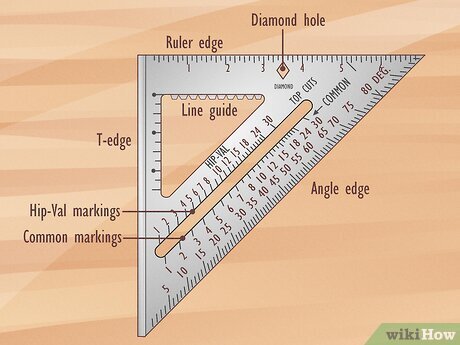
- Squares and straightedges: check straightness and right angles
Selecting Based On Project Needs
Choose a tool that fits your project size and detail level. Large projects need long tools.
For fine work, pick tools that measure small distances well. Think about where you measure too.
- Use tape measures for walls and big furniture
- Use rulers for crafts and small parts
- Use laser meters for quick, long measurements
- Use calipers for precise small items
Tool Accuracy And Calibration
Accuracy means how close a tool’s measurement is to the true length. Choose tools with good accuracy.
Calibrate tools regularly to keep measurements correct. Check for damage or wear that affects results.
- Read the tool’s accuracy rating before buying
- Compare measurements with a known standard
- Adjust or fix tools if measurements are off
- Store tools properly to avoid damage
Preparing The Surface
Measuring straight lines needs a good surface to get exact results. Preparing the surface carefully helps you avoid mistakes.
Follow these steps to make sure your surface is ready for accurate measurement.
Cleaning And Clearing The Area
Remove dirt, dust, and any objects from the surface. A clean area helps you see marks and lines clearly.
Clear space around the surface to avoid interruptions while measuring.
- Use a brush or cloth to clean the surface
- Pick up small tools or debris
- Make sure the surface is dry
Ensuring A Flat Base
Check the surface for bumps or holes. A flat base keeps your measuring tool steady and accurate.
Fix small uneven parts with sandpaper or filler before measuring.
- Look for raised spots or dents
- Use a level tool to check flatness
- Smooth out rough areas carefully
Marking Reference Points
Place clear marks where you want to measure from. Reference points guide your measuring tools for better accuracy.
Use a pencil or chalk that can be erased later without damage.
- Choose visible but removable markers
- Mark both ends of the line
- Double-check marks before measuring
Techniques For Precise Measurement
Measuring straight lines accurately is key to many projects. It helps you get clean, professional results.
Using the right methods and tools can reduce errors and save time. Below are some useful techniques.
Aligning Measuring Tools Correctly
Start by placing your measuring tool firmly along the line. Make sure it does not move while measuring.
Check that the tool is flat and straight against the surface. Avoid gaps that can cause wrong readings.
Using Guides And Jigs
Guides and jigs help keep your measuring and cutting consistent. They act as a physical reference.
- Use a ruler or straight edge as a guide.
- Clamp a jig in place to hold tools steady.
- Mark lines lightly before final measurement.
- Double-check guide placement before cutting.
Avoiding Common Mistakes
Many errors come from rushing or poor tool care. Watch out for these common problems.
| Common Mistake | How to Avoid |
| Not securing the tool | Hold or clamp tool firmly |
| Reading measurements at an angle | Look straight at the scale |
| Using worn or damaged tools | Replace tools when needed |
| Ignoring small marks | Use magnifier or good lighting |

Credit: ehowtoget.com
Advanced Tools And Technology
Measuring straight lines accurately is easier with modern tools. New technology helps reduce human errors and speeds up work.
Using advanced devices and software improves precision. They are useful for builders, designers, and DIY enthusiasts.
Laser Measuring Devices
Laser measuring tools use light beams to find distances quickly and accurately. They work well for both short and long measurements.
- Provide exact readings within millimeters
- Easy to use with one hand
- Can measure hard-to-reach places
- Store multiple measurements for comparison
Digital Levels And Apps
Digital levels show angles and slopes clearly on a screen. Mobile apps can turn your phone into a measuring tool.
| Tool Type | Function | Benefit |
| Digital Level | Measure angles | More precise than manual levels |
| Mobile Apps | Distance and angle measurement | Convenient and portable |
| Combination | Use both tools together | Improves accuracy |
Integrating Tech For Accuracy
Combining different technologies helps get the best results. Syncing data between devices reduces mistakes.
- Use laser devices with digital levels for angle and length checks
- Save measurements on apps to review later
- Calibrate tools regularly for consistent results
- Use cloud storage to back up data
Verifying And Double-checking Measurements
Measuring straight lines accurately is important for many projects. Double-checking your work helps avoid mistakes.
Using reliable methods to verify measurements ensures your lines are correct. This saves time and materials.
Cross-checking Methods
Cross-checking means measuring the same line more than once. It confirms the measurement is consistent.
- Measure from different starting points.
- Compare your result with a known reference length.
- Mark the line and measure again after some time.
Using Multiple Tools
Different tools can help verify your measurements. Each tool may have small errors, so comparing helps find the true length.
| Tool | Strength | Weakness |
| Tape Measure | Easy to use | Can bend or stretch |
| Ruler | Very precise for short lines | Limited length |
| Laser Measure | Fast and accurate | Needs clear line of sight |
Adjusting For Errors
Small mistakes happen. Adjusting for errors improves your final measurement.
Use this checklist to reduce errors:
- Check the tool is straight and tight.
- Read the measurement at eye level.
- Make sure the tool starts exactly at the line start.
- Keep the tool steady during measuring.
- Allow for any tool expansion or shrinkage in different temperatures.

Credit: www.wikihow.com
Frequently Asked Questions
How Do I Measure Straight Lines Accurately?
Use a rigid ruler or tape measure for precise results. Ensure the measuring tool is straight and aligned with the line. Avoid bending or twisting the tape. Mark start and end points clearly for exact measurement.
What Tools Are Best For Measuring Straight Lines?
Steel rulers, tape measures, and laser distance meters offer accuracy. Steel rulers prevent bending, tape measures allow longer distances, and laser meters provide quick, precise readings. Choose based on the length and environment of measurement.
How Can I Avoid Errors When Measuring Straight Lines?
Always keep the measuring tool flat and straight. Double-check measurements and mark points clearly. Avoid parallax errors by viewing the scale directly. Use a stable surface to prevent movement during measurement.
Why Is Measuring Straight Lines Important In Projects?
Accurate measurements ensure proper fitting and alignment in construction and crafts. They prevent material waste and structural issues. Precise lines improve overall project quality and durability.
Conclusion
Accurate measurement of straight lines is essential in many tasks. Use the right tools. Rulers and measuring tapes work well. Always double-check measurements. Errors can cause problems later. Practice improves precision. Familiarity with tools helps. Choose appropriate methods for each task.
Understand the basics. Stay patient and focused. Small steps lead to big results. Accurate measuring saves time and effort. It also reduces stress. Remember, precision matters. Following these tips ensures accuracy in your work. Keep practicing for better skills. Happy measuring!