Are you trying to figure out how much water is flowing through your pipes or irrigation system? Knowing the exact water flow can save you money, prevent damage, and help you manage your water use better.
Measuring water flow with a gauge might sound tricky, but it’s easier than you think. In this guide, you’ll learn simple steps to get accurate readings quickly. Keep reading, and by the end, you’ll be confident in checking your water flow like a pro.
Types Of Water Flow Gauges
Measuring water flow helps monitor and control water use. Different types of gauges suit different needs and systems.
Here we explain three common types of water flow gauges. Each has unique features and ways to measure flow.
Mechanical Gauges
Mechanical gauges use moving parts to measure water flow. They are simple and reliable for many uses.
- Common types include turbine and paddle wheel meters.
- They show flow rate with a needle or dial.
- These gauges need regular maintenance to keep accuracy.
- They work well for clean water without debris.
Digital Gauges
Digital gauges use sensors and electronics to measure flow. They give precise readings on a screen.
| Feature | Benefit |
| Easy to read display | Quick flow rate checks |
| Data logging | Track water use over time |
| Low maintenance | Less need for repairs |
| Wide measurement range | Works for many flow sizes |
Ultrasonic Gauges
Ultrasonic gauges use sound waves to measure flow speed. They do not touch the water inside the pipe.
Advantages of ultrasonic gauges include:
- No moving parts, so less wear and tear
- Can measure flow in dirty or corrosive water
- Easy to install on existing pipes
- Provides accurate and fast readings

Credit: www.reddit.com
Choosing The Right Gauge
Measuring water flow accurately depends on selecting the proper gauge. The right gauge fits your system and flow conditions.
This guide covers key points to help you pick the best gauge for your needs.
Flow Rate Range
Each gauge measures a specific range of flow rates. Choose one that matches your water system’s expected flow.
- Low flow rates need high sensitivity gauges.
- High flow rates require gauges built to handle strong pressure.
- Using a gauge outside its range gives wrong readings.
Pipe Size Compatibility
Gauges connect directly to pipes. They must fit the pipe size exactly for proper function.
| Pipe Size (inches) | Common Gauge Size |
| 1/2 | Small diameter gauge |
| 1 | Medium diameter gauge |
| 2 | Large diameter gauge |
| 4 | Extra-large diameter gauge |
Accuracy Needs
Accuracy varies between gauges. Choose one that meets your precision requirements.
Consider these accuracy levels:
- Standard gauges: ±5% error margin
- Precision gauges: ±1% to ±3% error margin
- High-precision gauges: less than ±1% error margin
Preparing For Measurement
Measuring water flow with a gauge needs careful preparation. Good preparation helps get accurate results.
Before using the gauge, you must get ready by gathering tools, stopping water, and cleaning the pipe.
Gathering Tools
Collect all tools before starting the measurement. This saves time and avoids interruptions.
- Water flow gauge
- Wrench or pliers
- Rag or cloth
- Bucket or container
- Safety gloves
- Flashlight (if needed)
Having these tools ready helps you measure safely and correctly.
Shutting Off Water Supply
Turn off the main water supply before attaching the gauge. This stops water flow and prevents spills.
Close valves slowly to avoid pressure shocks that can damage pipes or the gauge.
- Locate the main water valve
- Turn valve clockwise to close
- Open a faucet to release remaining water
- Check that water flow stops completely
Cleaning The Pipe
Clean the pipe area where you will attach the gauge. Dirt can affect the seal and readings.
Use a rag to wipe the pipe surface until it is dry and free of debris.
- Remove dust and rust
- Dry the pipe with a clean cloth
- Check for damage or leaks
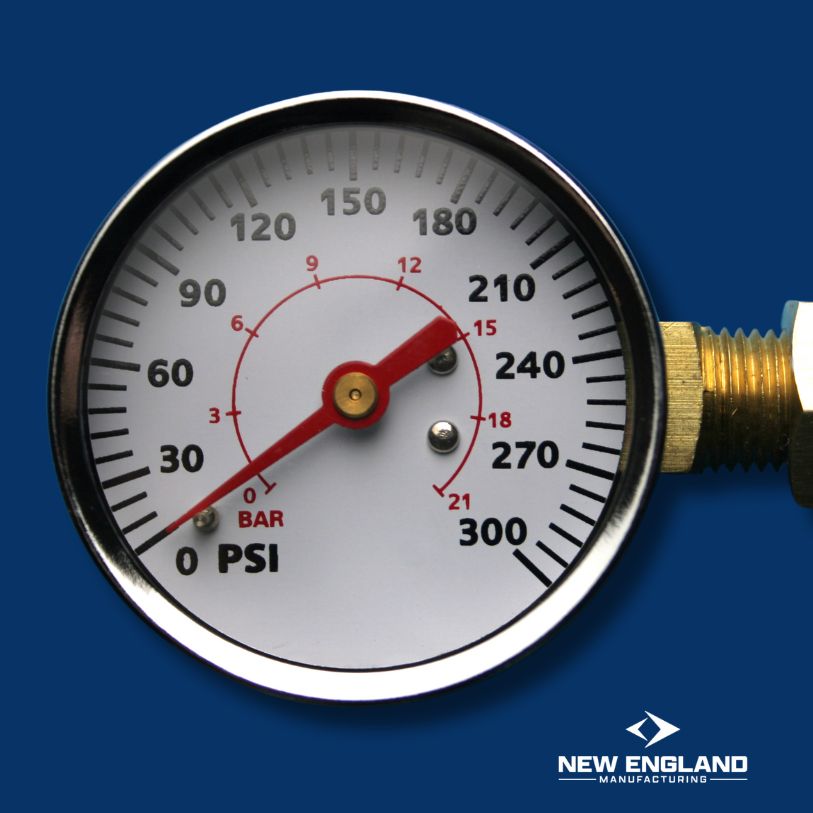
Credit: www.nemfg.com
Installing The Gauge
Installing a water flow gauge is important to get accurate readings. Proper setup helps avoid leaks and damage. Follow these steps to install the gauge correctly.
This guide covers where to place the gauge, how to mount it, and how to seal it well.
Locating Installation Point
Choose a spot on the pipe where the flow is steady and straight. Avoid areas near bends or valves.
- Pick a location with easy access for reading and maintenance
- Make sure the pipe diameter fits the gauge size
- Ensure the spot is free from vibrations and extreme temperatures
- Install the gauge upstream of any devices that may affect flow
Mounting The Gauge
Secure the gauge firmly to avoid movement or damage. Use the correct tools and mounting hardware.
| Mounting Method | Description | Recommended Tools |
| Threaded Connection | Screw gauge into pipe fitting | Wrench, thread tape |
| Flange Mount | Bolt gauge to pipe flange | Screwdriver, bolts, gasket |
| Clamp Mount | Use pipe clamp to hold gauge | Clamp, screwdriver |
Ensuring Proper Seals
Sealing prevents leaks and protects the gauge. Use the right sealants and check all joints.
- Apply thread tape or pipe dope on threaded parts
- Use rubber gaskets with flange mounts
- Tighten bolts evenly to avoid gaps
- Inspect seals after installation for leaks
Taking Measurements
Measuring water flow with a gauge helps you understand water usage. It is important to take careful and clear measurements.
Follow simple steps to get accurate readings from your water flow gauge. This guide covers reading, recording, and checking your data.
Reading The Gauge
Look at the needle or digital display on the gauge to see the current water flow. The gauge usually shows flow in gallons or liters per minute.
Make sure the gauge is level and easy to read. Note the number carefully and avoid moving while reading.
Recording Data
Write down the flow reading right after you check the gauge. Use a notebook or digital device to keep track.
Record the date, time, and any other details like weather or equipment used. This helps you compare readings later.
- Note the exact number on the gauge
- Write down the time of measurement
- Include any special conditions
Repeating For Accuracy
Take several measurements at different times to ensure accuracy. Water flow can change, so multiple readings help.
Compare your results to spot any mistakes or unusual changes. If readings vary a lot, check the gauge for problems.
- Take at least three readings
- Space readings over several minutes
- Check the gauge for damage or blockages
Common Issues And Fixes
Measuring water flow with a gauge can sometimes lead to problems. Understanding these issues helps you get accurate readings.
This guide covers common problems and how to fix them for better water flow measurement.
Inaccurate Readings
Inaccurate readings happen when the gauge is not working right or the setup is wrong. This can cause wrong water flow data.
Check if the gauge is installed correctly and at the right angle. Avoid placing it near bends or valves.
- Make sure the gauge is clean and free from debris
- Use the correct gauge size for your pipe
- Calibrate the gauge regularly according to instructions
- Replace damaged or old gauges promptly
Leaks And Drips
Leaks and drips around the gauge affect water pressure and flow measurement. They can also cause water waste.
Check all connections and seals to stop leaks. Use plumber’s tape or replace worn gaskets if needed.
- Tighten any loose fittings carefully
- Inspect the gauge body for cracks or damage
- Replace faulty parts to prevent leaks
- Use sealant on threaded joints for a better seal
Gauge Maintenance
Regular maintenance keeps your water flow gauge working well. It extends the life of the gauge and improves accuracy.
Clean the gauge face and parts regularly. Remove any dirt or mineral buildup that can block the gauge.
- Check calibration every few months
- Store the gauge in a safe place when not in use
- Replace batteries if your gauge is digital
- Follow the manufacturer’s care instructions
Tips For Accurate Flow Measurement
Measuring water flow with a gauge needs care for good results. Small errors can change the readings a lot.
Follow simple tips to get the best and most accurate flow measurements from your gauge.
Avoiding Air Bubbles
Air bubbles in the water affect the gauge reading. They create false signals and reduce accuracy.
- Make sure pipes are filled completely with water before measuring.
- Check for leaks or loose connections where air can enter.
- Use a vent valve to release trapped air in the system.
- Install the gauge in a vertical position to help bubbles rise and escape.
Maintaining Consistent Pressure
Pressure changes cause flow rate to vary. Keep pressure steady for reliable readings.
| Action | Reason |
| Use pressure regulators | Stops sudden spikes in pressure |
| Check pump settings | Keeps water flow steady |
| Avoid opening valves during measurement | Prevents pressure drops |
| Monitor pressure gauges | Detects unwanted changes early |
Regular Calibration
Calibration keeps your flow gauge accurate over time. It compares the gauge to a known standard.
Follow these steps to calibrate your gauge correctly:
- Turn off the water supply before starting calibration.
- Connect the gauge to a calibration device or reference meter.
- Run water at a known flow rate through the system.
- Adjust the gauge reading to match the reference meter.
- Repeat calibration periodically to maintain accuracy.

Credit: www.yokogawa.com
Frequently Asked Questions
What Types Of Gauges Measure Water Flow Accurately?
Common gauges include turbine, paddlewheel, and ultrasonic flow meters. Each offers precise readings for different water flow conditions. Choose based on pipe size, flow rate, and budget for best results.
How Do I Install A Water Flow Gauge Correctly?
Install the gauge inline with the pipe, ensuring no air bubbles or leaks. Follow manufacturer instructions carefully to maintain accuracy and prevent damage during setup.
Can I Measure Water Flow Without A Gauge?
Yes, alternatives like bucket and stopwatch methods exist but lack precision. For accurate, consistent data, using a proper water flow gauge is recommended.
What Units Do Water Flow Gauges Typically Use?
Water flow gauges usually measure flow in liters per minute (L/min) or gallons per minute (GPM). Some advanced models offer cubic meters per hour (m³/h) readings.
Conclusion
Measuring water flow with a gauge is essential for accuracy. It ensures efficient water use and prevents waste. Start by selecting the right gauge for your needs. Follow simple installation steps for best results. Regularly check and maintain the gauge.
This keeps it functioning properly. Accurate measurements help in making informed decisions. They also support better resource management. Using a gauge is simple, yet effective. It makes water management easier and more efficient. Keep these tips in mind for successful water flow measurement.
With practice, it becomes a routine task.