Are you struggling to figure out the exact size of your wire? Knowing how to measure wire gauge accurately can save you time, money, and frustration.
Whether you’re working on a DIY project or handling electrical repairs, using the right wire size is crucial for safety and performance. You’ll discover simple, step-by-step methods to measure wire gauge with confidence. Keep reading, and you’ll never second-guess your wire measurements again.
Tools For Measuring Wire Gauge
Measuring wire gauge helps you find the wire’s thickness. Accurate measurement ensures the right wire for your project. Different tools provide different ways to measure wire gauge.
Using the correct tool makes measuring easier and more precise. You can choose from calipers, wire gauge tapes, or digital wire gauges.
Calipers And Micrometers
Calipers and micrometers measure the wire diameter directly. They give very accurate readings in millimeters or inches.
Calipers have two jaws to hold the wire and a scale to read the size. Micrometers use a screw mechanism for precise measurement.
- Calipers are easy to use and fast for rough measurements.
- Micrometers provide very precise readings for small wires.
- Both tools need you to convert diameter to wire gauge numbers.
Wire Gauge Tapes
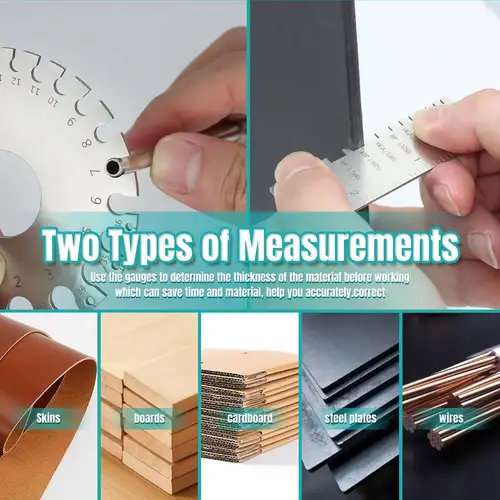
Wire gauge tapes have slots or holes for different wire sizes. You insert the wire into the slot that fits perfectly to find the gauge.
This tool is quick and simple. It works well for common wire sizes and does not require reading scales or conversions.
- Slots match standard wire gauge sizes.
- Easy to carry and use on the job site.
- Best for quick checks, not very fine measurements.
Digital Wire Gauges
Digital wire gauges use electronic sensors to measure wire diameter. They show the reading on a digital screen instantly.
These tools are user-friendly and reduce mistakes. They often convert diameter to gauge automatically.
- Provide fast and accurate measurements.
- Show results clearly on a screen.
- Useful for many wire types and sizes.

Credit: www.solitaire-overseas.com
Preparing Wire For Measurement
Measuring wire gauge accurately needs good preparation. The wire must be ready before you check its size.
Cleaning and straightening the wire help get the best measurement results. These steps remove errors and make reading easier.
Cleaning The Wire Surface
Dirt, oil, or rust on the wire can change the measurement. Clean the wire surface to avoid mistakes.
Use a soft cloth or brush with some rubbing alcohol. Gently wipe the wire until it looks clean and shiny.
- Remove dust and dirt
- Wipe off any grease or oil
- Clean rust spots carefully
Straightening The Wire
Bent or curved wire can give wrong gauge readings. Straighten the wire before measuring its diameter.
Hold the wire firmly and gently pull it straight. Use your hands or a flat surface to remove any bends or kinks.
- Check for any bends or loops
- Straighten gently to avoid damage
- Make sure wire is smooth and even
Measuring Techniques
Measuring wire gauge accurately is important for electrical work and repairs. Different methods help you find the right size with ease.
This guide explains three common techniques to measure wire gauge correctly. Each method uses simple tools or references.
Using A Wire Gauge Tool
A wire gauge tool has slots labeled with numbers. These numbers show different wire sizes. To use it, insert the wire into each slot until it fits snugly.
- Hold the wire straight and insert it into the first slot.
- Try different slots to find the best fit.
- Read the number marked on the matching slot.
- This number is the wire gauge size.
Measuring Diameter With Calipers
Calipers give a precise measurement of the wire’s diameter. Use a digital or manual caliper for this method.
- Open the caliper jaws wide enough to fit the wire.
- Place the wire between the jaws.
- Close the jaws gently until they touch the wire.
- Read the diameter measurement on the caliper scale.
- Compare the measurement to wire gauge charts for the size.
Comparing With Standard Charts
Standard wire gauge charts match diameter sizes to gauge numbers. You can use these charts after measuring diameter.
| Diameter (inches) | American Wire Gauge (AWG) |
|---|---|
| 0.3249 | 10 |
| 0.2576 | 12 |
| 0.2043 | 14 |
| 0.1620 | 16 |
| 0.1285 | 18 |
| 0.1019 | 20 |

Credit: www.diy.com
Common Mistakes To Avoid
Measuring wire gauge accurately is important for safety and function. Many people make simple errors that cause wrong readings. Avoiding these mistakes helps get the right gauge size.
This guide covers common mistakes to avoid. Focus on tool use, wire insulation, and wire condition for better results.
Incorrect Tool Usage
Using the wrong tool or using a tool incorrectly can cause errors. Wire gauges require precise measuring devices like calipers or wire gauge tools. Rulers or tape measures do not work well.
- Do not use a ruler to measure wire thickness.
- Use a wire gauge tool designed for exact measurement.
- Calibrate your tool before measuring if possible.
- Read the tool instructions carefully to avoid mistakes.
Ignoring Wire Insulation
Wire insulation can change the size you measure. Measuring the wire with insulation gives a larger gauge than the actual wire size. Always remove insulation before measuring.
| Measurement Type | Result |
| With insulation | Too large gauge reading |
| Without insulation | Accurate wire gauge |
Measuring Bent Or Damaged Wire
Bent or damaged wires do not give correct gauge readings. Bends can make the wire appear thicker or thinner. Avoid measuring wires with kinks or breaks.
- Straighten the wire before measuring.
- Check for damage like cracks or bends.
- Discard badly damaged wire for accurate results.
Interpreting Wire Gauge Measurements
Measuring wire gauge accurately is important for electrical projects. It helps ensure safety and proper function.
This guide explains how to read wire gauge numbers and convert measurements correctly.
Converting Diameter To Gauge
Wire gauge is often based on the diameter of the wire. You can convert diameter measurements to gauge numbers using charts or formulas.
- Measure the wire diameter with a caliper in millimeters or inches.
- Use a conversion chart to find the corresponding gauge number.
- Double-check the measurement to avoid mistakes.
Understanding American Wire Gauge (awg)
American Wire Gauge (AWG) is a common system in the US. Smaller gauge numbers mean thicker wires.
| Gauge (AWG) | Diameter (inches) | Diameter (mm) |
|---|---|---|
| 10 | 0.1019 | 2.588 |
| 12 | 0.0808 | 2.053 |
| 14 | 0.0641 | 1.628 |
| 16 | 0.0508 | 1.291 |
| 18 | 0.0403 | 1.024 |
Metric Wire Gauge Systems
Metric wire gauges use millimeters to show wire diameter. The number usually means the exact size.
- Metric sizes are easier to understand since they are direct measurements.
- They are common in Europe and many other countries.
- Metric gauges do not have the inverse scale like AWG.
Tips For Consistent Accuracy
Measuring wire gauge accurately is important for safety and performance. Small errors can cause problems in electrical work.
Use simple methods to keep your measurements consistent every time. This guide shares key tips for accurate results.
Calibrating Measuring Tools
Check your tools before measuring. Calibration helps ensure the tool shows the correct size.
- Use a standard gauge block to test your caliper or micrometer.
- Adjust the tool if the reading is off by any amount.
- Repeat calibration regularly to maintain accuracy.
- Keep tools clean and free of dirt or rust.
Taking Multiple Measurements
Measure the wire at several points along its length. This helps find any size variations.
- Place the wire in the measuring tool gently but firmly.
- Record the measurement value each time.
- Take at least three measurements from different spots.
- Calculate the average to get the most accurate gauge.
Maintaining Proper Lighting And Environment
Good light helps you read measurements clearly. Avoid shadows and glare on the tool’s scale.
| Lighting Condition | Effect on Accuracy |
|---|---|
| Bright, even light | Easy to read and reduces errors |
| Dim or uneven light | Hard to see numbers clearly |
| Glare or reflections | Causes misreading of scale marks |
Work in a clean, dry area. Avoid moisture or dust that may affect tools or wire.

Credit: www.tme.eu
Frequently Asked Questions
What Tools Are Best For Measuring Wire Gauge Accurately?
A wire gauge tool or micrometer provides the most accurate measurements. Calipers also work well for precise diameter readings. Using these tools ensures exact wire gauge identification and prevents errors in electrical work or crafting.
How Do I Identify Wire Gauge Without A Gauge Tool?
You can estimate wire gauge by measuring the wire diameter with a ruler or caliper. Then, compare the measurement to a wire gauge chart for an approximate gauge size. However, this method is less accurate than using a dedicated wire gauge tool.
Why Is Measuring Wire Gauge Important In Electrical Projects?
Accurate wire gauge measurement ensures the wire can safely carry the required current. Using the wrong gauge risks overheating, damage, or electrical fires. Proper gauge selection maintains safety and performance in electrical installations.
Can Wire Insulation Affect Wire Gauge Measurement?
Yes, insulation adds thickness but does not affect the wire’s actual gauge. Always measure the bare conductor for accurate gauge sizing. Removing insulation carefully helps get precise wire diameter measurements without damage.
Conclusion
Measuring wire gauge accurately is crucial for safe electrical work. Follow these simple steps to ensure precision. Use a wire gauge tool for best results. Always double-check measurements to avoid mistakes. Remember, correct gauge ensures proper electrical flow. This reduces risks of overheating and damage.
Practice measuring to become more confident and efficient. With time, your skills will improve. Accurate measurements lead to successful projects. Keep your tools in good condition for reliability. Stay safe and always prioritize accuracy. Your efforts will pay off in safer, more effective wiring solutions.