Are you unsure about how to measure wire size and gauge correctly? Picking the right wire can be confusing, but it’s crucial for safety and performance in your projects.
Whether you’re fixing something at home or working on an electrical system, knowing the exact wire size helps you avoid costly mistakes and potential hazards. You’ll learn simple, clear steps to measure wire size and gauge with confidence. Keep reading to master this essential skill and make your work easier and safer.

Credit: powmr.com
Wire Size Basics
Wire size tells you how thick a wire is. It affects how much electricity can pass through safely.
Choosing the right wire size helps prevent overheating and power loss in electrical systems.
Common Wire Gauges
Wire gauge is a number that shows wire thickness. Smaller numbers mean thicker wires.
Different gauges fit different uses. Thicker wires carry more current safely.
- 14 gauge: Used for small household devices
- 12 gauge: Common for general home wiring
- 10 gauge: Used for heavy appliances
- 8 gauge: Used for large appliances and sub-panels
- 6 gauge: Used for large equipment and feeders
Materials And Their Impact
Wire material affects how electricity flows. Copper and aluminum are common materials.
Copper wires carry electricity better but cost more. Aluminum wires are lighter and cheaper.
| Material | Conductivity | Cost | Durability |
|---|---|---|---|
| Copper | High | Higher | Good |
| Aluminum | Moderate | Lower | Moderate |

Credit: www.dfliq.net
Tools For Measuring Wire
Measuring wire size and gauge is important for electrical projects. Using the right tools helps you get accurate results. This guide covers common tools used to measure wire.
Each tool has its own use and precision level. Choose a tool that matches your measurement needs and wire type.
Calipers And Micrometers
Calipers and micrometers measure the wire diameter directly. They give precise readings in millimeters or inches. Calipers are easier to use for quick checks. Micrometers offer higher accuracy for small wires.
- Calipers have jaws that clamp around the wire.
- Micrometers use a screw mechanism to measure thickness.
- Both tools require careful handling for best results.
Wire Gauge Tools
Wire gauge tools let you find the wire size by fitting the wire into slots. Each slot matches a standard gauge number. This method is simple and fast for common wire sizes.
| Gauge Number | Diameter (inches) | Diameter (mm) |
| 10 | 0.1019 | 2.588 |
| 12 | 0.0808 | 2.053 |
| 14 | 0.0641 | 1.628 |
| 16 | 0.0508 | 1.291 |
| 18 | 0.0403 | 1.024 |
Multimeters And Other Devices
Multimeters do not measure wire size directly. They check electrical properties like resistance and continuity. You can use these readings to estimate wire size in some cases.
- Multimeters measure voltage, current, and resistance.
- Some devices include wire gauge functions.
- Other tools use laser or optical sensors for wire measurement.
Step-by-step Measurement
Measuring wire size and gauge is important for safety and performance. You need the right tools and steps to get it right.
This guide shows you how to measure wire size with clear, simple steps.
Preparing The Wire
Start by cleaning the wire. Remove any dirt or insulation that covers it.
Cut a small piece of wire to work with. Make sure the wire is straight and not bent.
Using A Wire Gauge Tool
A wire gauge tool has slots with numbers. Each slot matches a wire size.
Insert the wire into the slots. The slot where the wire fits snugly shows the gauge.
- Pick a slot that holds the wire without force
- Do not force the wire into a smaller slot
- Note the number next to the slot
Measuring With Calipers
Calipers measure the wire’s diameter in millimeters or inches.
Open the calipers and place the wire between the jaws. Close gently until it touches the wire.
- Read the measurement on the caliper scale
- Measure multiple points for accuracy
- Use the largest diameter if the wire is not uniform
Verifying With A Multimeter
A multimeter can check the wire’s resistance. Resistance relates to wire size.
Set the multimeter to measure resistance (ohms). Connect the probes to each wire end.
- Note the resistance value shown
- Compare resistance to wire size charts
- Lower resistance means thicker wire

Credit: www.vital-parts.co.uk
Interpreting Wire Gauge Numbers
Wire gauge numbers show the size of the wire’s diameter. A smaller gauge number means a thicker wire. Thicker wires carry more current safely.
Knowing how to read wire gauge helps you pick the right wire for your project. It also ensures safety and good electrical flow.
Awg Vs Metric Sizes
AWG stands for American Wire Gauge. It is used mostly in the United States. Metric sizes use millimeters to show wire diameter. Many countries use metric sizes.
| System | Unit | Example Size |
| AWG | Gauge number | 12 AWG |
| Metric | Millimeters (mm) | 2.05 mm |
AWG numbers go down as wire diameter goes up. Metric sizes go up as wire diameter goes up. This difference can confuse beginners.
Choosing The Right Gauge For Your Project
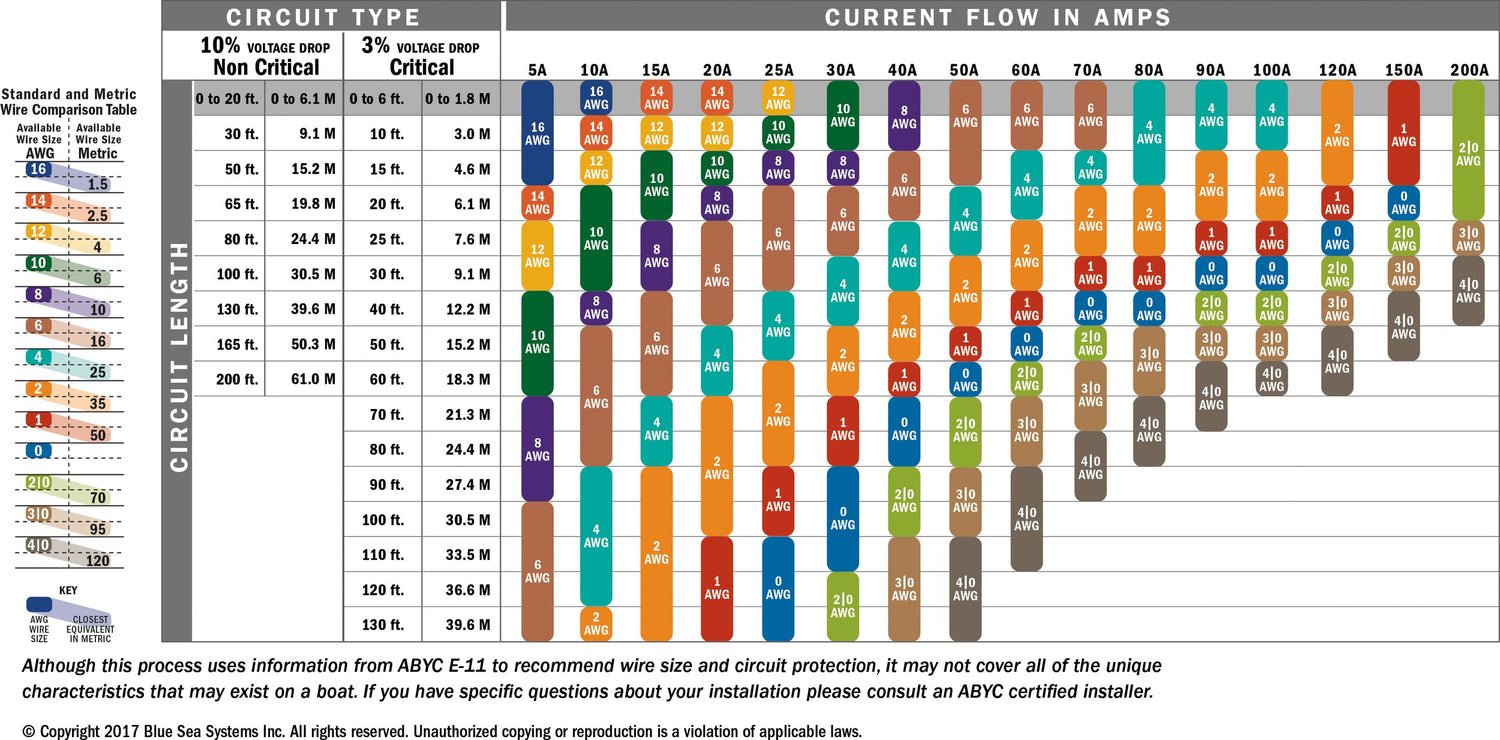
Pick a wire gauge based on how much current your project needs. Thicker wires carry more power safely. Thin wires can overheat if used with high power.
- Check the power or current your device needs.
- Find the wire gauge that can handle that current.
- Use thicker wire for longer distances to avoid power loss.
- Choose insulated wire that fits the environment (indoor or outdoor).
Always follow local electrical codes. Using the right wire size helps prevent electrical hazards.
Common Mistakes To Avoid
Measuring wire size and gauge is important for safe electrical work. Mistakes can cause problems like overheating or poor connections.
Learn the common errors people make. Avoid these to get correct measurements and ensure safety.
Incorrect Tool Usage
Using the wrong tools can give you wrong wire size readings. Not all tools fit every wire type or gauge.
For example, using a ruler instead of a wire gauge tool leads to inaccurate size checks. Always use a wire gauge or micrometer for best results.
- Do not use measuring tapes for wire diameter
- Choose the right gauge tool for your wire type
- Check tool calibration before use
Misreading Measurements
Reading measurements wrong is a common mistake. Wire sizes can look similar but have different gauges.
Make sure to read numbers and marks carefully. Double-check your readings to avoid errors.
- Look closely at gauge markings
- Confirm measurements twice before cutting or connecting
- Write down sizes to avoid confusion
Ignoring Wire Insulation
Do not measure wire size with insulation on. The insulation can make the wire seem thicker than it is.
Strip the insulation before measuring the wire gauge. This helps you get the true wire size for safety and accuracy.
- Remove insulation before measuring diameter
- Use wire strippers designed for your wire type
- Measure only the metal conductor, not the coating
Tips For Accurate Results
Measuring wire size and gauge accurately is important for safety and performance. Using the right tools and methods helps avoid mistakes.
This guide shares tips to get precise measurements every time you check wire size and gauge.
Consistent Measurement Techniques
Use the same method each time you measure wire size. This keeps your results reliable and easy to compare.
- Use calipers or a micrometer for best accuracy.
- Measure the wire diameter at several points along its length.
- Do not include insulation in your measurement.
- Hold the wire straight and avoid bending while measuring.
Environmental Factors
Temperature and humidity can change the wire’s size slightly. Measure wires in a stable environment for best results.
| Factor | Effect on Measurement | Tip |
| Temperature | Wire expands or contracts | Measure at room temperature |
| Humidity | Can cause rust or corrosion | Keep wires dry and clean |
| Dirt and dust | Can add thickness | Clean wire before measuring |
Maintaining Tools
Well-maintained tools give better measurements. Keep your measuring devices clean and calibrated.
- Clean jaws of calipers regularly to remove dirt.
- Store tools in a dry place to avoid rust.
- Check calibration with a standard gauge block.
- Replace worn or damaged parts immediately.
Frequently Asked Questions
What Tools Are Used To Measure Wire Size Accurately?
Wire gauges, calipers, and micrometers are common tools. They help measure diameter precisely. Wire gauge charts assist in converting measurements to standard sizes.
How Do You Determine Wire Gauge From Diameter?
Measure the wire diameter using a caliper. Compare the measurement to an American Wire Gauge (AWG) chart. This chart matches diameter to the correct gauge number.
Why Is Wire Gauge Important For Electrical Safety?
Wire gauge affects current capacity and heat generation. Using the wrong gauge can cause overheating or fire hazards. Correct gauge ensures safe, efficient electrical flow.
Can You Measure Wire Size Without Special Tools?
Yes, you can use a ruler for rough estimates. However, this method is less accurate. Precise tools are recommended for safety and compliance.
Conclusion
Understanding wire size and gauge is crucial for safe projects. Using the correct wire prevents overheating and ensures efficiency. Measure carefully with the right tools. A wire gauge chart can guide you. Always double-check your measurements. This avoids potential problems.
Learning these skills can save time and money. Remember, practice improves accuracy. Stay safe and informed with your electrical tasks.